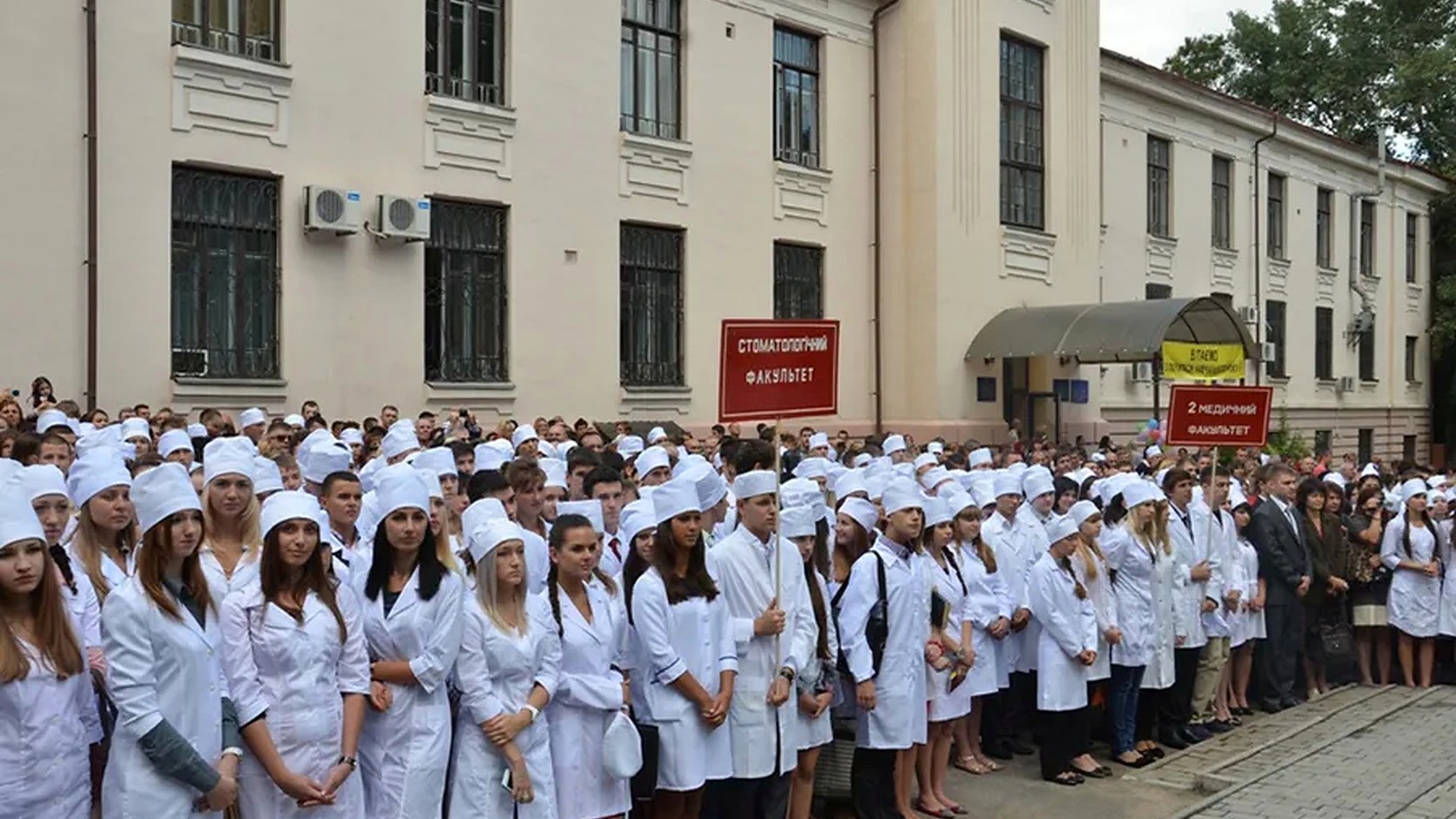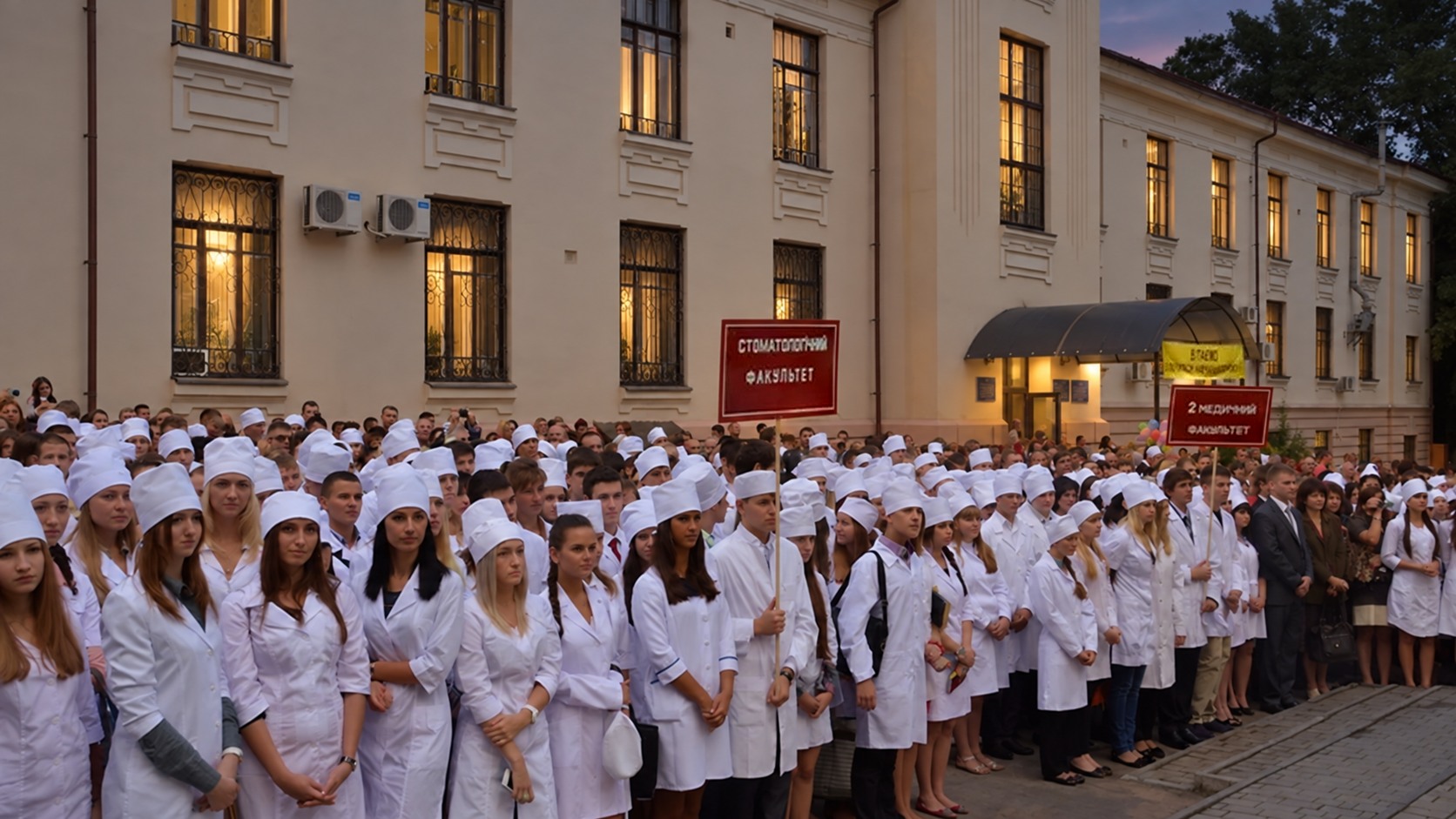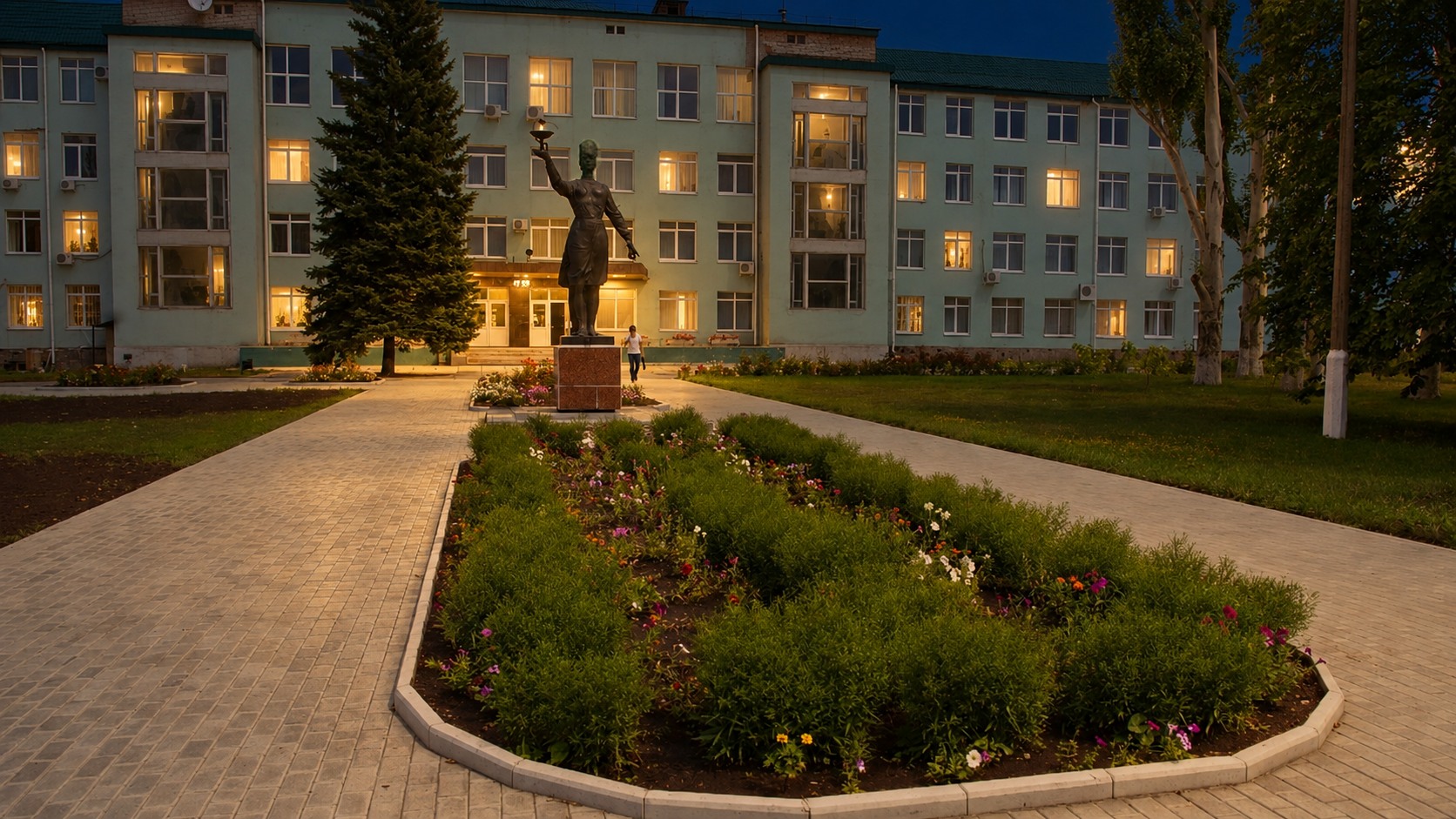
When medical education meets rehabilitation, the scope of care expands from treating illness to helping individuals regain their daily lives. This dimension is evident in the approach of Dnipro State Medical University, which dates back to 1916 and, in addition to medicine, dentistry, and pharmacy, offers physiotherapy and occupational therapy within its educational framework. It is a health-focused identity that encourages viewing the patient from multiple perspectives. [1]
Historical Roots in Dnipro
The university states that its beginnings were in September 1916 with the Higher Women's Medical Courses in Katerinaslav, the historical name of the city. The DEQAR institutional record confirms the year of establishment and the university's location in Dnipro. This record is used to identify the institution, not as a guarantee of professional recognition for each program in all countries. [1][2]
This historical context helps in understanding the university as a health institution that has accumulated stages of education and training. Students need to translate this history into current questions: What is the order of the core subjects? When does practical training begin? And how do the theoretical stages relate to the skills required upon graduation? History is the gateway to understanding, and the curriculum is the tool for decision-making.
Studying Health from a Comprehensive Perspective
The study portal lists medicine, pediatrics, dentistry, pharmacy, physiotherapy, and occupational therapy, and also presents postgraduate training, doctoral programs, and clinical specializations. The inclusion of these fields does not imply that their requirements are identical or that they are all available in the same language for international applicants. [1]
A student interested in rehabilitation can compare the goal of restoring mobility with the goal of improving independence in daily activities, while a pharmacy student focuses on medication and its safe use. A medical student benefits from understanding the role of each profession within the team. This awareness does not negate specialization but rather fosters collaboration and respect for professional boundaries from the early years.
University and Rehabilitation Practice
The university news includes activities related to its teaching hospital and rehabilitation, such as a project announced in 2024 for a regional center for spinal cord injury rehabilitation. It also publishes articles about the training of specialists and students in rehabilitation fields. These news items should be read as specific, dated activities and not as a guarantee of specific training opportunities for every new student. [3]
When evaluating the practical aspect, a useful question is: What skills will the student apply themselves under supervision, and what will they simply observe? What criteria will validate the completion of the training? These details can reveal more about the suitability of the program to the student's goals than a long list of healthcare institutions.
An Example of International Exchange
In March 2023, the University of Dundee in the UK documented the experience of visiting students from Dnipro as part of a collaboration between the two institutions. The report provides a specific example of an educational exchange, but it does not guarantee that the opportunity will continue under the same conditions or that every student will participate. Therefore, current invitations, selection criteria, and funding are reviewed before building an international program. [4]
The value of an international experience lies not only in the travel itself but also in learning a new way to ask questions or communicate with a team. Students can apply this principle even to their daily studies: reading different references, comparing assessment methods, and documenting what they learn from practice and observations.
Choosing a Path Before Arriving
The portal provides an official address in Dnipro, but the training location and attendance method require program-specific confirmation. For international applicants, admission must be linked to the language of instruction and clinical communication, testing requirements, and a plan for degree completion and licensure after graduation. Transfer students also require a detailed review of their coursework and credit hours, not just a general approval. [3]
The university's academic profile combines a long medical history with a stated focus on professional development and knowledge exchange. This combination is most beneficial when students clearly choose their healthcare role and then seek a curriculum and training that will enable them to perform it effectively and responsibly.
Sources and references
- Source 1 · study.dmu.edu.ua
Original source title
بوابة الدراسة الرسمية - Source 2 · www.eqar.eu
Original source title
السجل المؤسسي DEQAR - Source 3 · dmu.edu.ua
Original source title
الموقع الرسمي للجامعة - Source 4 · www.dundee.ac.uk
Original source title
جامعة دندي: تجربة الطلاب الزائرين من أوكرانيا