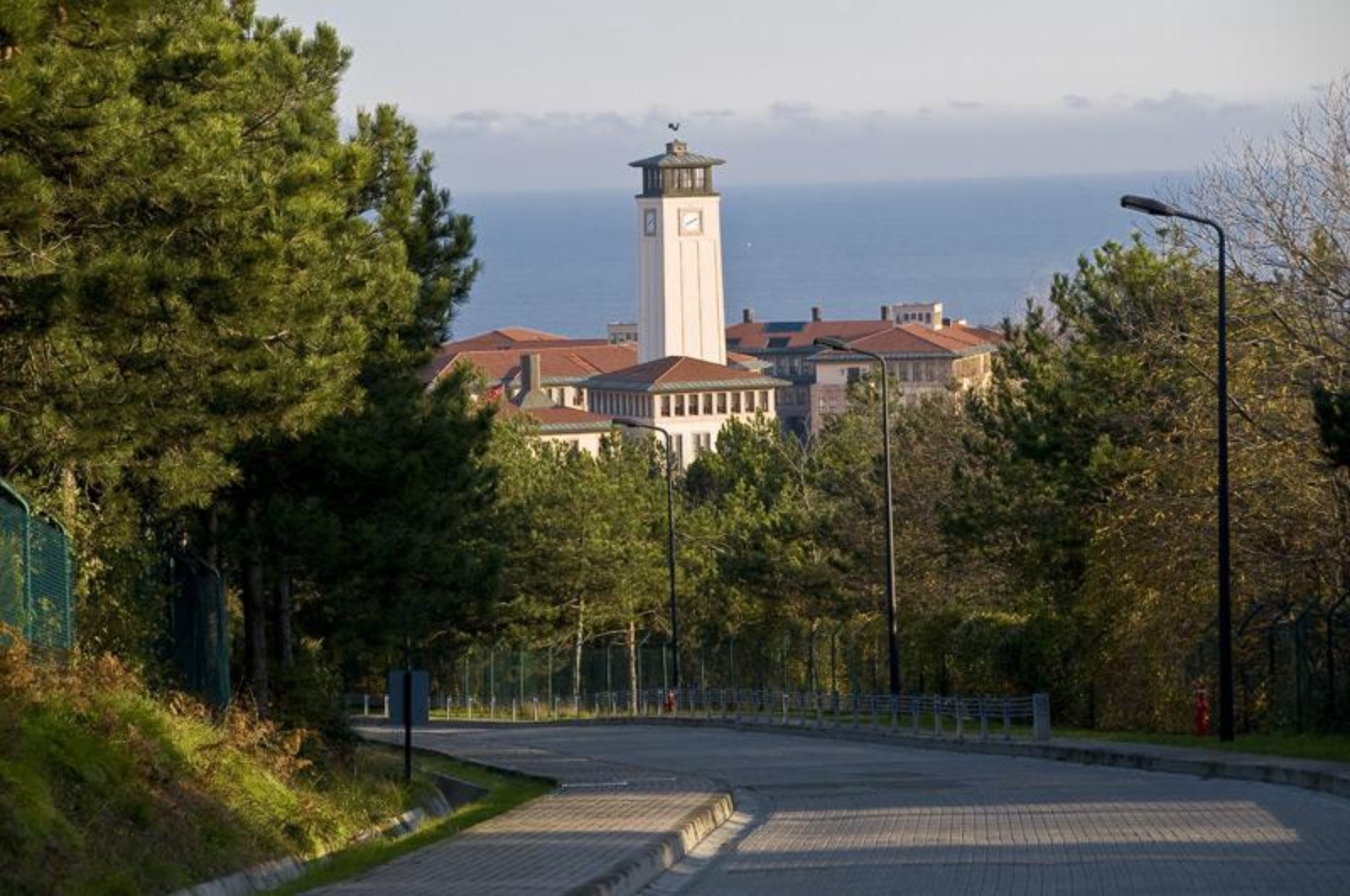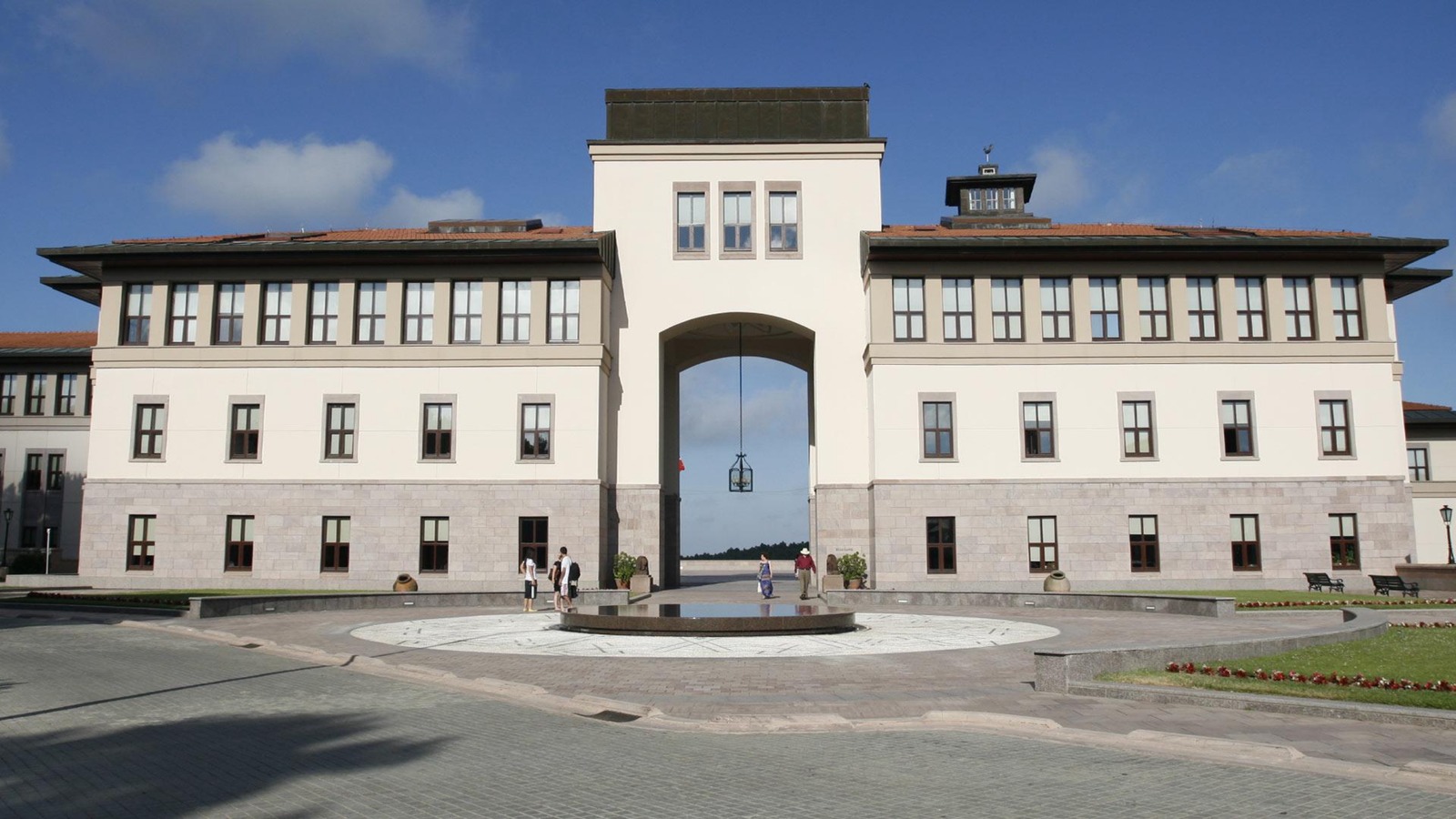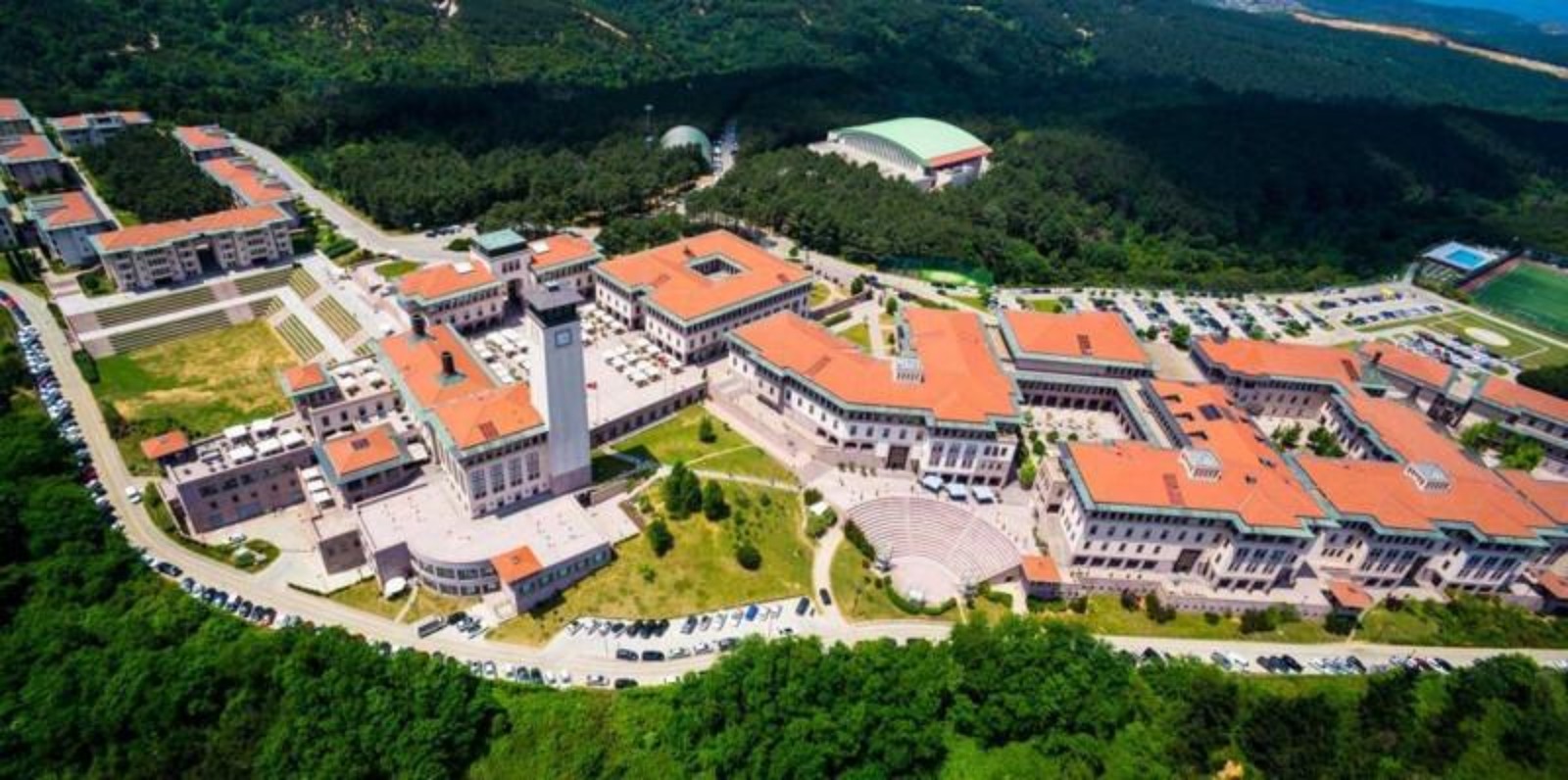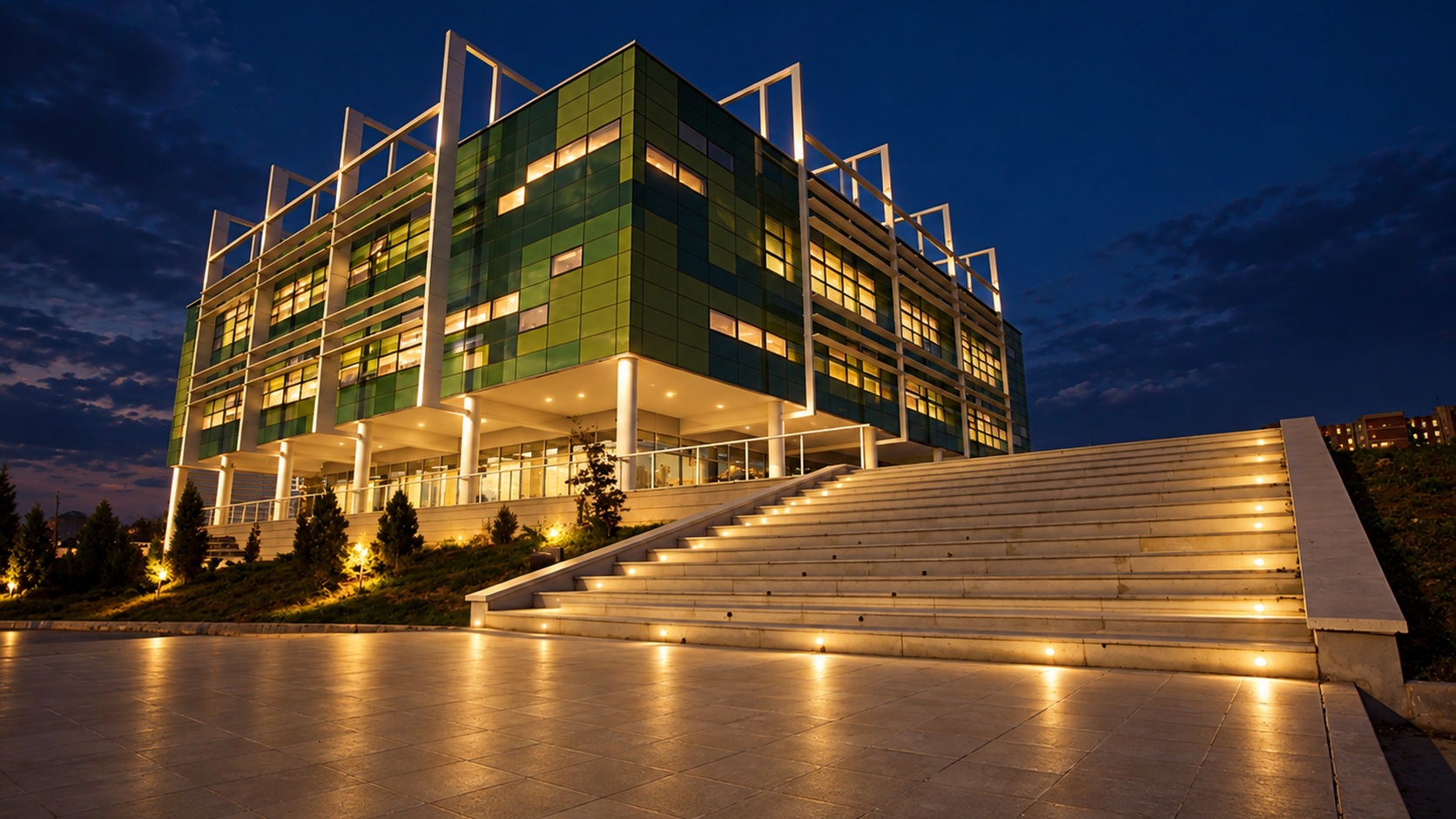

University education is not complete simply by mastering a narrow specialization; science requires humanistic inquiry, management requires an understanding of technology, and medicine requires research and communication. From this perspective, Koç University in Istanbul can be viewed as a non-profit, research-oriented university that brings together science, engineering, medicine, law, economics, and the humanities within a single institution. [1]
From the Beginnings to Rumeli Feneri
The university's application portal confirms its founding in 1993 and identifies its address as Rumeli Feneri in the Sarıyer district of Istanbul. It describes it as a private, non-profit research university supported by the Vehbi Koç Foundation. This information establishes a clear identity for the university, while the student selects their faculty building and actual training location before arranging accommodation and transportation. [1]
This model allows the student to think of their studies as a holistic experience. When choosing engineering, for example, it is beneficial to also identify the skills they want to develop beyond the academic framework: scientific writing, user understanding, technological ethics, or presenting a project before a multidisciplinary team. These are learning objectives that can be explored through the curriculum and activities, not automatic benefits upon enrollment.
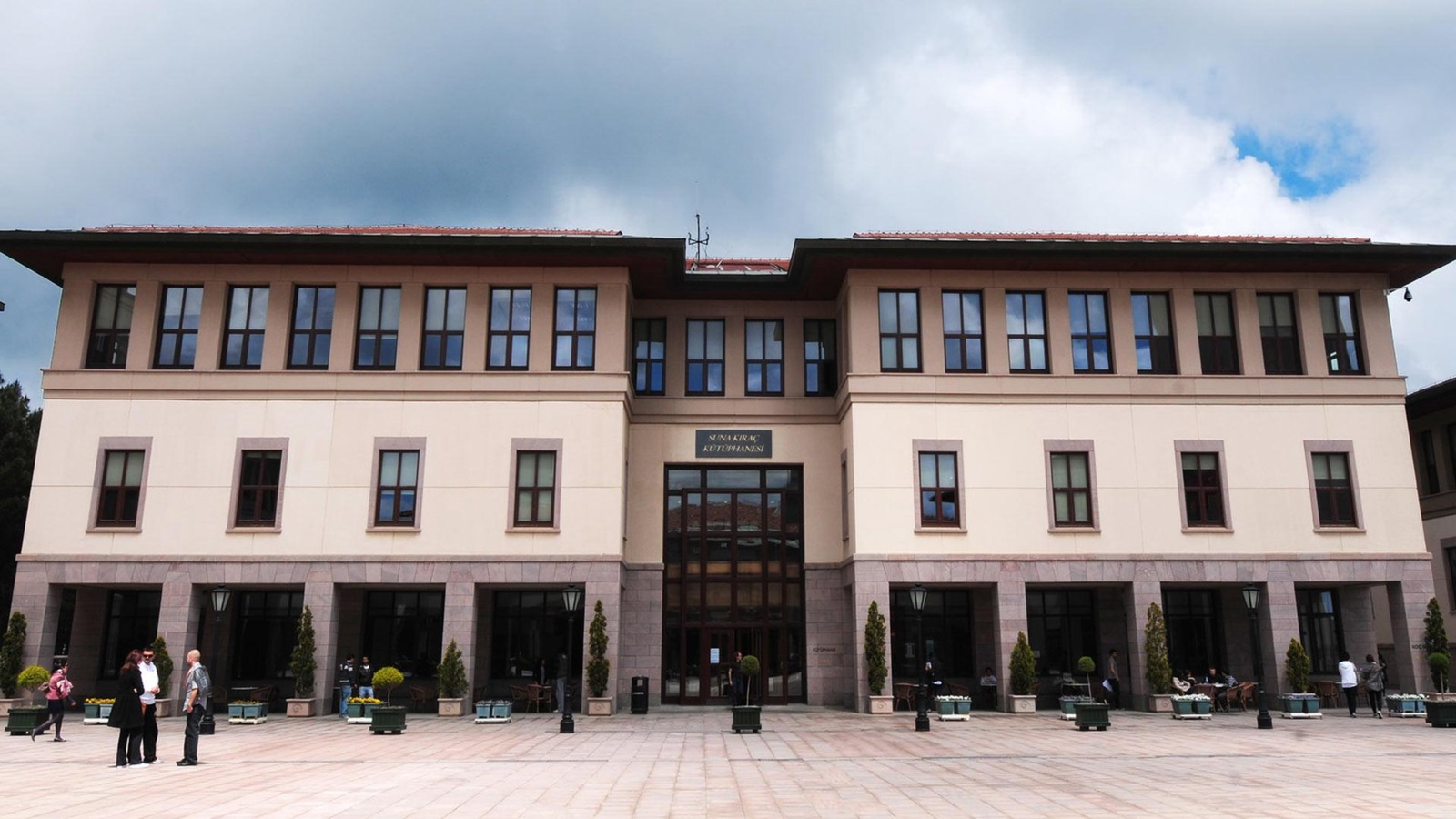
The Library as a Starting Point: The introductory materials list the Suna Kirach Library among the university's resources. Students should begin there to familiarize themselves with the research and reference services related to their major, and then confirm the available resources and how to access them from the library itself. The library's relocation dates and collection sizes are not specified here, so as to keep the introduction focused on what is useful to the reader without unnecessary or uncertain historical details. [2]
The real benefit begins with learning how to search for sources, distinguish between scholarly articles and opinions, organize references, and formulate testable questions. Students can build a portfolio of short reviews or critical summaries from their early years, and then gradually develop it into a research project or graduate thesis.
Spaces for Intersecting Ideas: The university's community dimension is also evident in the Koch Forum on Social Impact, where the World Bank presented a meeting with its management on community engagement and work. This specific example adds to the academic picture a dimension for considering how knowledge relates to societal issues, without assuming that every student is enrolled in a specific activity. [3]
A suitable idea for a student interested in this approach is to study a real problem from two perspectives: economic and social, or technological and health-related. The value of the project here lies not in the grandeur of its title, but in the clarity of its need, the quality of the evidence it relies on, and the student's ability to explain what they have learned and what still needs to be tested.
Istanbul in the Student's Plan
The main campus being located in northern Istanbul, with other university-affiliated facilities within the city, makes choosing a study location fundamental to organizing daily life. Planning becomes even more beneficial when students specify their lecture days, office work, and extracurricular activities, rather than basing their accommodation and commuting plans on a general overview of the city. [1]
As for getting acquainted with the local culture, it can become an exercise in listening and observation: a cultural visit, reading about the history of a place, or a discussion with peers from diverse backgrounds. The important thing is that these experiences remain supportive of the studies and are chosen according to available time and the actual schedule.
How to Interpret University as a Choice?
Coach deserves in-depth reading for students who prefer to connect their field of study with research and humanistic thought. A comparative study is strengthened when it includes the program's curriculum, project examples, supervision mechanisms, language of instruction, and the chosen campus. Grants, exchange programs, and internships are reviewed according to their current terms; a diverse environment fosters exploration, while students build their experience through conscious choice and active participation.
Sources and references
- Source 1 · apply.ku.edu.tr
Original source title
Koç University — البوابة المؤسسية للتقديم - Source 2 · en.wikipedia.org
Original source title
Suna Kıraç Library — التاريخ - Source 3 · www.worldbank.org
Original source title
البنك الدولي — حوار مع منتدى كوتش للأثر الاجتماعي