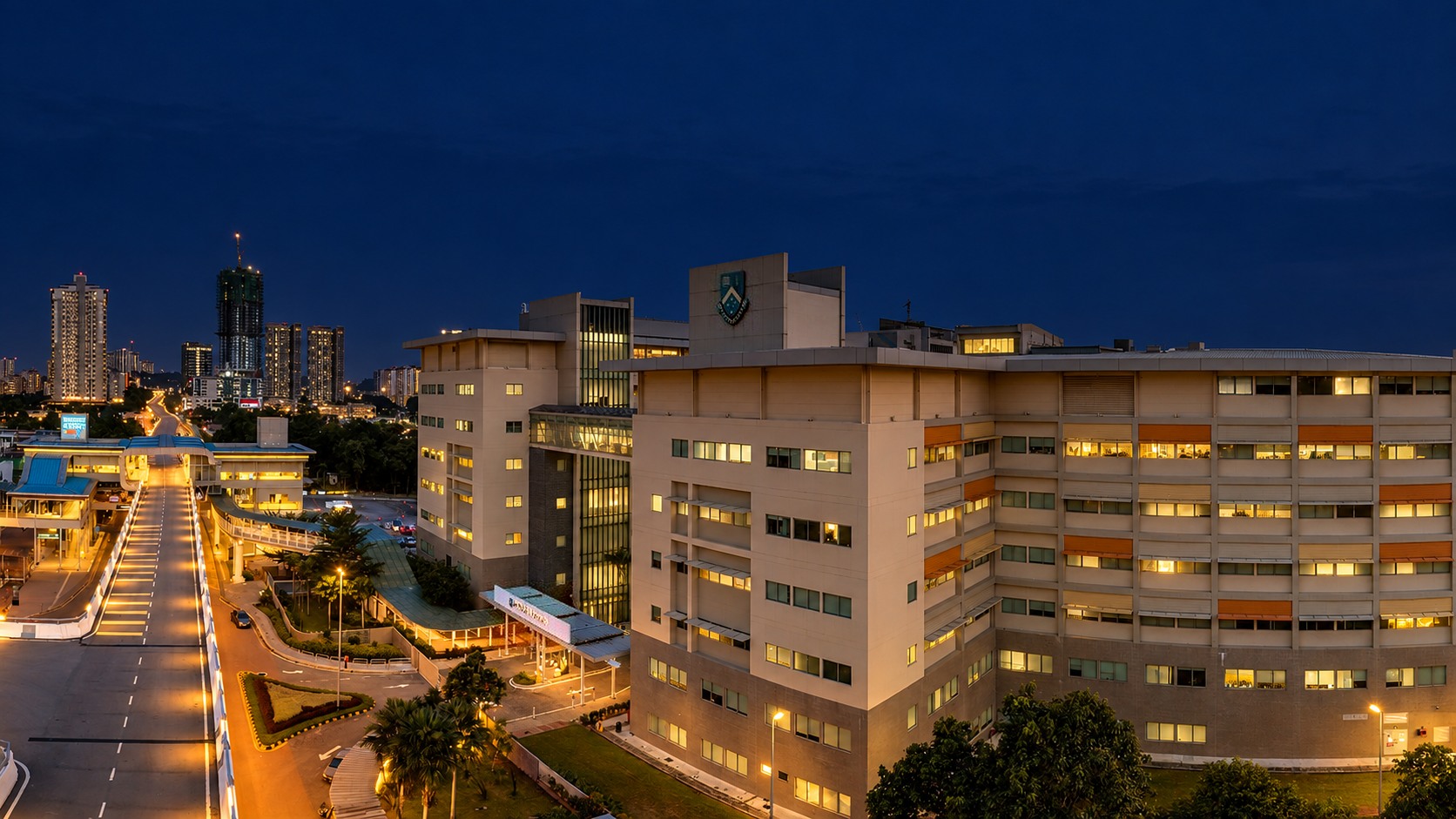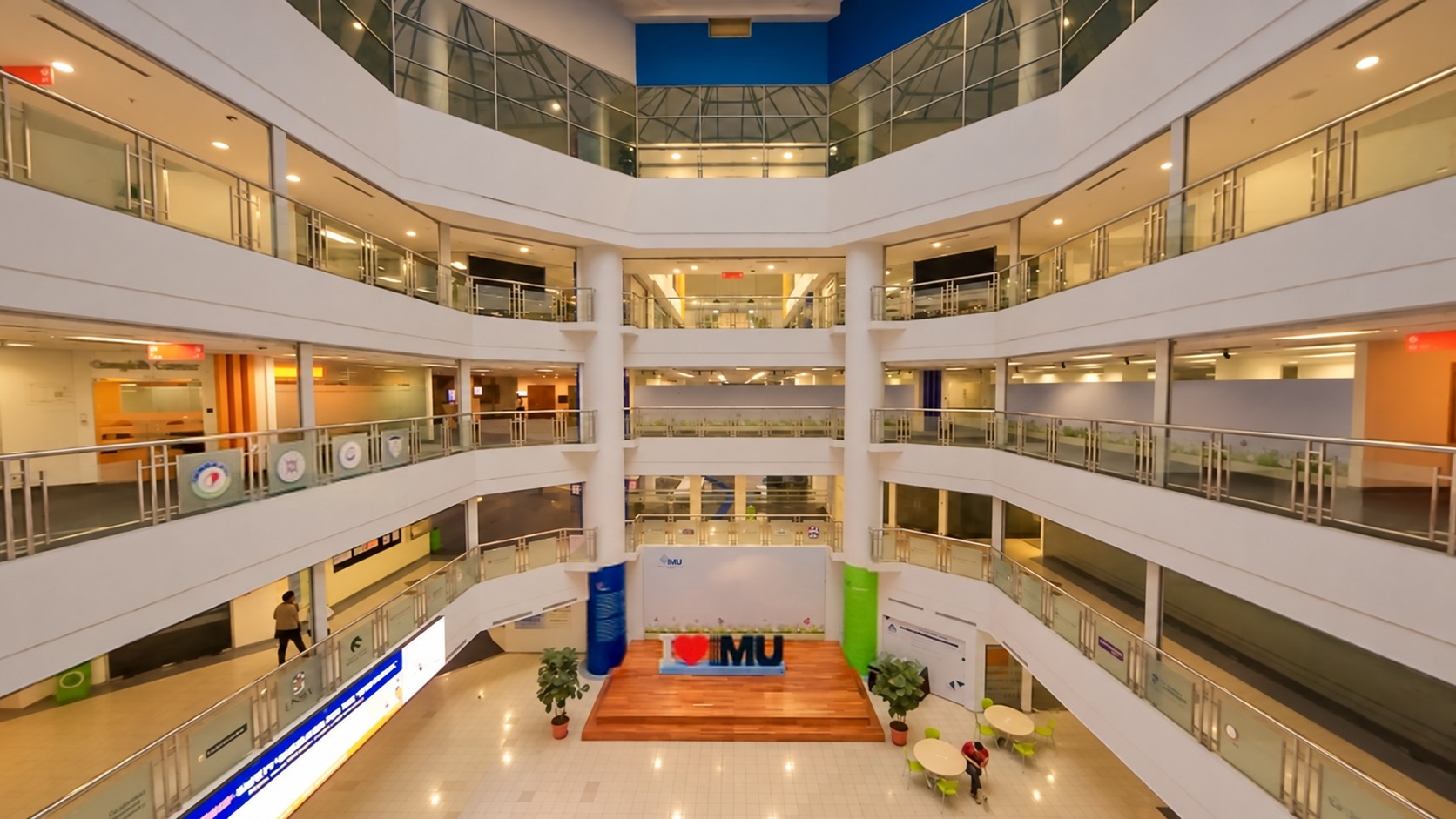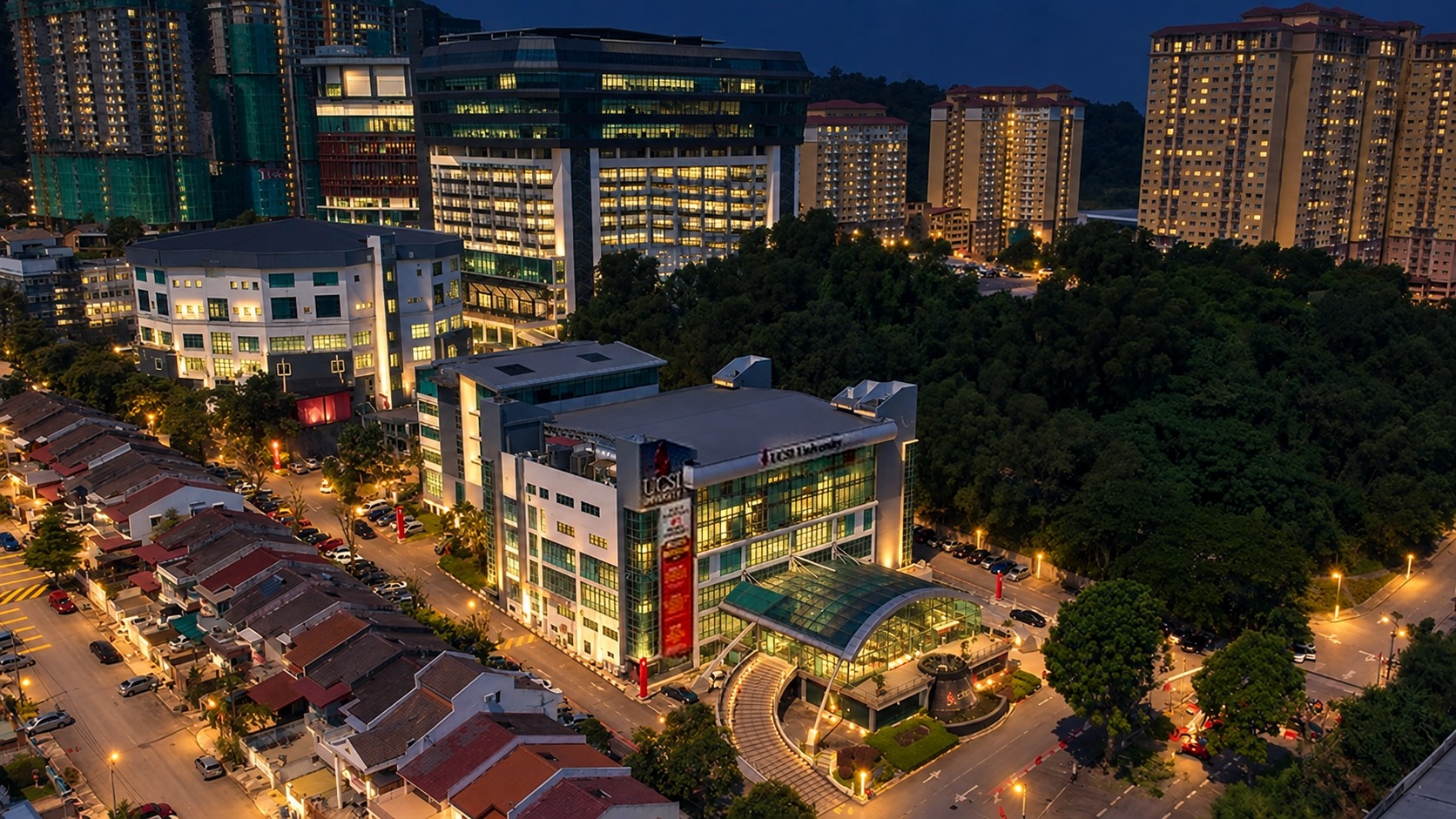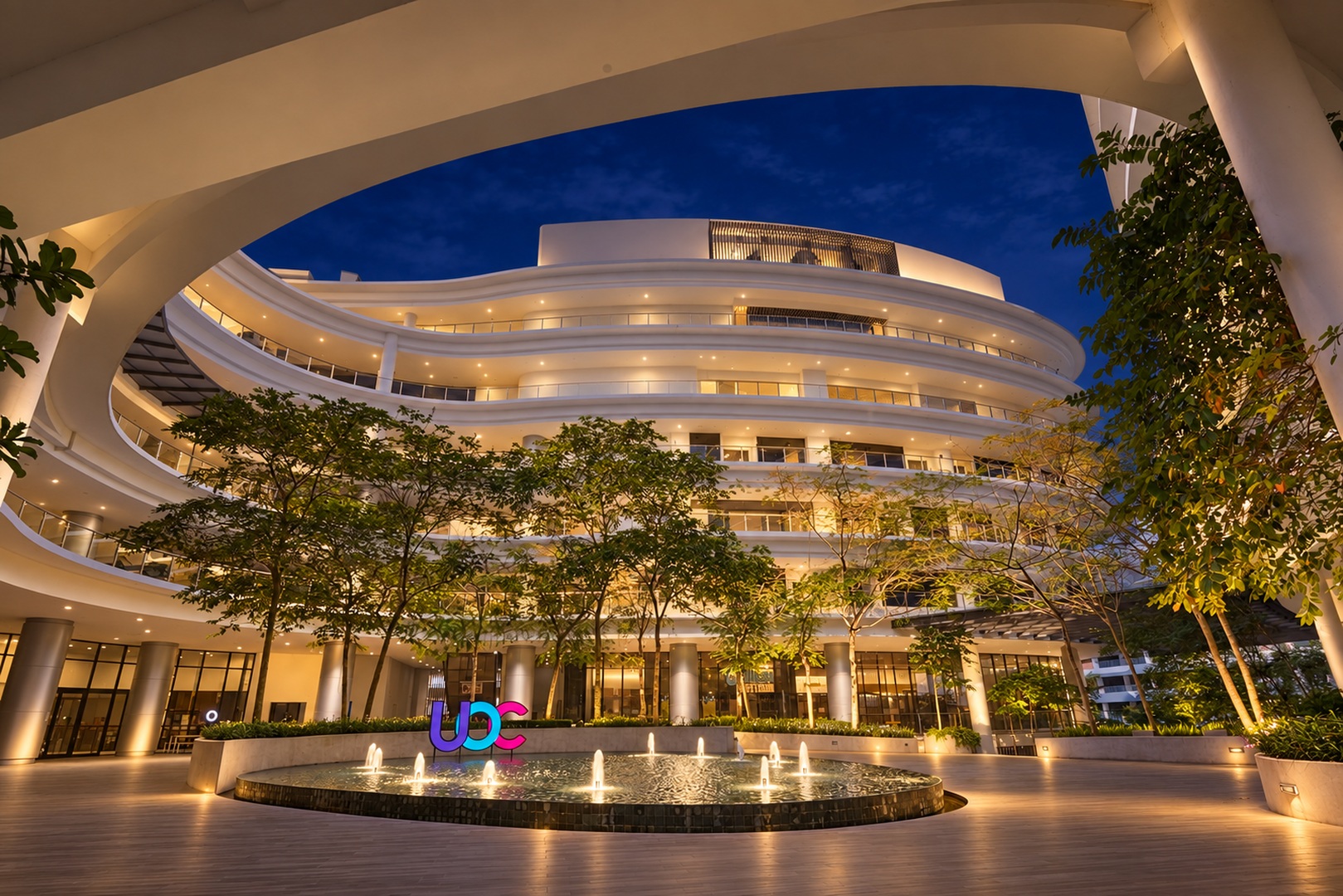
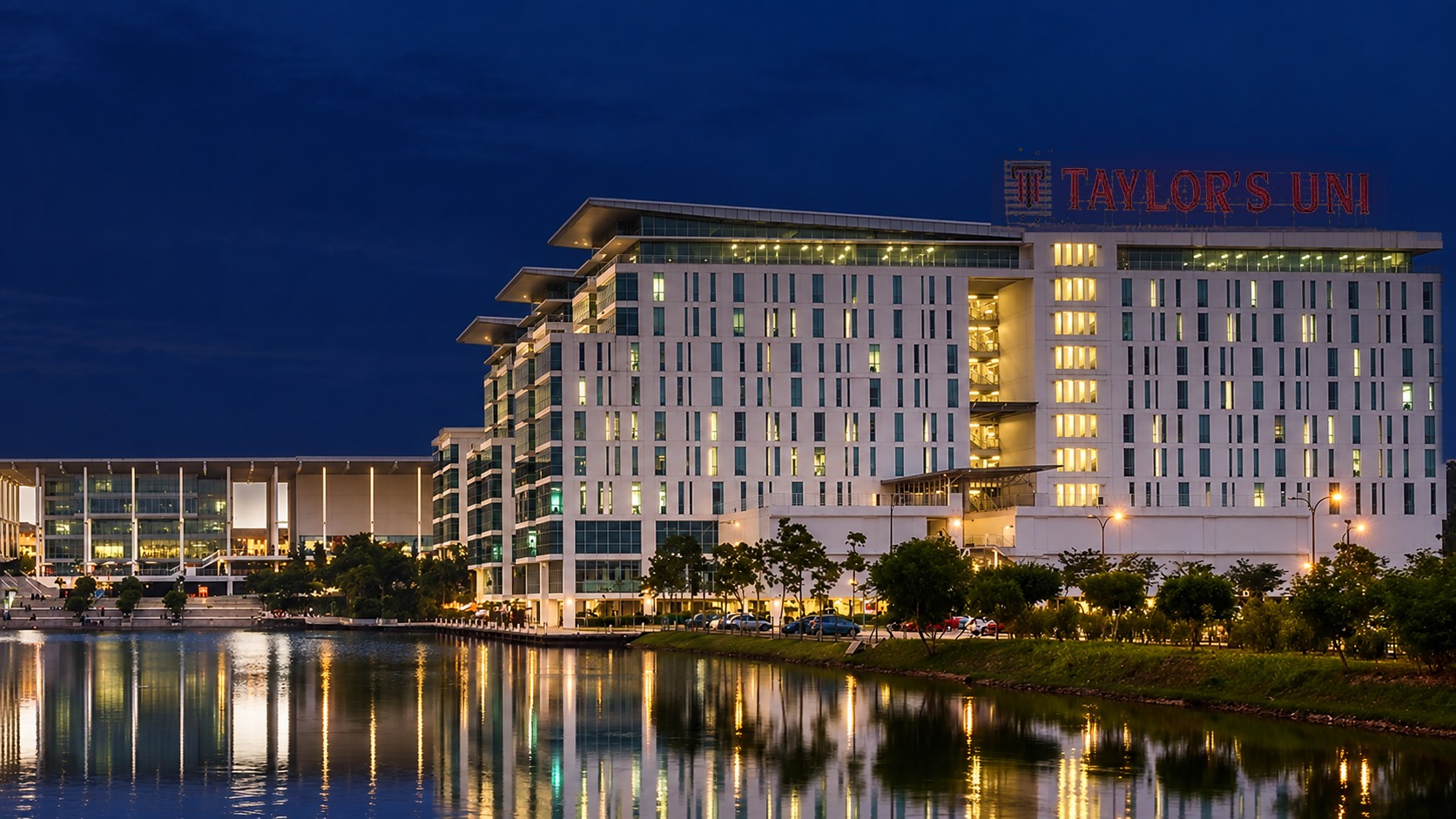

The image of Taylors University’s lakeside campus is striking, but what’s worth reading beyond the picture is the diversity of its learning environments: studios, laboratories, training kitchens, project spaces, and research discussion areas. In this sense, the university can be understood as a place that connects knowledge with practice, with fields ranging from business, hospitality, and design to computing, engineering, and health.
A Malaysian Identity to Distinguish
Located in Subang Jaya, Selangor, Taylors University has an educational history that began as a college in 1969, progressed through university college status, and finally achieved university status in 2010. It is not Taylor University in the United States; the similarity in name does not imply similarity in institution or programs. [1, 2]
Distinguishing between the university and the group’s college is also helpful when reviewing foundation programs, diplomas, or degrees. The institution where a student enrolls and the degree they receive should be clearly stated at every stage of their study plan.
Hospitality as a Training Environment
University facilities offer training restaurants and service environment simulations, cooking suites, and spaces for learning about coffee, tea, and guest service. These details give the study of hospitality and culinary arts a practical context, rather than reducing the field to theoretical aspects of food service or hotel management. [3]
Through this type of learning, students can understand the relationship between quality, organization, cost, and communication. Good service is an integrated process that begins with planning, continues through task delegation, and ends with evaluating the experience. The extent of use of each facility in the program is reviewed, as its presence does not guarantee that all students train there in the same way.
Design, Technology, and Business
The academic scope extends to business, law, architecture, design, engineering, computing, and communication, in addition to health and science programs. This helps in understanding a product or service from multiple perspectives: How does it work? How is it used? How is it delivered and managed? [2, 4]
Students interested in projects may find an opportunity to connect their core skills with understanding the user and the market. However, this requires depth in the specialization before expanding. Attractive design requires logic, business analysis requires data, and software requires testing. Applied learning is not a reduction of theory, but rather its systematic application.
Impact Labs and Interdisciplinary Research
The website showcases impact labs and research centers connected to active living, smart innovation, sustainable communities, and the future of work. These titles demonstrate an interest in linking research to issues that can impact health, technology, the environment, and institutions. [2]
Graduate students benefit from researching the question, supervisor, and methodology, not just the center's title. Undergraduate students can develop the habit of reading and discussing research, then developing a project appropriate to their level. A good project doesn't need to claim it will change the world; it needs to answer a specific question with understandable evidence.
Health as an Independent Career Path
Medicine appears within the university's programs, but its presence within an interdisciplinary institution does not negate the requirements for clinical qualifications. Students should carefully review the qualification name, training locations, language requirements, prerequisites, and the professional requirements of the country where they intend to work. [2, 4]
Here, a careful comparison between health and non-clinical pathways is useful. An interest in human health may lead to medicine, research, nutrition, or service management, depending on the program offered, and not all interests necessarily lead to the same profession.
Campus Life as Part of the Formation
The campus offers a library, residence halls, clubs, sports, and support services. These resources can provide students with a balanced experience that combines study, networking, and initiative, with a review of the terms and availability of each service. [2]
Taylor's is worth considering for those drawn to project-based learning and practice, and who find a clear specialization within its programs. The beautiful campus setting is a good starting point for introduction, while the final decision should be based on what the student creates, learns, and can demonstrate at the end of the program.
Sources and references
- Source 1 · en.wikipedia.org
Original source title
خلفية تاريخية ثانوية تحتاج مطابقة مؤسسية - Source 2 · university.taylors.edu.my
Original source title
الموقع الرسمي للجامعة - Source 3 · university.taylors.edu.my
Original source title
مرافق تايلورز - Source 4 · university.taylors.edu.my
Original source title
دليل برامج تايلورز