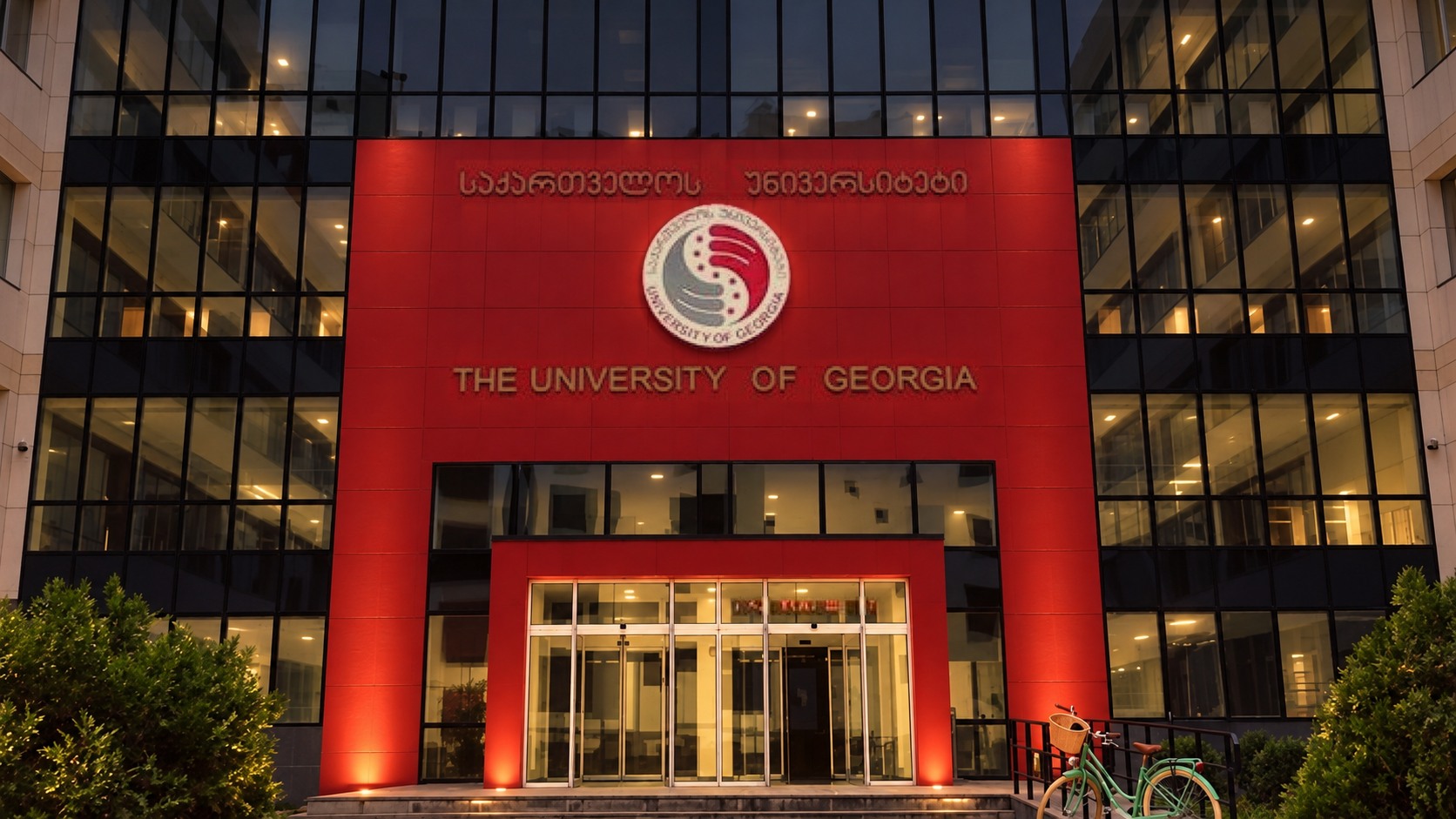

A PhD is not simply a longer course in a field you love, but rather advanced training in producing knowledge that can be presented, examined, and its limitations discussed. It often begins with a broad interest, then requires transforming that interest into a specific question and an actionable methodology. Therefore, choosing the question, the research environment, and the supervisor are among the most important decisions, and their impact may outweigh the appeal of the program's name alone.
What distinguishes a PhD?
A research degree focuses on original work or a knowledge contribution within the framework of the institution and the discipline, although assessment methods and requirements vary between countries. Not every professional degree bearing the title "Dr." automatically equates to a research PhD. The type, level, and nature of the qualification should be carefully considered as awarded by the academic institution. [1]
Originality does not necessarily mean a groundbreaking discovery. It may lie in a new question, method, data, interpretation, or well-considered application within a specific scope. The value lies in the clarity of the contribution, its relevance to the literature, and the researcher's ability to defend it honestly and methodically.
Start with the problem, not the catchy title.
Your initial interest can be as broad as digital health, sustainable cities, or language education. The next step is to identify what is unclear within the field, who it concerns, and what can be studied with the available resources. The clearer the question, the more precise the selection of methodology, supervisor, and university becomes.
It is helpful to write a short preliminary proposal that explains the background, the gap, the question, the methodology, the resources, and the expected limitations. This is not a contract that stifles the idea's development, but rather a tool for dialogue and testing its feasibility. A strong proposal also clarifies what the project will not attempt.
Supervisor: A Scientific Working Relationship
Choosing a supervisor requires more than just considering the number of publications. Look at shared interests, the nature of the research group, available resources, the supervision process, and expectations for communication and progress. It should not be assumed that a well-known researcher is available to mentor a new student, or that departmental acceptance guarantees supervision by a specific individual.
It is helpful to discuss the frequency of meetings, the method of reviewing writing, the distribution of responsibilities, and expectations regarding project participation. Clarity in this relationship from the outset helps build a respectful working environment and ensures that feedback is part of the development process, not a constant source of confusion.
Methodology, Ethics, and Data Management
Research requires choosing a methodology that is appropriate to the question, understanding its limitations, and documenting the decisions made. It may require ethical approvals or access to data, laboratories, equipment, or participants. Systematic data collection or handling of sensitive information should not begin until the institution's formal requirements are met.
Storage, backup, version control, and source documentation also warrant a clear plan. These details protect the work, allow for review, and reduce reliance on the researcher's memory or scattered files that become difficult to understand later. Research integrity is a daily practice, not a paragraph to be written at the end of a thesis.
Funding is a resource with conditions
When reading a funding offer, examine what it actually covers: fees, living expenses, insurance, research, travel, duration of support, and conditions for continuation. There may be teaching or research commitments or restrictions attached to the grant, so not all offers are the same.
It is helpful to calculate the resources needed for the project itself, not just the researcher's living expenses. A program that is suitable in its title may become less relevant if essential data, equipment, or methodological expertise are lacking. Alignment between the research question and available resources is essential for producing quality work, not an administrative detail.
Writing Starts Early
You don't need to wait for the results to be finalized to begin writing. Researchers can draft methodological notes, literature reviews, and preliminary interpretations, then develop them further as the work progresses. Writing here is a means of identifying gaps in understanding, not merely a final wrapper for the research.
It is beneficial to break down the project into revisable, incremental deliverables, while still allowing time for reading, experimentation, and reflection. The quality of a PhD is not measured by the number of hours a researcher spends in front of a screen, but by systematic, explainable progress and evidence-based decisions.
Post-Degree Paths Are Not a Single Way
A PhD may lead to academic, research, industrial, analytical, or other fields, depending on the specialization and experience. A degree does not guarantee a university position, and some roles require additional skills in teaching, management, or application. Therefore, developing the ability to explain research to both specialized and non-specialized audiences is beneficial.
A PhD is suitable for those who find value in in-depth questioning, independent work, and frequent revision. When the question aligns with the supervisor, resources, and personal goals, the research years become an opportunity to build new knowledge and mature thinking skills, not simply a race to acquire a title.
Sources and references
- Source 1 · www.qaa.ac.uk
Original source title
QAA: أطر مؤهلات التعليم العالي