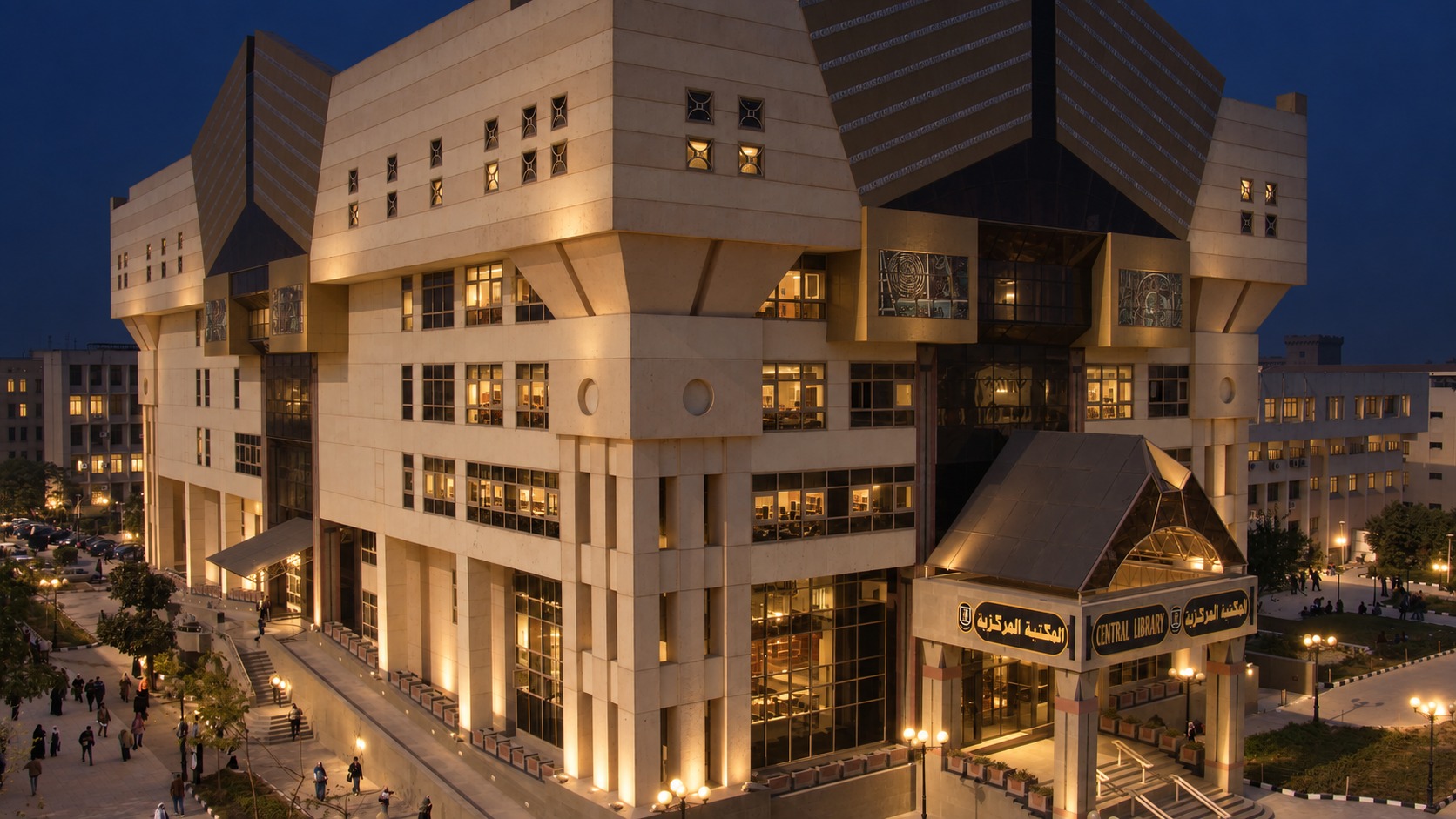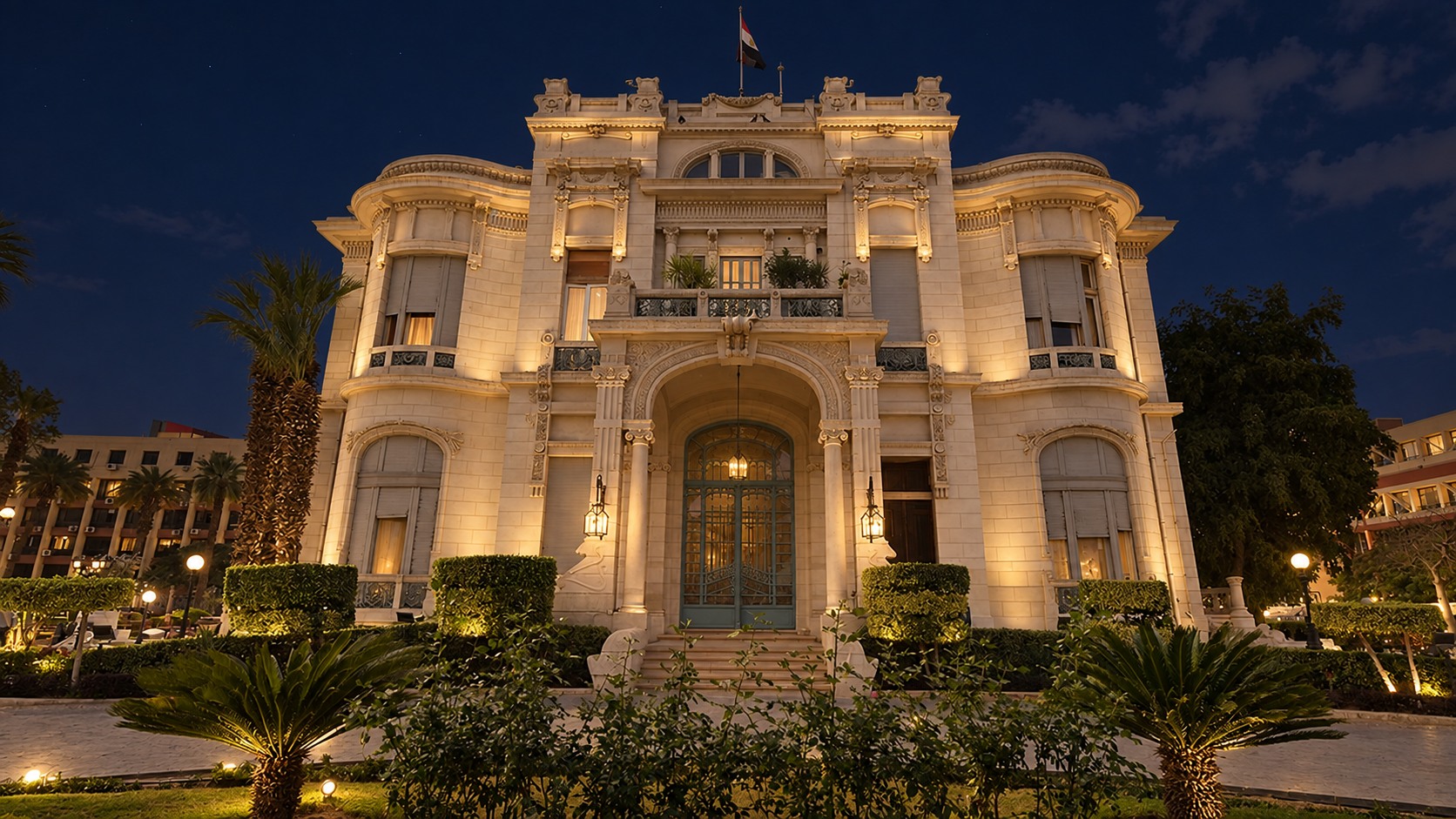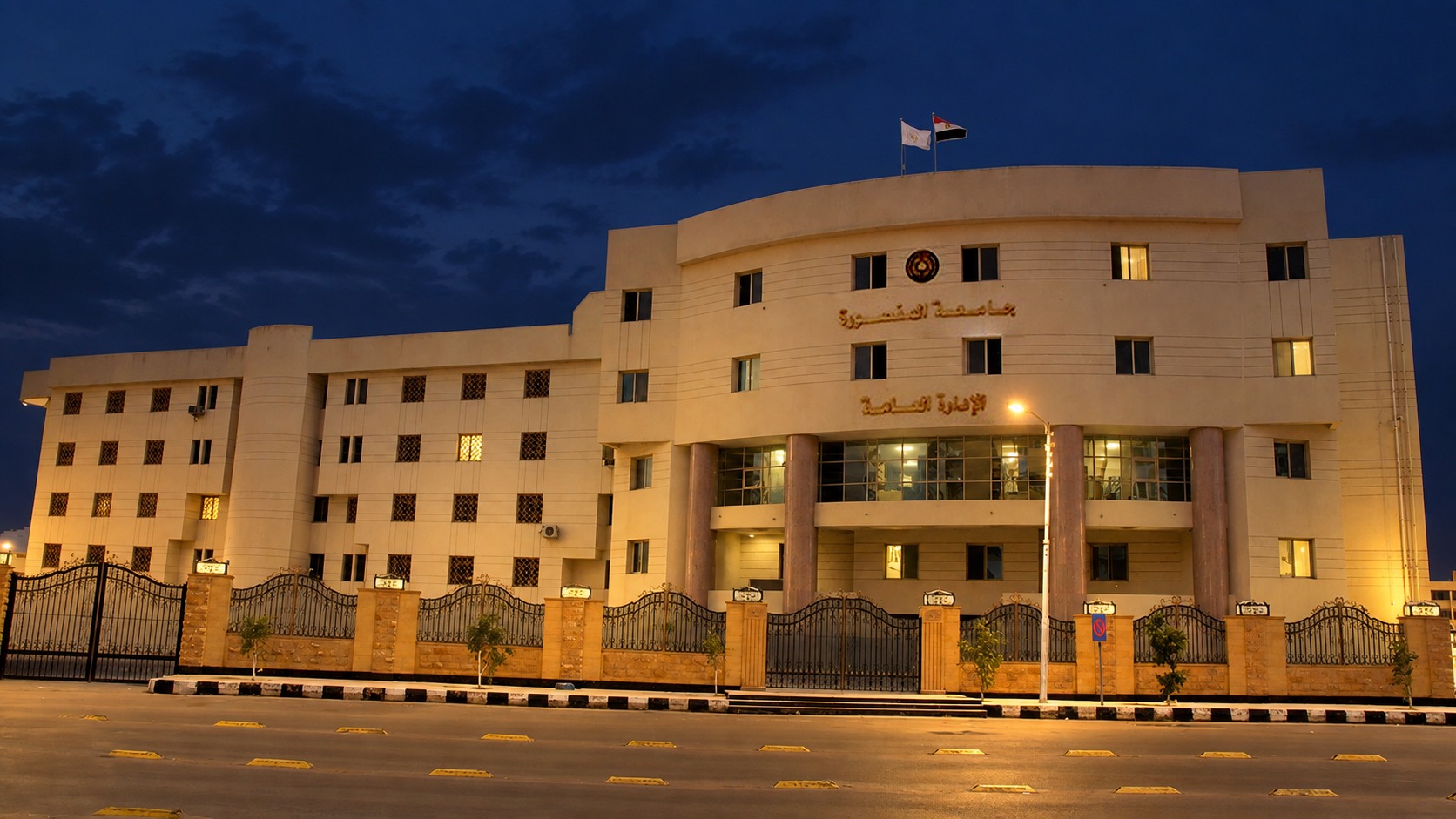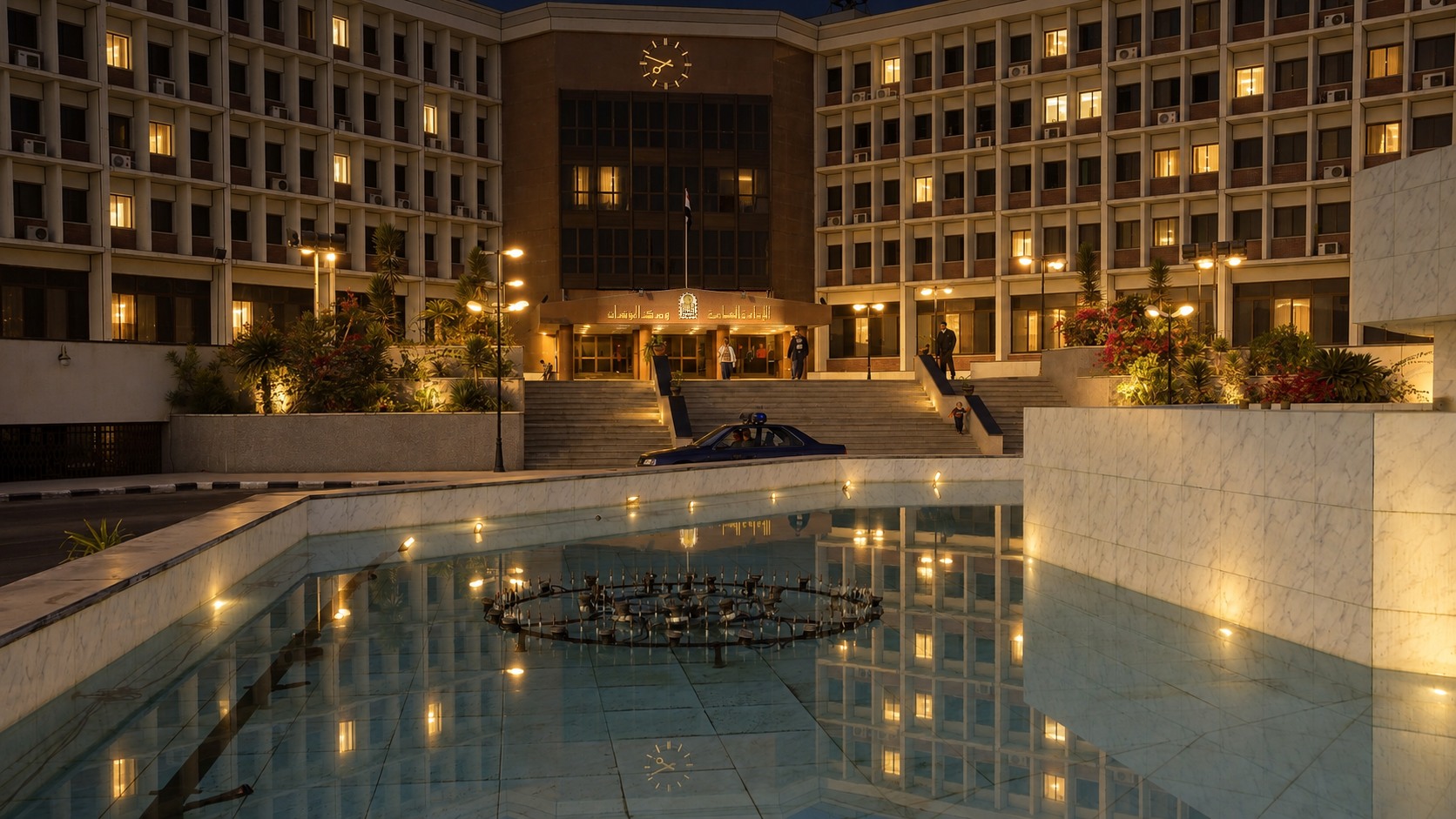
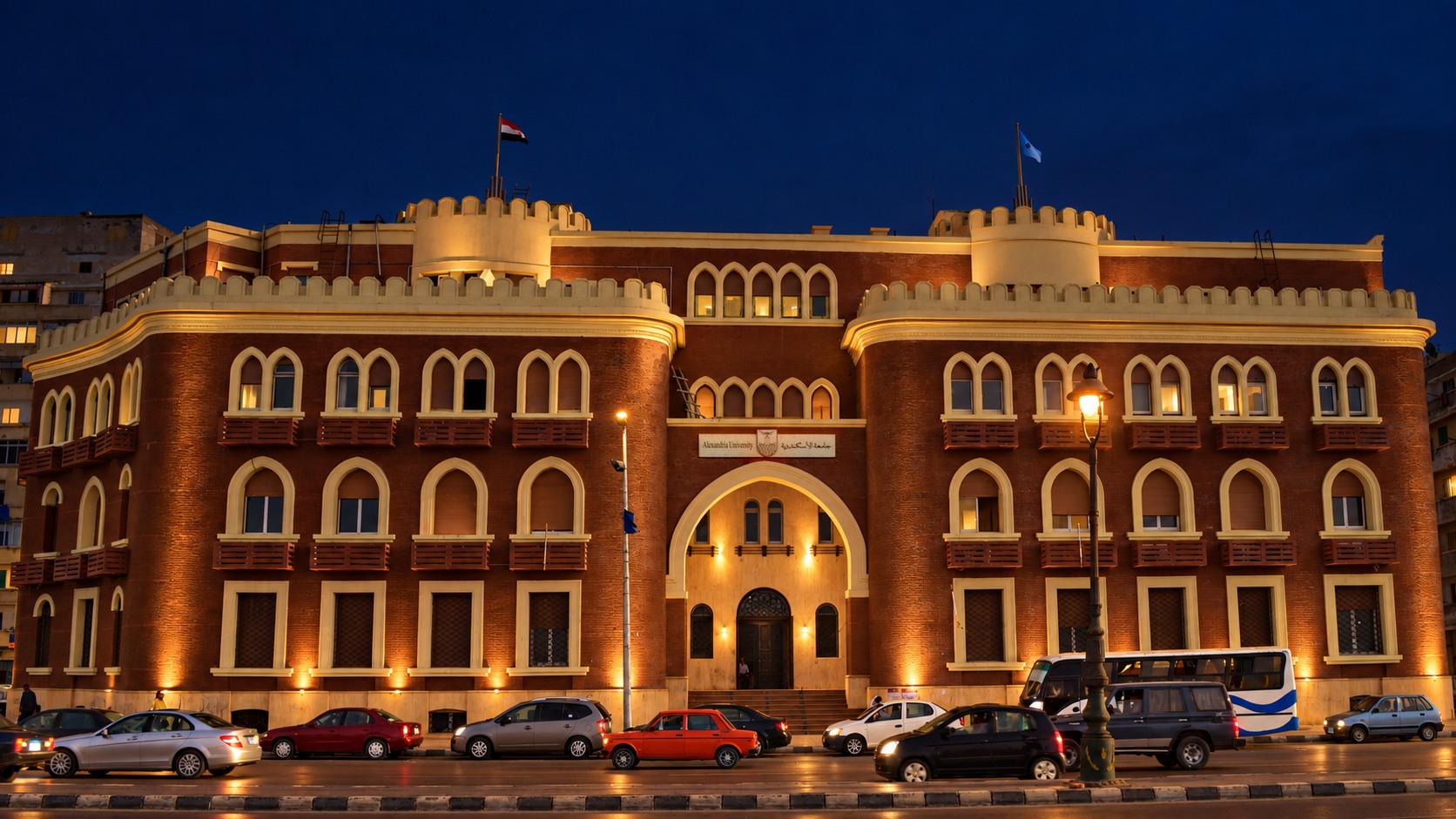
In Alexandria, the sea is more than a view outside the window. It is part of the city's identity and of the scientific and cultural questions that may interest a student. Alexandria University gives this setting an academic dimension through a comprehensive institution combining health, engineering, science and the humanities, including fields connected with the marine environment.
From an Initial Branch to an Independent University
The institution's modern roots began in 1938 with a branch comprising arts and law, followed by engineering in 1941. It became an independent university in 1942 and adopted the Alexandria University name in 1952. This sequence shows how the university project expanded gradually rather than beginning with every faculty at once. [1, 2]
The expansion also reveals academic variety: humanities combined with scientific and health disciplines, followed by newer pathways such as computing and data science. Understanding this development helps students see a university that evolves with knowledge and social needs rather than a fixed historical name.
The Sea as a Scientific Subject, Not a Promotional Image
The reference profile highlights oceanography and the marine environment. This provides a distinctive way to understand the university within our directory, connecting its geography with research questions about water, ecosystems, coastlines, resources and the interaction between human activity and the environment. [1]
A science student's interest might begin with analysing a sample or understanding a natural phenomenon. An engineering student may approach the question through structures and infrastructure, while an economics student considers resources and transport. These subjects do not all form one programme, but thinking about their connections shows how a coastal city can broaden learning and project ideas.
Health, Technology and Humanities Pathways
The university includes medicine, dentistry, pharmacy, engineering, computing and data science, alongside business, economics and political science, veterinary medicine, arts, education and law. Availability to international students must be checked against the admission guide and specific programme, not inferred from the existence of a faculty. [1]
Health students benefit from reviewing the curriculum, training stages and internship. In computing and data science, mathematics, statistics, programming and projects reveal the nature of the preparation. Humanities place greater emphasis on reading, analysis, writing and argument. The university's breadth provides these choices but does not replace detailed comparison within the intended field.
Facilities Distributed Across the City
University facilities are spread across Alexandria, making each student's day closely connected to the actual faculty location. This practical detail strongly influences accommodation choices: proximity to the sea or a famous landmark does not guarantee proximity to lectures and laboratories. [1]
Before booking accommodation, map a typical academic week. Where are lectures held, is training based elsewhere, and which transport options are appropriate? Keep accommodation costs separate from tuition, materials and equipment. University residences exist, but international eligibility, availability, contracts and services require independent confirmation; they are not automatically included in an admission letter.
A City's Culture Adds to the Experience
Alexandria offers opportunities to explore a varied Mediterranean heritage. Libraries, museums and coastal architecture can be the subject of independent cultural visits. It is important to distinguish the Bibliotheca Alexandrina, a cultural institution in the city, from the university's own libraries and facilities rather than merging them into one description.
The aim is not to turn university years into a tourism programme but to develop a deeper relationship with the setting. A considered visit, reading about a neighbourhood's history or cultural participation can provide a fresh perspective before returning to study with renewed energy. These personal experiences complement academic work without replacing its requirements.
Who Might Value This Environment?
Alexandria University merits comparison for students seeking a comprehensive public university in a coastal city or interested in connections between science, the environment and society. Health, technical and humanities students find different starting points for exploration. A sound decision matches that interest with the programme, language, training, cost and professional recognition, turning the city's appeal into an academic experience that genuinely fits.
Sources and references
- Source 1 · alexu.edu.eg
Original source title
ملف UNIVEX المرجعي المؤسسي - Source 2 · alexu.edu.eg
Original source title
جامعة الإسكندرية — التاريخ المؤسسي