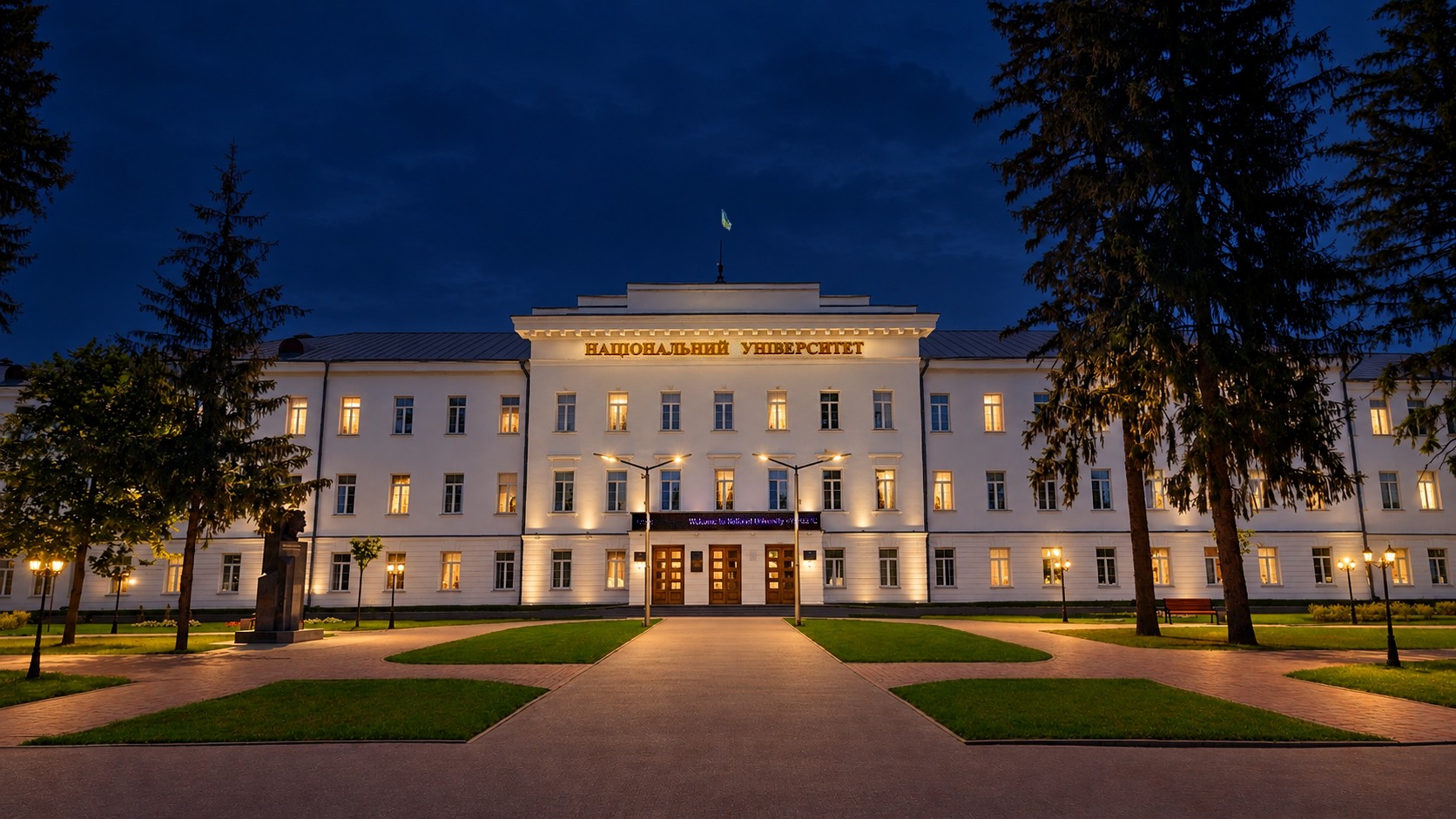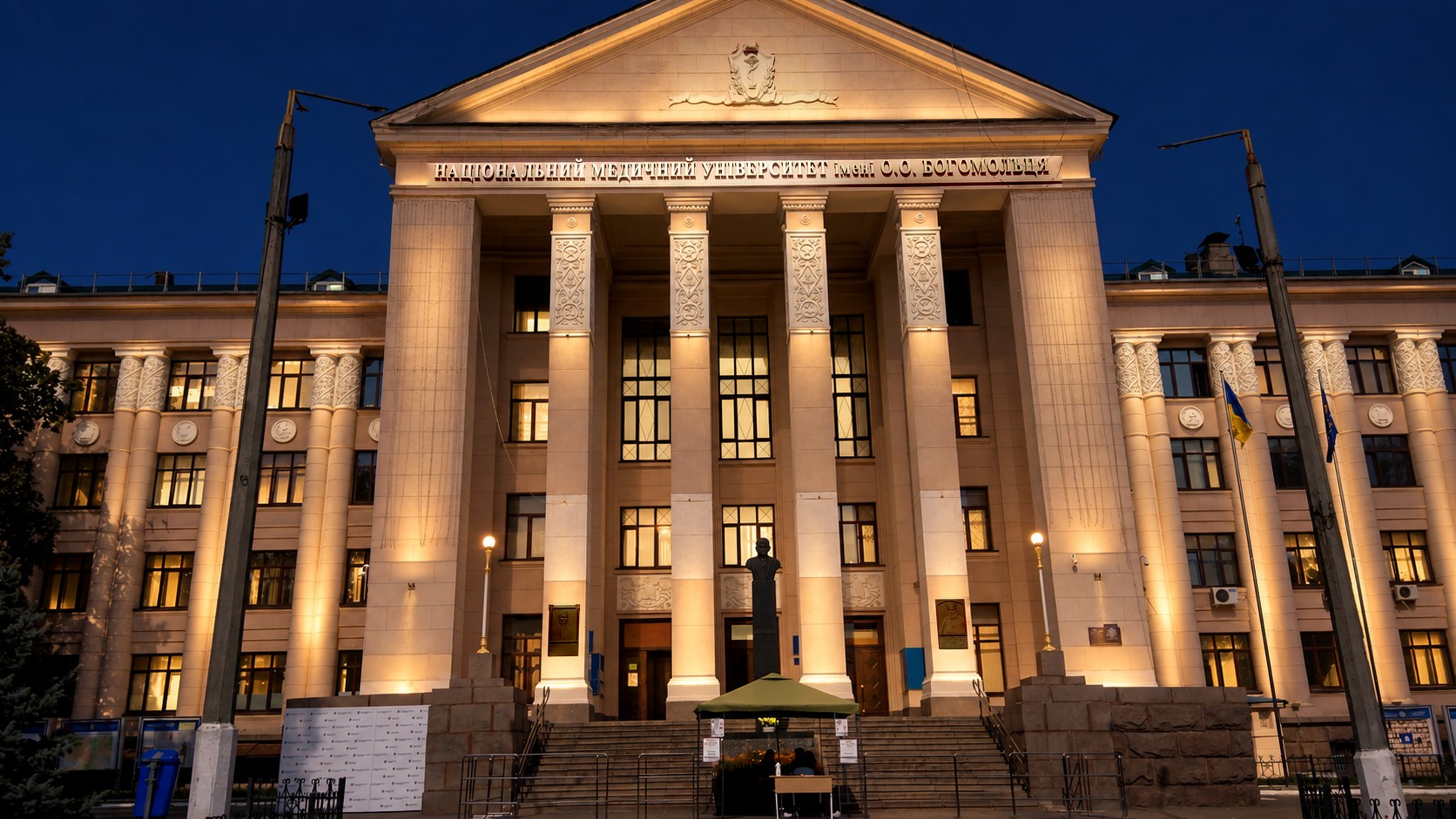
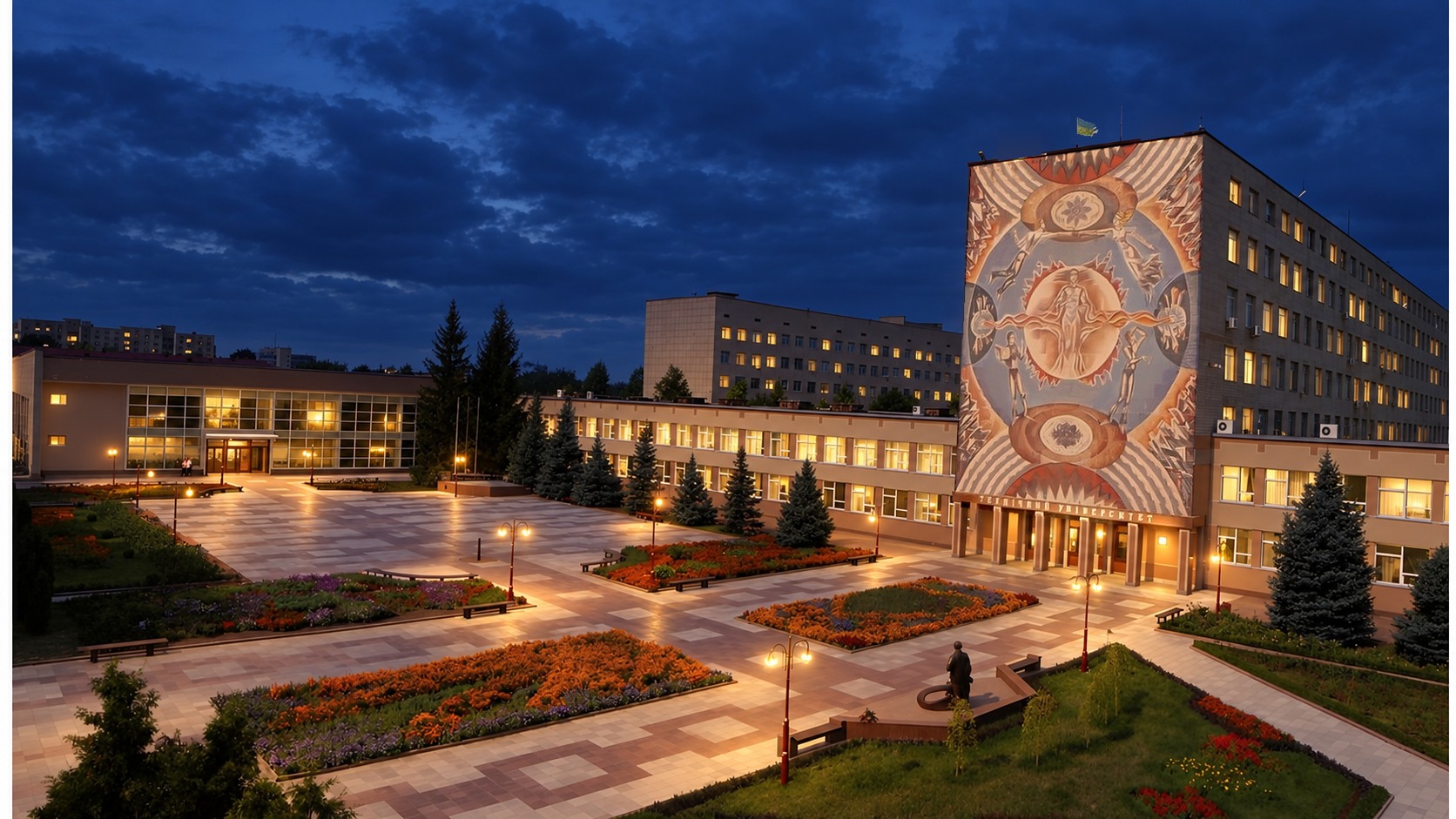

The story of the Central Ukrainian National Technical University begins with the relationship between education and the needs of work and production. In Kropyvnytskyi, formerly known as Kirovohrad, a long path developed, initially linked to engineering and agricultural machinery, and later expanding to technology, economics, construction, and energy. Therefore, studying this university provides students with an introduction to an education that connects machinery to the system within which it operates, rather than to an engineering discipline isolated from its applications. [1]
Clear Educational Roots and Institutional Stages
The university traces its educational roots to a school that began operating in 1870, and includes the establishment of an agricultural machinery institute in 1929. Key milestones include the creation of the Kirovohrad Institute of Agricultural Machinery Engineering in 1967, its transformation into a technical university in 1998, its attainment of national status in 2004, and the adoption of its current name in 2016. [1]
This sequence prevents reducing the history to a single, unexplained date. The educational roots are not necessarily the same as the history of the current university entity, and the expansion of programs reflects different stages of development. From the student's perspective, this history explains why mechanics, agricultural application, and production remain important elements of the institution's identity even after its expansion.
A System Integrating Land, Machinery, and Energy
The published structure includes an agricultural technical college, an economics college, a mechanical technology college, and a construction, transportation, and energy college. A center for foreign education and a graduate studies unit are also shown. These components provide a framework for exploring programs, while the degree name, language of instruction, and admission requirements require independent review. [2]
Imagine a course project to improve the efficiency of agricultural machinery: it would require an understanding of motion and materials, power transmission, energy consumption, and operating costs. This is an illustrative example of the interconnectedness worth exploring in the plan, not a description of a specific, mandatory project. A good program for students equips them with the tools to explain, measure, and test a solution, rather than simply providing a general technical description.
Economics as a Partner in Engineering Thinking
The juxtaposition of economic disciplines with engineering opens up broader questions: Is the solution manufacturable? What are the maintenance costs? How do the alternatives compare? It is beneficial for a technical student to develop the skill of reading tables and budgets, just as it is for a management student to gain an understanding of operations and production. These are complementary skills that students choose to develop through their courses, projects, and readings.
Resources for More Independent Study
The university offers a library, an electronic catalog, a scientific repository, and a distance learning platform. Its infrastructure includes student support centers, inclusive education centers, and career centers, along with an energy audit center and a university museum. These units help direct inquiries to the appropriate department, rather than assuming that every service is automatically available in the same way for all programs. [2][3]
Exploration can begin by reading a published project in the repository and then comparing its tools with what the student aims to learn. Maintaining a portfolio that includes engineering drawings, data analysis, or cost studies is also beneficial, as skill development becomes clearer when students document their accomplishments and areas for improvement.
Defining the Study Experience at Krupivnitsky
The university name is associated with the city, but the plan for access, accommodation, and attendance depends on the university's current arrangements. Before committing, written information is required about teaching and laboratory facilities, course delivery methods, assessment language, and program-related training. These details should not be inferred from campus photos or previous descriptions of student life.
Reading this university's profile is suitable for students who want to understand technology within its productive and economic context. The picture becomes clearer when the student links their choice to a specific track: machine engineering, operations management, or construction and energy, and then compares the courses and actual outcomes of that track. By following these steps, industrial history becomes the starting point for a specific and well-informed study decision.
Sources and references
- Source 1 · kntu.kr.ua
Original source title
التاريخ الرسمي للجامعة - Source 2 · kntu.kr.ua
Original source title
البنية التنظيمية والأكاديمية - Source 3 · kntu.kr.ua
Original source title
الموقع الرسمي للجامعة