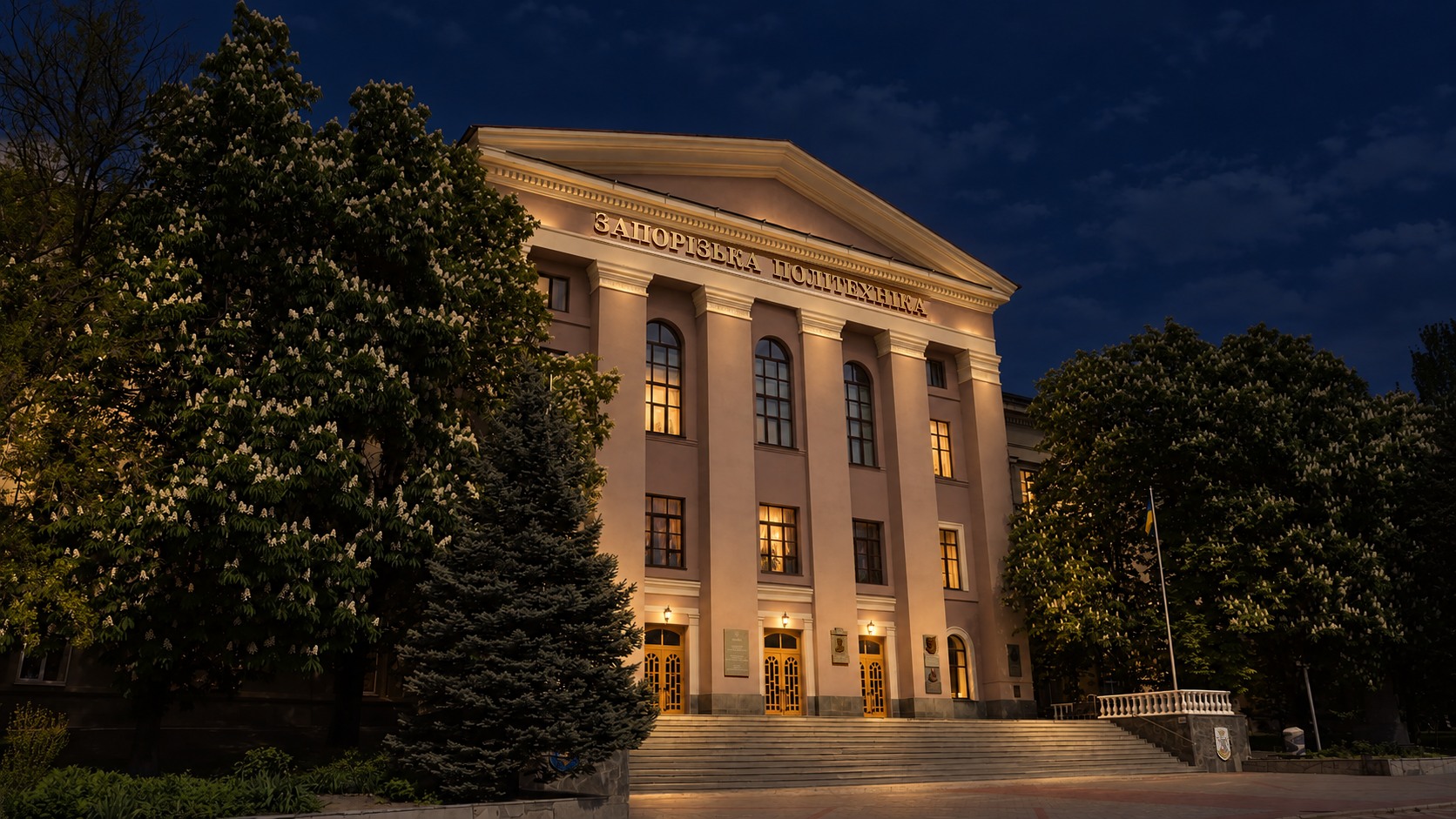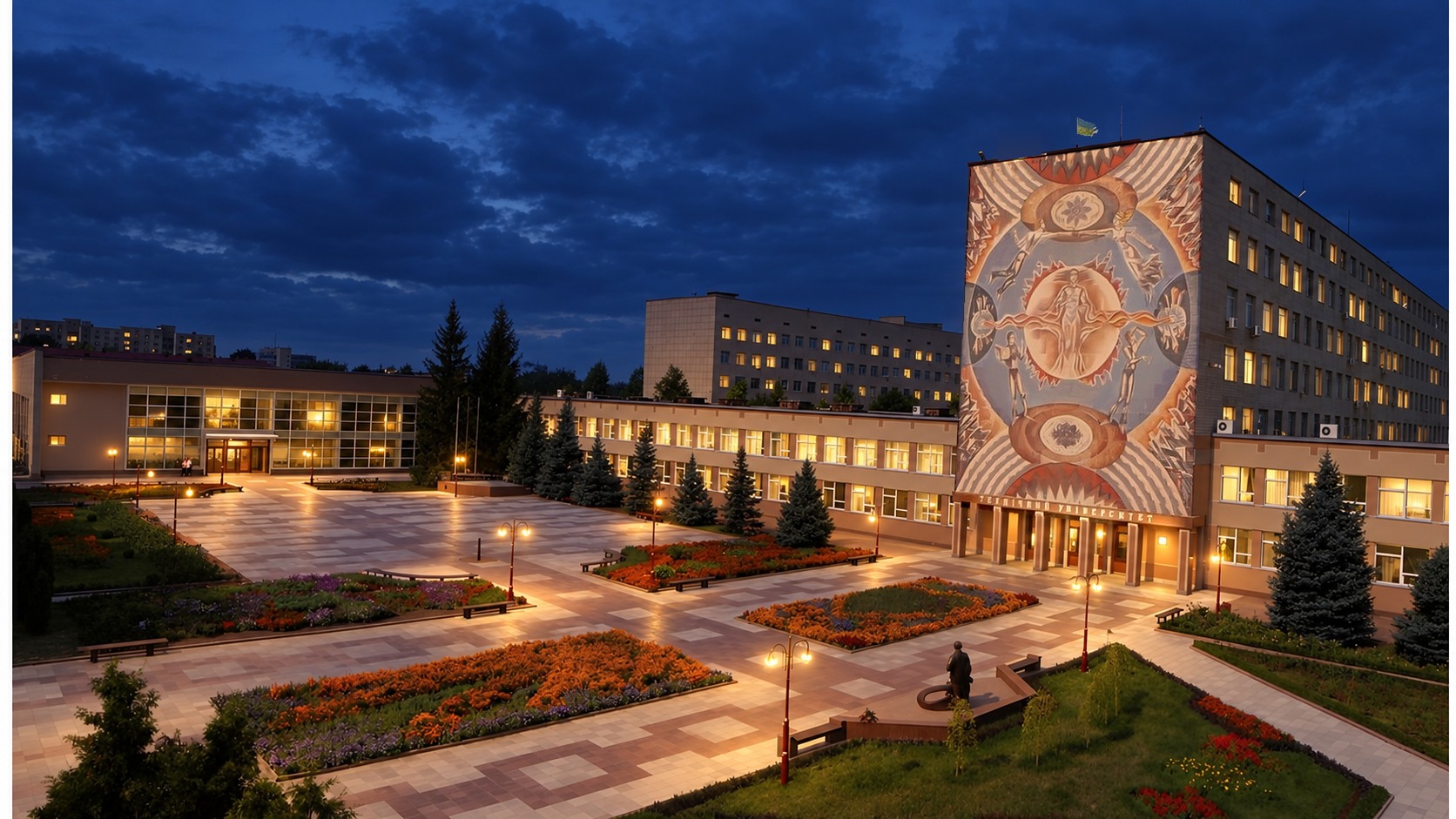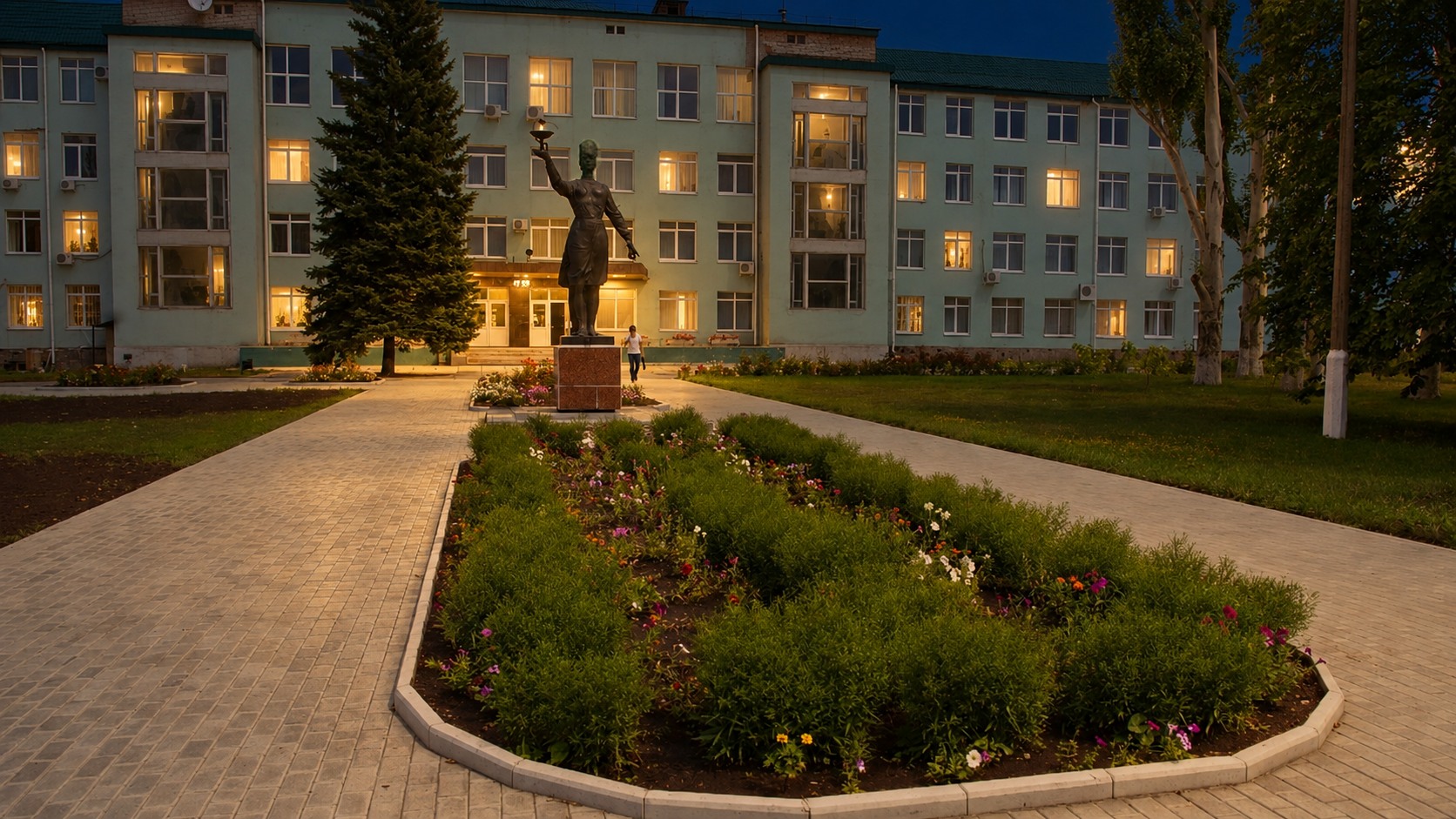
In some universities, the building itself becomes the starting point of the story. The Yuri Kondratyuk Poltava Polytechnic University tells a history that combines an educational heritage dating back to an institute founded in 1818 with the beginning of its modern engineering path with the establishment of the Institute of Construction and Agricultural Engineering in 1930. There is a significant difference between these two dates: the first explains the heritage of the place, while the second marks a pivotal moment in the development of the technical institution. [1]
From Construction to a Multidisciplinary University
The official history records the institution's transformation into a technical university in 1994, its renaming to Yuri Kondratyuk University in 1997, its attainment of national status in 2002, and finally, the adoption of its current name, Poltava Polytechnic University, in 2019. These milestones illustrate how an institution with engineering roots expanded into more diverse fields of study. [1]
This sequence makes reading about the university appealing to architecture and construction students, but it doesn't limit it to those disciplines. Studying the institution's development helps to understand how technical sciences can intersect with economics, law, and the humanities, and how the university can become a space for the exchange of ideas across different disciplines.
Architecture as a Subject for Understanding
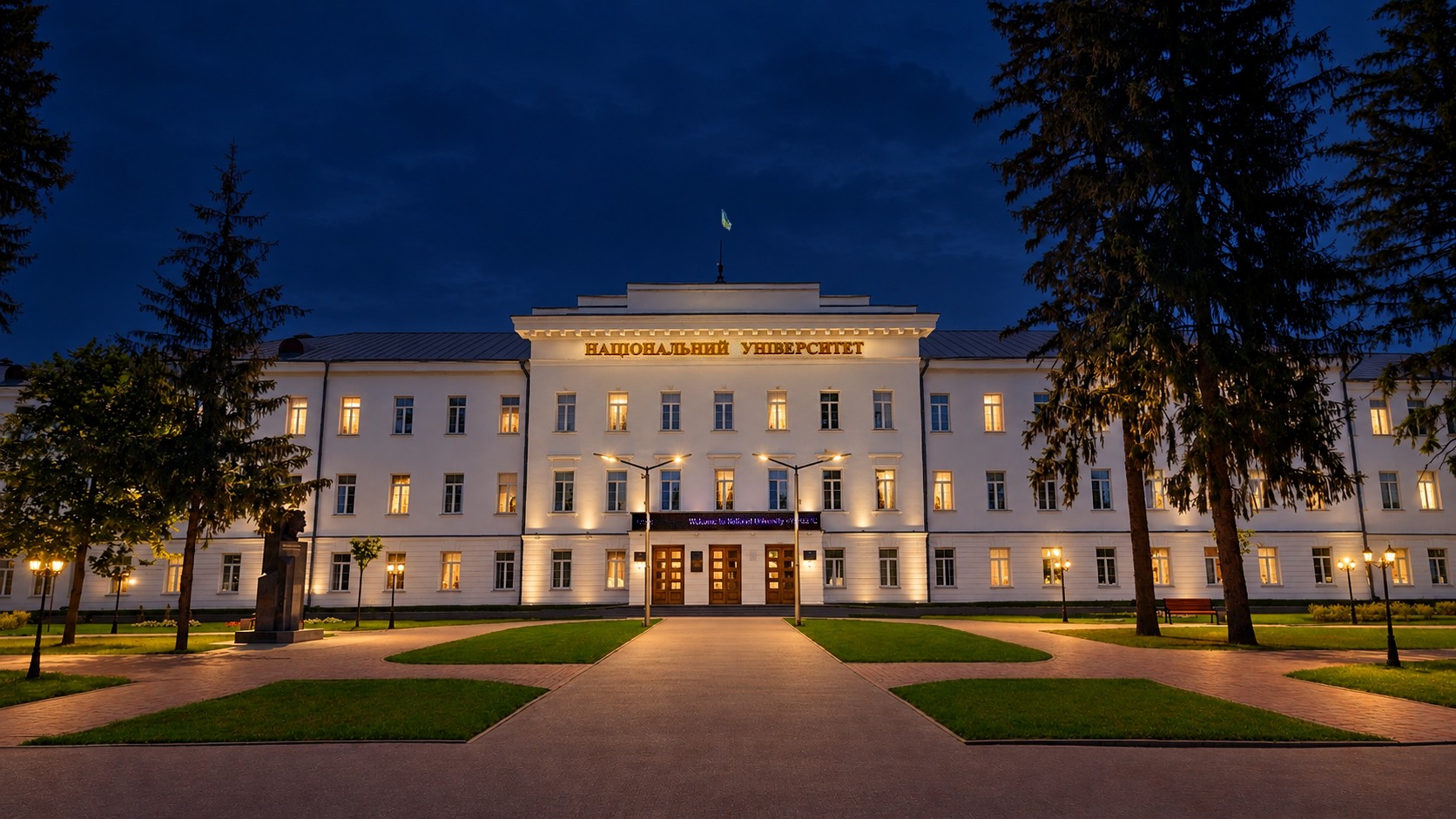
The university describes its historic building as part of Poltava's architectural landscape. This heritage can be visually interpreted through its composition, proportions, and the relationship between the building and its educational function. It is a valuable cultural context for understanding the institution, not a promise of a tourist program or field training within a specific building. [1]
For a design student, observation can begin with the question: How has the building's use changed over time? How does the designer address the identity of an ancient place and contemporary requirements? These are clarifying educational questions that encourage the development of a critical sense, whether through documented images, historical research, or activities permitted by the program's arrangements.
Innovation Requires More Than a Good Idea
The OECD Innovation Policy Base showcases the university's Startup School initiative, highlighting a focus on organizing the development of ideas and projects. This is understood as an institutional initiative, not a guarantee of funding or the establishment of a successful company for every student. [2]
Students can leverage this concept to train themselves in moving from problem to test: identifying a user in need of a solution, developing an initial concept, and then examining the cost, feasibility, and feedback. The project may be technical, service-oriented, or design-based. The most important thing is to document the assumptions and not confuse liking an idea with proving its usefulness.
A Documented Example of Academic Mobility
In May 2026, the university announced an Erasmus+ ICM call for applications to study at Burgenland University of Applied Sciences in Austria during the fall semester of 2026/2027. This call was directed at specific categories of undergraduate and graduate students in the Institute of Finance, Economics, Management, and Law. The call included a deadline, academic and language requirements, and a course comparison. [3]
This example illustrates that international cooperation may become a specific opportunity with defined conditions, rather than being offered as an open invitation now. Students interested in exchange programs benefit from preparing their academic records and language plans well in advance and then following official announcements. It is also essential to understand which partner courses will be credited before any transfer.
Planning for Current Studies
The official website lists the university's address in Poltava, but the location of each course and lab, as well as the attendance method, requires up-to-date confirmation. International students are required to specify the program name, language, admission requirements, and degree awarded, and then link their accommodation and commuting to the actual location of the institution, not just the historical building. [4]
Poltava Polytechnic University combines a place with clear educational roots, an engineering trajectory that has evolved into a larger university, and established examples of innovation and exchange. Students can translate these elements into an informed choice by determining what they want to learn, how they will measure their progress, and which program within the institution best suits their goals.
Sources and references
- Source 1 · nupp.edu.ua
Original source title
التاريخ الرسمي لبولتافا بوليتكنيك - Source 2 · stip.oecd.org
Original source title
OECD: مبادرة مدرسة الشركات الناشئة - Source 3 · nupp.edu.ua
Original source title
دعوة بورغنلاند المؤرخة في مايو 2026 - Source 4 · nupp.edu.ua
Original source title
البوابة الرسمية الحالية