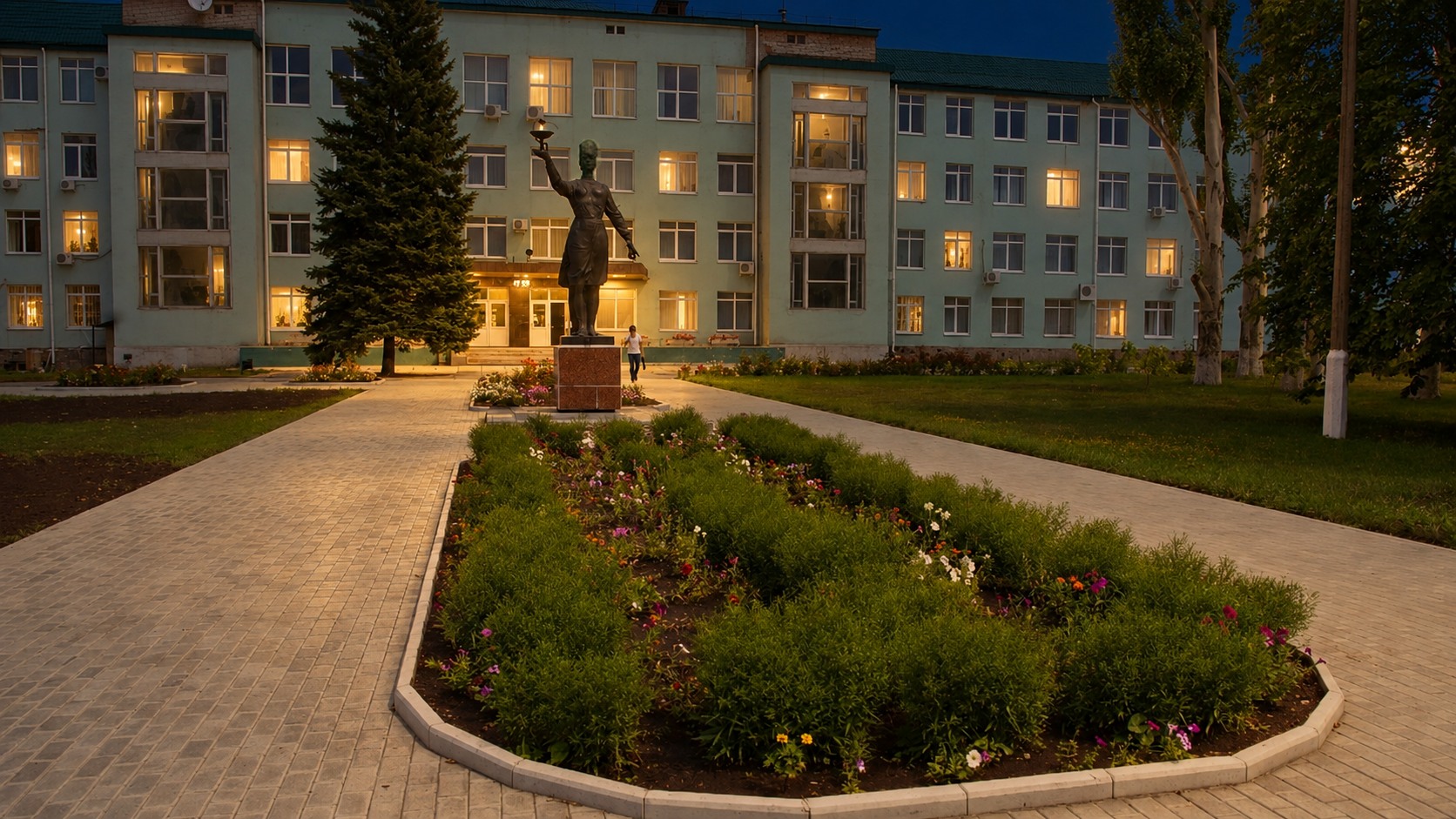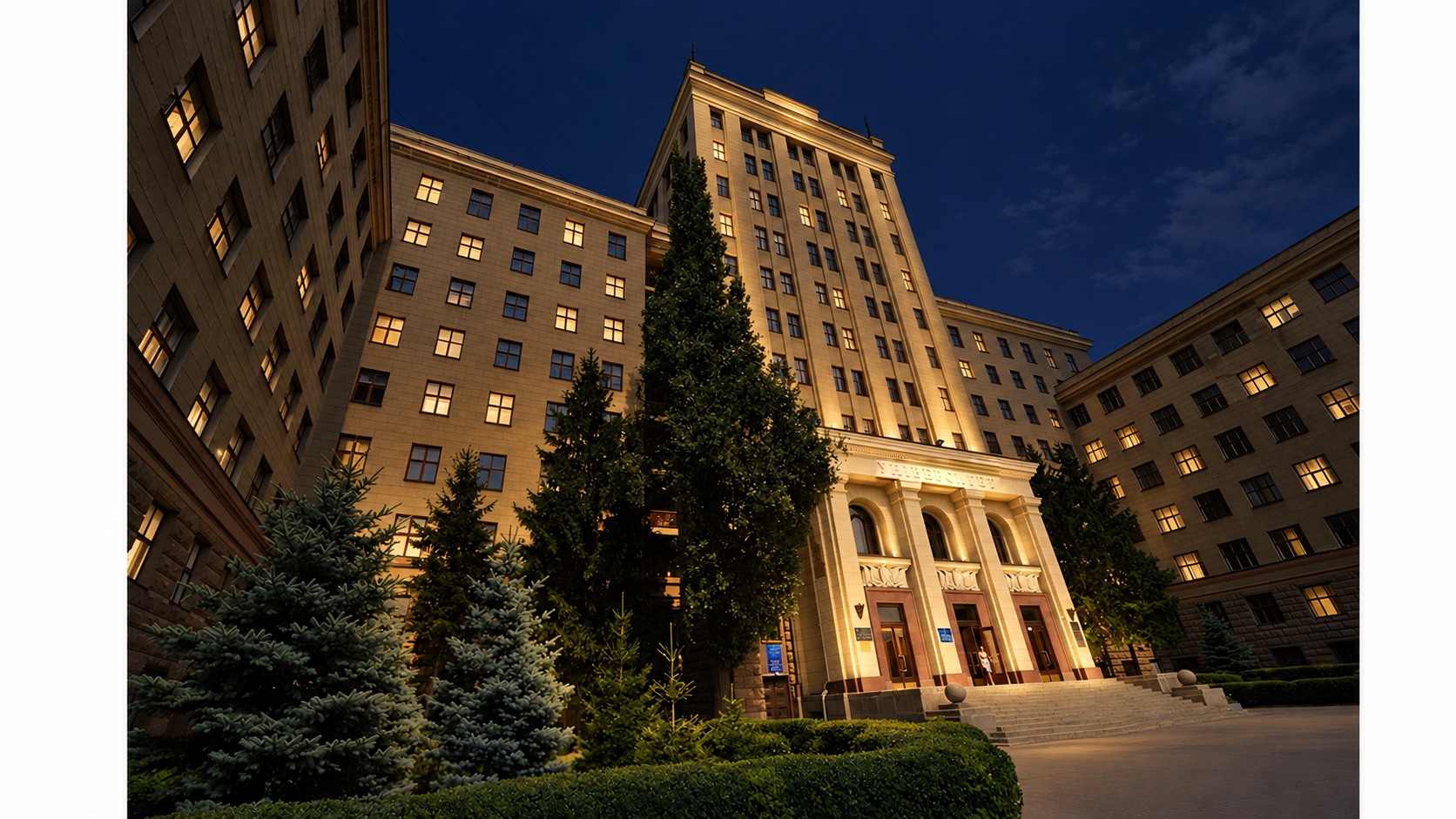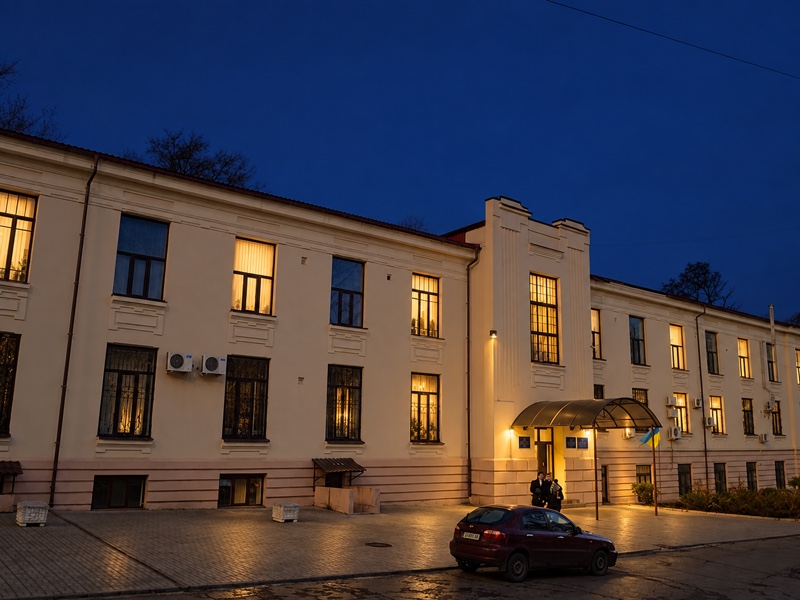
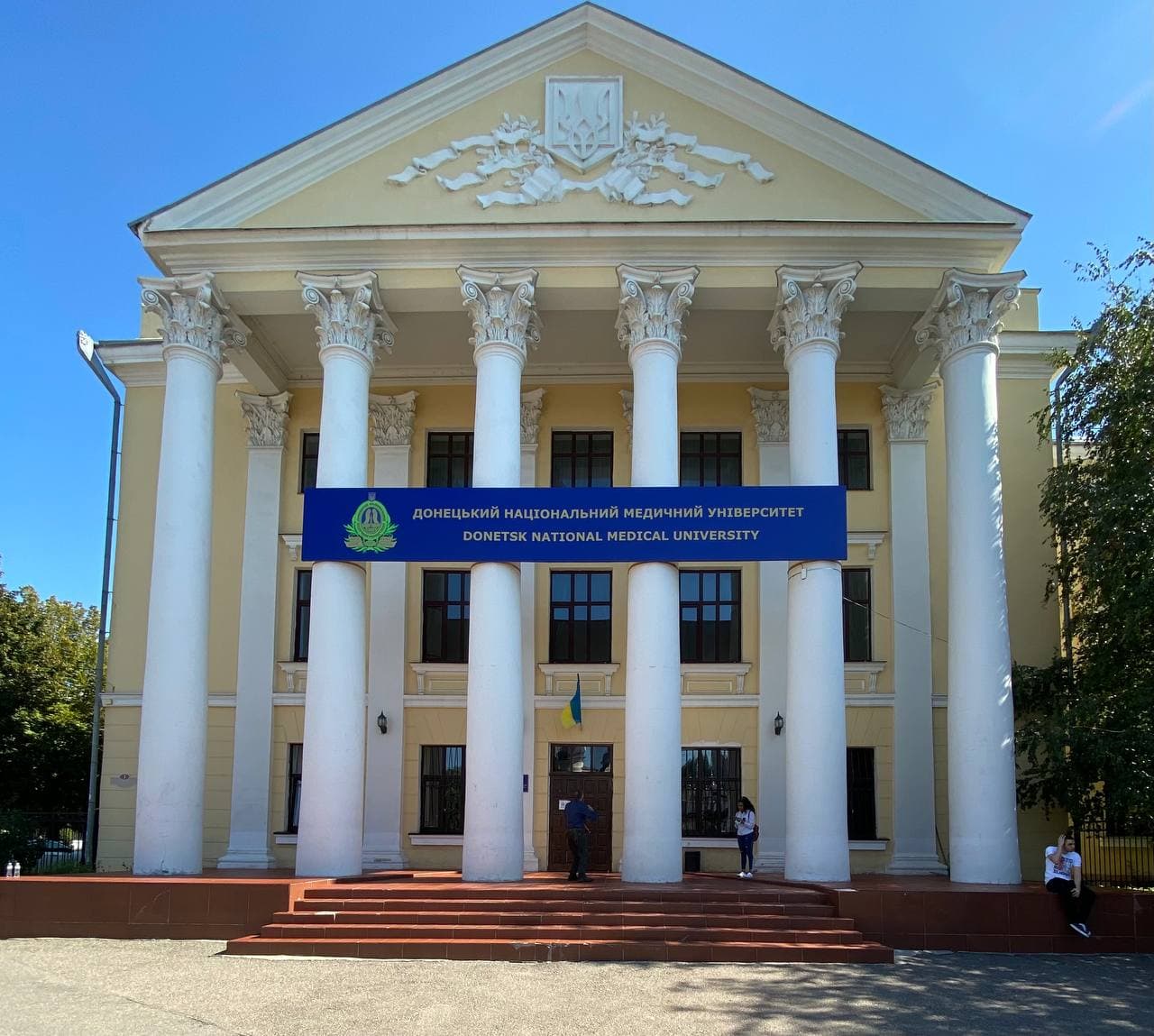
Donetsk National Medical University presents a model of an institution whose identity is centered on preparing healthcare professionals. Its website lists medicine, pediatrics, dentistry, and pharmacy, along with postgraduate education, research units, and training programs. Reading its profile begins with this clear focus, distinguishing between the university's historical name and the locations of study, which must be confirmed for each current program. [1]
History Read Without Confusing Current Location
Introductory references trace the institution's origins to 1930 and mention its transition from institute to university status during the 1990s. This information provides historical background; details of the current location and operations cannot be inferred from outdated references or available images. Therefore, the student profile retains the official name and degree-granting institution and requires a separate statement regarding the place of study and training. [2]
This approach is particularly useful when transferring from another university. The criteria are not merely similarity in faculty name, but rather the alignment of learning outcomes, required hours, and practical training. Organizing documents from the outset helps provide a clearer academic assessment: transcripts, course descriptions, practical hours, language of instruction, and any completed exams.
A Multi-Level Medical Academic Environment
The current structure includes two medical schools, a pharmacy and dentistry school, and a scientific and educational institute for postgraduate studies. The lists include departments for basic sciences, surgery, internal medicine, pediatrics, rehabilitation, and psychiatry. This structure describes the areas within the institution but is not treated as an automatically open list of programs for every nationality and cohort. [1]
Students can begin by comparing the skills they want to acquire. In medicine, they need to understand clinical evidence and communicate with patients; in pharmacy, they need to relate drug properties to their use; and in dentistry, they need to develop manual dexterity and treatment planning. Reading about practical assessment methods is just as helpful as reading about course titles.
Research Beyond the Lecture Hall
The portal includes a library, an interdepartmental training center, a student scientific society, and an institute for trauma and orthopedic research. These units provide guidance on research and supervision inquiries, without assuming that all facilities or activities are equally accessible to students at all locations. [1]
A published example of scientific activity is a 2022 study on emergency obstetric care training, involving researchers affiliated with Donetsk and Bogomolets. The value of this example lies in highlighting research within medical education itself, not in offering a therapeutic outcome or training promise to the applicant. [3]
For a first-year student, scientific participation might begin with a structured critical reading or a presentation of a research problem. As experience develops, a suitable supervised project can be undertaken, adhering to ethical approvals and refraining from collecting individual patient data without authorization.
Study Location: An Essential Part of Quality Planning
The website includes links to clinical bases in Kropyvnytskyi and other regions, while the contact page contains administrative information and addresses that are insufficient to confirm the program's location. Therefore, the university is required to provide up-to-date confirmation specifying the theoretical and practical teaching, training locations, and attendance system. This article does not provide a description of accommodation or transportation based on an existing campus. [1][4]
Clinical language, national examinations, and country-of-practice requirements are reviewed in a separate document. Completing a university degree and obtaining a professional license are two distinct steps, each with its own institution and requirements. This chapter helps students develop a clearer plan from the outset, without diminishing the value of their academic experience.
Donetsk National Medical University stands out as a healthcare institution with interconnected pathways between basic education, specialization, and research. Reading about it is most beneficial when this image is translated into a specific program, up-to-date documentation, and realistic expectations regarding the skills students will acquire and how they will apply them in the future.
Sources and references
- Source 1 · dnmu.edu.ua
Original source title
الموقع الرسمي للجامعة - Source 2 · en.wikipedia.org
Original source title
مرجع ثانوي للتاريخ المؤسسي - Source 3 · pubmed.ncbi.nlm.nih.gov
Original source title
دراسة منشورة في 2022 - Source 4 · dnmu.edu.ua
Original source title
الاتصال الرسمي