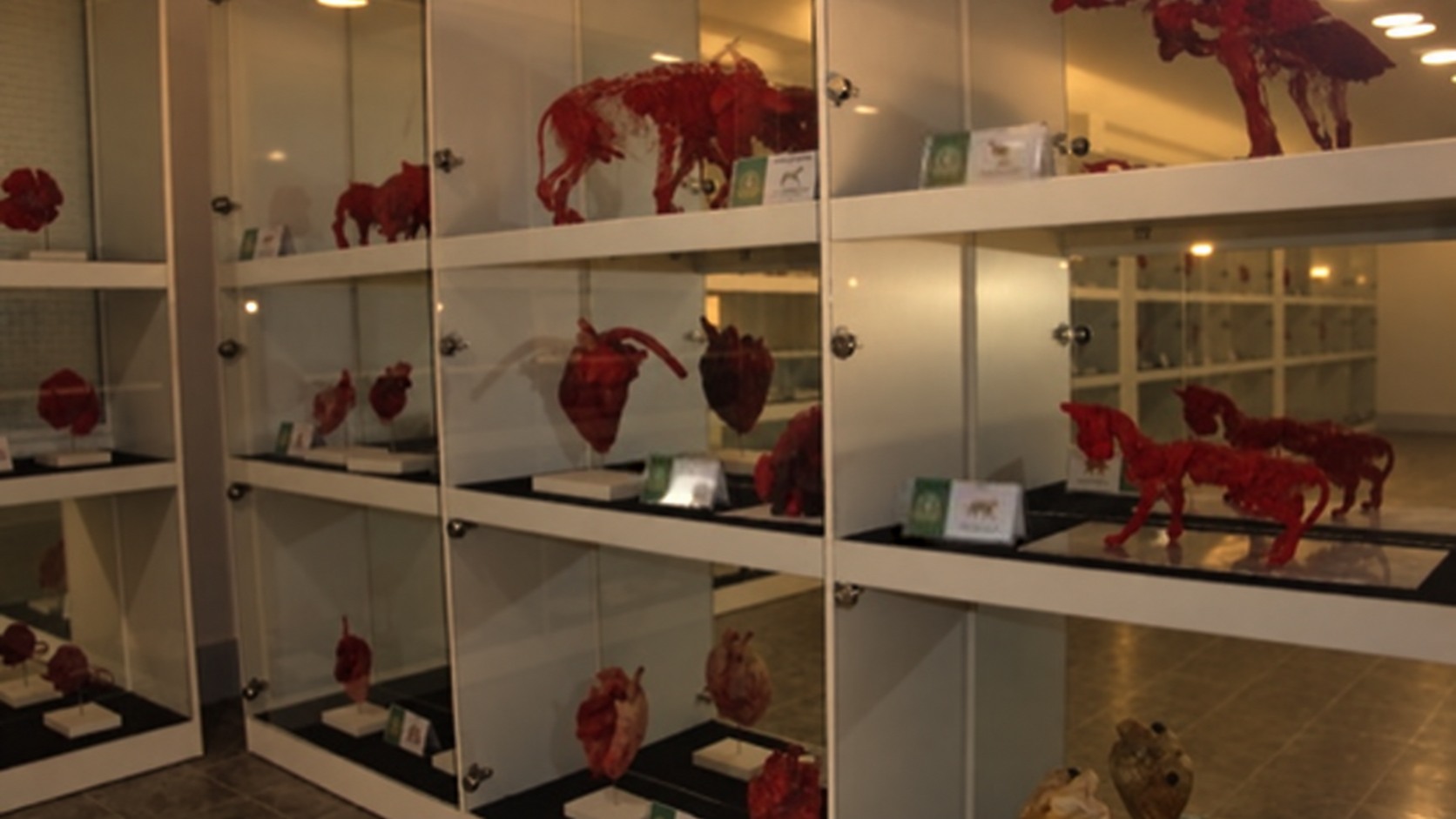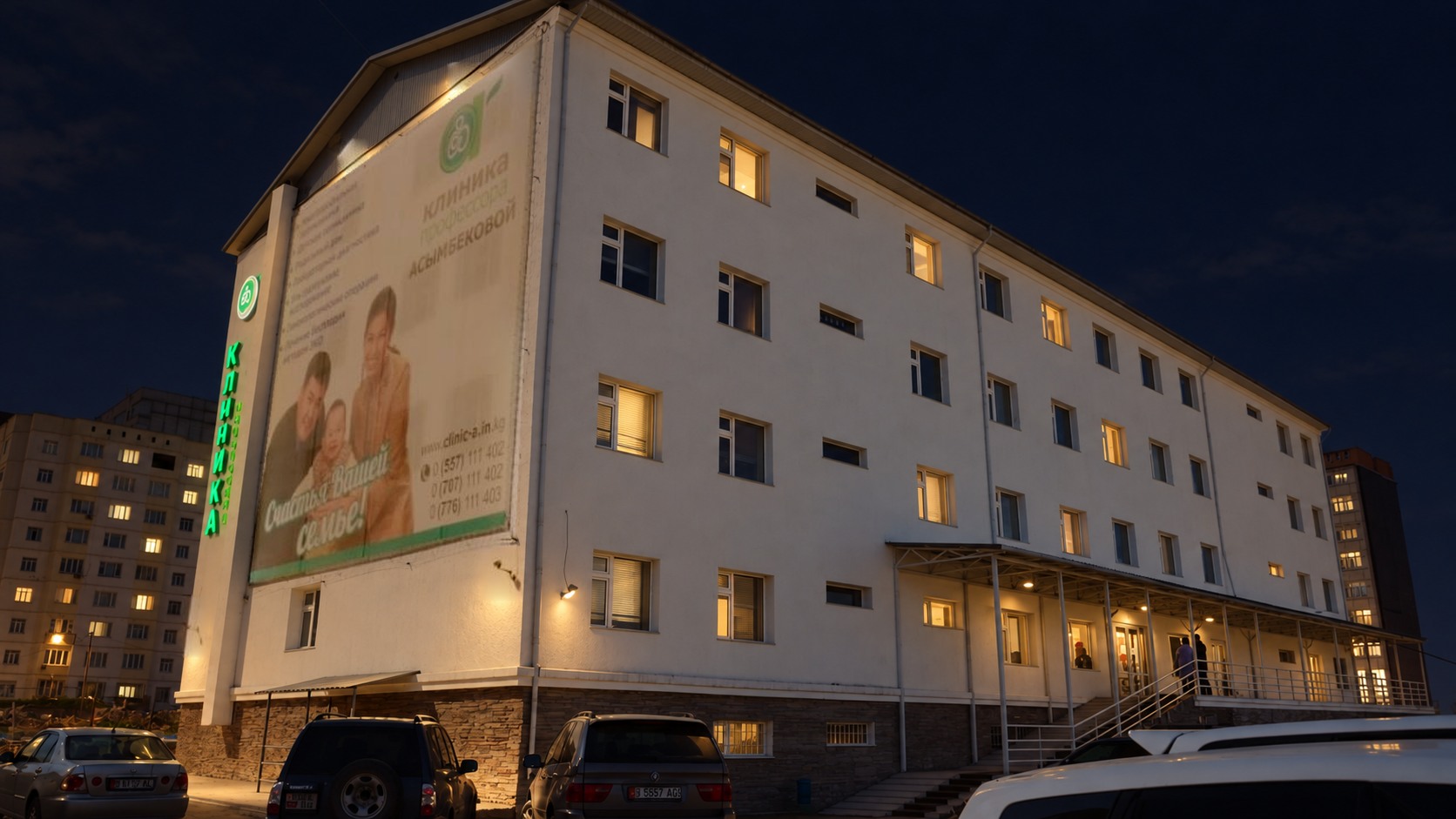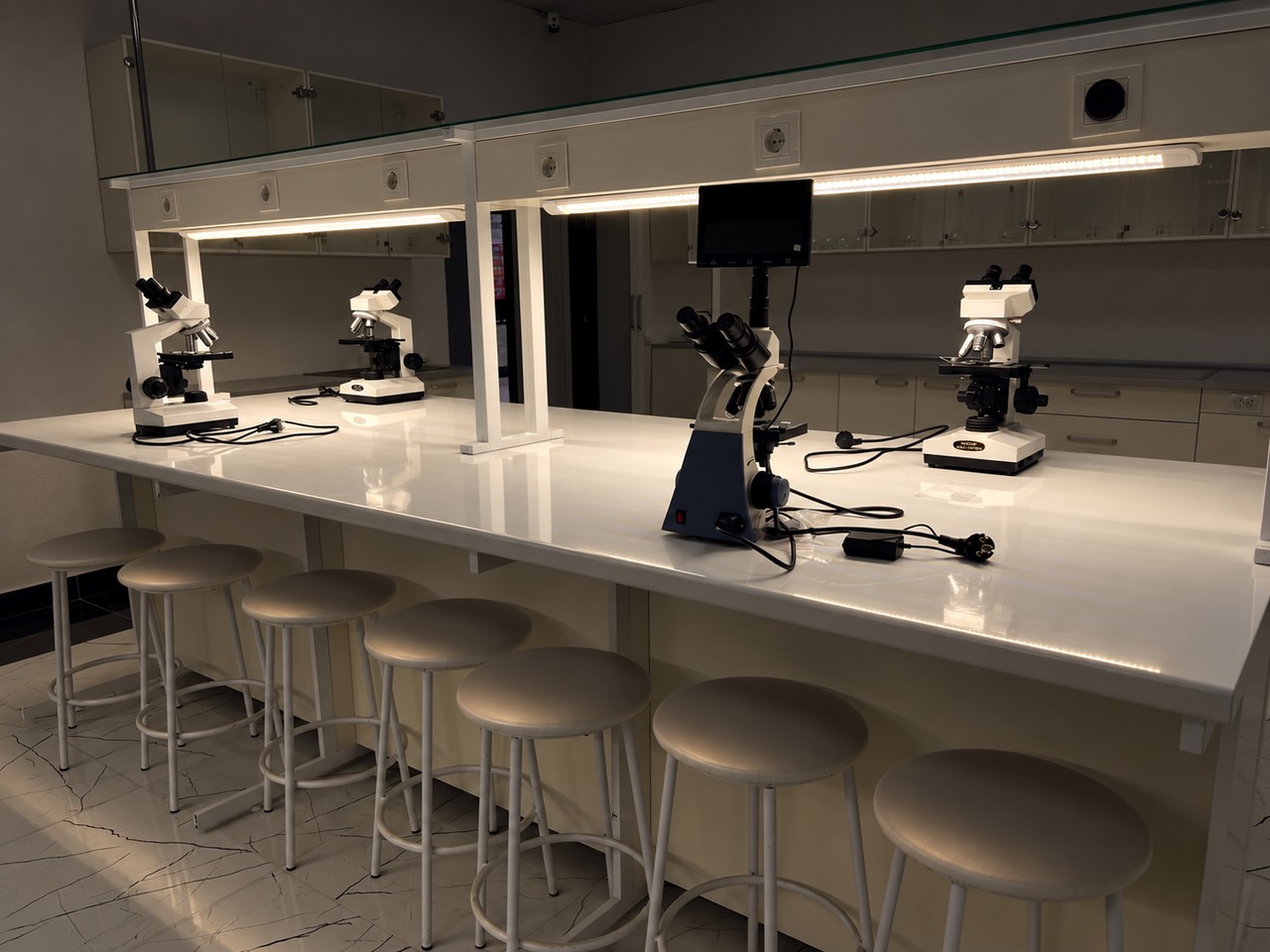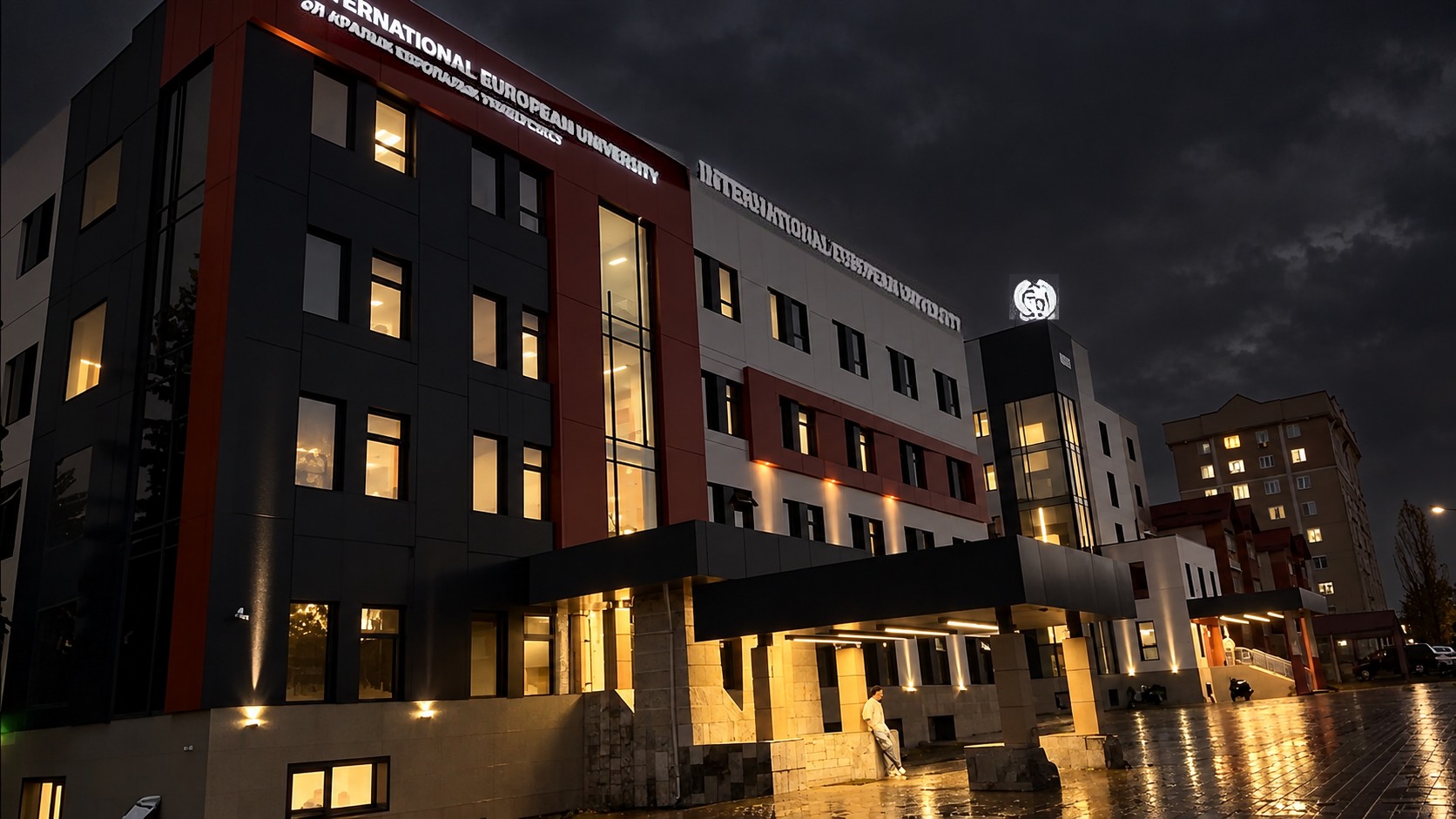

The International Medical University of Bishkek (IMU) places the relationship between education and healthcare at the forefront of its self-definition. Founded in 2016, the institution welcomed its first general medicine students after receiving its educational license in 2017. From the outset, it presented itself as a medical university, not a college that later became a health-related program within a public institution. [1]
Which university uses the abbreviation IMU?
This refers to the International Medical University in Kyrgyzstan, whose stated location is on Isakiev Street in Bishkek. It is not the Malaysian IMU, nor is it the Ibn Sina International Medical University, which uses a similar abbreviation in some materials. Specifying the country and the full name prevents confusion between three different academic identities. [1, 2]
Students benefit from writing the institution's name and program exactly as they appear on official documents and using them in all admission correspondence. This simple step ensures that the information gathered is linked to the correct institution, especially when abbreviations appear repeatedly in search results.
University Clinic and Health Map
The website displays general medicine, dentistry, and pharmacy, as well as sections on internal medicine, family medicine, surgery, pediatrics, obstetrics and gynecology, basic sciences, and public health. It also links to the university clinic and clinical training facilities. [2]
This map allows for an understanding of health education as an interconnected process. A problem a student encounters in a lecture may require an anatomical, pharmacological, or social explanation, and may involve more than one specialty. The ability to follow these connections helps build an understanding that remains useful after exams.
The “University and Clinic” Model
The university uses this model to present its history and mission. It can be interpreted as an approach to bridging theoretical knowledge with practice, with the need to refer to the plan to see how each student actually benefits from clinical resources. [1]
The benefit lies not only in the presence of a medical case, but also in how it is presented and discussed. What does the student know before the activity? What do they observe? How do they receive correction for their mistakes? When these stages are clear, training becomes a progressive learning process, not just observation or attendance.
Digital Learning and Reading
The website connects to an e-learning platform, an online library, and a scientific newsletter, showcasing research papers, conferences, and student activities. These channels help create a learning environment that extends beyond lecture time. [2]
Students can establish a weekly reading habit: selecting a question from the syllabus, searching for a suitable source, and then summarizing their understanding in simple language. Research literacy is not measured by the number of titles read, but by the ability to distinguish between information and conclusions, and to understand the scope of the study being read.
Multilingual Environment
The university states that instruction may be in Kyrgyz, Russian, or English, depending on the program. This is a helpful statement because it links the language to the specific track, not the entire institution. The language of examinations and clinical phases requires further clarification regarding the program chosen by the student. [2]
Living in Bishkek offers the opportunity to learn a local language alongside the academic language. This skill begins with everyday communication and respecting customs, then progresses to more specialized vocabulary. Clinical training remains a professional responsibility requiring patient understanding and appropriate supervision, regardless of the language of the textbook.
Activities that Foster a Sense of Belonging
The website showcases creative, scientific, and athletic clubs, as well as a student council, and its news feed documents student conferences and cultural events. International participation or exchange programs are understood as opportunities with specific requirements, not a guaranteed part of every admission. [2]
This university is worth considering for those seeking a health education at a modern institution that emphasizes clinical practice. The selection process should be completed by reviewing the program's accreditation, training, language proficiency, and recognition in the country of practice, along with accommodation, budget, and a plan for settling in during the study years.
Sources and references
- Source 1 · imu.edu.kg
Original source title
تاريخ الجامعة الطبية الدولية - Source 2 · imu.edu.kg
Original source title
الموقع الرسمي للجامعة - Source 3
Original source title
ملف UNIVEX المرجعي المؤسسي