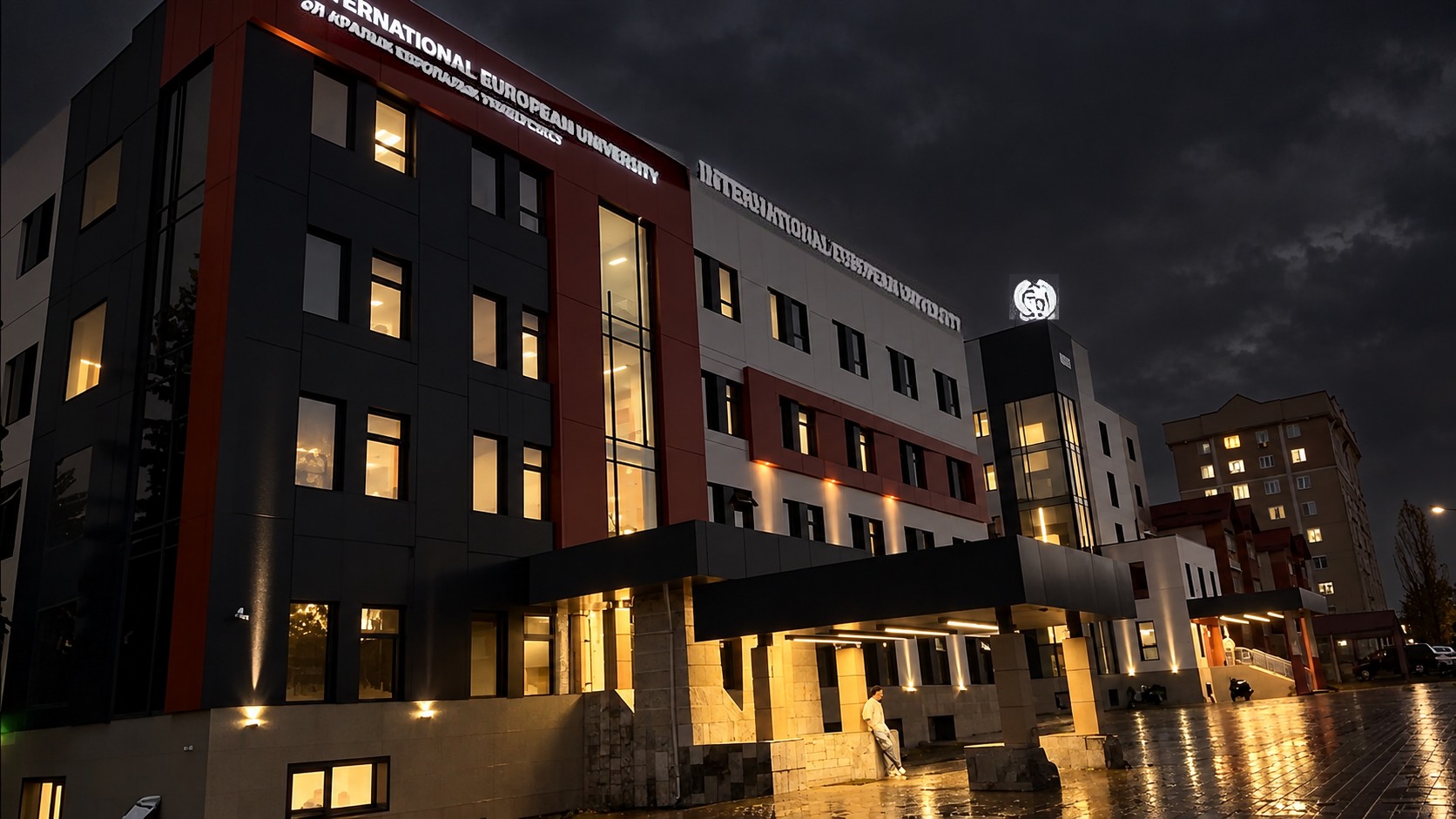
The first thing to note about the University of South Asia is its location: Tokmok in the Chuy region of Kyrgyzstan, not Bishkek, nor one of the universities with the same name in Pakistan or Bangladesh. This specificity gives the profile its character; here, the student is seeking a medical experience associated with a city other than the capital, and needs to build their understanding of life and studies accordingly. [1, 2]
Educational Address and Specific Identity
The university publishes its address as Gagarin Street in Tokmok, and the reference record indicates that medical education began in 2023. The start date of instruction should not be considered a legally established year without supporting documentation. [1]
This precision helps in comparing modern institutions. The question is not just when the name appeared, but when the program began, what its curriculum is, and which institution awards the degree. When the student knows these elements, they can read subsequent information in its proper context.
Three Published Tracks
This page presents general medicine in a six-year track and a five-year track, and dentistry in a five-year track. Each track is reviewed according to entry requirements, training structure, and final grade, as variations in duration may be related to significant academic or organizational differences. [2]
Students can begin with their career goals and then return to the program, not the other way around. If the institution they are seeking accreditation from requires specific training, duration, or attendance patterns, aligning with these elements becomes part of the selection process from the outset. This review safeguards the value of the effort invested throughout the studies.
Simulation and Clinic in the University Presentation
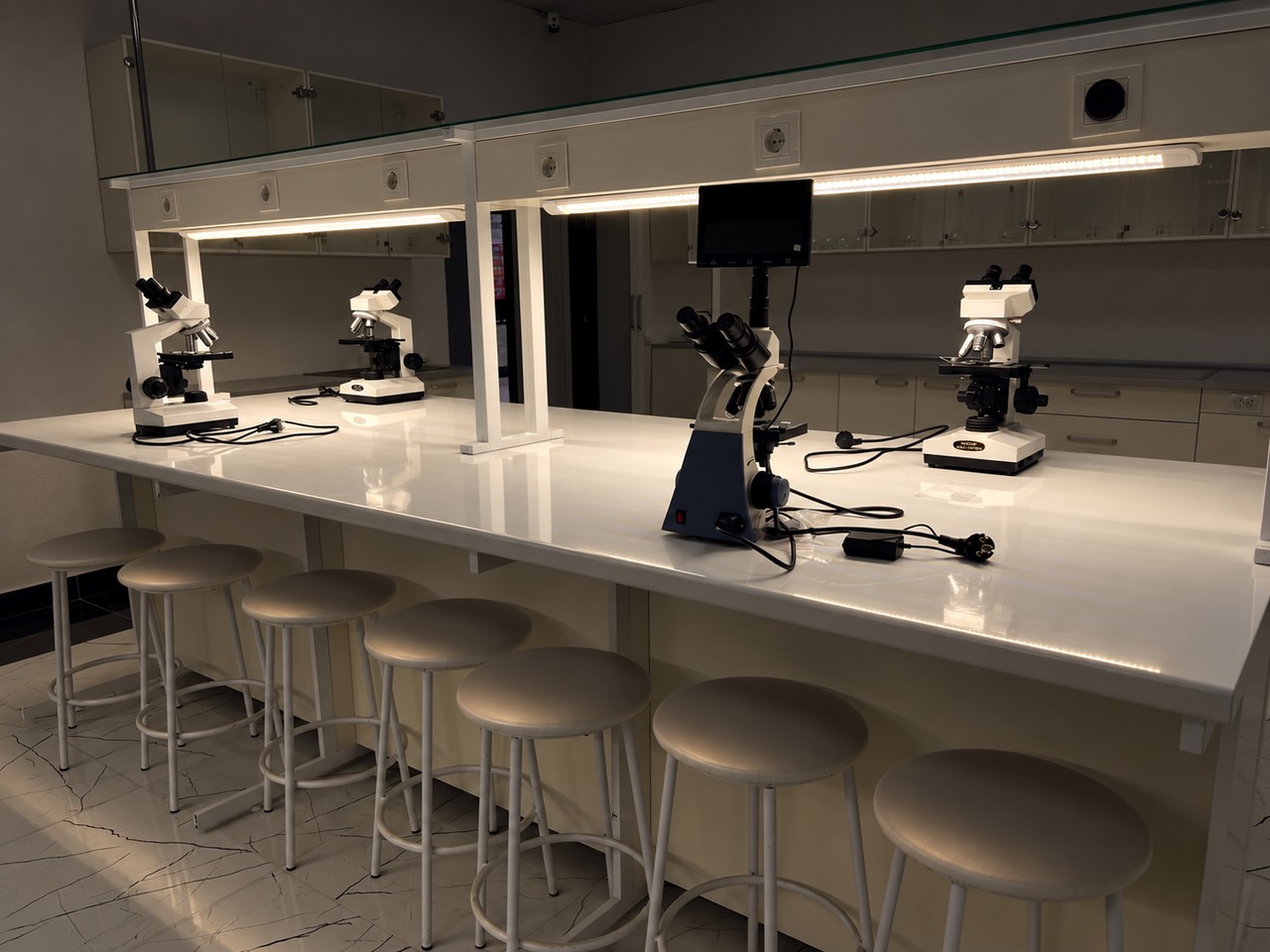
The university highlights its clinic and simulation center among its resources, and showcases a student resource center, psychological support, a passport and visa department, and e-services. These specific features help visualize the daily teaching and service, emphasizing how they can be utilized within the chosen program. [2]
Simulation has educational value when it allows for repetition of skills and the acquisition of clear feedback. Students can approach it as an opportunity for structured learning: understanding the steps, performing them, and then reviewing the cause of errors and how to correct them. Clinical practice, on the other hand, requires supervision and defined roles that are appropriate to the level of training.
Tokmok Is Not an Alternative to Bishkek
Choosing a city outside the capital means that accommodation and transportation planning begins with the study locations in Tokmok. Images of Bishkek or its services should not be used to give the impression that the campus is located there. Actual distances, training locations, and daily needs should be reviewed before arranging accommodation. [1]
Life in a smaller city can create an experience focused on university routines and ongoing relationships, but this varies depending on the accommodation and the student's personality. It is best to envision a typical week: lectures, studying, shopping, sports, and connecting with family, not just the day of arrival.
Activities with Educational Impact
The University News documents scientific, cultural, and sporting events throughout 2026 and features pages for research, collaboration, and official representation. Announcements of partnerships or activities are to be understood as information about the institution, not as a guarantee of a scholarship or transfer to another university. [2]
Students can utilize this space by presenting a scientific topic, joining a sports team, or helping to organize an event. The activity becomes more valuable when it teaches clear responsibility: time management, documentation, or teamwork, rather than simply attending.
Language of Instruction and Track Review
The archive records English for the five-year medical track and English and Russian for the six-year track, with confirmation of the actual language of instruction, exams, and training. The program and cohort's current accreditation status is reviewed by the relevant authority. [1]
South Asian University deserves separate consideration as an institution in Tokmok that focuses its offerings on medical education, simulation, and student services. The picture is complete when the program details and location align with the student's expectations and career plan.
Sources and references
- Source 1 · usa.com.kg
Original source title
ملف UNIVEX المرجعي المؤسسي - Source 2 · usa.com.kg
Original source title
الموقع الرسمي للجامعة