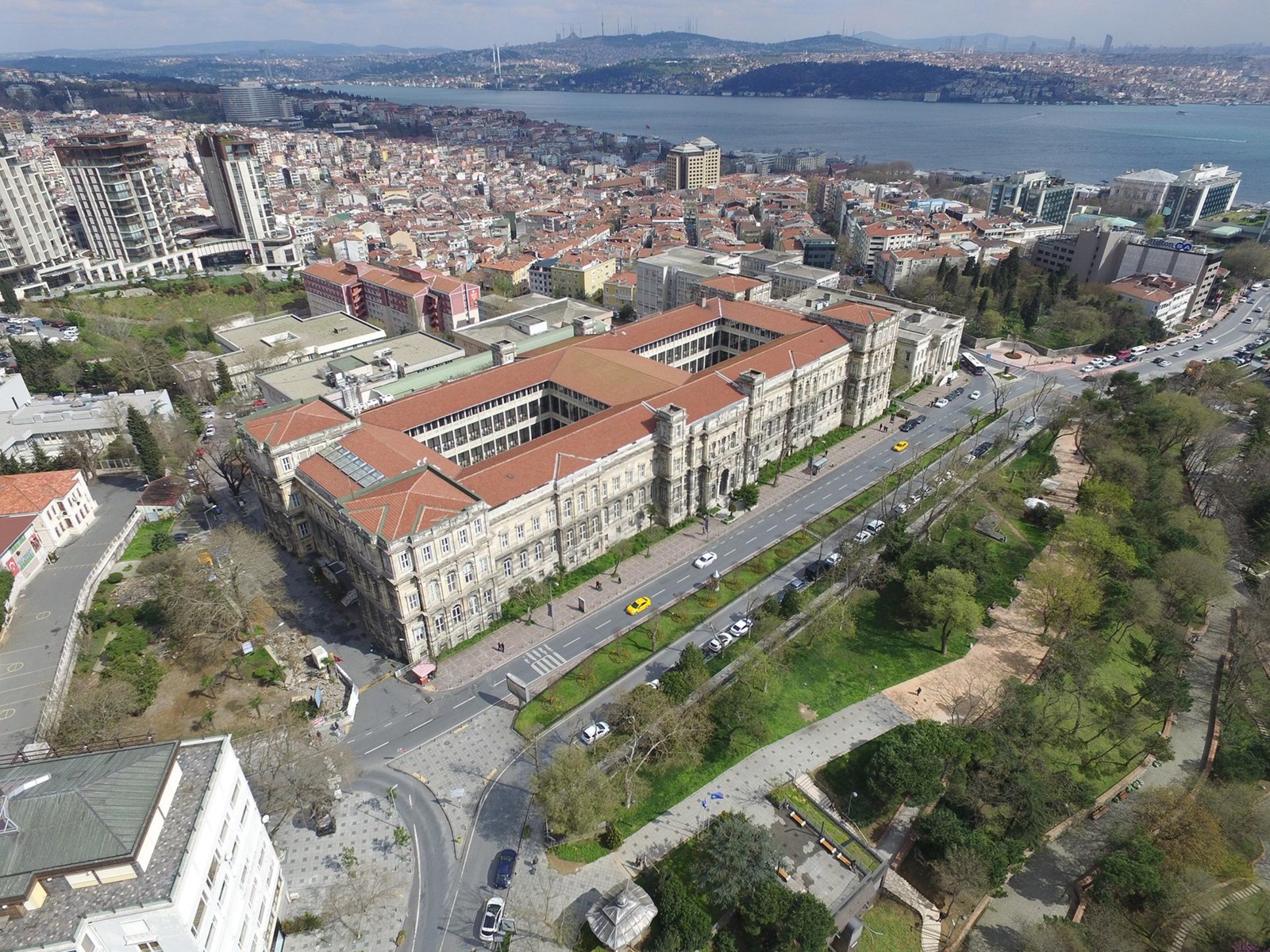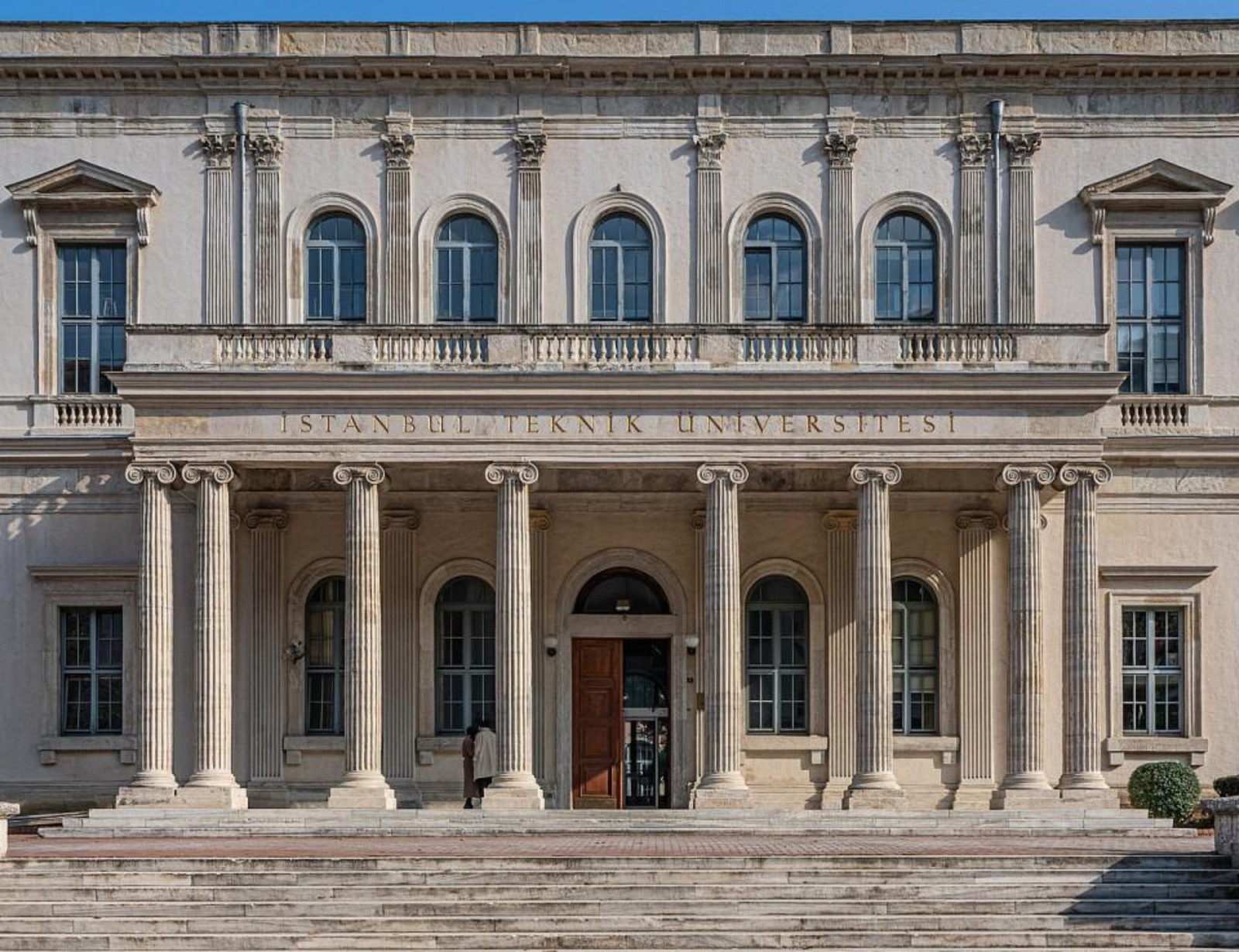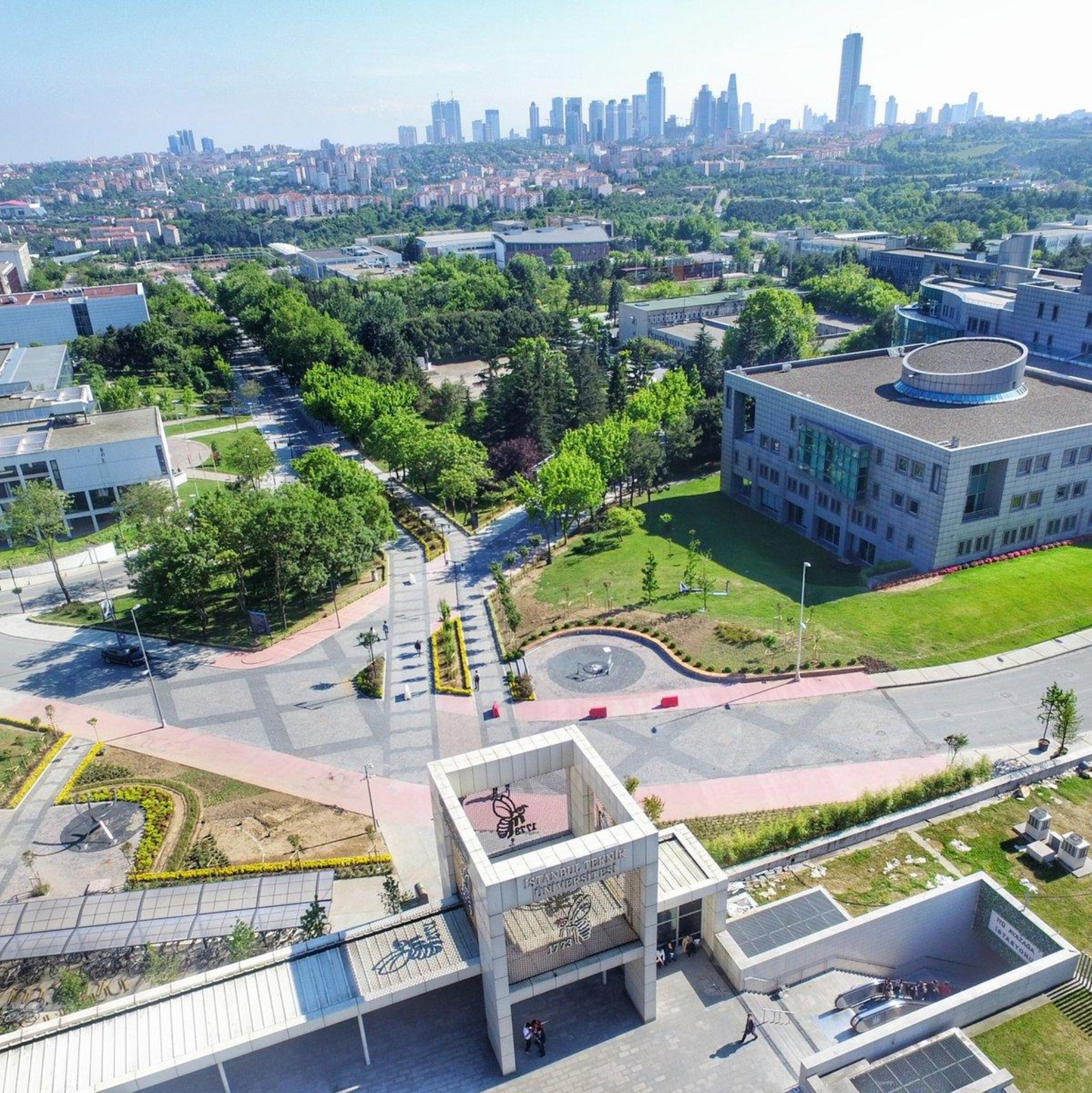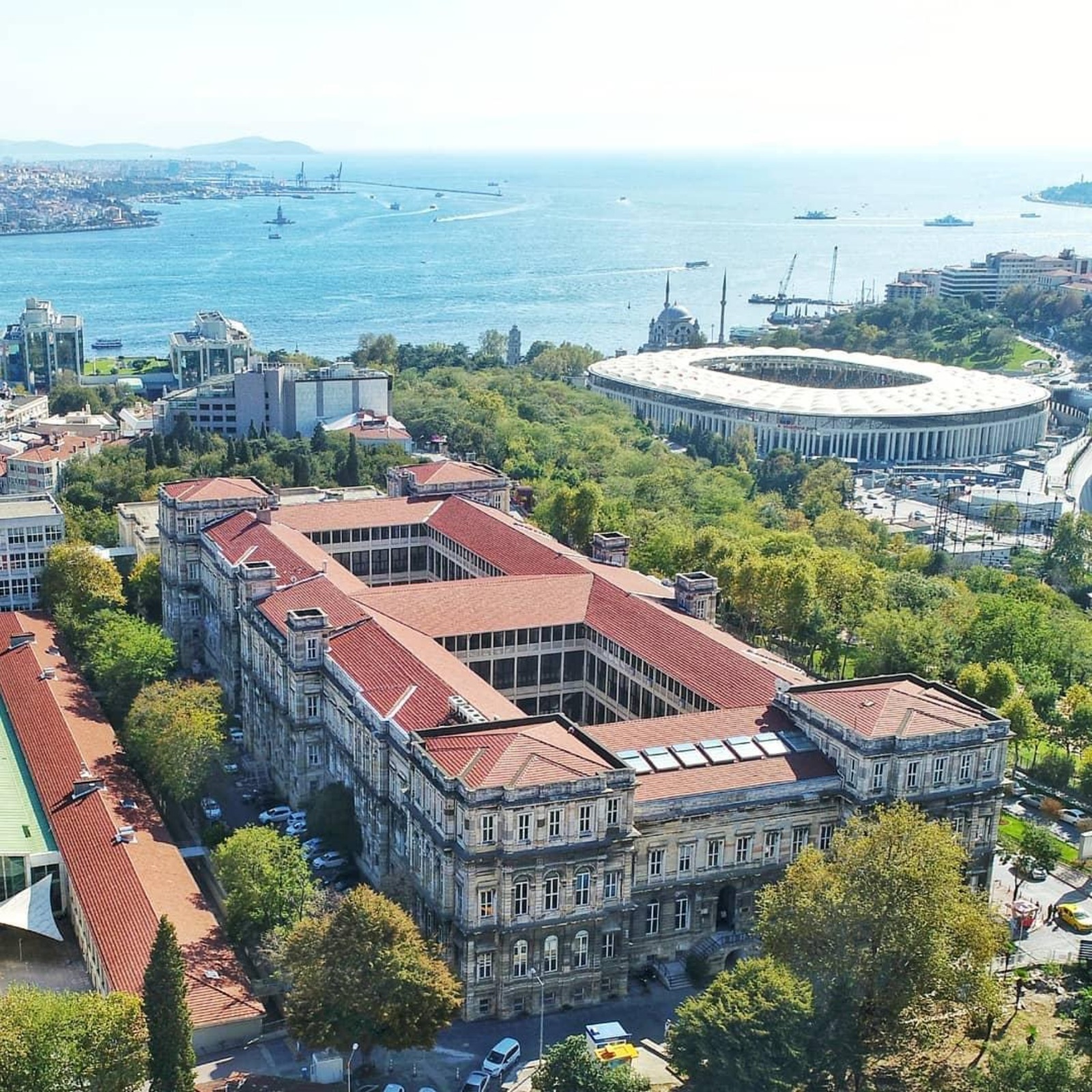
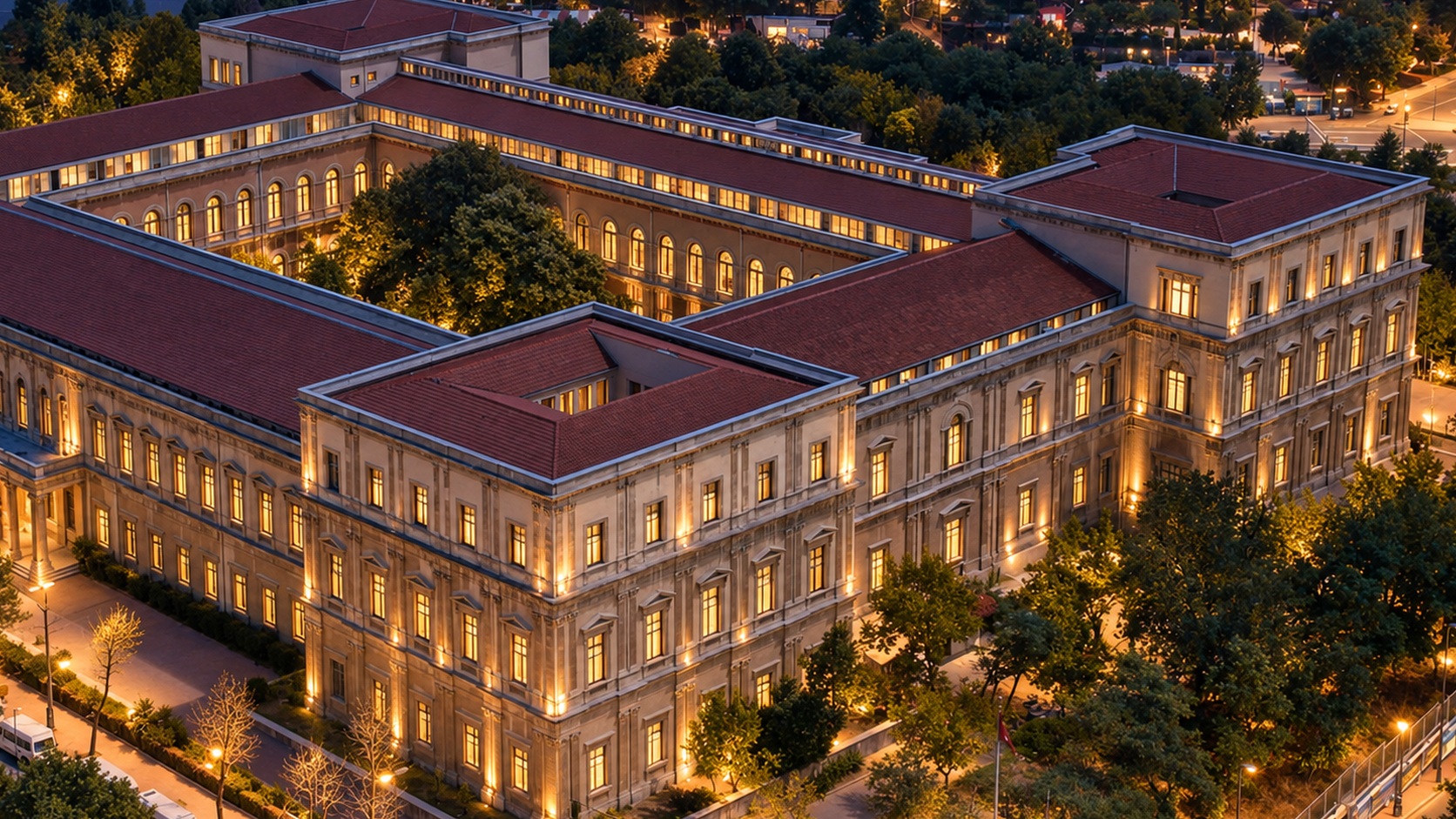
A ship, a building, an airplane, and a digital network may seem disparate, but they share a common need: to transform knowledge into a working system. This concept is central to understanding Istanbul Technical University, an institution whose roots lie in naval engineering education, and whose identity has since broadened to encompass a spectrum of engineering, architecture, science, and design. [1, 2]
Technical Roots Dating Back to 1773
The university traces its origins to the School of Naval Engineering, established in 1773. This date is presented as the foundation of the institution and its educational traditions, not as a claim that its current structure, with all its faculties, has existed since that time. [1]
The value of these roots, as presented in this article, lies in their explanation of the relationship between education and practical needs: measurement, navigation, construction, and design. This is a relationship that students can experience today in any engineering project, when they question not only the accuracy of the calculations but also the suitability of the solution in terms of application, materials, time, and environment.
Multiple Engineering Fields Within One Institution
The university offers faculties in architecture, civil engineering, mechanical engineering, electrical engineering, electronics, computer engineering, and information technology, along with fields such as marine, aerospace, chemistry, metallurgy, textiles, and design. [2] This diversity makes comparing departments within the same university as comparing them to other universities.
A student interested in product design might find their questions at the intersection of mechanics, materials, and design, while someone interested in buildings might focus on construction, architecture, and energy. The presence of these fields does not mean there is a single program that encompasses them all; rather, it encourages students to read the detailed curriculum, coursework, and final project.
From Model to Test
The university map includes institutes and centers related to energy, information technology, disaster management, and aviation, as well as portals for learning, the library, and research. [2] This map provides students with clear names to begin exploring their interests, instead of relying on general terms like "modern technologies."
A strong engineering portfolio can be built from a simple workflow: define a problem, formulate a hypothesis, design a model, test the results, and then interpret what needs improvement. This approach makes the project open to discussion and development, even on a small scale. Most importantly, the student keeps a record of their decisions, not just the final ones.
Architecture and the Arts in a Technical Perspective
The presence of architecture and design, alongside the conservatory showcased on the portal, adds a creative dimension to the university's identity. [2] Innovation doesn't always begin with a new device; it might start with a better way to organize a space, choose a material, or explain a complex system to the user.
Therefore, technical students benefit from practicing drawing, writing, and visual presentation, while design students benefit from understanding physical and computational constraints. They don't need to become experts in every field, but rather be able to communicate with their colleagues and understand the impact of their decisions on the rest of the project.
Istanbul as a Space for Observation
The university's main campus is located in the Ayazaga district of Maslak, and the institution provides independent information about its campus locations. [2] Identifying the actual campus of a department helps with housing and transportation planning, especially when activities are spread across different buildings or locations.
For architecture and engineering students, observing the city can become a learning exercise: How do people move around? How is space used? What is the relationship between a building's function and form? These are questions for observation and analysis, not a substitute for a structured field visit or accredited training.
Choosing the Right Technology for You
Istanbul Technical University deserves the attention of anyone who wants to study engineering as a rigorous and creative practice. The crucial step is choosing a department based on its tools and outcomes, then checking the language of instruction, admission requirements, and the laboratories associated with the program. When students know the types of problems they want to work on, the university's diversity becomes a means to build a clear path, not a cause for confusion.
Sources and references
- Source 1 · www.itu.edu.tr
Original source title
İTÜ — عن الجامعة - Source 2 · www.itu.edu.tr
Original source title
İTÜ — الكليات والمعاهد والخدمات