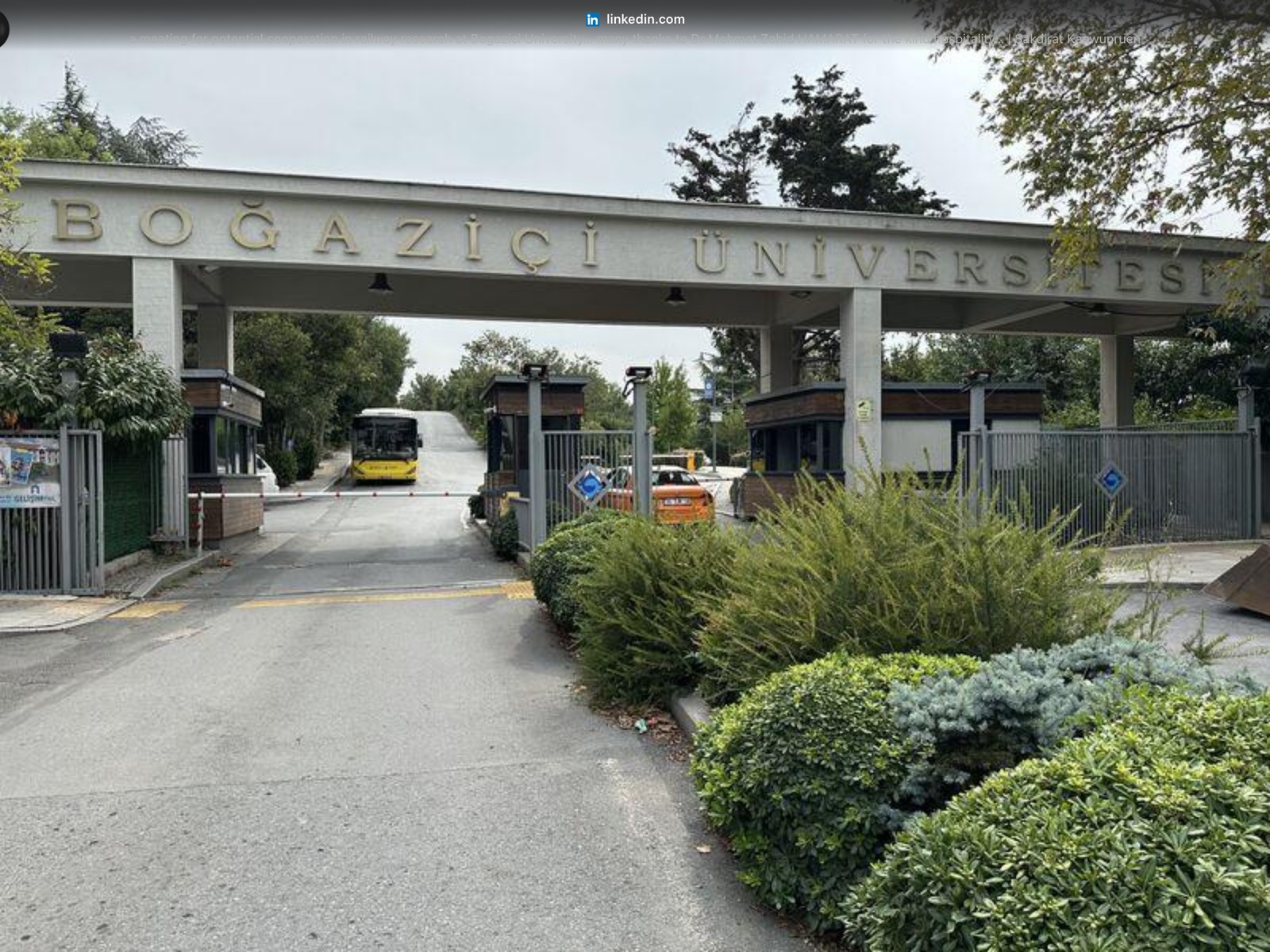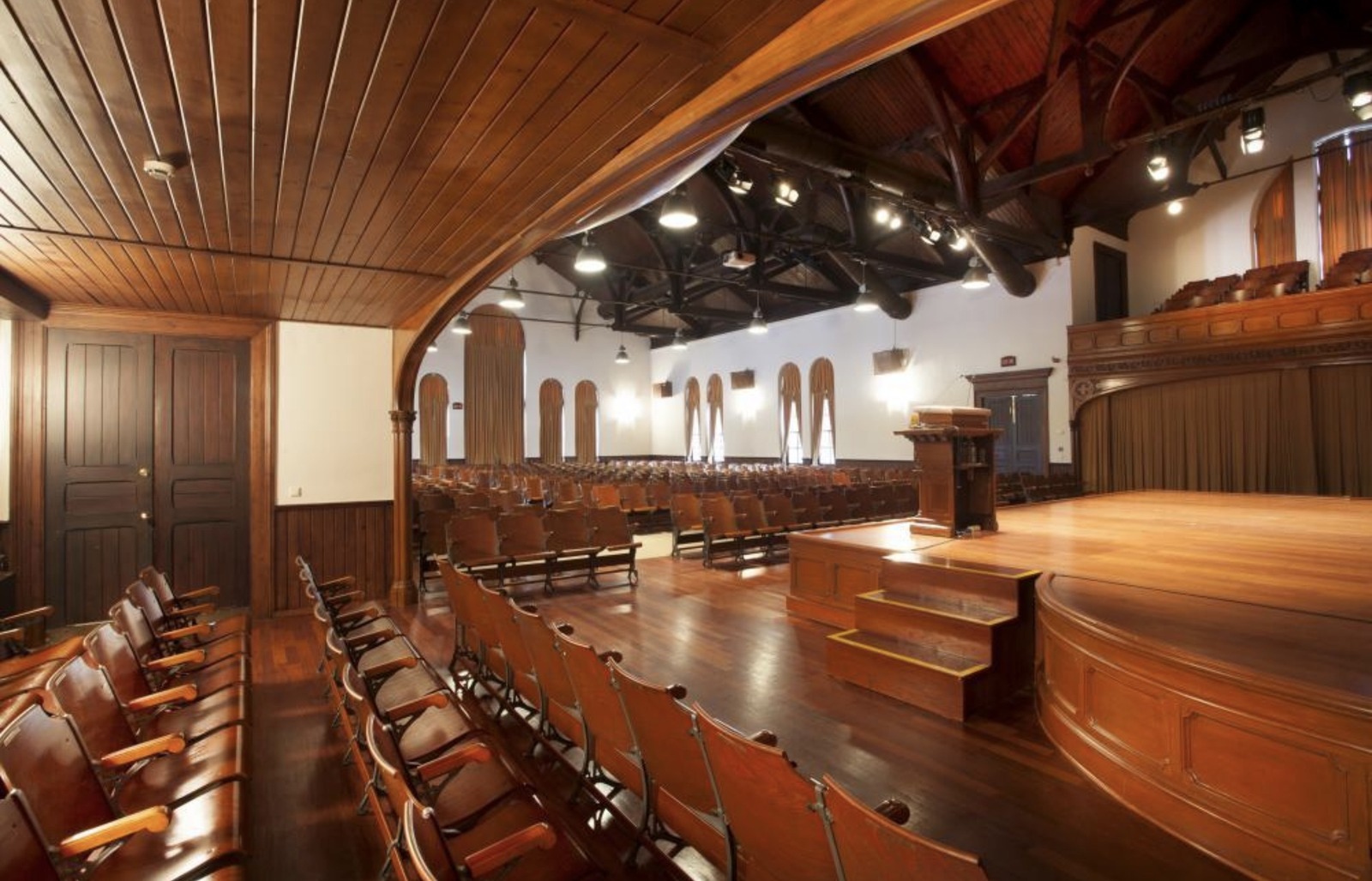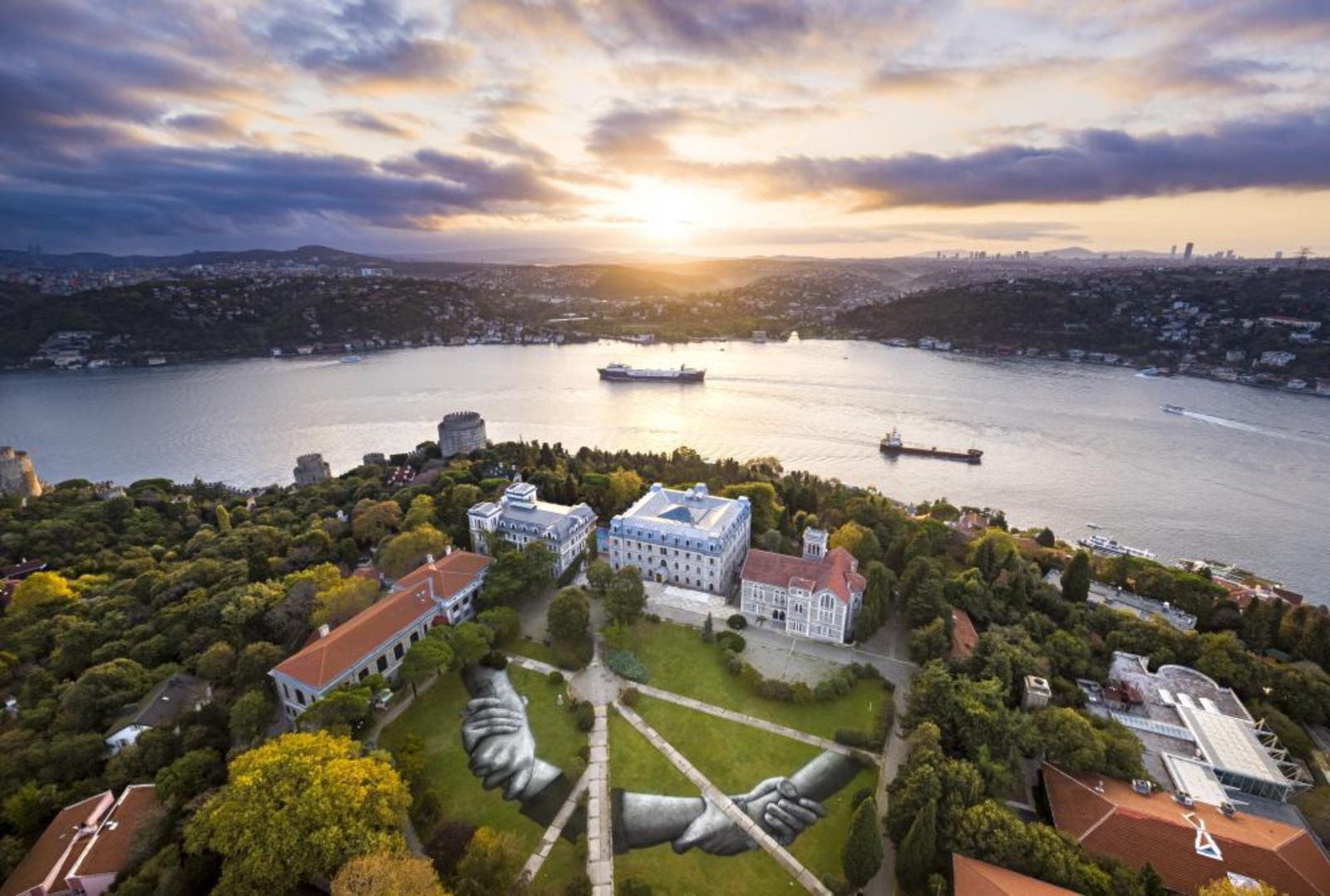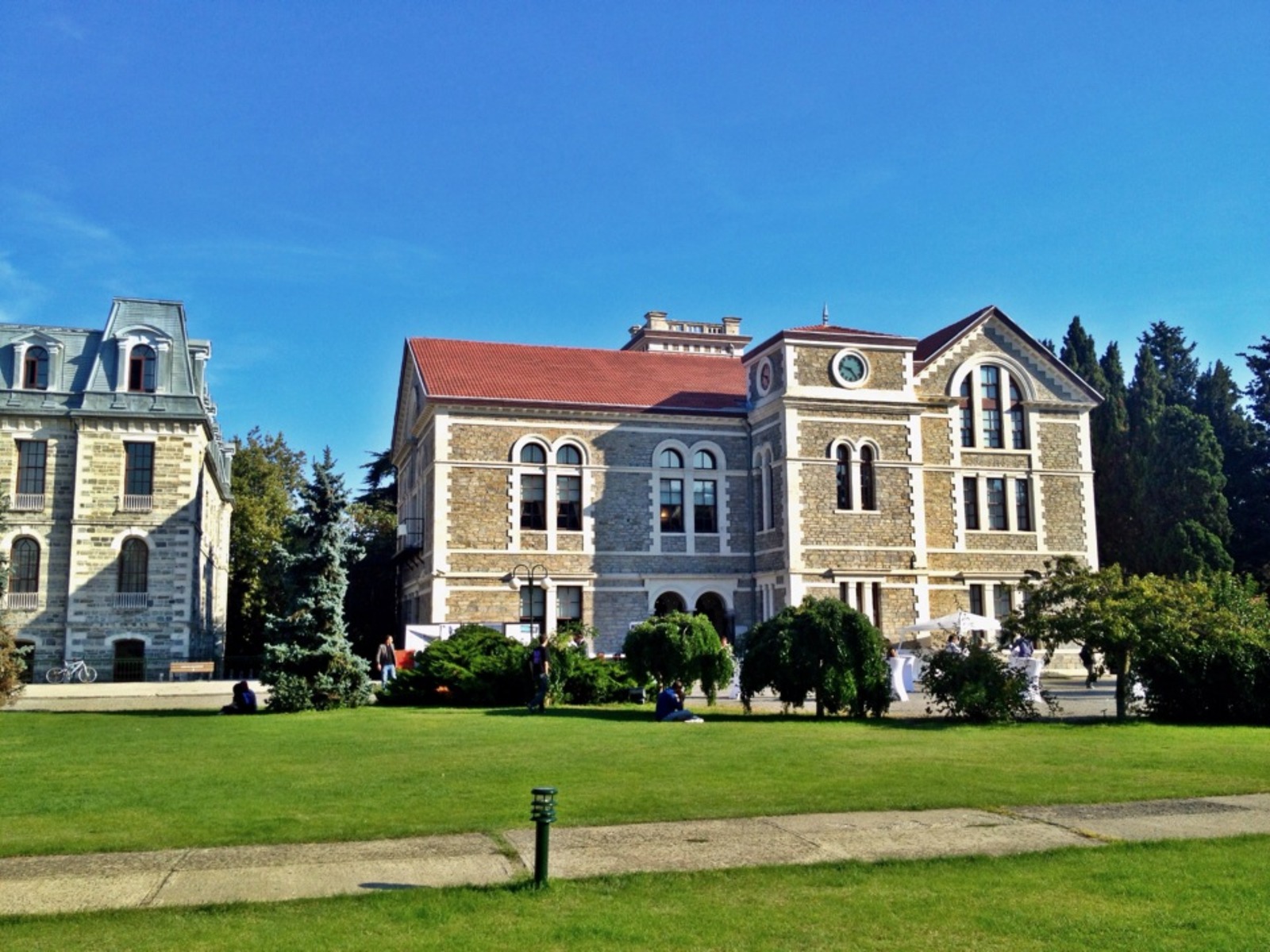
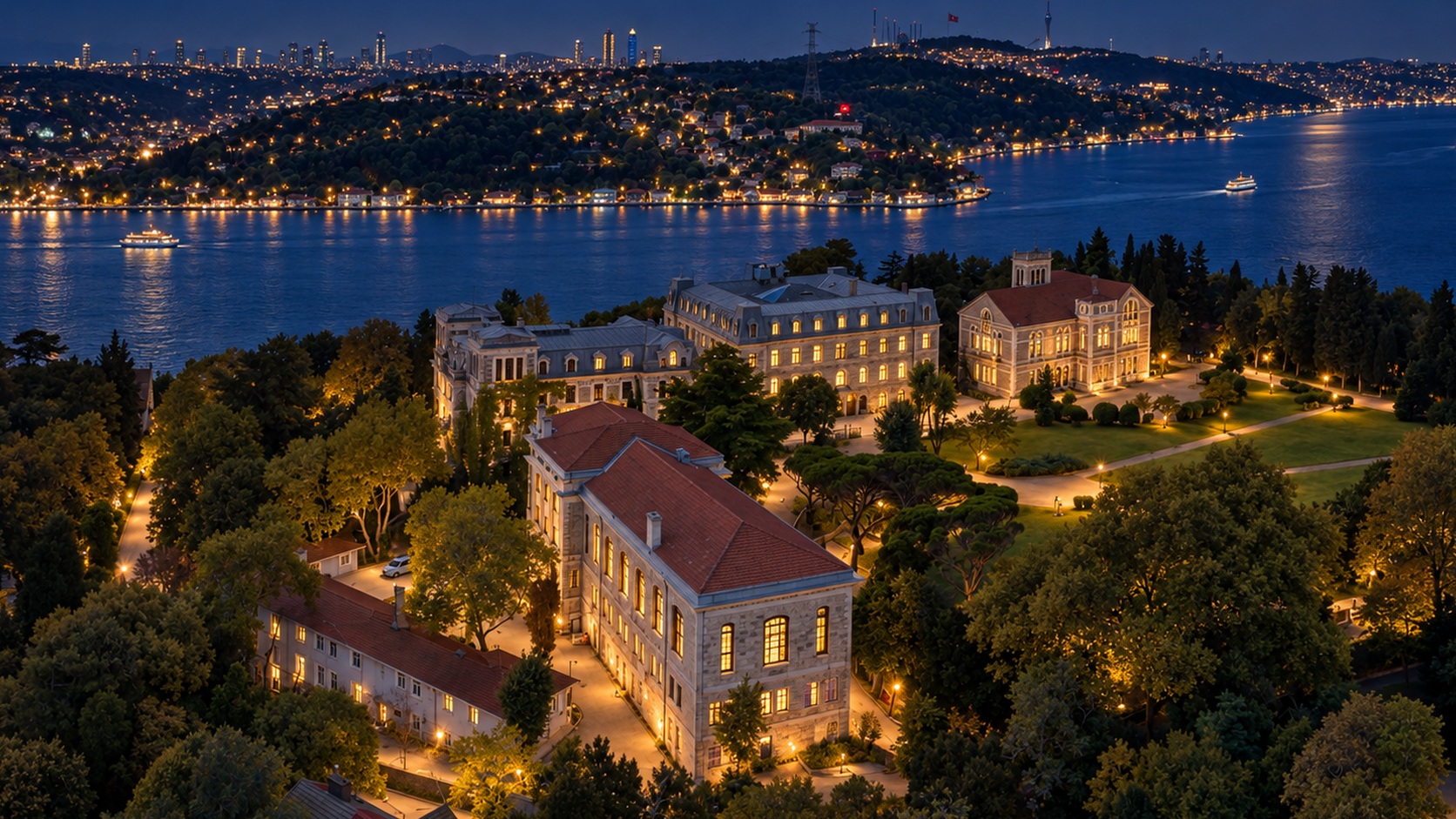

Some universities are understood as much through their connection to place as through their programs. Boğaziçi University in Istanbul is a prime example: a southern campus linked to the Bosphorus landscape, a long educational history, and an architecture that integrates science, engineering, humanities, and a strong emphasis on student life. [1, 2]
Two Histories Explain Identity
The educational roots began with Robert College, which opened in 1863, while Boğaziçi University was officially founded in 1971. Distinguishing between these two histories provides the reader with a more nuanced picture: there is an earlier educational legacy, and then a modern university institution with its own legal and academic identity. [1]
This distinction is important when reading about historical universities in general. Antiquity is not simply a matter of numbers, but rather of the transmission of knowledge and the evolution of disciplines, buildings, and libraries. For students, history becomes more valuable when it relates to the type of experience available today and how it serves their chosen program.
The Campus Is Not a Single Image
The university's historical narrative explains the development of several sites, from the southern campus to the northern campus and other facilities, with the presence of the library, laboratories, and research institutions. The South Campus is connected to the Rumeli Hisarı and Bosphorus areas, while the other locations serve different teaching and research functions. [1]
When planning your studies, you should determine where your department's lectures and laboratories are located and then coordinate your accommodation and transportation. This detail transforms the idealized image into practical knowledge: Where will you spend your mornings? Where will you complete your group work? How far will you be from the activities you want to participate in?
Flexibility Requires Reading Regulations
The academic portal displays pathways for double majors and minors, as well as information on exchange programs, advising, and the library. [2] The existence of these pathways allows students to consider expanding their knowledge, but it doesn't mean that enrollment is unconditional; it depends on GPA requirements, available places, and specific regulations.
It is beneficial for students to develop a basic plan and then add one that clearly complements it. A social science student might benefit from quantitative training, or an engineering student from stronger technical writing skills. The key is the coherence of the choices, not the number of titles that appear on the academic transcript.
A Culture of Research and Participation
The campus includes laboratories, a technology transfer office, and a business incubator, along with health and psychological counseling services, accommodation, and student clubs. [2] These elements allow students to explore the university from two complementary perspectives: how knowledge is produced, and how students live their lives while producing and learning it.
Students can begin their research by reading departmental publications and attending a scheduled academic meeting, then developing a short question appropriate to their level. Regular participation in extracurricular activities helps in learning time management, letter writing, and delegation—skills that complement, but do not replace, academic study.
The Bosphorus as a Cultural Window
The university's location on the Bosphorus gives the article a distinct spatial dimension, but it is not a substitute for academic discourse. [1] Students can make the cultural experience part of their learning: read about the history of the area, observe the diversity of architecture, or learn Turkish vocabulary that they use in their daily lives.
At the same time, it is best to plan excursions and visits according to the study schedule, rather than assuming that all of Istanbul's attractions are close to every campus. This balance helps build a rich experience without neglecting essential commitments.
Suitable reading for a curious student
Boğaziçi is worth exploring for a student who values the university as a community of reading, discussion, and research. A more informed decision is made when comparing the program's language of instruction, course structure, opportunities for minor specialization, department location, and available support services. With these details, the academic legacy becomes a springboard for a new personal experience, not merely a historical background for the essay.
Sources and references
- Source 1 · bogazici.edu.tr
Original source title
Boğaziçi — التاريخ المؤسسي - Source 2 · bogazici.edu.tr
Original source title
Boğaziçi — البرامج والخدمات الجامعية