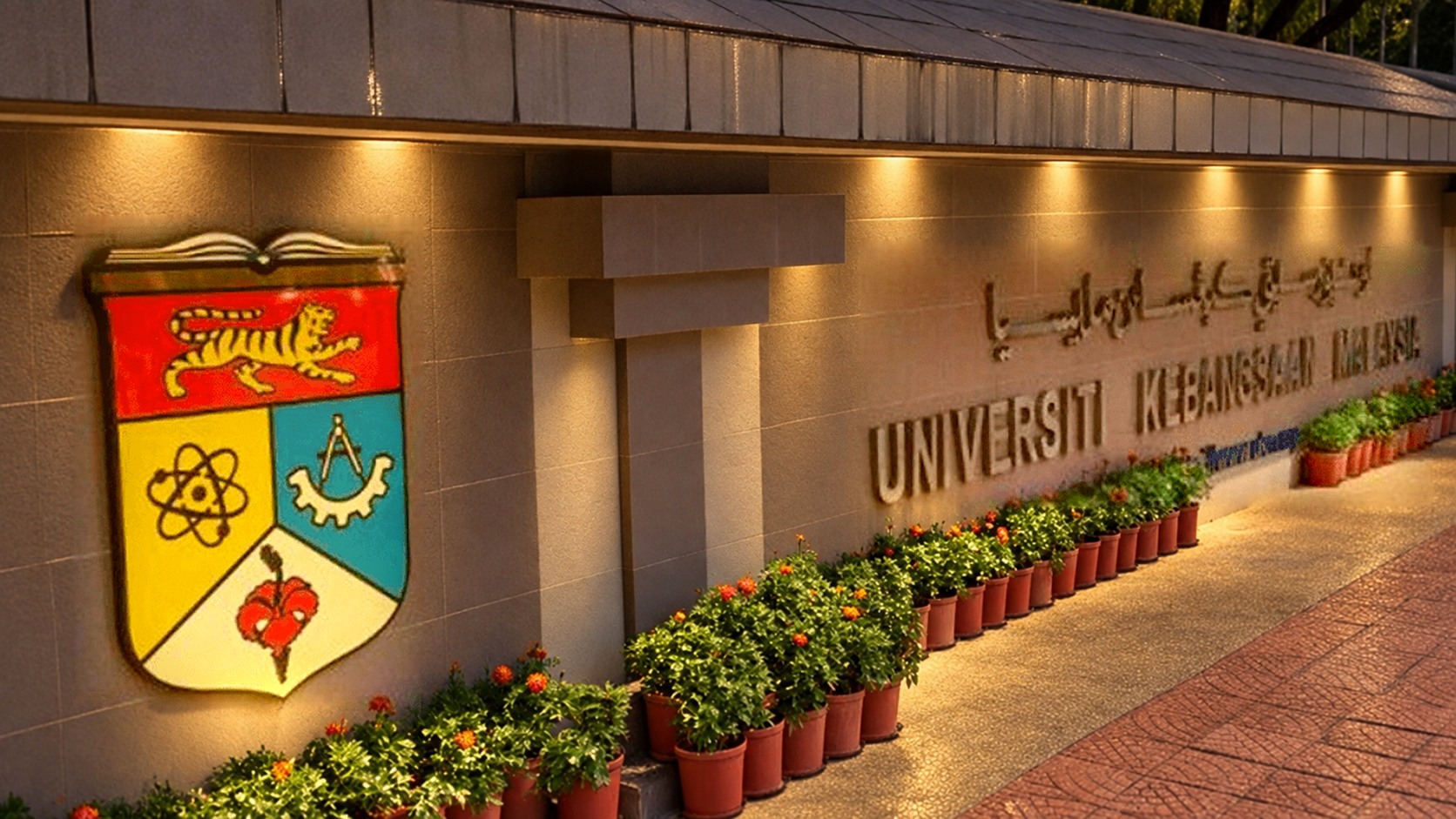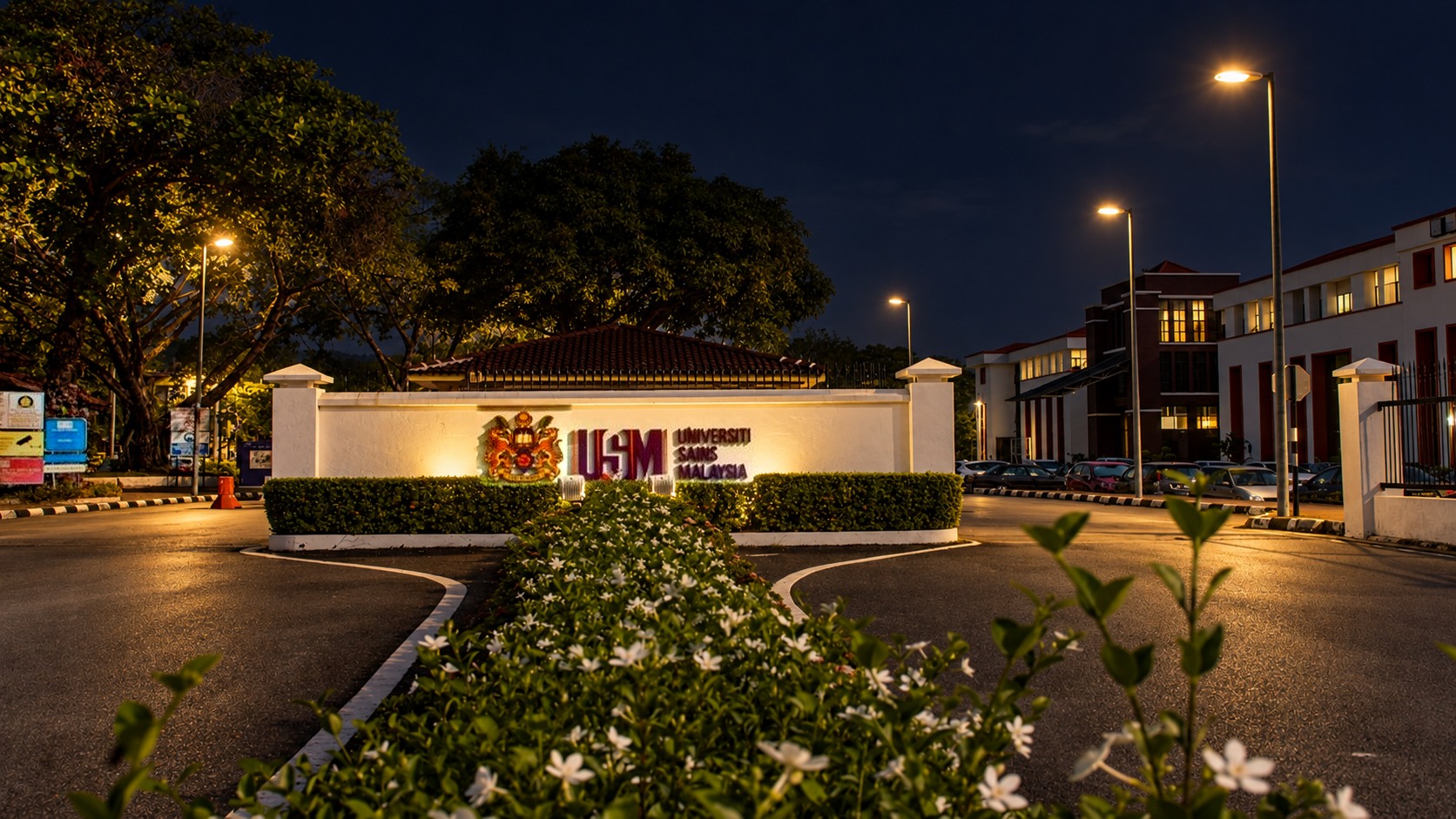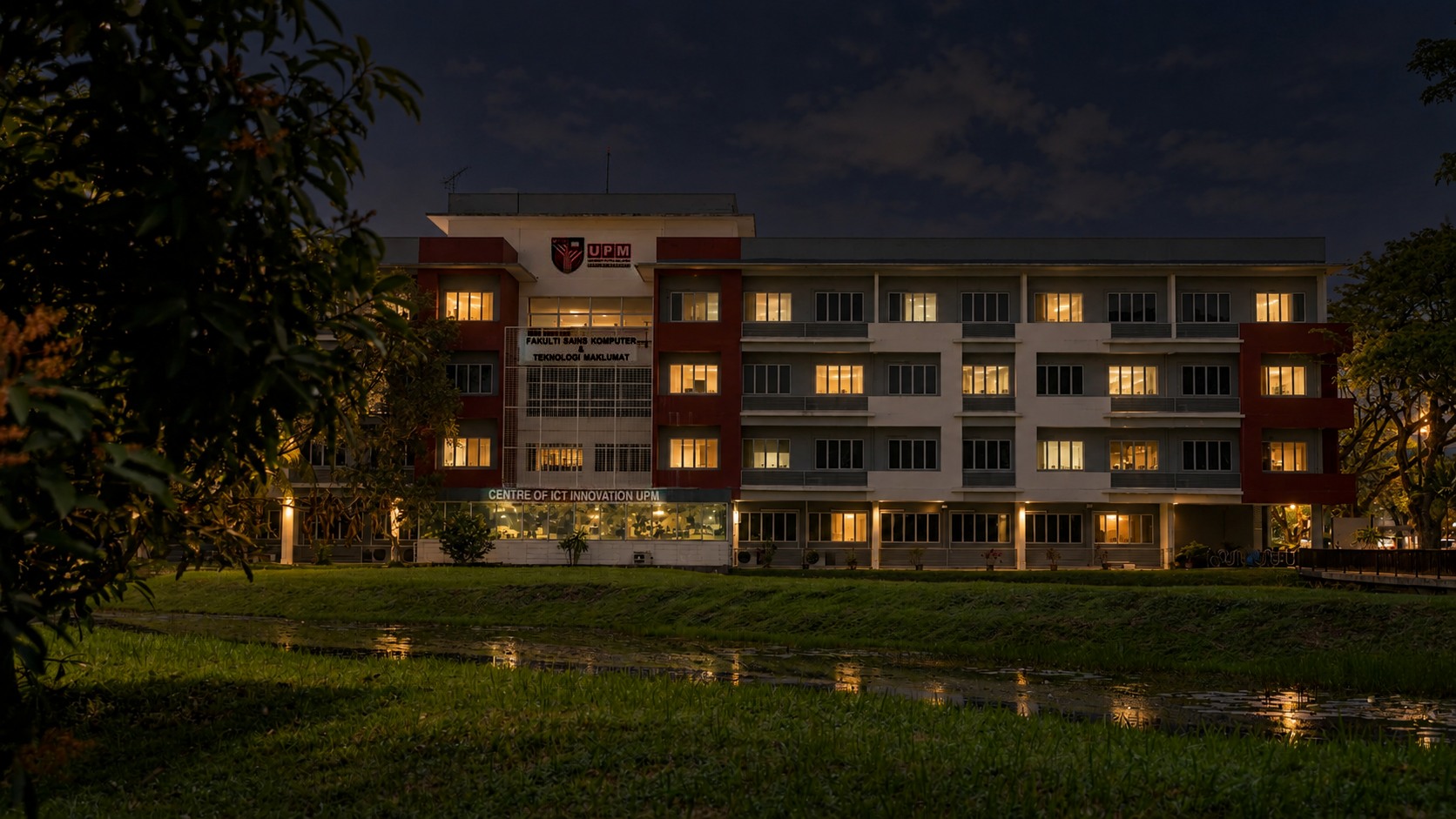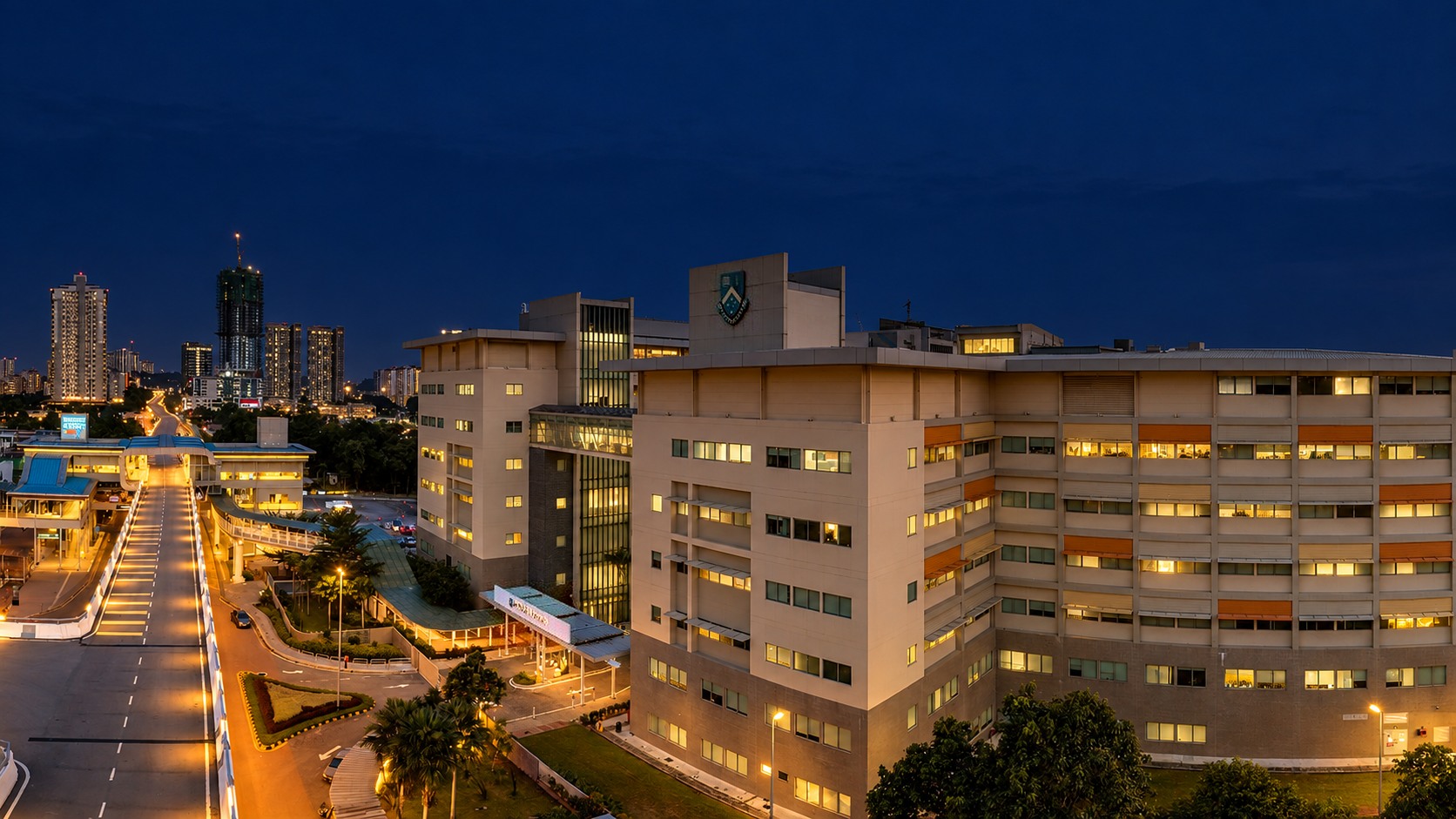
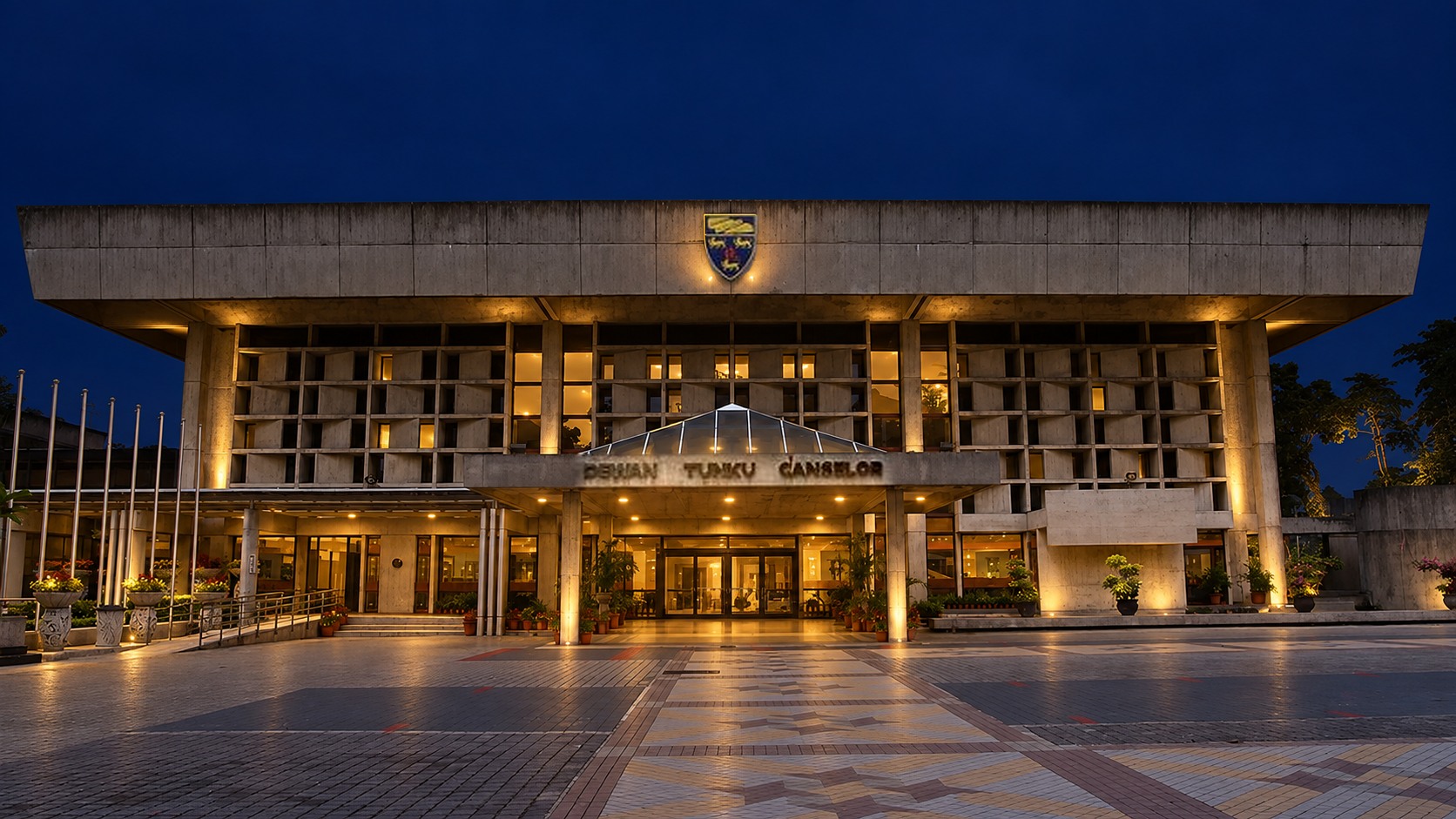

The University of Malaya combines a long institutional history with a contemporary city where business, culture, and research intersect. It is not a one-dimensional institution; its character is shaped by health sciences, engineering, sciences, humanities, law, economics, and more. This breadth allows students to develop their specialization within a multilingual academic community.
Three Dates Explain the Roots
The roots trace back to King Edward VII Medical School in Singapore in 1905. In 1949, the University of Malaya was formed by merging that school with Raffles College, and then the university was established as an independent entity in Kuala Lumpur in 1962. Therefore, these dates do not represent a contradiction, but rather different stages in the institution's development. [1]
The campus is located in southwest Kuala Lumpur. This connection to the city adds another dimension to the experience, while the campus maintains its academic identity. Students benefit from understanding the location of their faculty and facilities, rather than assuming that all university activities take place in the same building or within the same distance of their residence.
Comprehensive University, Not a General Selection
The university's scope encompasses medicine, dentistry, engineering, computer science, science, business, law, languages, social sciences, and the arts. Its website lists academies, colleges, institutes, and centers, in addition to the University of Malaya Medical Centre. [2, 3]
Broadness is an advantage when used to explore interdisciplinary relationships, but it does not absolve the student of specificity. Studying computer science differs from using computers in another discipline, just as biomedical science differs from the qualification that leads to practicing medicine. The correct starting point is the degree name and plan, followed by the nature of the project or training that the path culminates in.
Closeness of Basic Knowledge to Application
Having basic sciences and professional sectors within a single university provides a suitable context for understanding the transfer of knowledge between the laboratory and practice. A topic like digital health can be viewed from medical, computer, ethical, and managerial perspectives, without assuming that every student can enroll in all of these paths. [2, 3]
For the applicant, the quality of the question and its alignment with supervision and facilities are crucial elements. It is better to present a specific, debatable idea, along with relevant literature, rather than simply using a broad title like Artificial Intelligence or Public Health. This is a way to benefit from the university's comprehensive approach without getting lost in its diversity.
Study Paths Requiring Careful Reading
The website presents graduate-level models, including coursework, research, blended learning, and clinical pathways, depending on the program. The differences between them affect the assessment method, the amount of independent work, the need for a supervisor, and the nature of the final outcome. [3]
The coursework path may suit those seeking structured professional development, while the research path requires a willingness to formulate and work on a research question over an extended period. The model is not chosen solely based on its name or duration, but also on academic goals, prior experience, and post-graduation plans. International student eligibility and language requirements are reviewed for each path individually.
Campus Culture and Its Values
The website highlights student life, museums, exhibitions, sustainability initiatives, and university services. These aspects offer an opportunity to view the university as a place of culture and curiosity, not just a schedule of lectures. [3]
Students can make visiting an exhibition or attending a seminar outside their field of study a part of their development, then return to their field with new questions. Interacting with peers from diverse backgrounds also trains them to express their ideas respectfully and clearly. These are potential benefits of conscious participation, not an automatic result of simply being on a diverse campus.
Kuala Lumpur as a Considered Extension of the Experience
The city offers students an opportunity to experience Malaysian life, cultural institutions, and professional activities, while requiring careful planning of transportation, budget, and time. The University of Malaya is worth considering for those seeking a broad-based university with a strong foundation. The comparison is completed by considering the details that truly matter to them: the program, campus, language, supervision, training, fees, and the required accreditation in their home country.
Sources and references
- Source 1 · www.um.edu.my
Original source title
تاريخ جامعة مالايا - Source 2 · medicine.um.edu.my
Original source title
ملف UNIVEX المرجعي المؤسسي - Source 3 · www.um.edu.my
Original source title
الموقع الرسمي للجامعة