The name Universiti Sains Malaysia (USM) promises scientific curiosity, but its scope extends far beyond a single laboratory or branch of science. It integrates natural and applied sciences, health sciences, engineering, and the humanities, with sustainability clearly reflected in its institutional definition. The experience becomes even more appealing when students understand how this diversity is distributed across different academic locations.
From Penang to a Network of Specialized Campuses
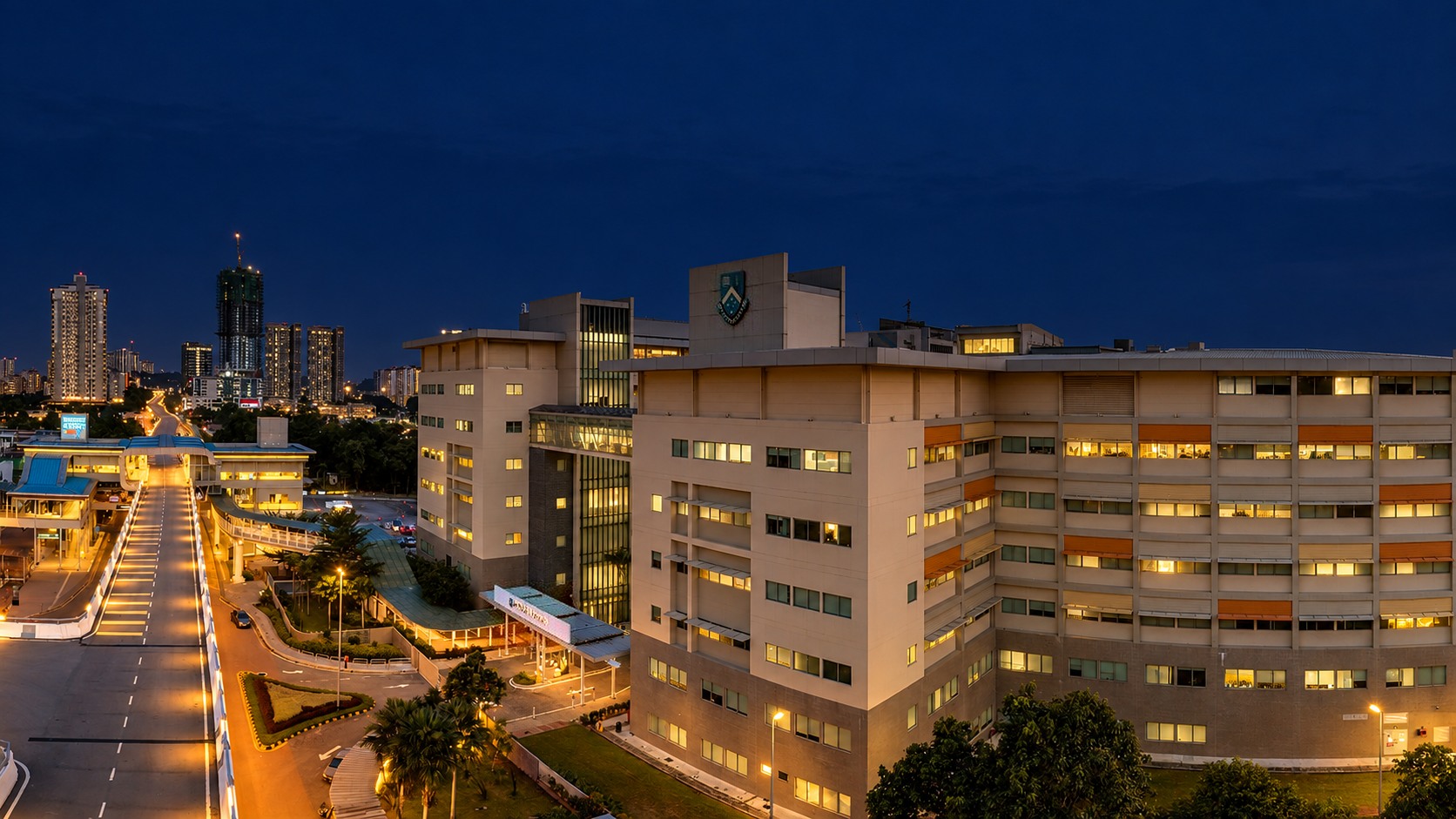
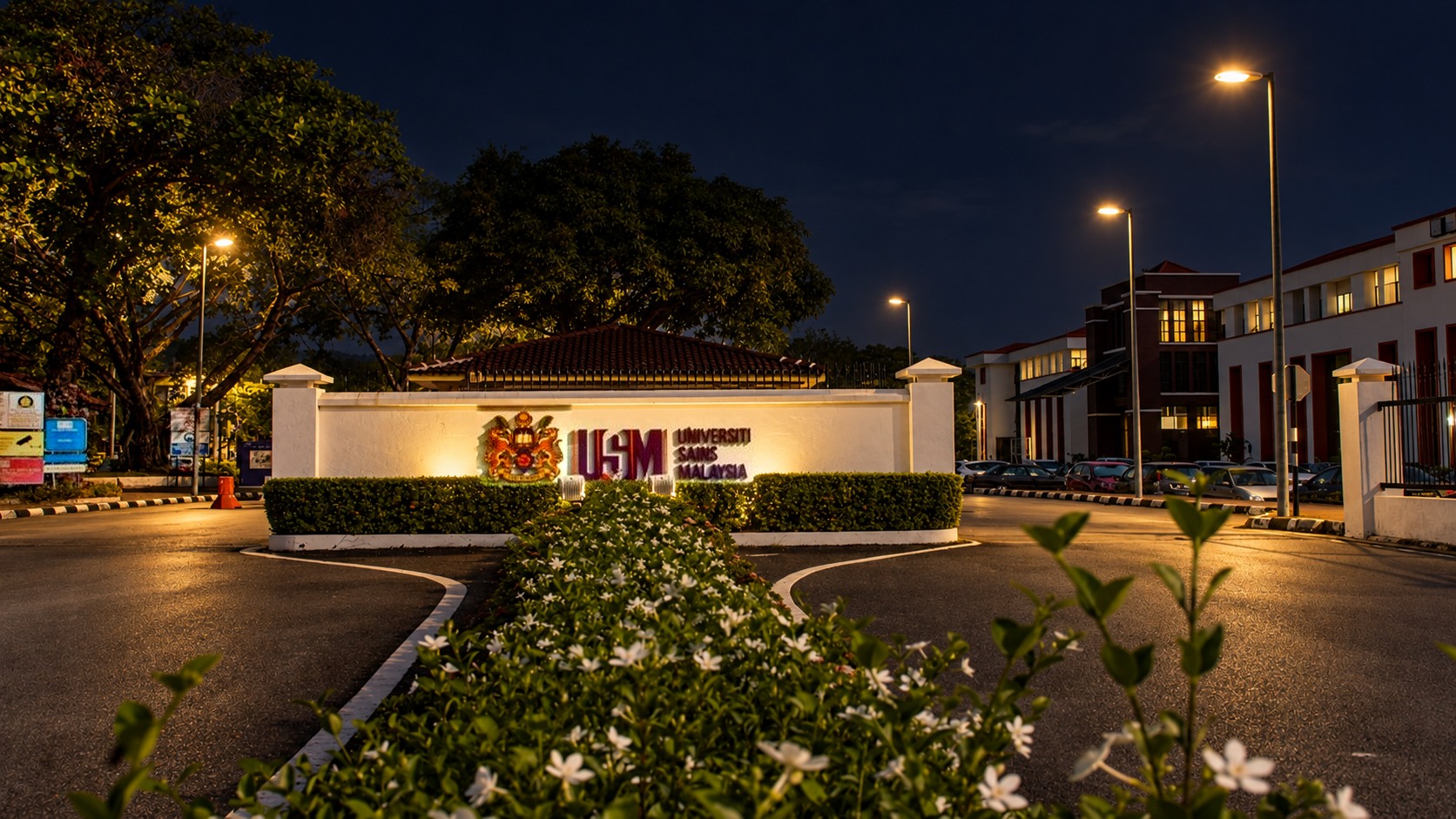
Established in 1969 as Universiti Penang, USM moved to its current location in Minden in 1971. The main campus is on Penang Island, while the engineering campus is linked to Nepung Tepal, and the health sciences campus to Kubang Krayan in Kelantan. [1]
This map is crucial for choosing a university: images of the main campus do not necessarily depict where a medical or engineering student will actually study. Early location planning helps develop an accurate understanding of accommodation, transportation, facilities, and surrounding life, preventing an academic comparison from becoming a decision based solely on a tourist image.
Multiple Sciences Under One Name
The academic fields encompass natural, applied, medical, health, and pharmaceutical sciences, as well as construction science and technology, and social sciences, humanities, and education. This allows for the exploration of broad issues from diverse perspectives, such as food, health, the environment, urban development, and education. [1]
Students benefit from this breadth of knowledge by first establishing their scientific foundation. Those studying chemistry require in-depth analysis and experimentation, those choosing construction need an understanding of materials, performance, and space, and those studying health require specific professional qualifications. The interrelationships between fields enrich specializations but do not eliminate the differences in their requirements.
Sustainability in Campus Details
The website presents areas related to water, energy, waste, biodiversity, health, and well-being, along with maps of green spaces, sustainable mobility, and student services. These elements make sustainability a tangible aspect of daily life, not a slogan separate from the curriculum. [2]
Students can transform their curiosity about the campus into an educational question: How is resource consumption measured? How is a more efficient service designed? What data is needed before proposing improvements? These are examples of a way of thinking, not an assurance that a particular project is available to all students. Supervision and approval are reviewed when conducting any field study.
Health and Engineering Need to Consider Location
The spatial specialization of campuses helps in understanding the nature of the resources required for each field. Health education is linked to clinical training and supervision, while engineering education requires facilities and equipment suitable for experimentation and design. Details on access to these resources are obtained from the specific program. [1, 2]
For international students, the comparison should include the language of instruction, the practical phase, and its location, not just the language of lectures. Professional recognition in the country where they intend to work should also be considered, as institutional ranking or university name does not replace the requirements of the professional regulatory body.
Learning Methods Not Identical
The university offers undergraduate, graduate, distance learning, joint, and external programs under specific arrangements. The availability of these options does not mean that the same program is available in all formats or that all of them are suitable for the intended visa or professional license. [2]
The mode of study deserves to be part of the decision from the outset: Does the student need daily attendance? Is the program research-based or course-based? Where will the practical requirements be implemented? Once these details are settled, alternatives can be compared fairly, rather than being confused by degrees that have similar names but different experiences.
A Scientifically oriented experience
USM is worth considering for those who want to understand the relationship between science, society, and the environment, and who desire a specific program within a multidisciplinary institution. Choosing the right campus for the specialization provides a more accurate picture of the experience. The deeper benefit comes from a student who questions, evaluates, and reads, and who can connect what they learn to a real problem without exceeding the limits of their knowledge or evidence.
Sources and references
- Source 1 · www.usm.my
Original source title
الملف المؤسسي لجامعة العلوم الماليزية - Source 2 · www.usm.my
Original source title
الموقع الرسمي للجامعة