For students who see knowledge expressed through a design, building, artwork or product, Capital University offers an interesting perspective. It is the Egyptian institution formerly known as Helwan University, with a clear presence in art, design, art education and music education, alongside engineering, science, health and humanities fields.
A New Name and Continuing Roots
Established in 1975 as Helwan University, the institution now uses the Capital University name on its official website. Some faculties have roots that predate the university itself, helping explain the variety of academic schools brought together within it. [1, 2]
It is important to distinguish a name change from the creation of an unrelated institution. Admission, degree and equivalence documents should use the official name appearing in current records, referring to the former name where continuity needs explanation. This profile concerns Capital University in Egypt, not a foreign institution with a similar English name.
Art as Knowledge and Practice
Fine arts, applied arts, art education and music education are prominent within the university's scope. These are not interchangeable titles. Each has its own academic purpose, professional pathway and training approach, from artistic practice and design to preparation for teaching and research in arts education. [1]
Applicants benefit from identifying what genuinely attracts them: visual expression, product design, working with materials, architecture or arts teaching. They can then examine programme requirements, aptitude tests and portfolios where applicable. Choosing a creative field requires readiness for repeated practice, criticism and revision, not initial talent alone.
Engineering and Technology Alongside Design
The university includes engineering faculties in Helwan and Matariya, computers and artificial intelligence, and science, as well as other health, administrative and humanities fields. This breadth makes the relationship between design and technology worth exploring: how does an idea become a usable system, product or environment? [1]
Engineering students may approach a problem through performance, materials and calculations, while designers focus on user experience, form and function. Having both fields does not mean every programme is shared, but it encourages students to seek projects and reading that broaden their understanding of the relationship between technical solutions and human needs.
Specialised Fields That Add to the Picture
The profile includes tourism, nutrition, home economics and sports science alongside commerce, law, arts and education. This range shows pathways connected to everyday life and service and creative professions, rather than only the familiar categories of medicine, engineering and business. [1]
Applied training and an understanding of professional context are particularly important in these areas. Students can ask what projects or field training they will complete and which skills they should be able to demonstrate after graduation. The subject then becomes a clear learning pathway rather than an unfamiliar title in a long list.
Faculty Location Shapes the Experience
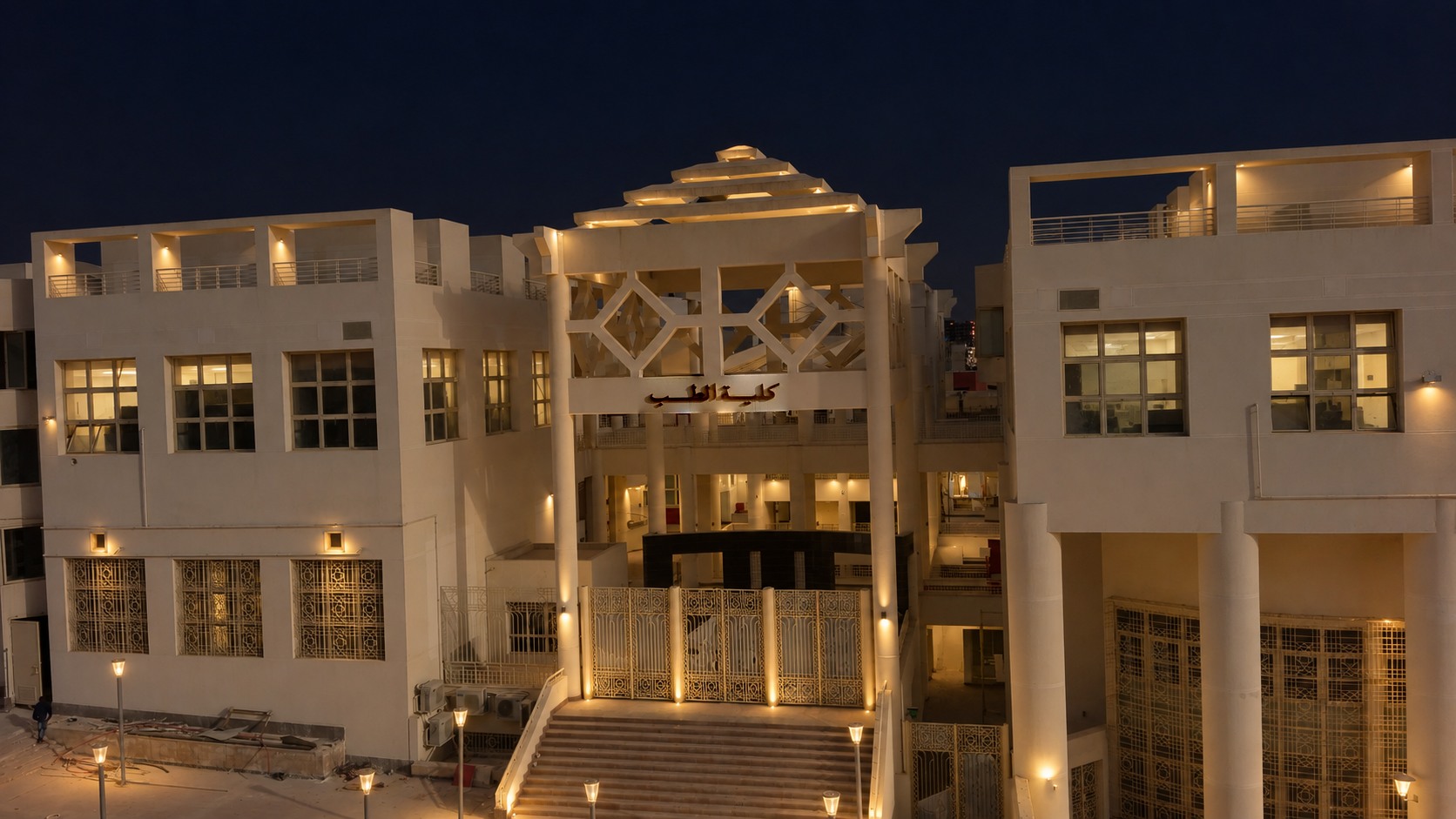
The main campus is in Ain Helwan, while other faculties are located elsewhere in Cairo and Giza. Students therefore need to identify the exact programme site before arranging accommodation and transport. A general campus photograph does not necessarily show where every subject is taught. [1]
University residences exist, but housing location, conditions and international availability require separate confirmation. Students also benefit from a timetable that leaves room for work outside lectures: artistic and engineering projects can require long periods of experimentation and revision. A suitable workspace and good management of materials and tools are central to the experience.
A Large City That Can Inspire Learning
Greater Cairo offers creative students rich material for observation: buildings, façades, crafts, museums and varied visual life. This environment can support personal learning without being confused with university facilities or official activities.
Capital University merits comparison particularly for students combining interests in art, design and technology or seeking one of its specialised subjects. Complete the decision by reviewing the programme, aptitude requirements, language, fees, location and accreditation. The former name remains a key to understanding its history, not a reason to confuse documents or duplicate the university profile under two names.
Sources and references
- Source 1 · www.helwan.edu.eg
Original source title
ملف UNIVEX المرجعي المؤسسي - Source 2 · www.capu.edu.eg
Original source title
الموقع الرسمي — الكليات والخدمات