
For students seeking an institution that has been synonymous with medicine since its inception, the Kyrgyz State Medical Academy named after I. K. Akhunbayev offers a prime example. Founded in 1939, the academy has remained at the heart of its identity, focusing on the training of medical and pharmaceutical personnel. Here, the reader doesn't need to search for medicine within a broadly specialized university; the health field serves as the foundation around which all academic studies and life are structured. [1]
Medical History and a Well-Known Location
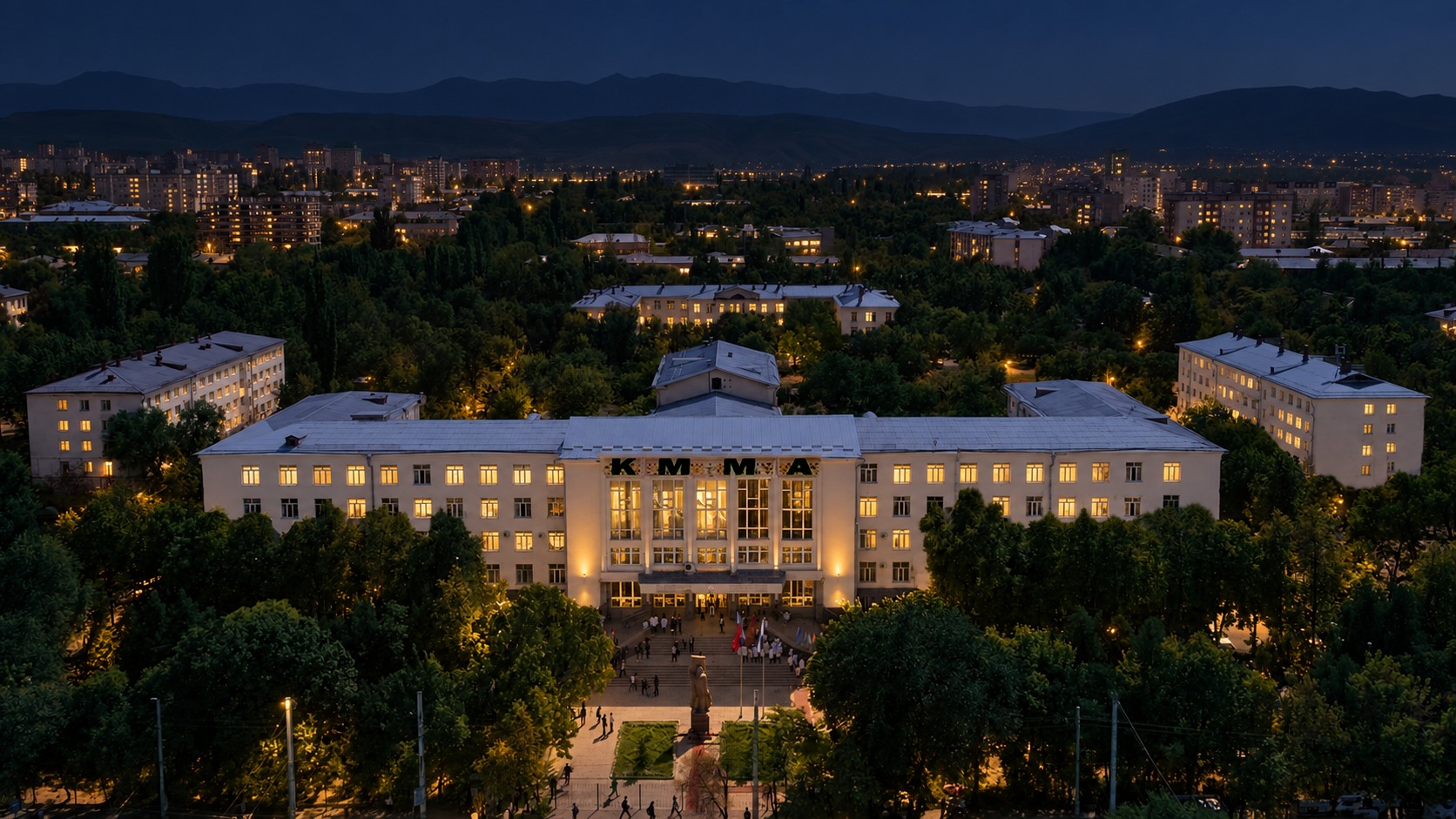
Located on Akhunbayev Street in Bishkek, the academy's main building bears a name deeply intertwined with the history of Kyrgyz medical education. The use of its full name and the abbreviation KSMA helps distinguish it from private medical universities in the capital. [1]
While historical context provides a framework for understanding the accumulation of knowledge, it doesn't replace a thorough understanding of the current curriculum. Students don't study abstract history; they learn within a program that includes course materials, training facilities, and assessment methods. Therefore, the best approach to understanding the institution combines knowledge of its roots with an understanding of the educational journey it offers today.
Basic Sciences Are Not a Separate Stage from the Physician
The academic portfolio includes general medicine, pediatrics, dentistry, pharmacy, preventive medicine, and advanced nursing, with availability and language varying by program. Education is also linked to clinical departments, clinics, and a center for clinical skills development. [1]
The specialized medical environment helps visualize the connection between these paths. Anatomy explains the position of a structure, physiology explains its function, and pathology links the disorder to the clinical presentation. As the student can apply these connections to solve a case, the courses become a network of knowledge rather than separate sets of information to be memorized for an exam.
Before the Patient: Building Skill
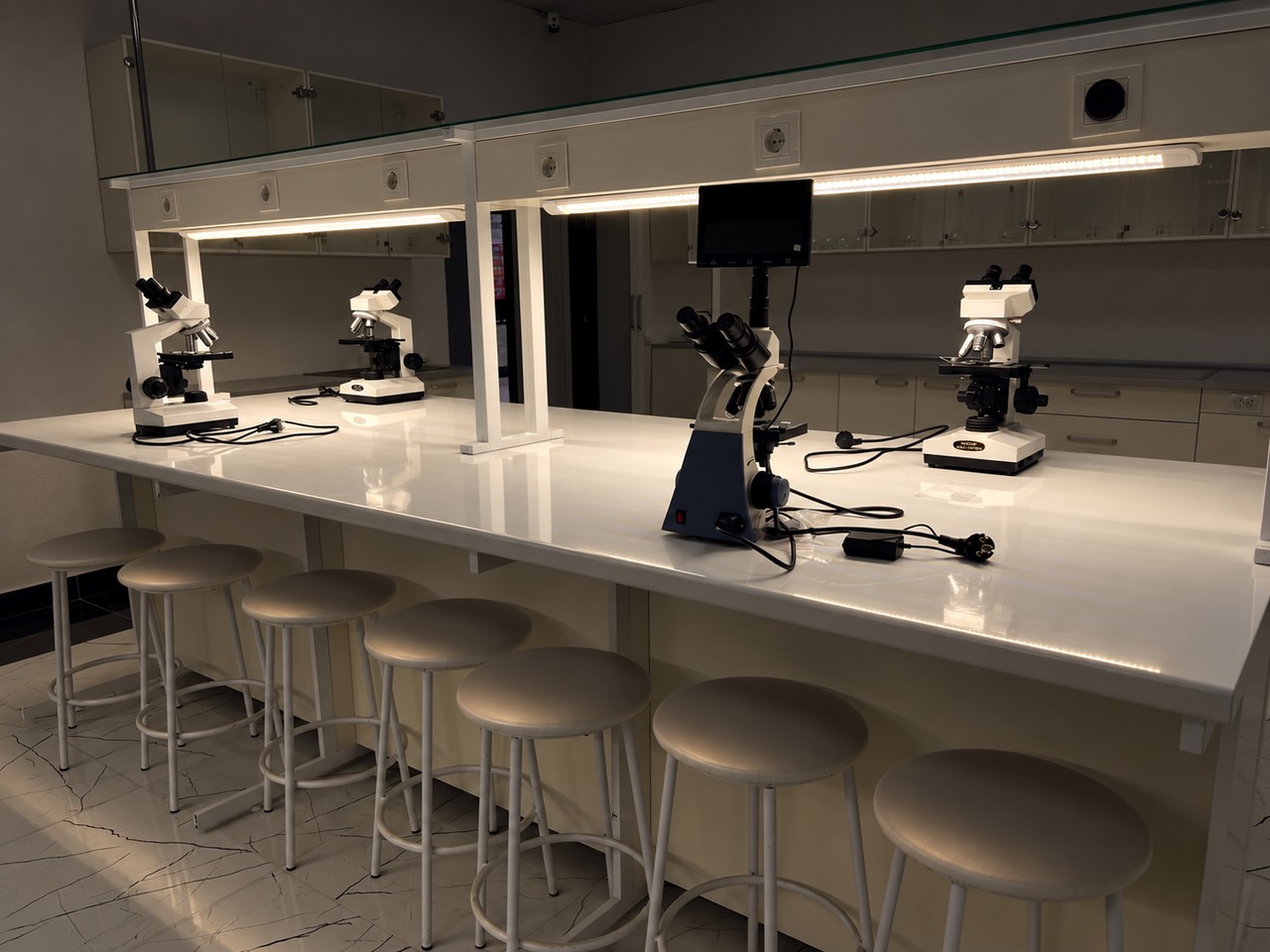
Having a resource for developing clinical skills provides an important point of comparison: How does the student progress from understanding the steps to performing them under supervision? What kind of feedback do they receive? And when are they ready to move on to more advanced activity? [1]
Simulation, when part of the plan, allows for repeated practice in a learning environment before practicing on patients. More important than speed of performance is understanding the reasoning, following safety procedures, and being able to recognize the limits of knowledge. These habits build responsible confidence that goes beyond simply braving the skill.
English and Specific Track
The reference document lists a general medicine track in English, alongside tracks in Russian or Kyrgyz, while pediatrics is listed in Russian. The language of the other programs and their availability to international students require separate review. [1]
Students can develop a language preparation plan that suits their goals: an academic language for following lectures and reference materials, and a local language for daily interaction and clinical training. This preparation is most beneficial when started early and continued through regular short practice sessions, rather than simply memorizing terminology before exams.
Student Community within a Healthcare Institution
The reference information includes student and international student councils, scientific, sports, and creative clubs, and on-campus medical, food, and accommodation services. Details regarding accommodation, allocation, and location are confirmed upon admission. [1]
In this context, academic activity can begin with presenting a topic to peers or reading a study with a small group. Sports or the arts can provide a space to maintain balance during the long years of study. Professional experience is not isolation from life; The ability to collaborate, express oneself, and take care of oneself is part of the maturity a student needs.
Bishkek as a Base for Study
The academy's location places students within the Kyrgyz capital, where accommodation and transportation are directly linked to the college buildings and training sites. A weekly schedule should balance studying, activities, and exploring the city, without assuming that proximity to the administration means proximity to every hospital.
Akhonbayev's unique feature is the continuity of its health specialization and its medical education structure. The decision is further strengthened by reviewing the program, language, and professional recognition, ensuring the student chooses an experience they understand in detail, not just a historical name.
Sources and references
- Source 1 · www.kgma.kg
Original source title
ملف UNIVEX المرجعي المؤسسي