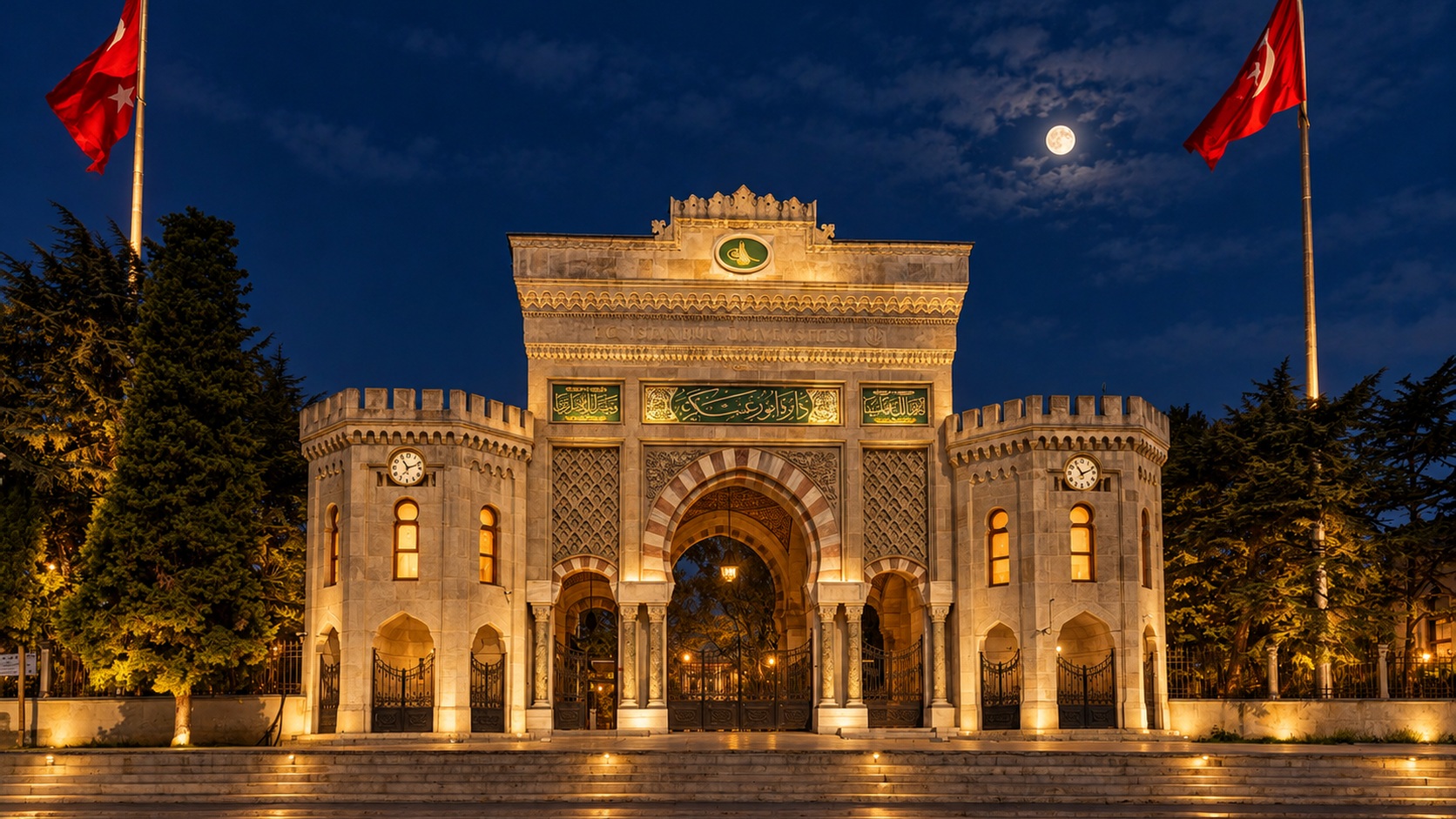
When university history meets the landscape of the old city, the place becomes part of the learning story. Istanbul University, linked to Beyazit Square and the Fatih district, offers entry to a university with deep educational roots and a strong presence in the humanities, health sciences, and administration. [1, 2]
Between Roots and Modern Structure
The university traces its roots to educational institutions dating back to 1453, while its modern form was established in 1933 after the Darülfünun (House of Arts) phase. [1] Distinguishing between its historical roots and modern establishment is essential for understanding its trajectory without reducing centuries of transformations to a single, simplistic history.
For students, this heritage opens an opportunity to examine the university's own evolution: How did its approaches to knowledge change? How did it transition from earlier educational institutions to specialized faculties and research centers? These questions can serve as a starting point for those interested in history, sociology, law, or linguistics, even if their primary field of study is different.
Humanities Knowledge Read in its Publications
The university publishes academic journals through its publishing platform. One example is the Journal of Sociology, which, according to its institutional definition, began in 1917. [3] This example provides specific evidence of scholarly continuity rather than relying on general statements about a “long-standing tradition.”
Students can use journals as a window into the methodology of the discipline: they read a research abstract, then identify its question, methodology, and sources. This practice cultivates critical reading and helps them envision what they might produce later, whether in a graduation thesis or a master’s thesis.
Business Administration: An Example of Specific Verification
The AACSB guide includes a page for the Istanbul University Faculty of Business Administration, outlining its educational and research mission in management. [4] This is presented as a guide specific to a particular faculty, not as a general endorsement of all university programs or a guarantee of professional recognition in any country.
This specificity is beneficial for students comparing business programs: they should examine the program itself, its language, the nature of the assessments, the quantitative courses, and the applied projects. A management degree becomes more valuable when accompanied by practical training in data analysis, interpreting financial statements, and presenting recommendations persuasively.
Faculty Name Part of Selection Accuracy
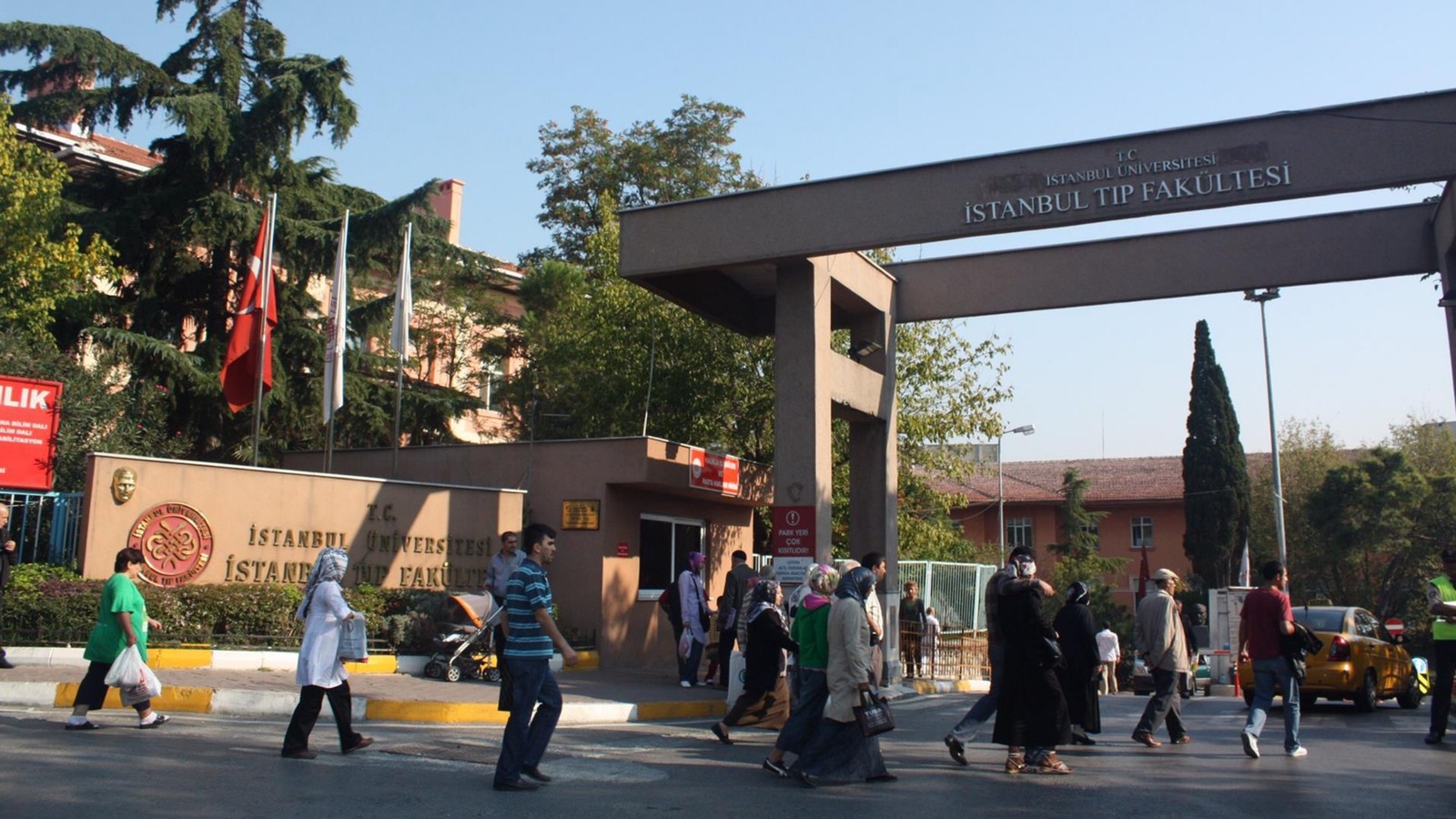
There are separate institutional pages for faculties and fields such as dentistry, and the university also displays its academic centers and services. [2, 5] It is important for students to check the legal name of both the university and the faculty. This file is specific to Istanbul University and does not include Istanbul University-Cerrahpaşa University programs or hospitals simply because of the similarity in names; each faculty matches the institution that issued the admission letter.
In health programs in particular, the name of the institution in the admission letter should match the program and the location of study and training. This step is not a mere formality; it is essential for organizing documents, verifying recognition, and understanding the actual path the student will be taking.
Beyazit as Part of the Experience
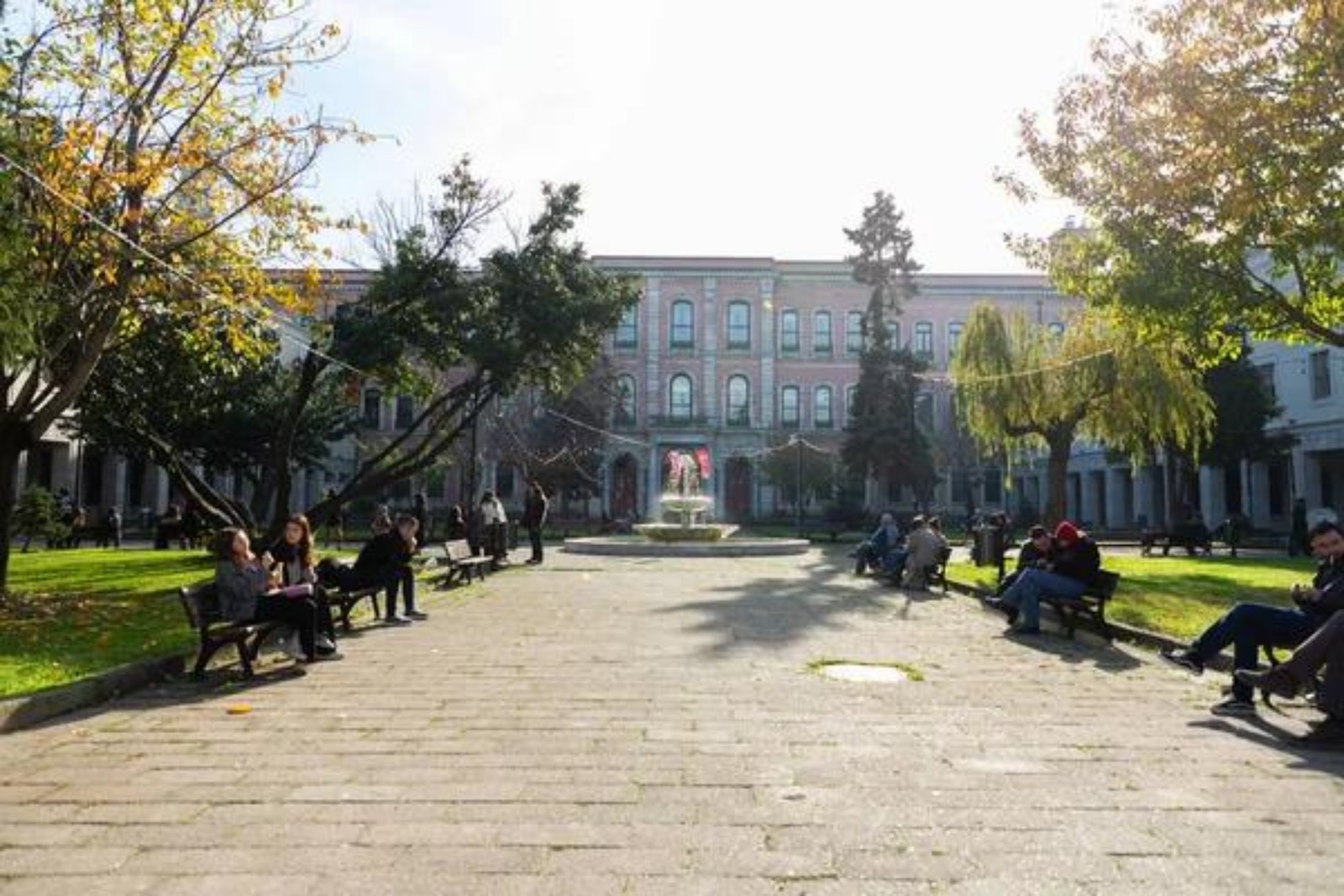
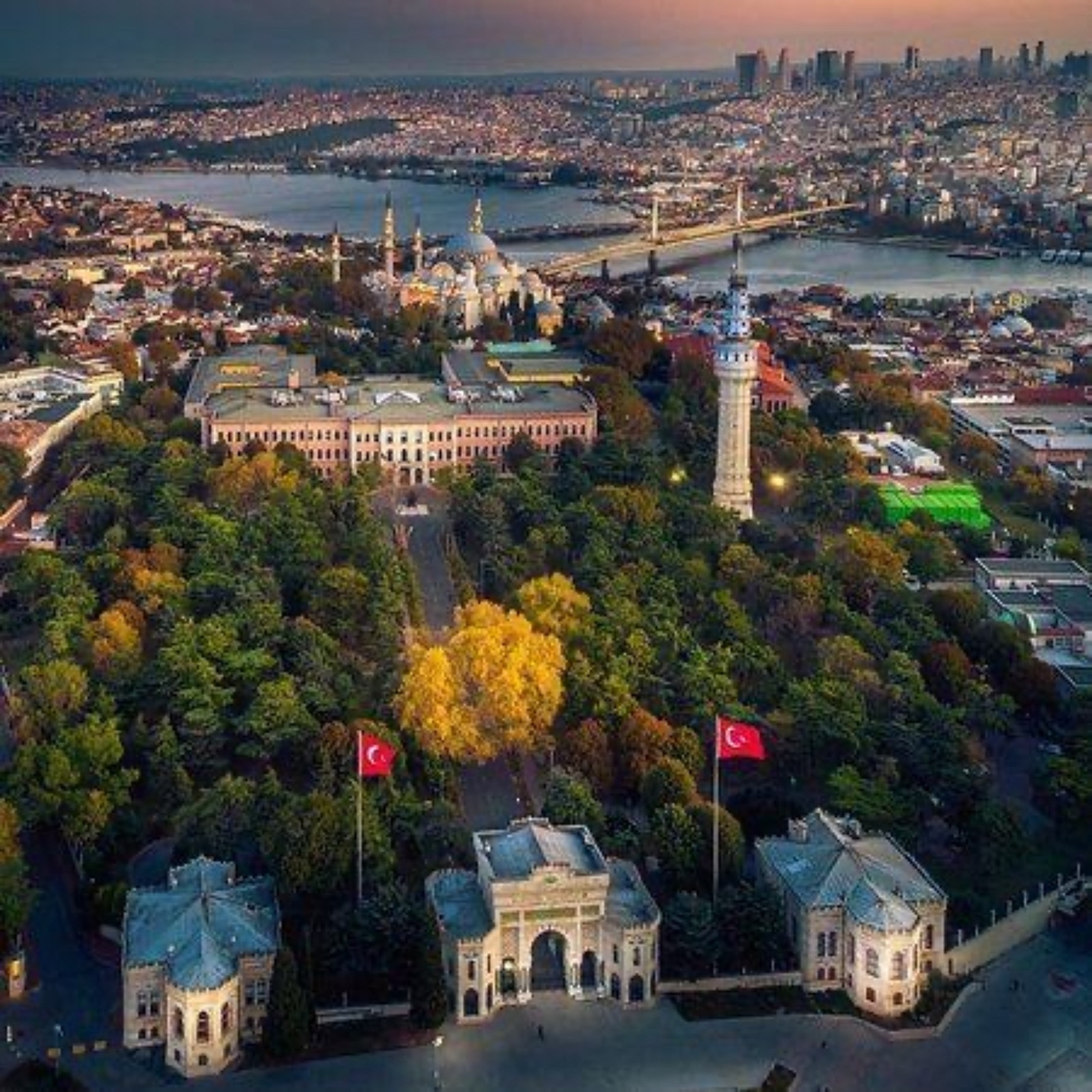
The university's main campus is located in Beyazit, Fatih, which gives it a clear connection to the historical fabric of Istanbul. [2] However, daily life is planned based on the actual location of the department, as the university's name does not mean that all lectures are held in the building most often seen in photographs.
A student interested in culture can turn exploring a place into a small project: reading about a building, documenting architectural features, or comparing two historical accounts. In this way, visiting the city goes beyond simply taking pictures to building a deeper understanding, while adhering to the rules of entry and visitation for each site.
How to Make Comparison More Mature?
Istanbul University deserves the attention of anyone seeking an institution connected to the history of knowledge and the life of the city. This becomes clearer when viewed through a specific program: its courses, academic resources, language of instruction, training facilities, and student services. The heritage sparks curiosity, while the academic details help inform the decision.
Sources and references
- Source 1 · www.istanbul.edu.tr
Original source title
Istanbul University — التعريف المؤسسي والتاريخ - Source 2 · www.istanbul.edu.tr
Original source title
Istanbul University — العنوان والمراكز - Istanbul University Journal of Sociology
- AACSB — Istanbul University School of Business
- Source 5 · dishekimligi.istanbul.edu.tr
Original source title
كلية طب الأسنان — جامعة إسطنبول