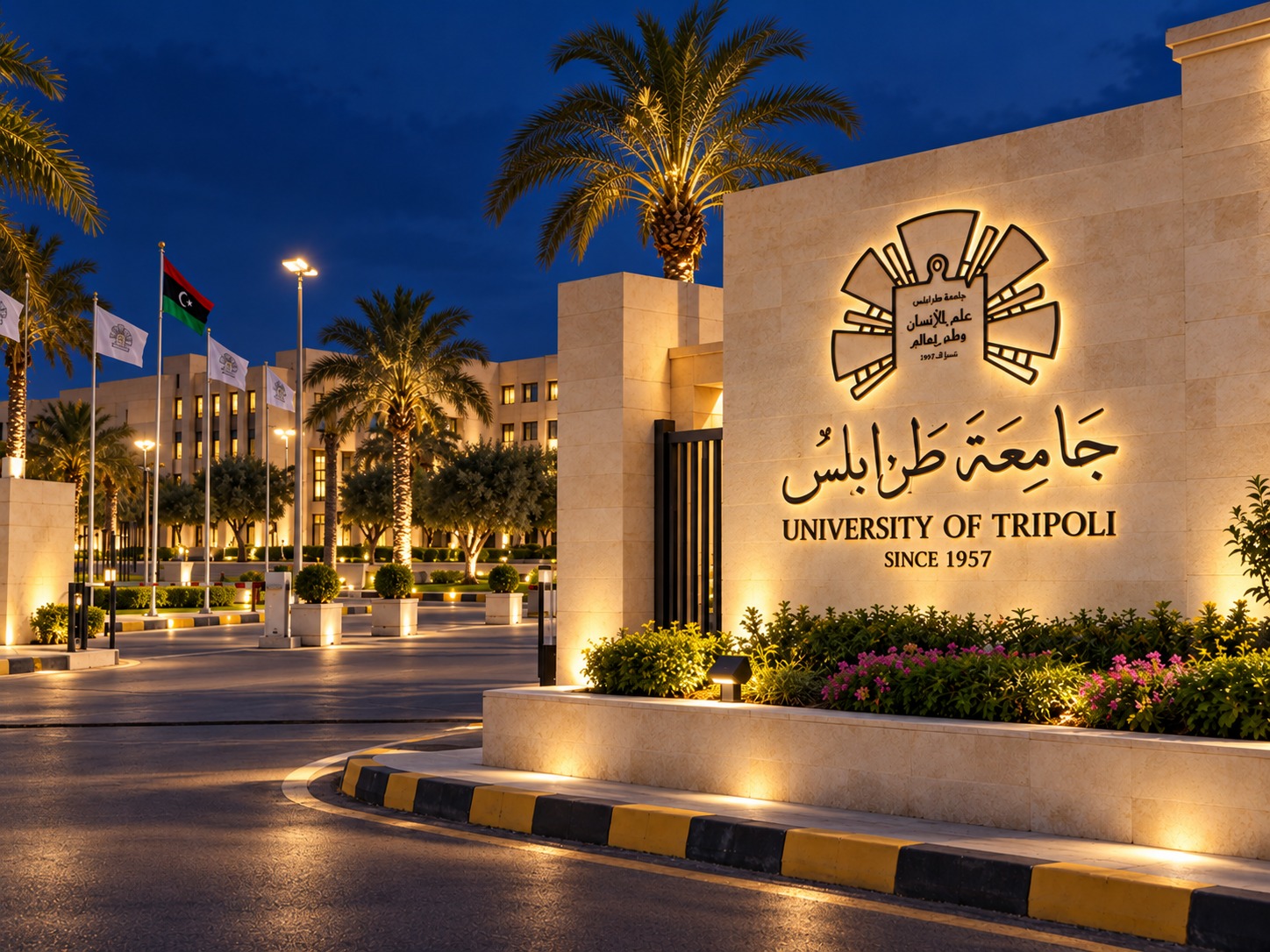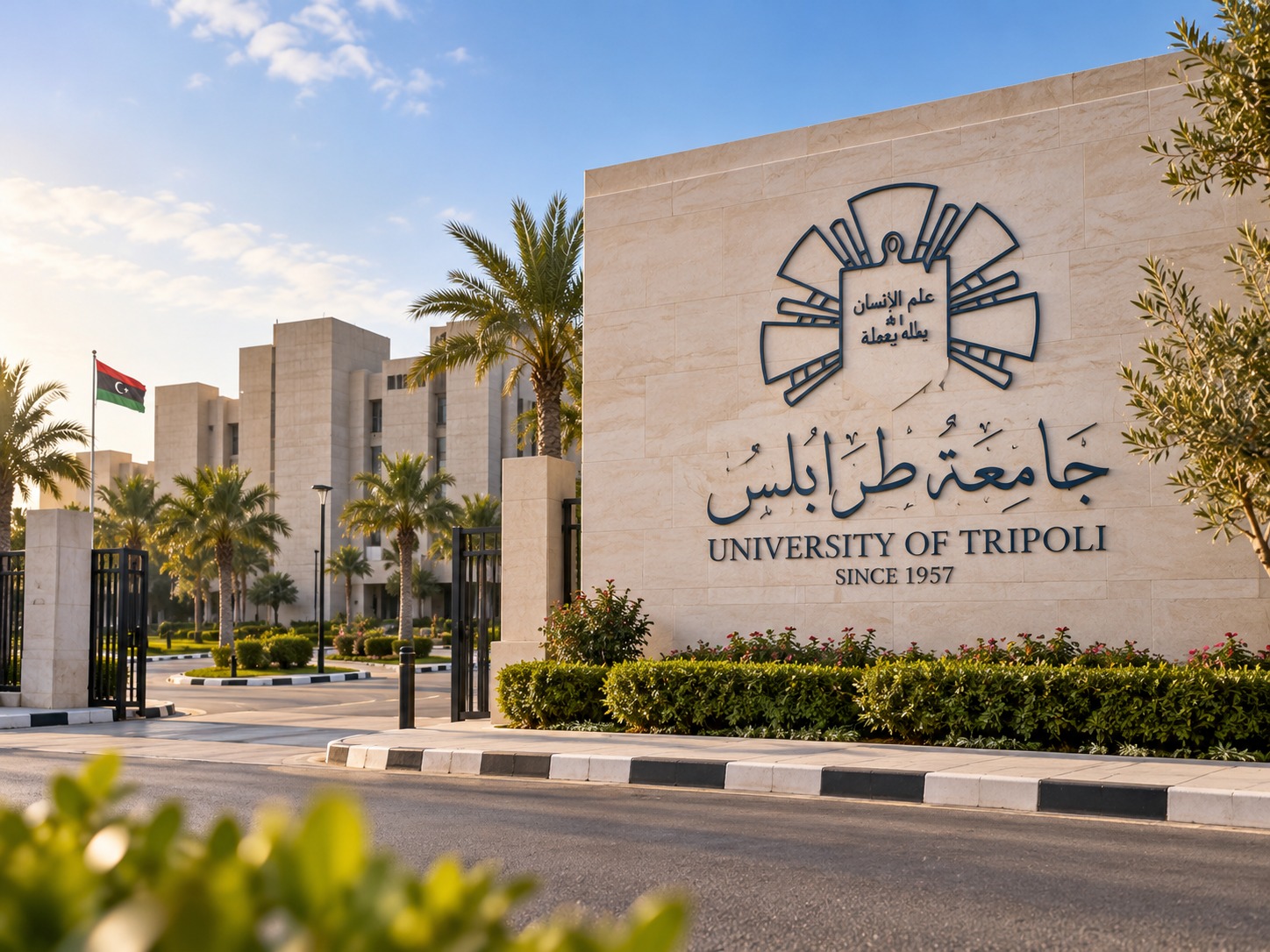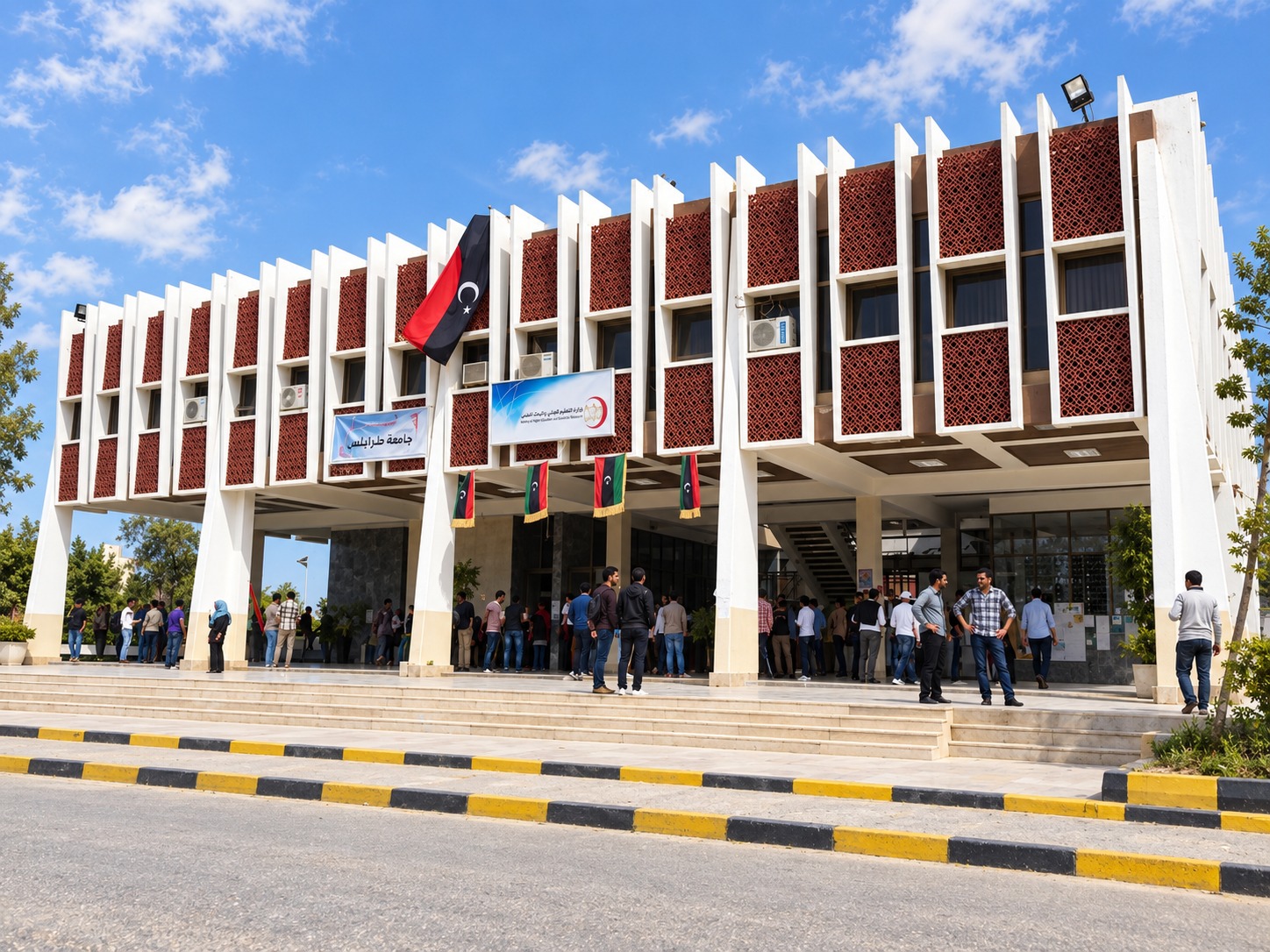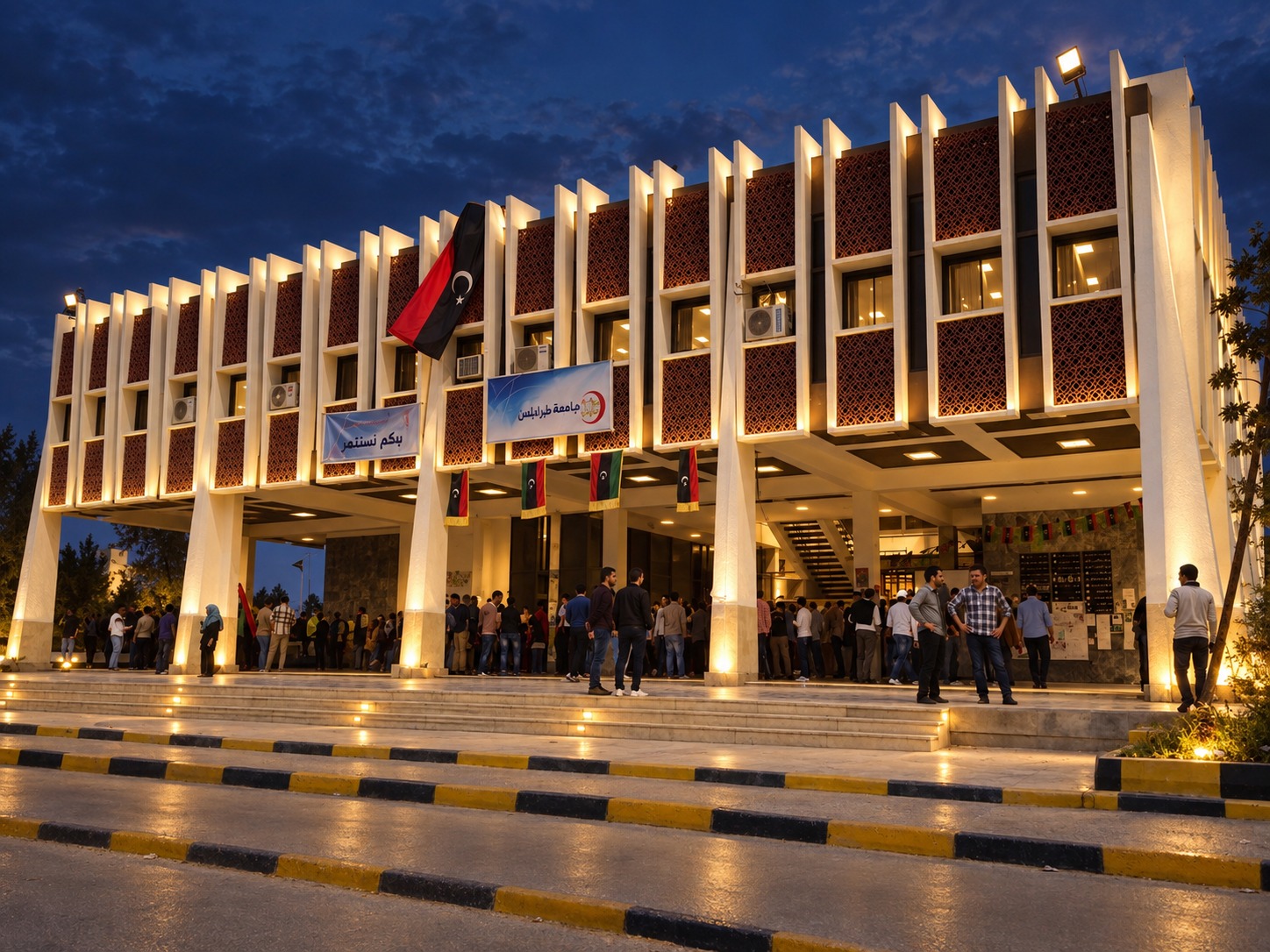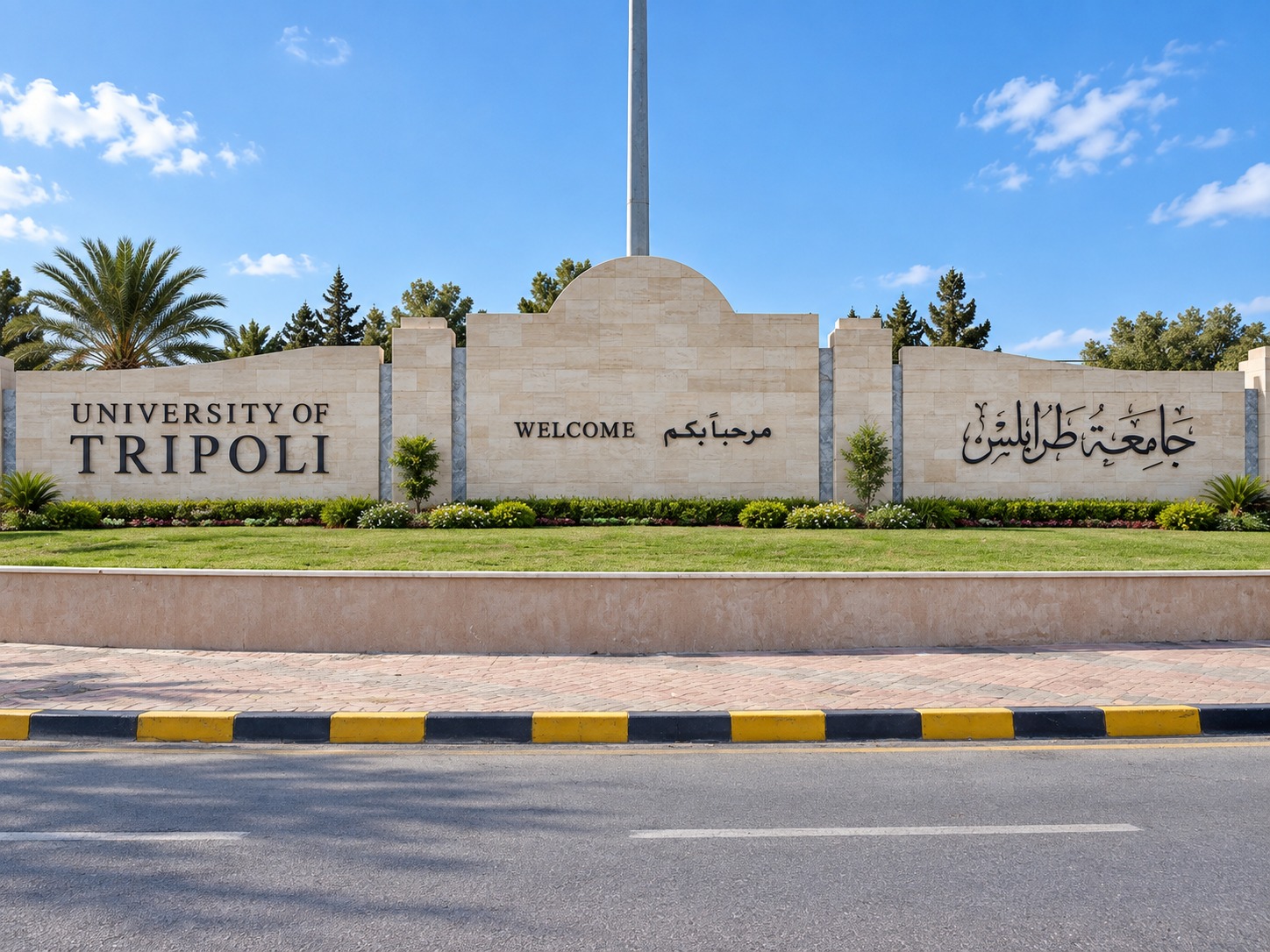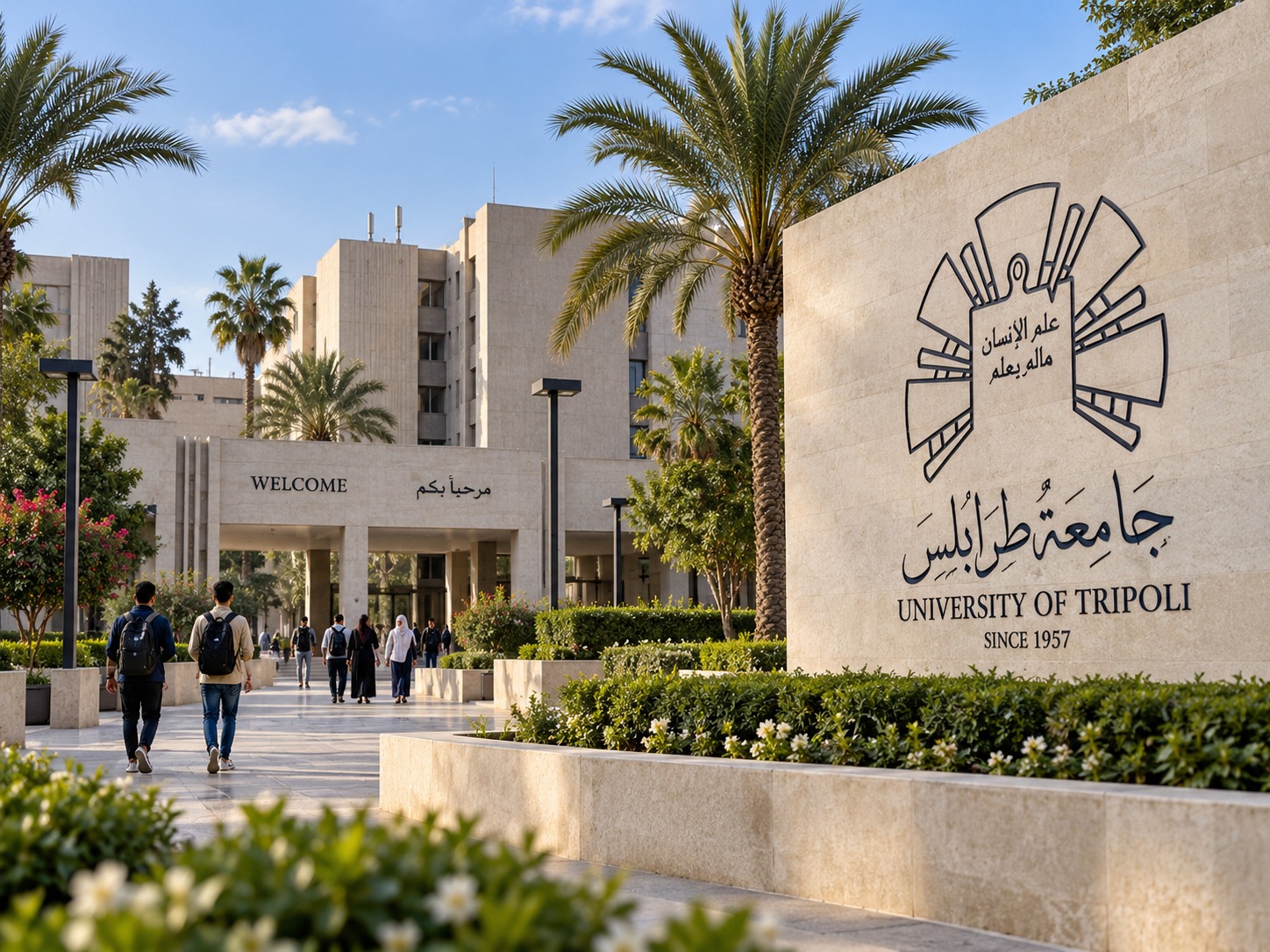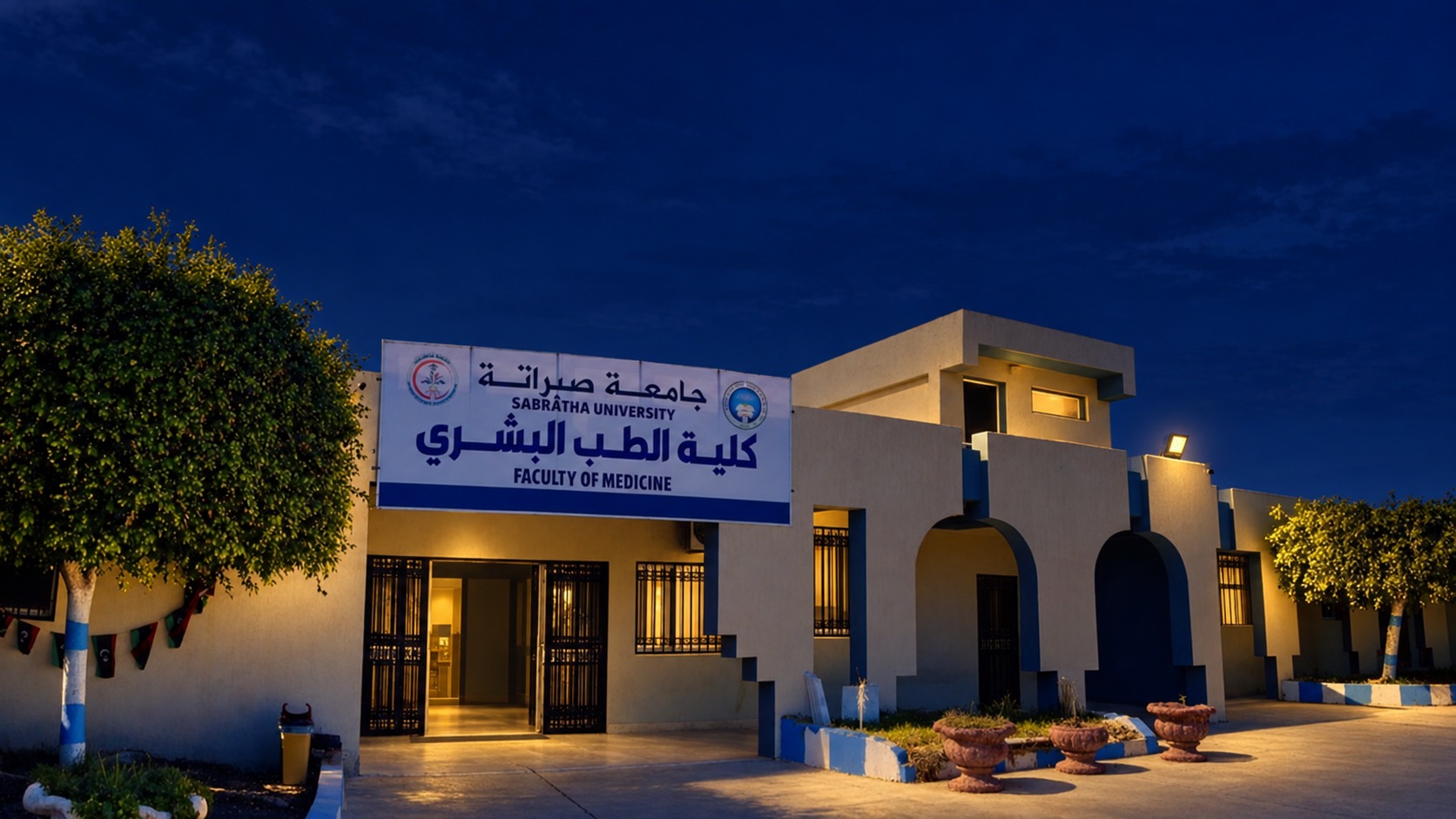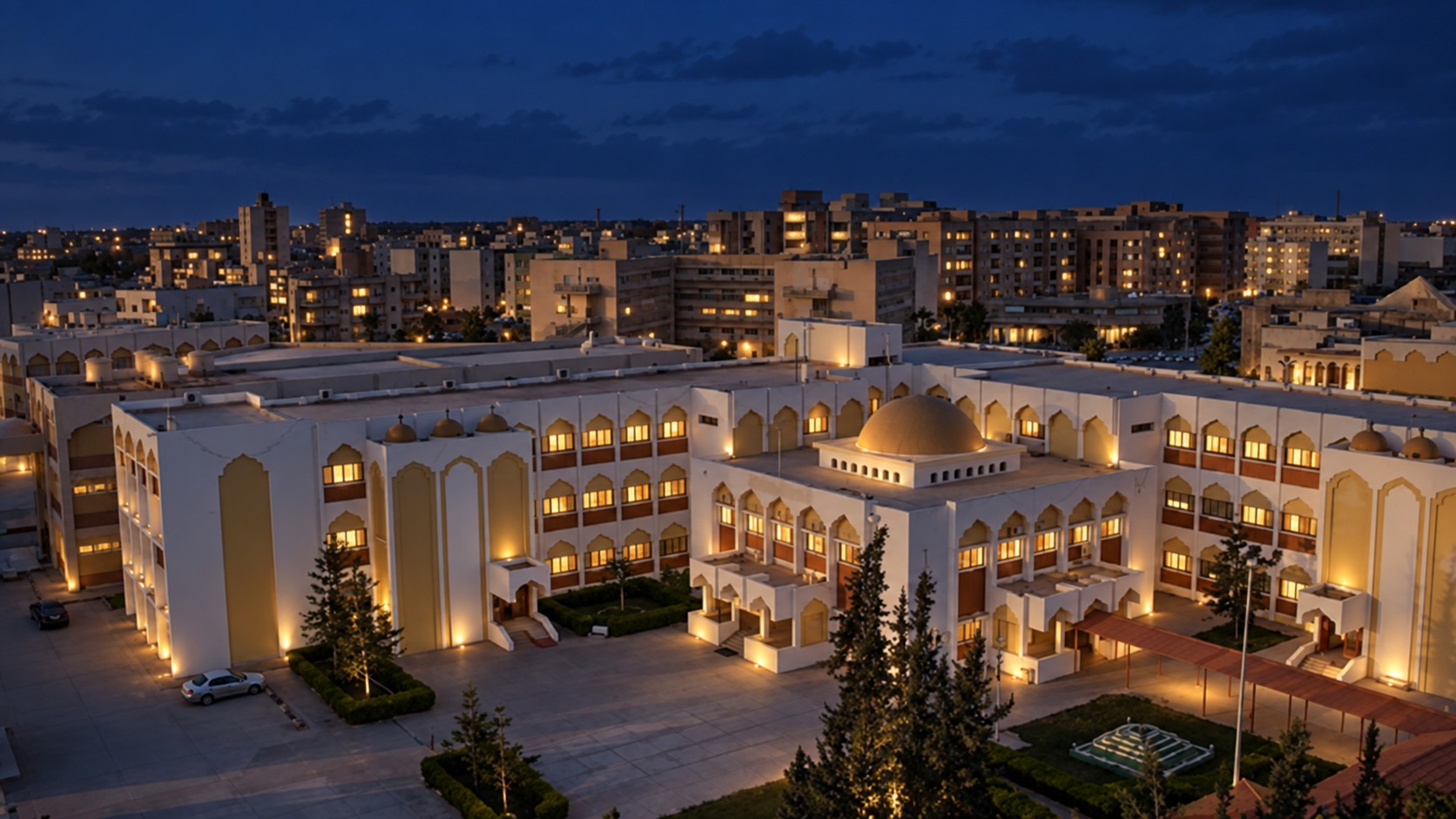

The image of the University of Tripoli expands when we look beyond the name of the faculty a student wishes to enroll in. Here, sciences stand alongside engineering, and health disciplines meet arts, agriculture, and information technology, all within an institution that holds a prominent place in the history of Libyan higher education. [1]
From Faculty of Science to Independent University
The Faculty of Science, established in Tripoli in 1957, was one of the university's founding institutions. In 1973, the Libyan University split into the Universities of Benghazi and Tripoli. The institution then underwent several name and structural changes, including a period when it was known as Al-Fateh University. [1]
This sequence helps explain the different names that may appear on older certificates or in academic publications. The multiplicity of names should not lead to confusion between different periods of the university or independent entities. For a new application, the reference should be the current name, faculty, and program as documented in official records.
Fields Intersecting with Community Needs
The university offers faculties of Medicine, Dentistry, Pharmacy, Nursing, and Physiotherapy, in addition to Engineering, Science, Information Technology, Agriculture, Veterinary Medicine, Law, Arts, and Media. Research groups also cover artificial intelligence, Arabic processing, signs and images, and ecosystems. [1]
This diversity allows for the exploration of a single topic from multiple perspectives. For example, the environment is not solely a scientific discipline; it is connected to agriculture, health, engineering, and economics. Students can choose a question appropriate to their level and then explore resources that help them understand it, rather than treating the disciplines as isolated islands.
Library and Research as a Daily Practice
The university offers a library and publications management program, along with a digital repository and scientific journals. [1, 2] These resources provide students with avenues for reading and documentation, but their effectiveness depends on how they are used: searching with keywords, comparing sources, and citing references while writing.
A helpful practice is for students to prepare a short critical summary each month on a topic related to their coursework. This summary should identify the main idea, the supporting evidence, and any points requiring further explanation. Over time, these summaries will develop into a knowledge base that can support their graduation project or subsequent specialization.
International Cooperation as an Institutional Channel
The university has an Office of International Cooperation with its own dedicated portal showcasing its activities and information. [3] This channel is crucial for inquiring about specific agreements or projects, rather than relying on outdated information or assuming that every collaboration grants an exchange or joint degree.
Students benefit from asking precise questions such as: What is the name of the opportunity? Who is eligible? What language is required? Is there a current call for applications? Such questions transform interest in international relations into achievable steps and distinguish between institutional cooperation and individual benefit.
The Capital in the Student Experience
The university's connection to Tripoli provides a clear urban context, with colleges located in various local areas within its campus. [1] Therefore, planning begins with identifying the college, training, and services, followed by choosing accommodation and transportation based on a realistic schedule, not just the location of the most prominent university building.
Familiarity with the local language and culture can add valuable human experience, especially in disciplines that involve interacting with people. Community engagement and visits should ideally be organized through structured channels, respecting local time, privacy, and regulations.
What completes the selection process?
The University of Tripoli deserves a thorough review by anyone seeking a comprehensive Libyan university. The student completes the picture by examining the program plan, admission requirements for international students, the final degree title, the language of instruction and training, and the actual location of the program. In health-related fields, professional requirements in the country of practice are reviewed separately. With these details, the university's scope becomes a suitable path for specific aspirations.
Sources and references
- Source 1 · uot.edu.ly
Original source title
جامعة طرابلس — التاريخ والكليات والبحث - Source 2 · uot.edu.ly
Original source title
إدارة المكتبات والمطبوعات - Source 3 · uot.edu.ly
Original source title
مكتب التعاون الدولي