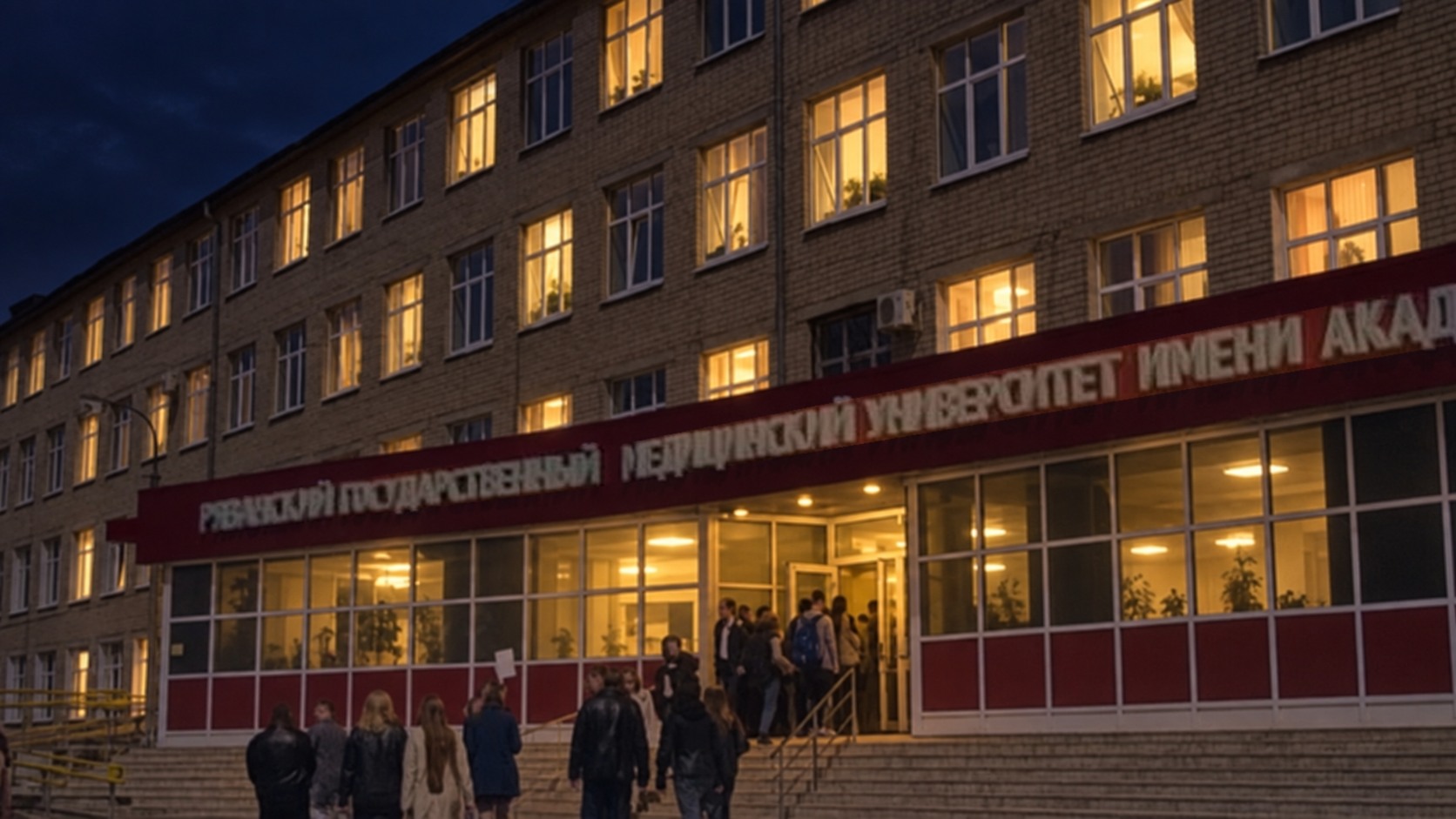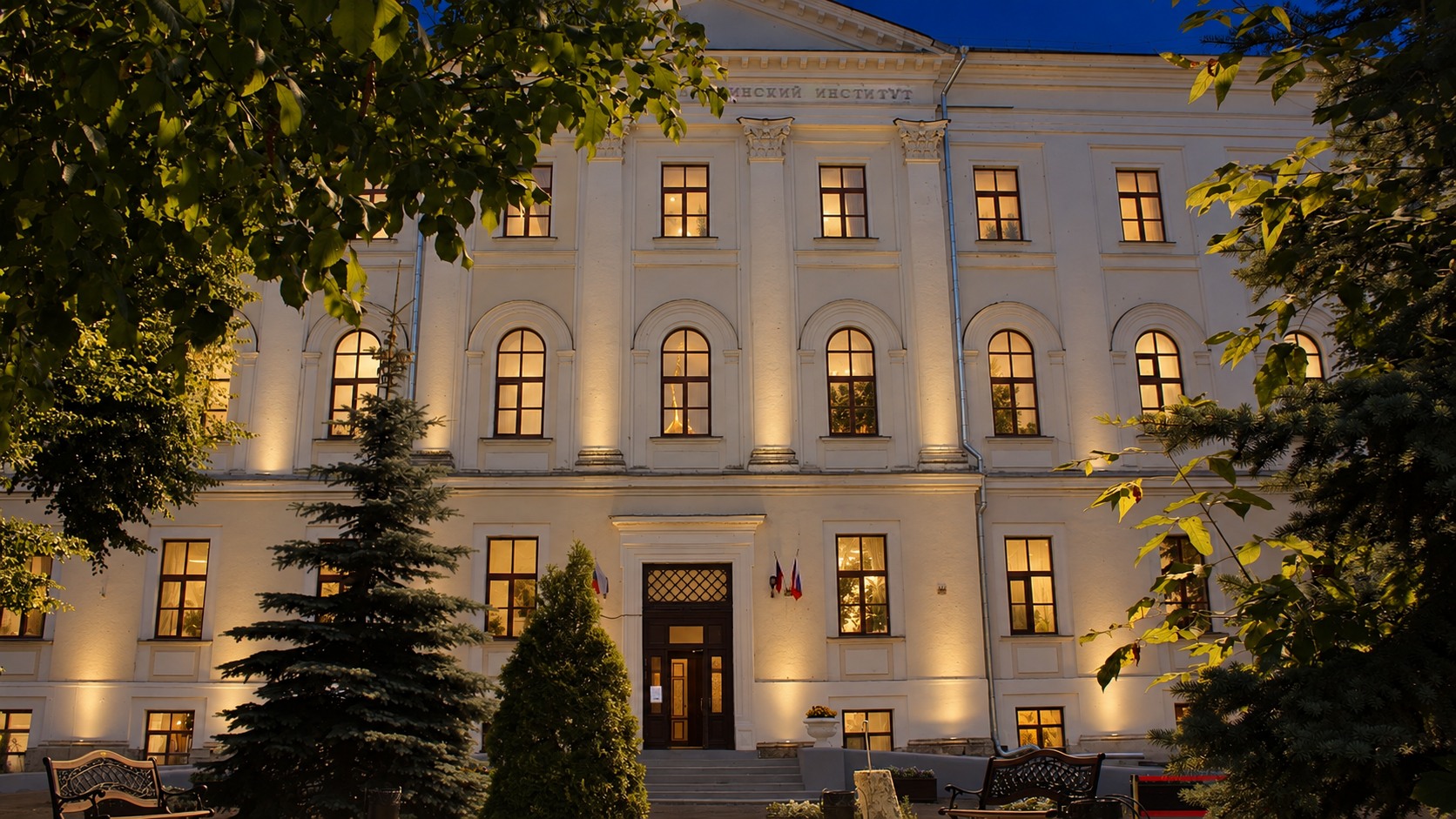
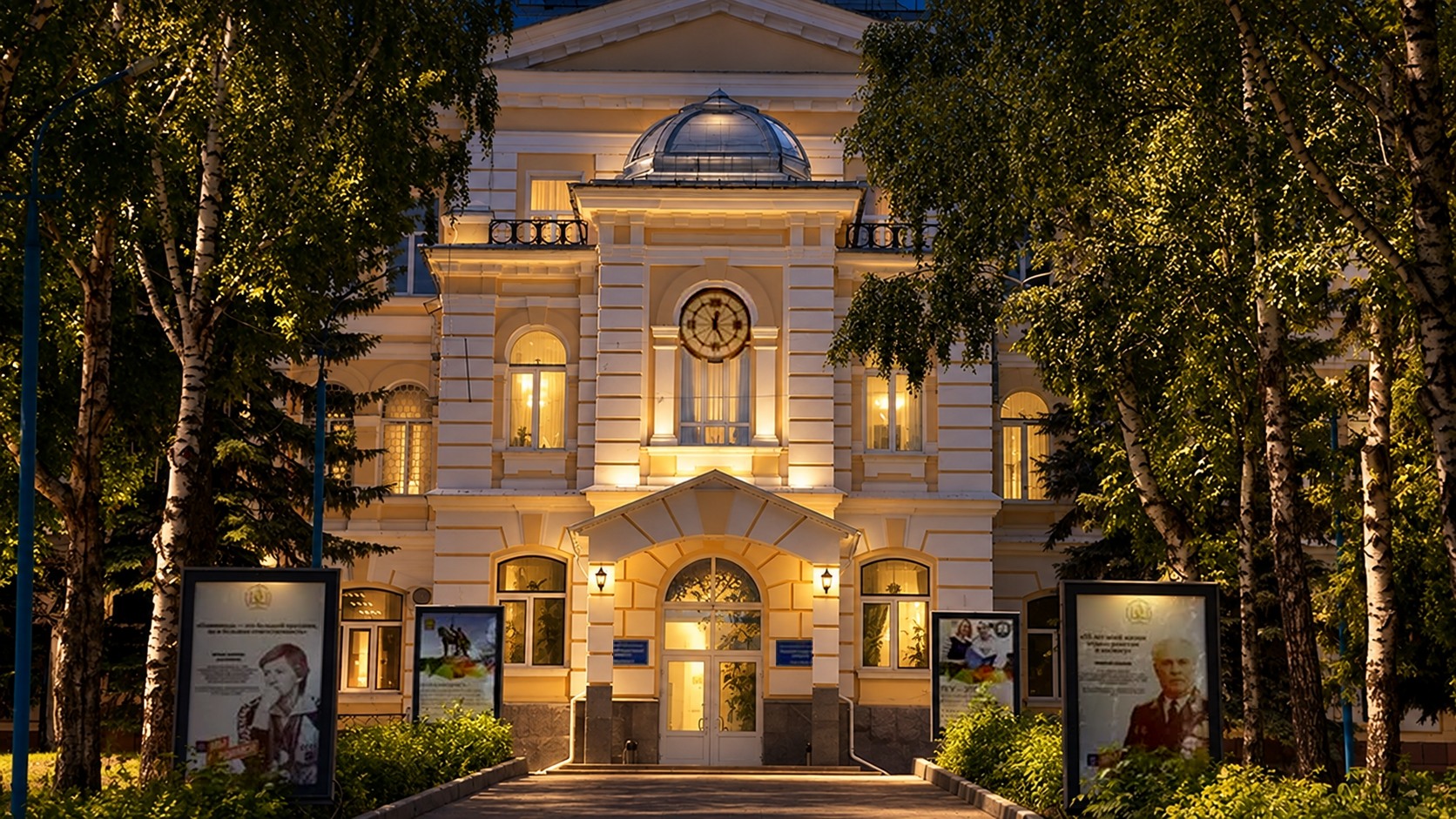

A search for the University of Penza might begin with medicine, but its true essence is revealed when we consider its engineering roots. Founded in 1943, the institution's medical institute began offering courses in 1999, creating an environment that transcends a single medical field. This structure allows students to understand the university as a place where the study of humanity, technology, and society intersect. [1]
From Engineering Origins to Multidisciplinary University
Located on Krasnaya Street in Penza, the university's structure encompasses technical, scientific, and humanistic fields alongside medicine. A key distinction here is that medical students attend an institute within a multidisciplinary university, not a separate medical institution solely named after the city. [1]
This model isn't automatically superior to a specialized university, but it offers a different experience. Students may enjoy interacting with peers interested in energy, computing, and international relations, and engaging in discussions that extend far beyond the confines of the medical curriculum. These encounters can broaden their vocabulary and perspectives when these connections evolve into structured collaborations.
Pathways Worth Comparing
The reference profile includes general medicine, dentistry, pharmacy, and psychology, along with computer science, computer engineering, electrical power, international relations, and biology. Each path should be read according to its specific plan, grade, and admission requirements, not as a single list of accepted students. [1]
For a student interested in both health and technology, comparing medicine to medical computing or pharmacy to biology can be an opportunity to define their future role. Do they prefer direct clinical interaction? Building a digital tool? Working in a laboratory? The appeal of the subject is not enough; what matters is the nature of the daily studies and the skills they want to develop.
Medical Institute and Practice
The institutional profile indicates the presence of a clinical medical center within the university environment. This feature is understood as a potential learning resource whose use is reviewed within the specific program, not as a promise that every student will have the same cases or hours. [1]
The benefits of the training begin with thorough preparation beforehand: reviewing the material, writing questions, and then taking notes of what the student learned after the activity, without including any personal patient data. Over time, a record of progress is formed that links knowledge, skills, and professional conduct, rather than relying solely on attendance records.
Meaning of “Intermediate Language”
English is mentioned in the previous reference as an intermediate language for some programs. This formulation does not imply that all lectures, exams, and clinical phases are conducted in English; therefore, students should request a written description of the language used throughout their studies. [1]
Helpful questions include: When do I start interacting with patients? What level of Russian is required? Is there a course in medical language preparation? Early answers do not diminish the appeal of the experience; rather, they help create a realistic plan that makes language a tool for understanding and participation, instead of remaining a vague clause in the contract.
University Life in a Regional City
The university operates student residences, and the reference indicates a main complex of buildings near the center of Penza. Students can organize their choice of accommodation based on the buildings they will actually use, the surrounding amenities, the room type, and the quiet environment conducive to studying. [1]
The experience does not need to resemble studying in the capital to be enriching. Living in a university residence hall can provide a space for establishing a consistent routine and building lasting relationships. This depends on the student's involvement: a study group, a cultural activity, or a small project they collaborate on with their peers and continue throughout the semester.
What makes this choice special?
Penza offers a unique blend of technical expertise, medical education, and academic diversity. This approach is ideal for those seeking a multidisciplinary university with a specific program tailored to their goals. Ultimately, the focus should be on the curriculum, language of instruction, training, and accreditation, as the true value of choosing this institution lies in the details of the program, not just the breadth of the options.
Sources and references
- Source 1 · www.pnzgu.ru
Original source title
ملف UNIVEX المرجعي المؤسسي