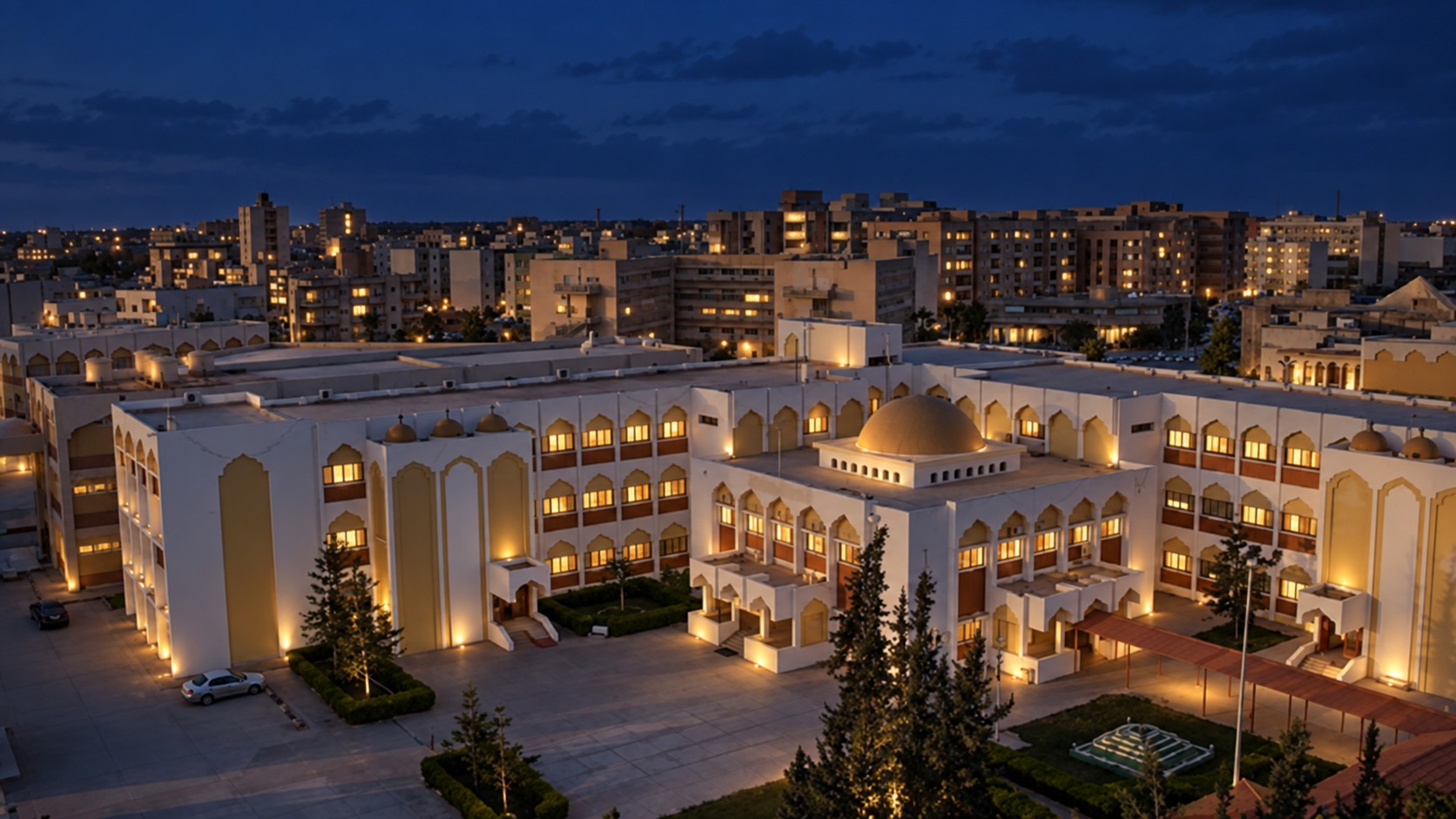
The Asmariya Islamic University in Zliten combines roots in religious education and Arabic language studies with scientific, health, and technological fields added to its academic structure. Therefore, it cannot be defined solely as a religious institution, nor simply as a general university devoid of specialization; its identity is based on the convergence of heritage and academic expansion. [1, 2]
From a Historical Educational Environment to a University
The founding page connects the university's origins to the vicinity of the Zawiya of Sheikh Abdul Salam Al-Asmar in Zliten and mentions the institution's establishment by official decree in the 1990s. It then documents the name change in 2013 and the transfer of the affiliation of scientific faculties in Zliten from Al-Marqab University to the Asmariya Islamic University. [1]
This progression illustrates the difference between the age of the educational heritage in the area and the age of the university as a modern, legal entity. It also explains why the disciplines of language and Islamic law coexist with applied fields today, without one replacing the other.
Language and Sharia at the Center of Identity
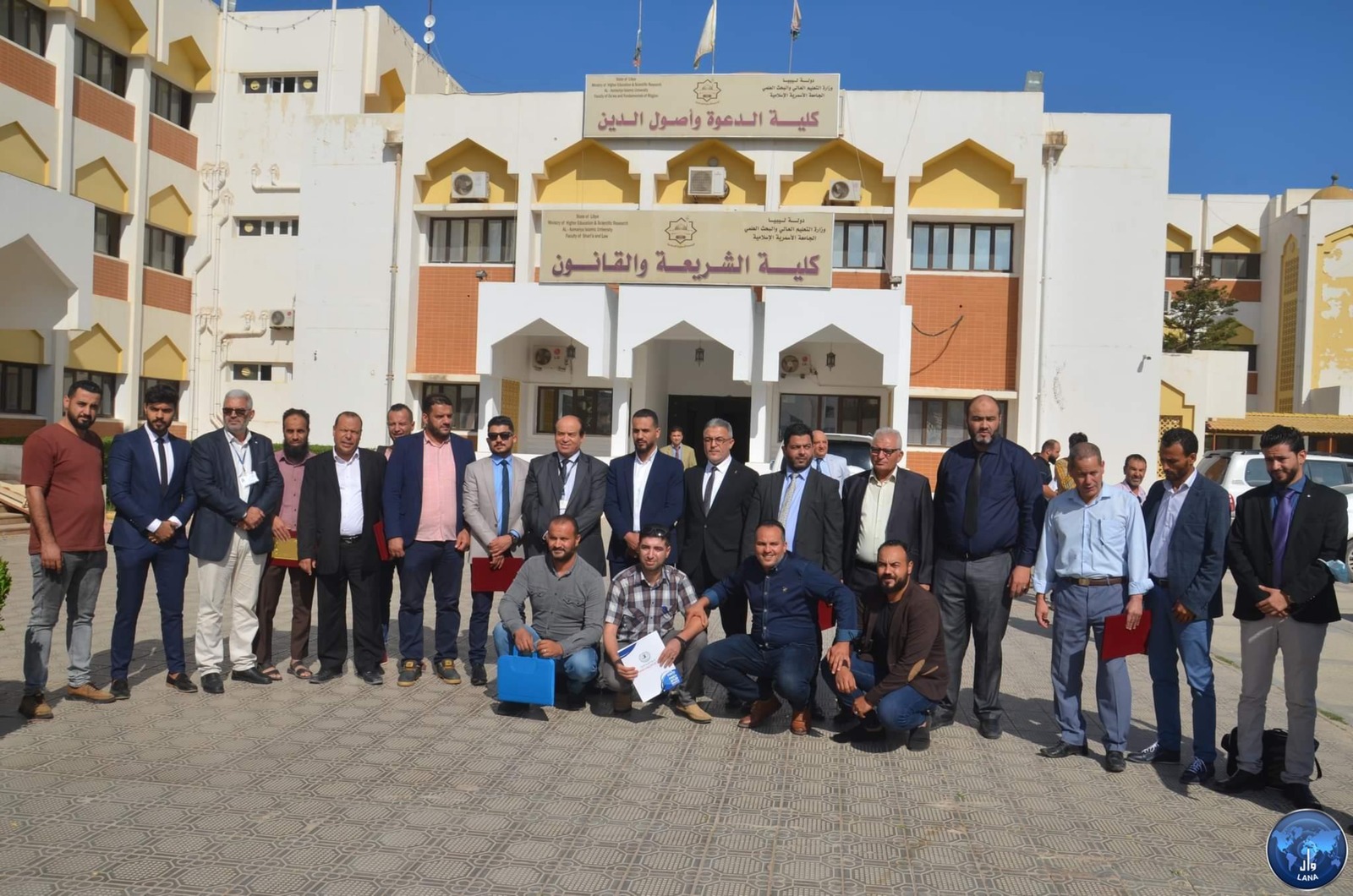
The university's structure includes colleges of Da'wah and Fundamentals of Religion, Sharia and Law, Arabic Language and Islamic Studies, in addition to Arts, Education, and other humanities fields. [2] Students interested in these tracks benefit from reading about the nature of the texts, methodologies, and research skills required, rather than simply focusing on the title of their specialization.
For example, studying Arabic may lead to linguistic and literary analysis, editing, and teaching, while Sharia research requires mastering terminology, understanding context, and comparing sources according to academic methodology. In law, knowledge of the legal system being studied is a fundamental part of determining a student's future career path.
Sciences Broaden the Scope of Inquiry
The university also offers colleges of Medicine, Dentistry, Pharmacy, Health Sciences, Engineering, Information Technology, Marine Science and Resources, and Economics. [2] This diversity allows the reader to see an institution with multiple interests, with varying study and application requirements from one field to another.
One idea students can explore is linking their specialization to community service: a specific course, a study of a local need, or a small technology project. These are merely guiding examples and do not constitute a guarantee that the university will undertake a specific project for every student.
Research, Innovation, and Student Channels
The structure includes research, information, entrepreneurship, and innovation centers, offices for international cooperation and e-learning, and a student activities department. [2] These units provide applicants with clear contact information for their specific inquiries.
For example, asking about course registration differs from inquiring about a research opportunity, and asking about certificate authentication differs from asking about participation in an activity. The more clearly worded and well-organized the inquiry is, the more efficient the follow-up process becomes, and the less reliant it is on informal information.
Zliten and the Cultural Learning Experience
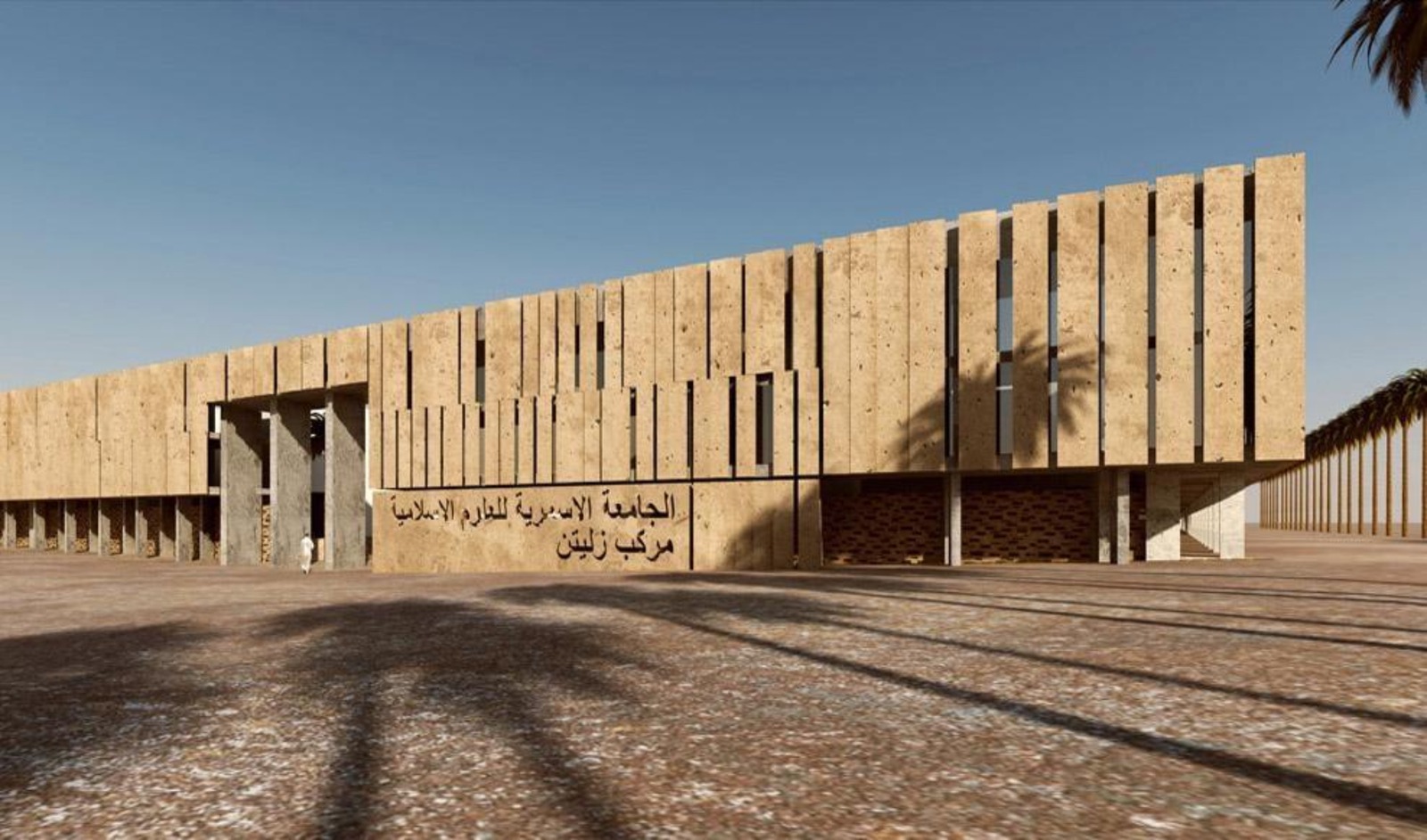
The administration is headquartered in Zliten, and the college map shows extensions to other locations depending on the academic unit. [1, 2] Therefore, the program location should be determined before planning accommodation, and it should not be assumed that all colleges hold their classes in one place.
The institution's cultural identity provides an engaging topic for the curious student: How is knowledge transmitted across generations? And how does heritage become a subject of university research? These questions can be addressed through reading, documentation, and organized academic meetings, while respecting the diversity of backgrounds and interests.
From Introduction to Choosing a Path
Al-Asmariya deserves special attention from those interested in Arabic and Islamic studies, as well as those wishing to explore its academic programs. The profile is completed by confirming the current program, eligibility requirements for international students, language of instruction, location, fees, and training. With these details, the university emerges as it truly is: an institution with a distinctive identity and multiple pathways, each requiring separate exploration.
Sources and references
- Source 1 · asmarya.edu.ly
Original source title
الأسمرية — تأسيس الجامعة وتطورها - Source 2 · asmarya.edu.ly
Original source title
الأسمرية — الكليات والمراكز