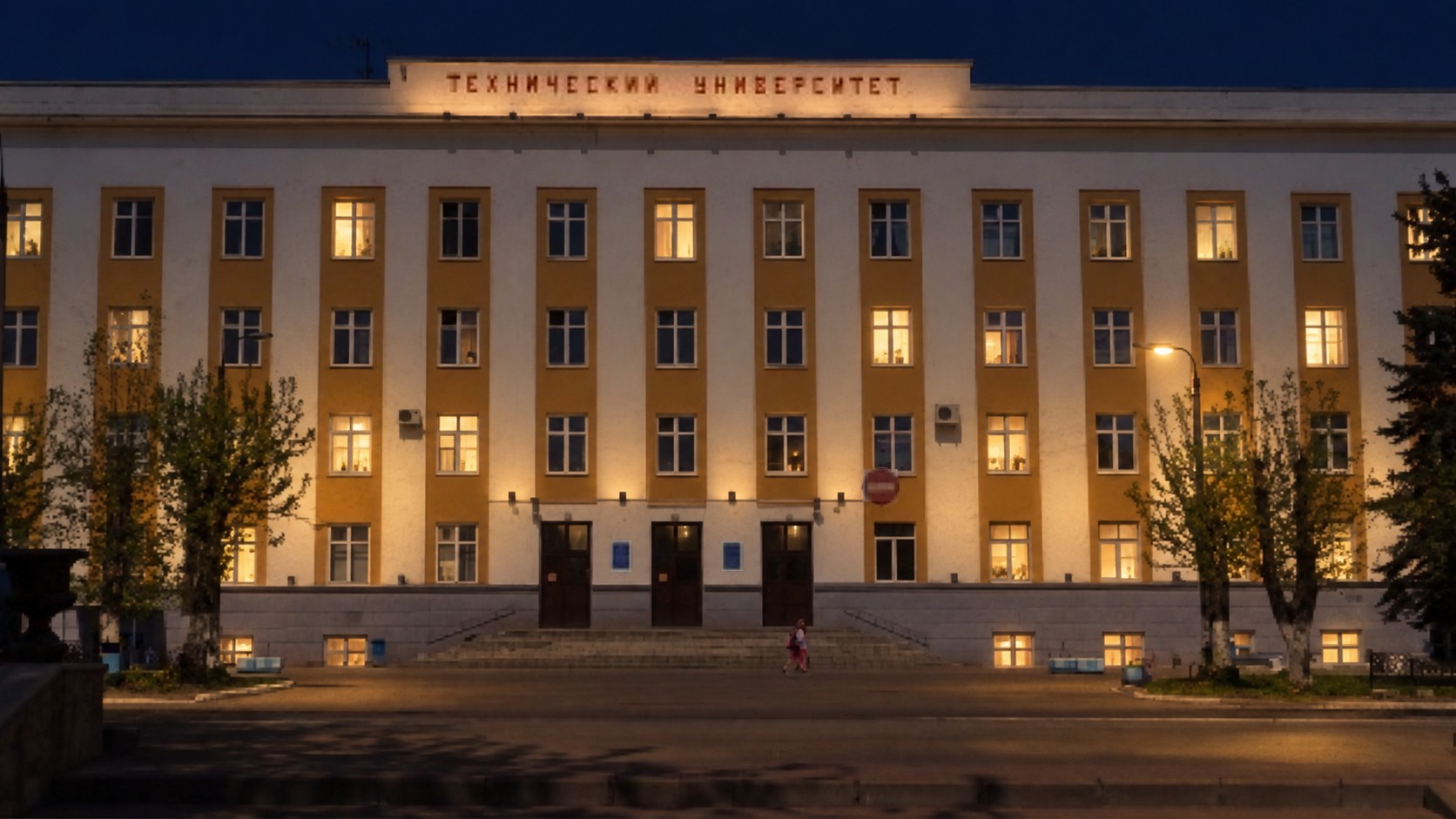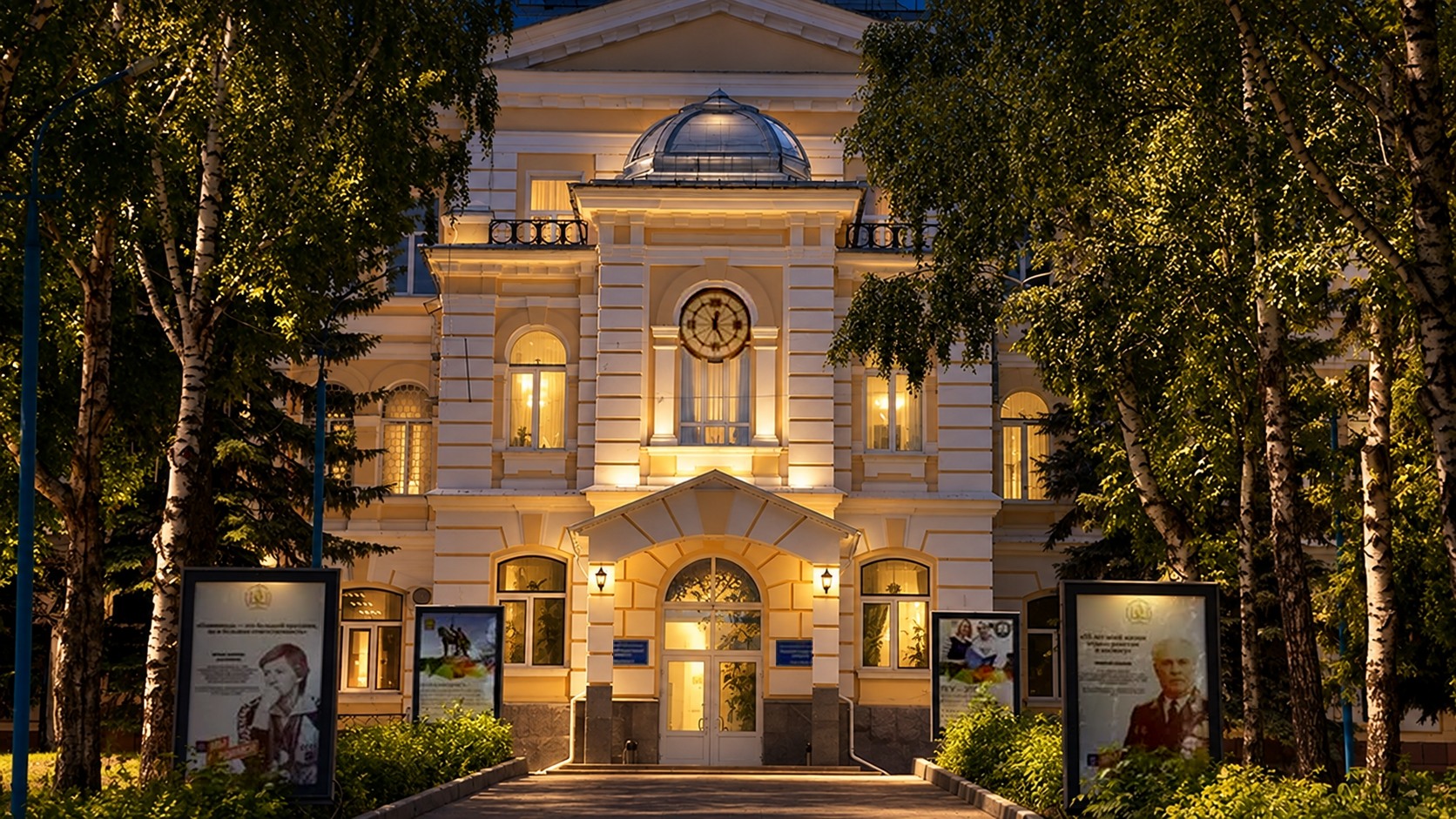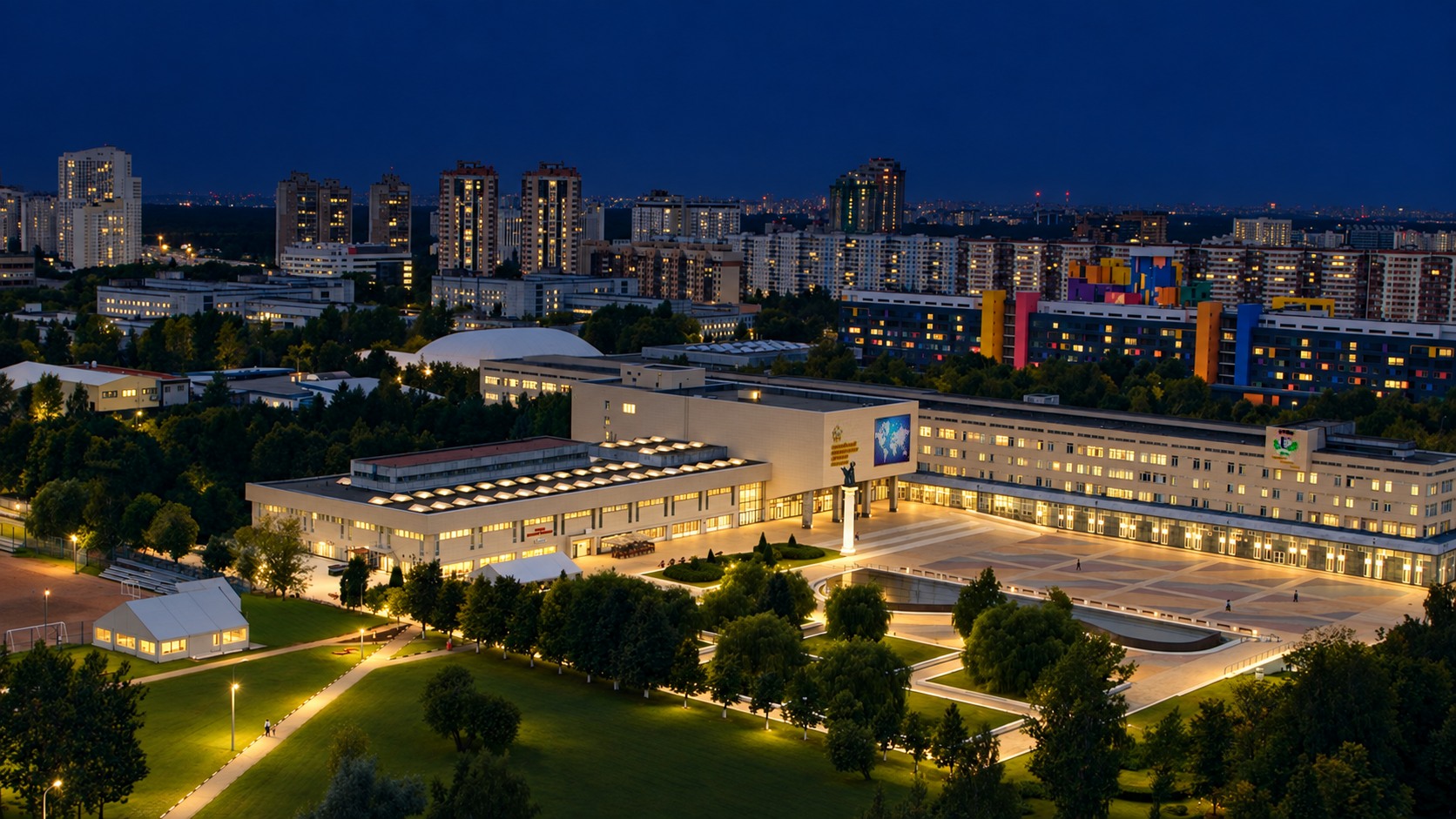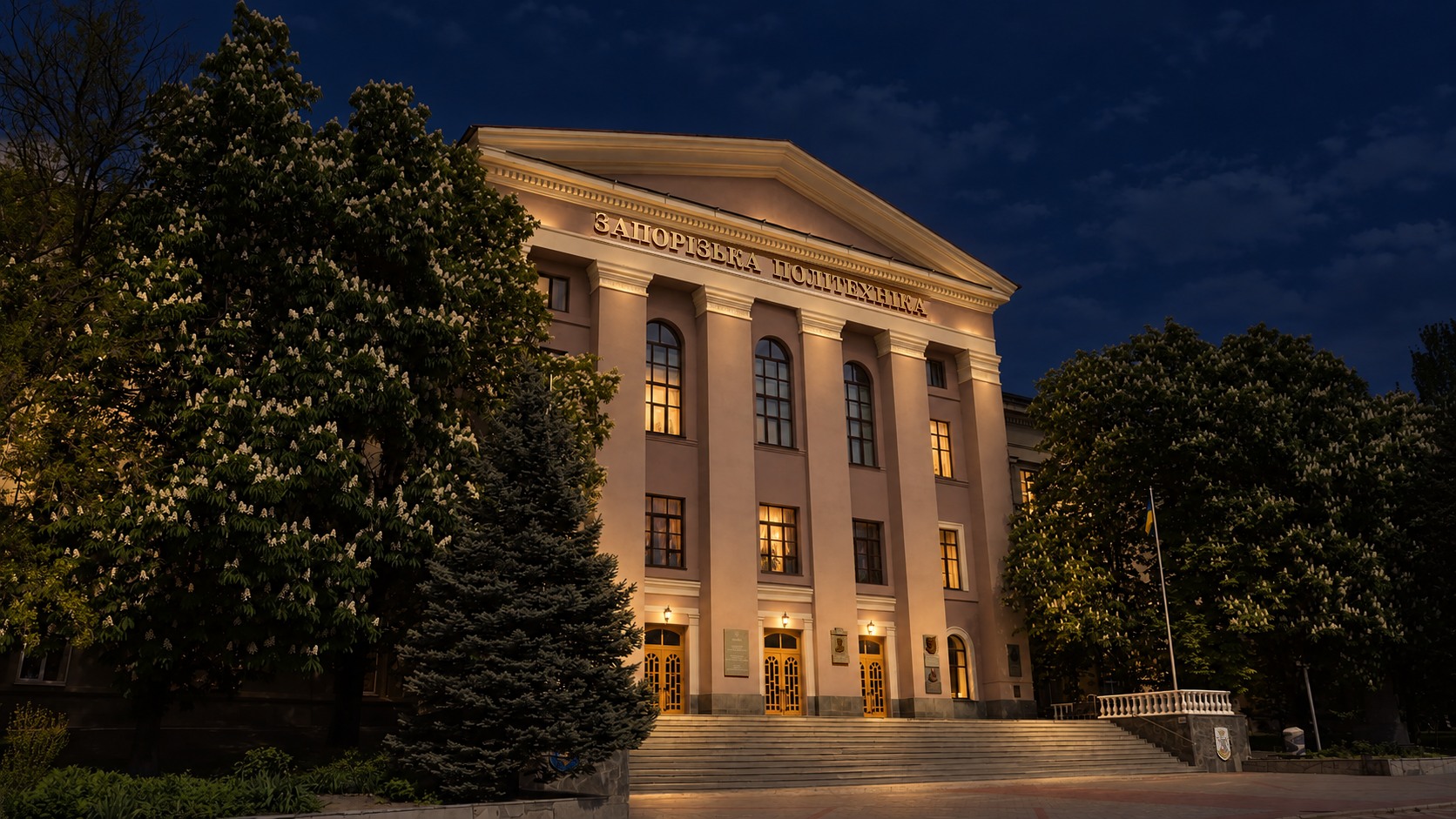
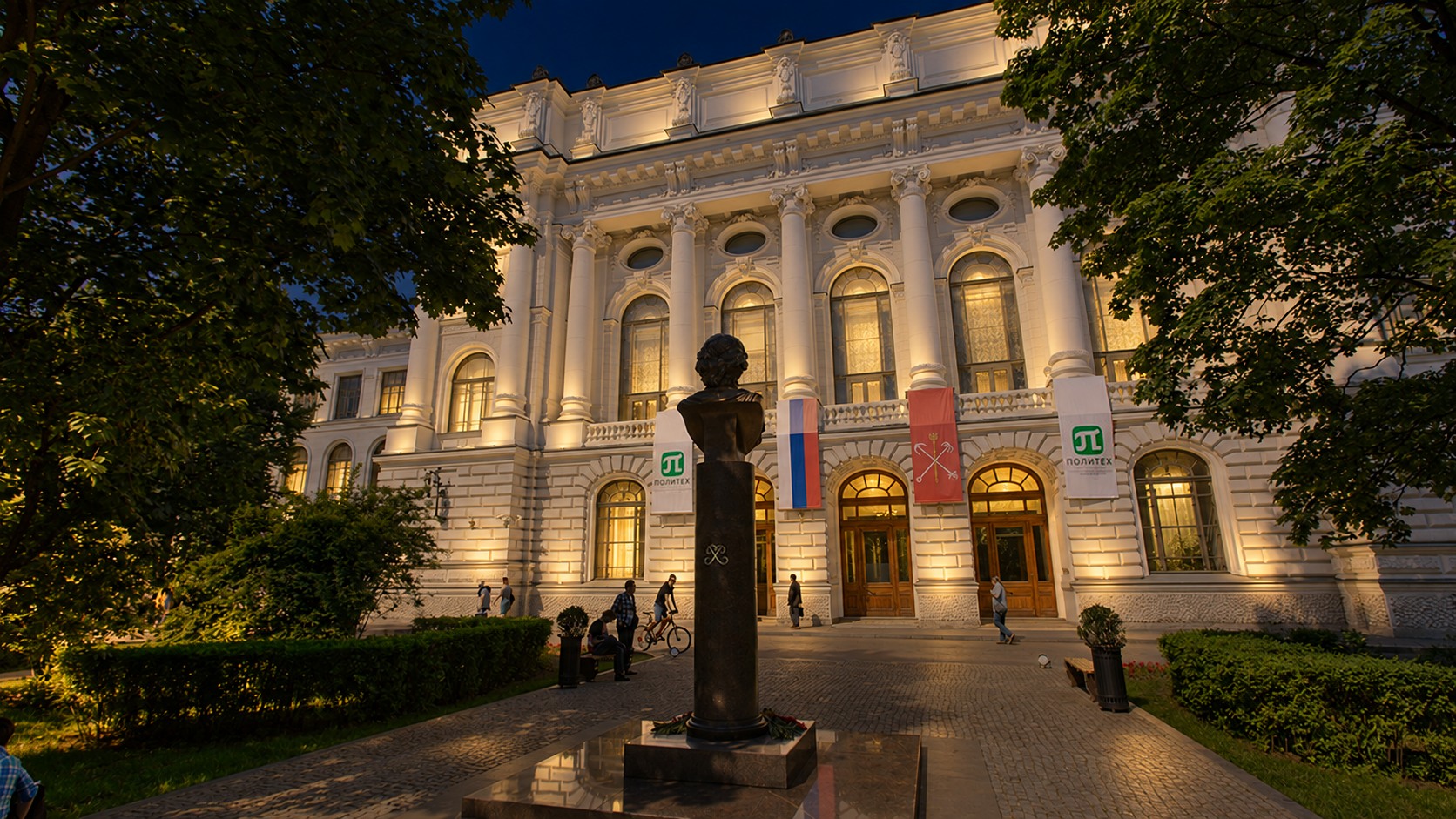

Peter the Great Polytechnic University in Saint Petersburg can be understood through the lens of an engineering complex: buildings for teaching and research, disciplines dealing with energy, matter, and information, and a student life that extends far beyond a single lecture hall. Founded in 1899, the university's origins are deeply intertwined with industrial and technical education. This heritage remains evident in the way its institutes and projects are presented today. [1, 2]
From Technical University to System of Disciplines
The current structure encompasses civil engineering, energy, machinery, materials and transportation, cybersecurity and computer science, electronics and communications, physics and mathematics, biomedical systems and biotechnology, as well as industrial management, economics, and the humanities. [3]
These are not merely names juxtaposed; they represent different ways of understanding a single system. Designing a building requires matter, computation, and energy; developing a device requires electronics, software, and user understanding; and transforming a prototype into a product demands organization and economics. Students can leverage this interconnectedness to choose their path, always keeping in mind the requirements of their chosen degree.
Research Resources with Specific Topics
The website features a materials design and manufacturing lab, as well as centers for computational biology and medical systems, a supercomputing department, a technology park, and an intellectual property and technology transfer center. Research and education centers affiliated with Gazprom Neft are also listed. [3]
These examples illustrate the diverse nature of engineering work, encompassing computation, experimentation, and application. The presence of a research resource does not imply that it is open to all students; however, it is more beneficial to inquire about it when it is specific: Is it related to the graduation project? Is there a research opportunity appropriate to the level? What training is required before entering the lab?
Studying in English by Degree
The portal offers Russian and English-language tracks, dual programs, summer and winter schools, and academic exchanges. The reference review indicates that English-language engineering options were more prevalent at the master's level, while English-language bachelor's degree options included business and economics. [1, 3]
Therefore, it is not enough for a student to simply state that they want to study "engineering in English." They must specify the field, level, and program name. What is available to a bachelor's degree holder applying for a master's degree may differ from what is available to a high school graduate, and the academic and language requirements vary from one track to another.
The Project as a Learning Method
The nature of engineering allows for learning through a problem that can be defined and a solution tested: energy consumption, material performance, software reliability, or the organization of a production process. The plan a student chooses deserves to be viewed from this perspective: Where does the design learning take place? When does the student build a model? And how are the results evaluated?
A good project is not solely based on its presentation. Its value lies in defining constraints, using appropriate data, documenting assumptions, and explaining why the solution works or needs modification. These are habits that a student can develop in any coursework assignment and then apply to a larger project.
Campus and International Life
The main campus is located on Politkhnicheskaya Street. The university provides a campus map, a virtual tour, housing services, mentoring support, student societies, and an office for international education. The locations of services and buildings are reviewed, as some procedures take place at different addresses. [1, 3]
A virtual tour can help organize questions before arrival: Where is the institute? How does a student get around between the dorms, labs, and library? Choosing a room and budget requires up-to-date information, not just campus photos.
Why include it in the comparison list?
Peter the Great's model is characterized by its broad scope, linked to research and application, within a university with a clear technological history. It is suitable for those who want to transform their interest in systems into structured study and an assessable project. Verifying the program, language, accreditation, and available opportunities remains the crucial step in making this interest a coherent academic decision.
Sources and references
- Source 1 · english.spbstu.ru
Original source title
ملف UNIVEX المرجعي المؤسسي - Source 2 · english.spbstu.ru
Original source title
تاريخ جامعة بطرس الأكبر - Source 3 · english.spbstu.ru
Original source title
الموقع الرسمي للجامعة