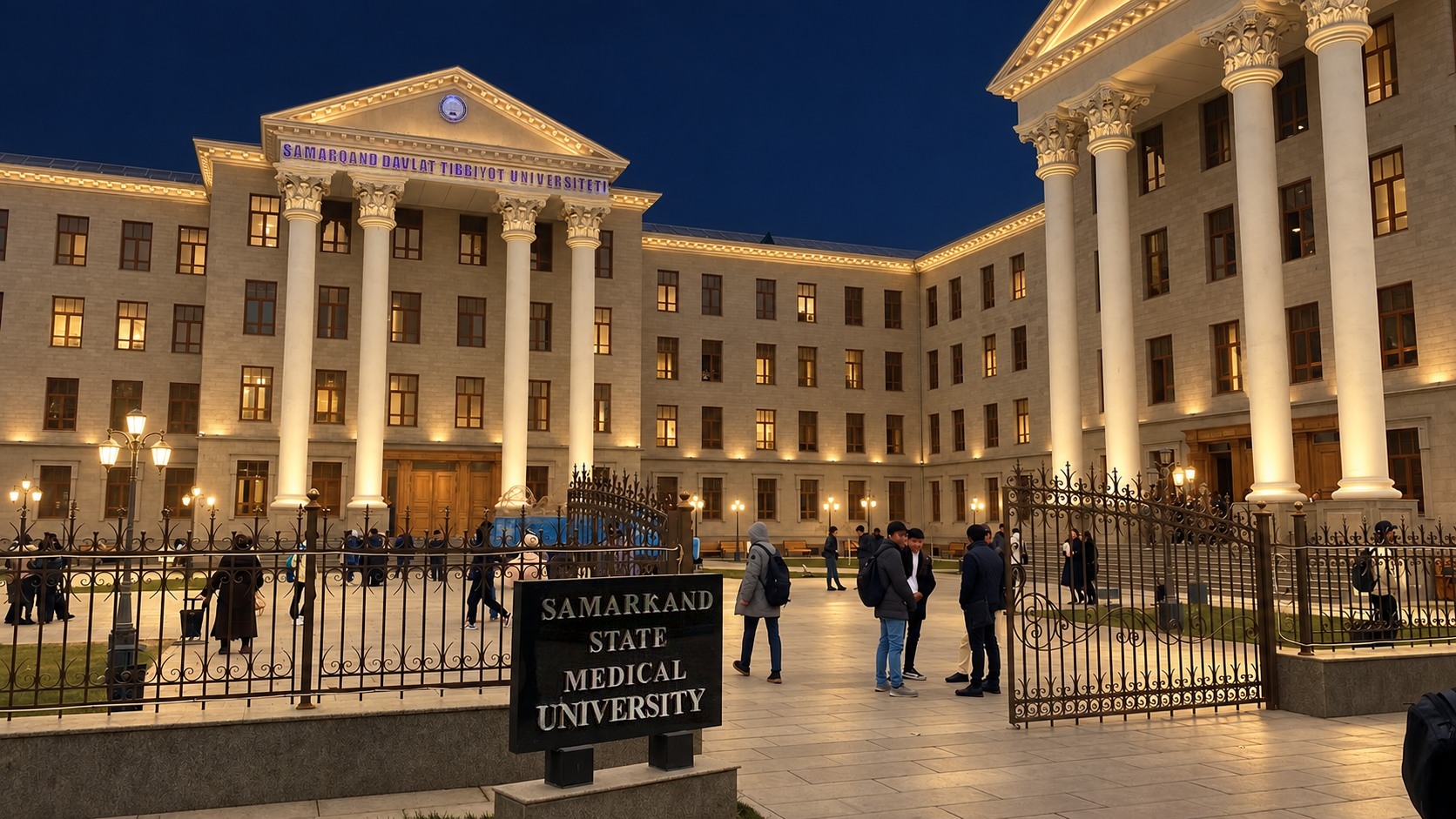
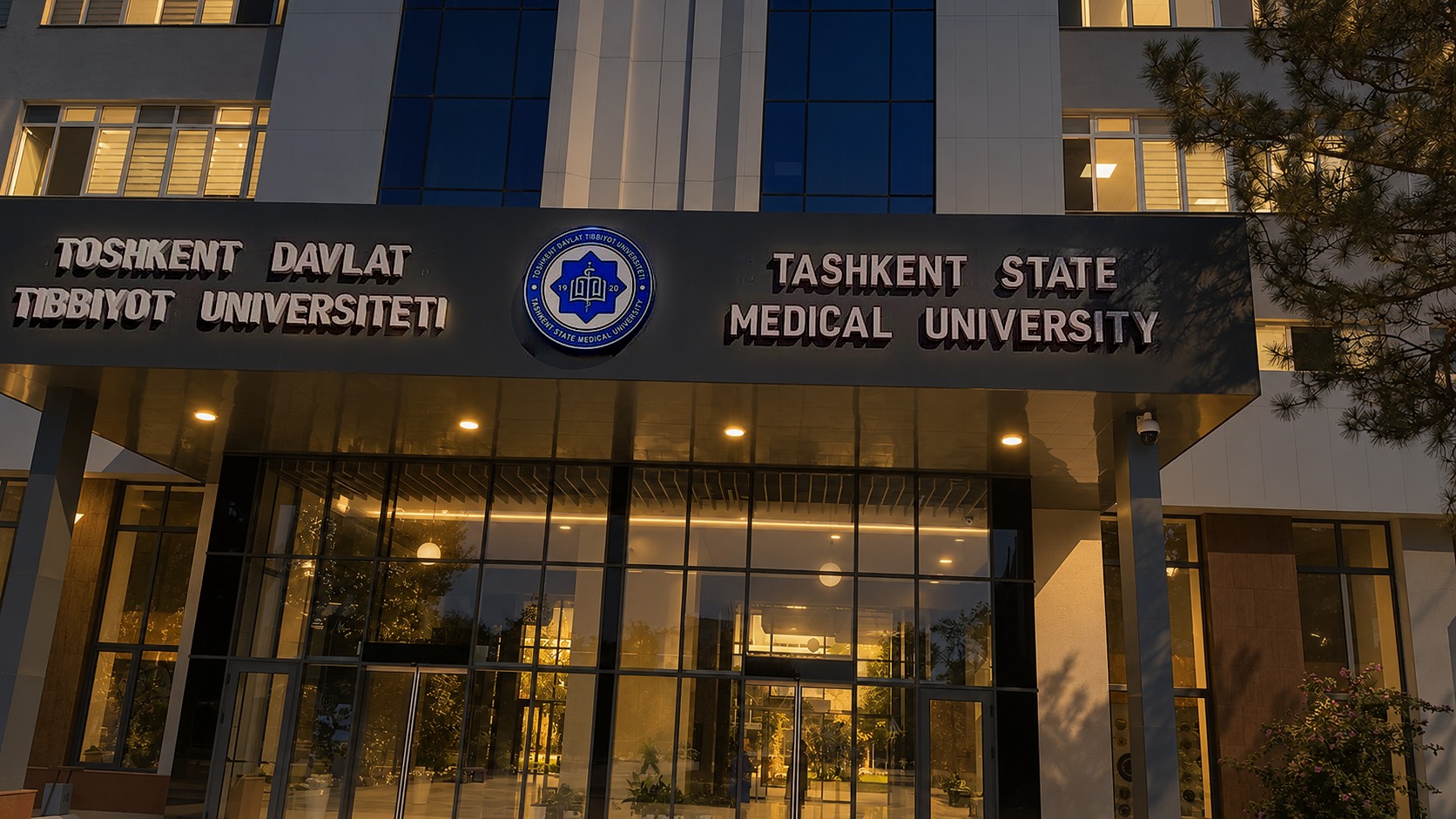
Understanding Tashkent State Medical University requires distinguishing between the history of the current entity and the history of its predecessor institutions. The university, in its current form, was established in 2025 through the merger of the Tashkent Medical Academy, the Tashkent Pediatric Institute, and the Tashkent State Dental Institute. Therefore, the previous names should not be treated as if they were separate universities identical in every detail to the current situation. [1, 2]
Why Does Understanding the Change Matter?
The correct name affects the interpretation of the admission letter, the program, and the awarding body. The UNIVEX reference file already contains the new name, along with a note about the institutional restructuring. [2] This is not a mere formality; students want to know which institution they will be attending and where they will be studying, not just recognize a name familiar from previous announcements.
The academic file can include a historically common name alongside the current legal name for clarity, but the official document is the definitive reference. When transferring from another institution, the consistency of courses, hours, and documents becomes more important than simply having a similar degree title.
Three Roots and a Broader Health Environment
The combination of medicine, pediatrics, and dentistry highlights the possibility of understanding healthcare from multiple perspectives. The Times Higher Education profile lists areas of nursing, public health, medical sciences, specialist training, and research studies. This is a published overview, not a detailed, post-merger admissions list for each college and campus. [3]
The value of these areas lies in their distinct questions. Pediatrics places growth and family at the heart of practice, dentistry combines health knowledge with precise work in an oral environment, and public health focuses on prevention and population health. Their presence within a single university setting does not erase the boundaries of the professions, but it does help visualize their integration.
From Foundational Knowledge to Clinical Thinking
The Times Higher Education profile lists resources for scientific research, information, information technology, and the history of medicine. Clinical training locations and simulation details for the specific program are not inferred from this overview. [3] For the student, the most important information is how the plan transitions from scientific foundations to case management: What skills are required? How are they assessed? When does training begin, and under whose supervision?
The learner can develop a habit of connecting each core topic to its application without rushing into practice. When studying the function of an organ, they ask how its dysfunction manifests, then reflect on the limits of what they have learned and what needs to be supplemented. This method fosters understanding, while treatment decisions remain the responsibility of qualified specialists.
International Readiness Begins with Accurate Documentation
The university's international presence is linked to academic cooperation programs and services, and it offers educational arrangements for students from outside Uzbekistan. [3] However, details regarding language, admission requirements, the number of years of study, and the training location are found in the specific offer for the current course, not in an outdated advertisement from a previous academy.
It is also important to distinguish between institutional recognition and the eligibility of a graduate of a particular program to obtain a license in a specific country. A profession may require equivalency, an examination, or additional training; therefore, the entire path from study to practice should be reviewed before making a financial decision. Clarity on this point protects the value of the educational investment and does not detract from highlighting the university's advantages.
Living in the Capital as an Independent Experience
The university is located in Tashkent. [1, 3] Students need to determine their actual study location when arranging accommodation and transportation, especially at an institution with multiple academic backgrounds. A simple map of their weekly schedule can help them choose a practical routine that balances studying, the local language, and relaxation.
Tashkent State Medical University presents the story of a relatively new institution built upon diverse past experiences. What makes this article particularly valuable is its preservation of this distinction: pride in its roots, while maintaining accuracy in its current name, program, and location. When these elements are clear, students can assess their educational opportunity based on what they will actually learn, rather than reducing a long history to a single founding date.
Sources and references
- Source 1 · tashmeduni.uz
Original source title
الصفحة الرسمية المفهرسة للجامعة الجديدة - Source 2 · admissions.tma.uz
Original source title
ملف UNIVEX المرجعي المؤسسي - Source 3 · www.timeshighereducation.com
Original source title
Times Higher Education — التعريف المنشور بطشقند الطبية