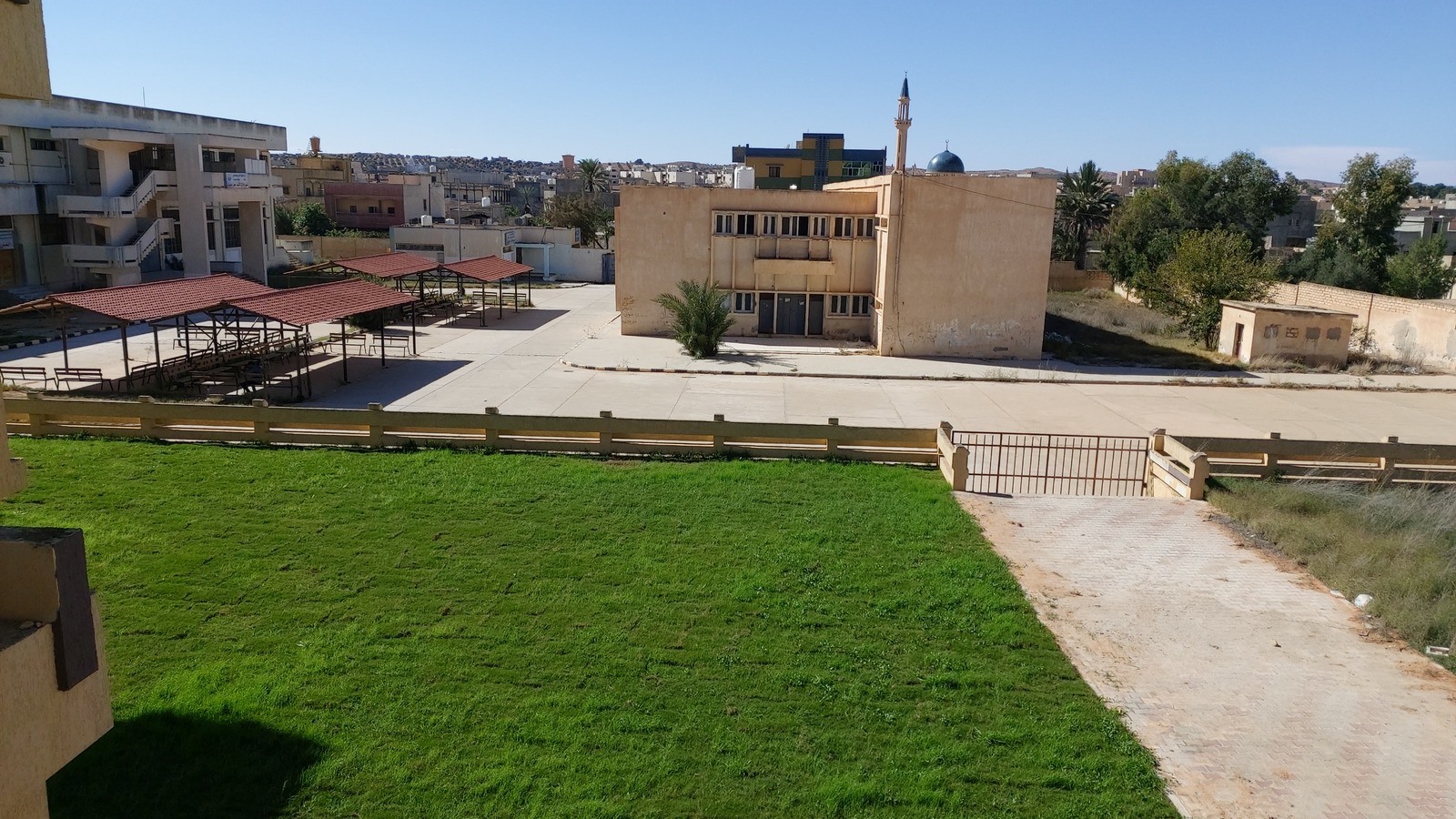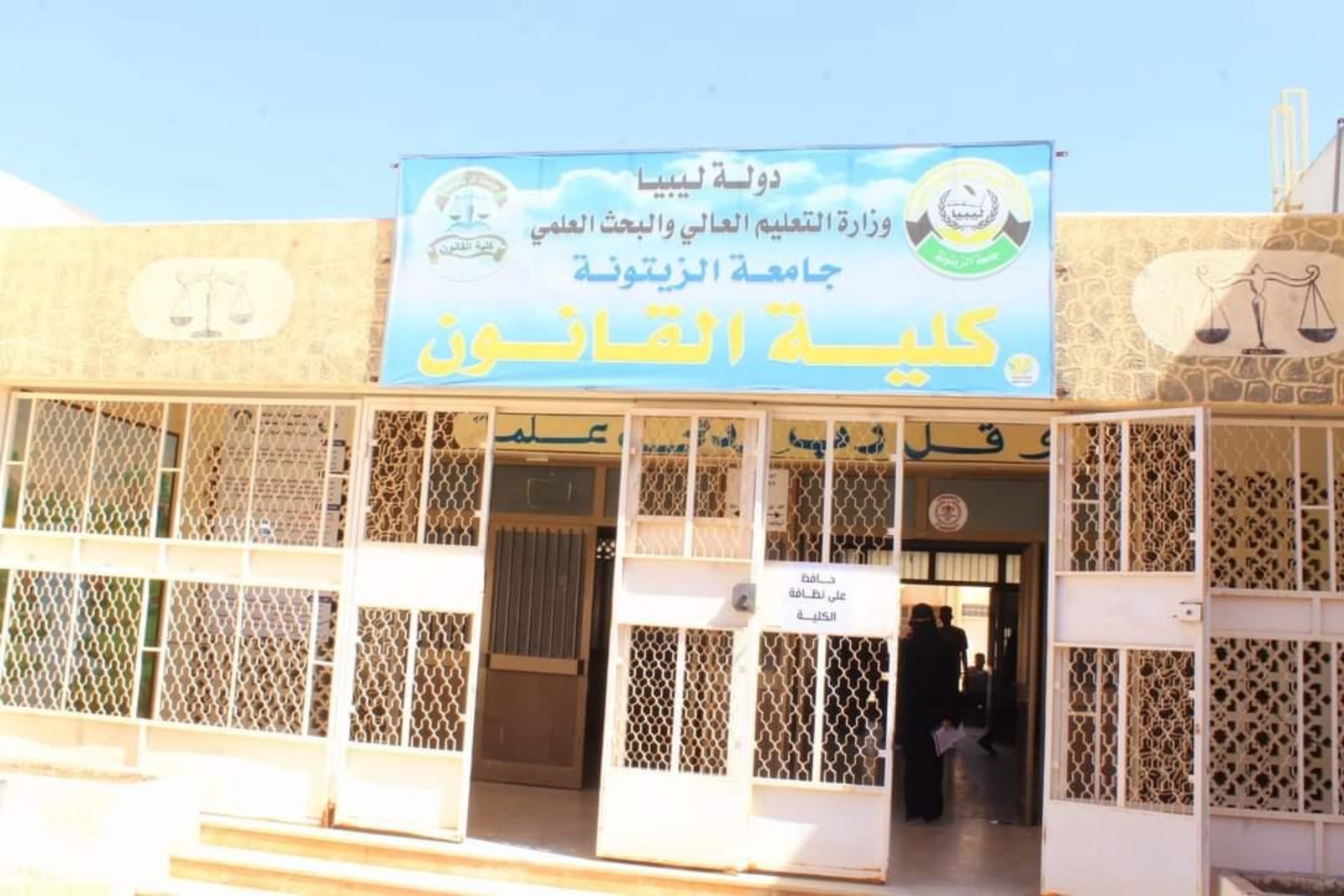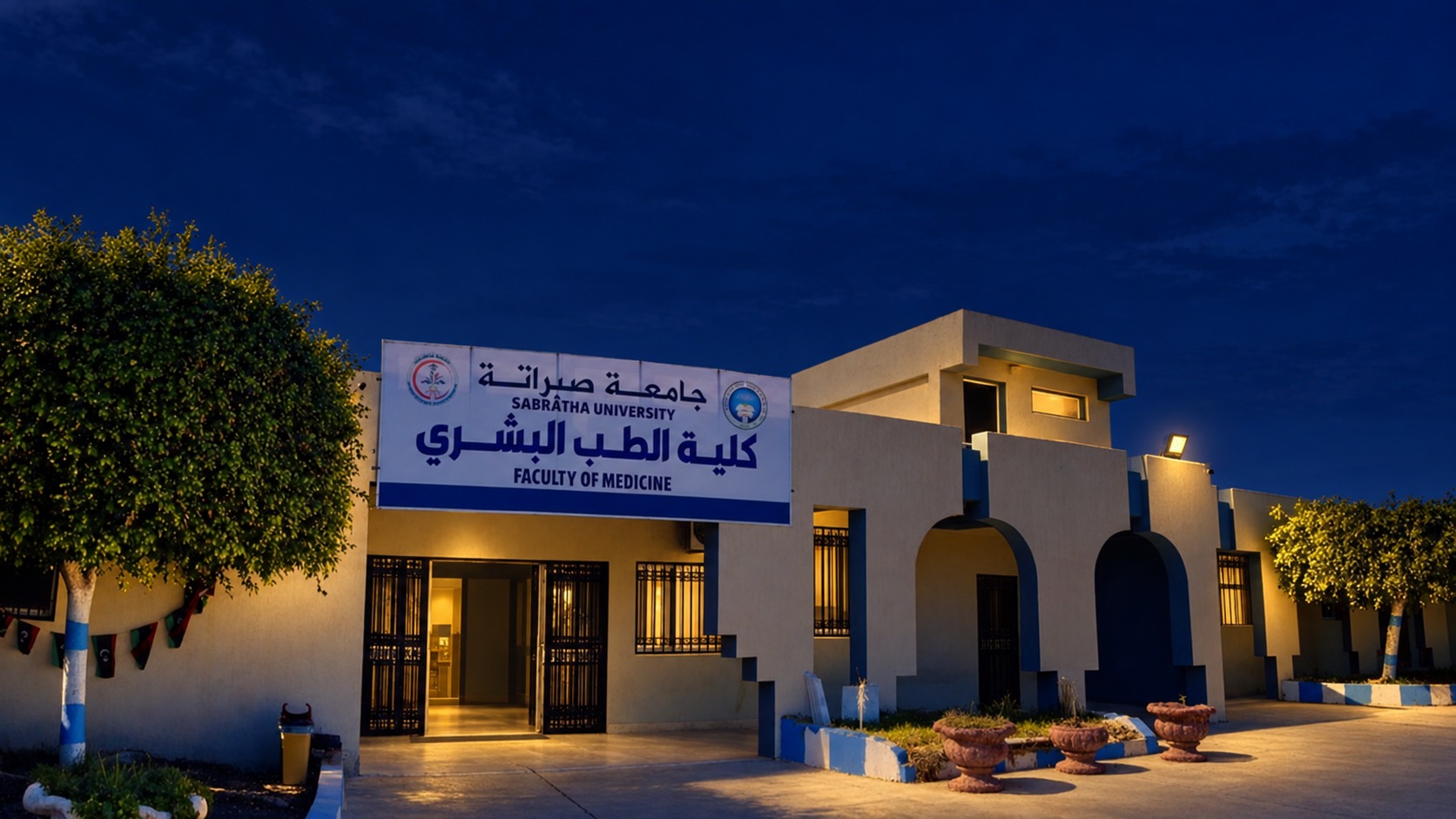


Universities linked to their regions give education a meaning closely connected to community life: a school needs a teacher, an institution needs management, the agricultural sector needs knowledge, and public services need technology. It is from this perspective that we understand Al-Zaytuna University in Libya, which defines itself as a public university affiliated with Tarhuna and the Al-Awata and Sidi Al-Sayeh regions. [1]
Name and Identity First
The published profile states that the university was established in 1986 by Decree No. 46, and that it was previously known as Nasser International University before adopting the name Al-Zaytuna. [1] This Libyan institution must be distinguished from other universities bearing the name Al-Zaytuna in different countries; the country, location, and granting body are essential elements in any comparison.
This specification benefits the student from the very beginning. When gathering information or requesting official documents, the full name, country, and faculty should be clearly stated to avoid confusion with fees, programs, or requirements belonging to another institution with a similar name.
A Spectrum of Scientific and Humanities Fields
The college directory on the portal lists fields such as engineering, information technology, science, agriculture, medicine, medical technology, education, arts, languages and translation, law, media, and business. This is a published map of fields, not an official international admissions list or proof that every program is running in every cohort. [1] This spectrum gives the reader an idea of a university with diverse interests, but the open program and its location should be reviewed independently.
Choosing among these fields begins with the type of work the student enjoys. Do they prefer building a technological solution? Working with language and text? Understanding institutions and markets? Serving humanity in the healthcare field? This question helps narrow down the options before delving into the procedural details.
What Does Location Add?
The distribution of colleges within the area specified by the university makes the actual location part of the decision, not just a geographical fact. [1] This connection to the local environment can direct the student's attention to relevant topics of study, such as service management, educational needs analysis, or cultural documentation, depending on their major and college supervision.
These are examples of how to approach a university project, not descriptions of specific partnerships or programs. The idea is for students to begin with a question they can understand, gather information responsibly, and then gradually move to debatable conclusions.
Scientific Reading and Developing Expression Skills
The university directs students to its academic journal portal, which provides access to published research topics. [2] Students can use scientific reading to develop two skills simultaneously: understanding the content and explaining what they understand in clear language.
In law or education, they might begin by defining a concept and comparing its definitions, while in science, they might focus on the question of experimentation or measurement methods. In both cases, writing a short, well-documented summary helps them move from memorization to understanding, and then to formulating an evidence-based academic opinion.
A Realistic Plan for Student Life
Practical preparations begin with a letter specifying the college, program, and location of study, followed by arranging accommodation and transportation around that location. It is advisable for students to create a budget that includes accommodation, food, transportation, course materials, and communication, without using a general estimate as a guaranteed price.
It is also beneficial to keep organized copies of certificates, transcripts, translations, and correspondence, noting the date of each document. This simple practice makes communication with the registrar or department clearer and helps the family track the application without discrepancies between old and new copies.
Introductory Reading Followed by Formal Confirmation
The Libyan Zaytuna offers a suitable topic for exploring education connected to the local community and the diversity of fields. The decision is finalized when the university confirms the international student's eligibility, admission requirements, language proficiency, training, and fees for their chosen program. The article provides an introduction, but admission requires a specific program and current documentation, not just similar names or general statements about opportunities.
Sources and references
- Source 1 · www.azu.edu.ly
Original source title
جامعة الزيتونة — النبذة العربية ودليل الكليات - Source 2 · azzujournal.azu.edu.ly
Original source title
مجلة جامعة الزيتونة — الرابط المؤسسي