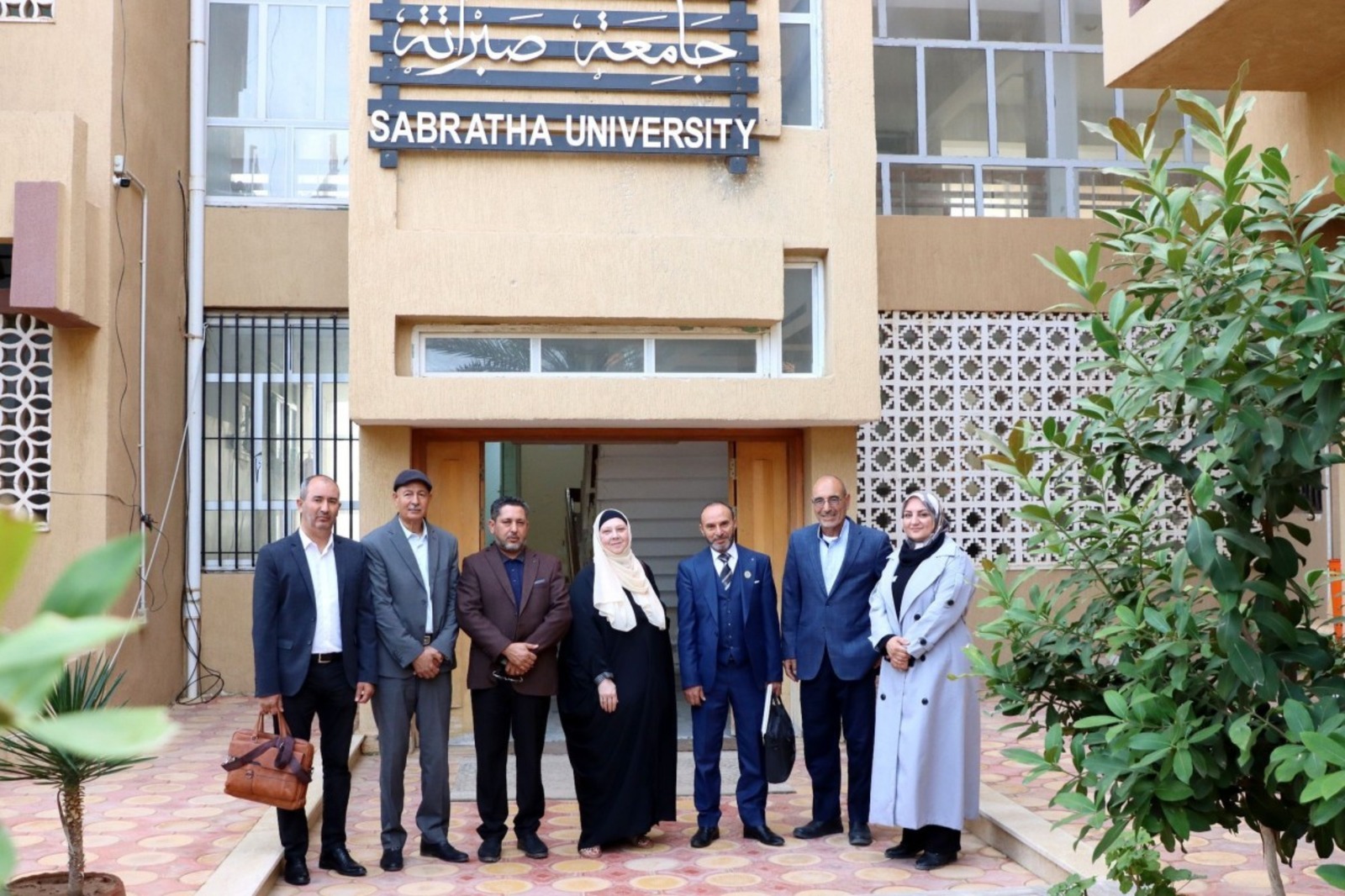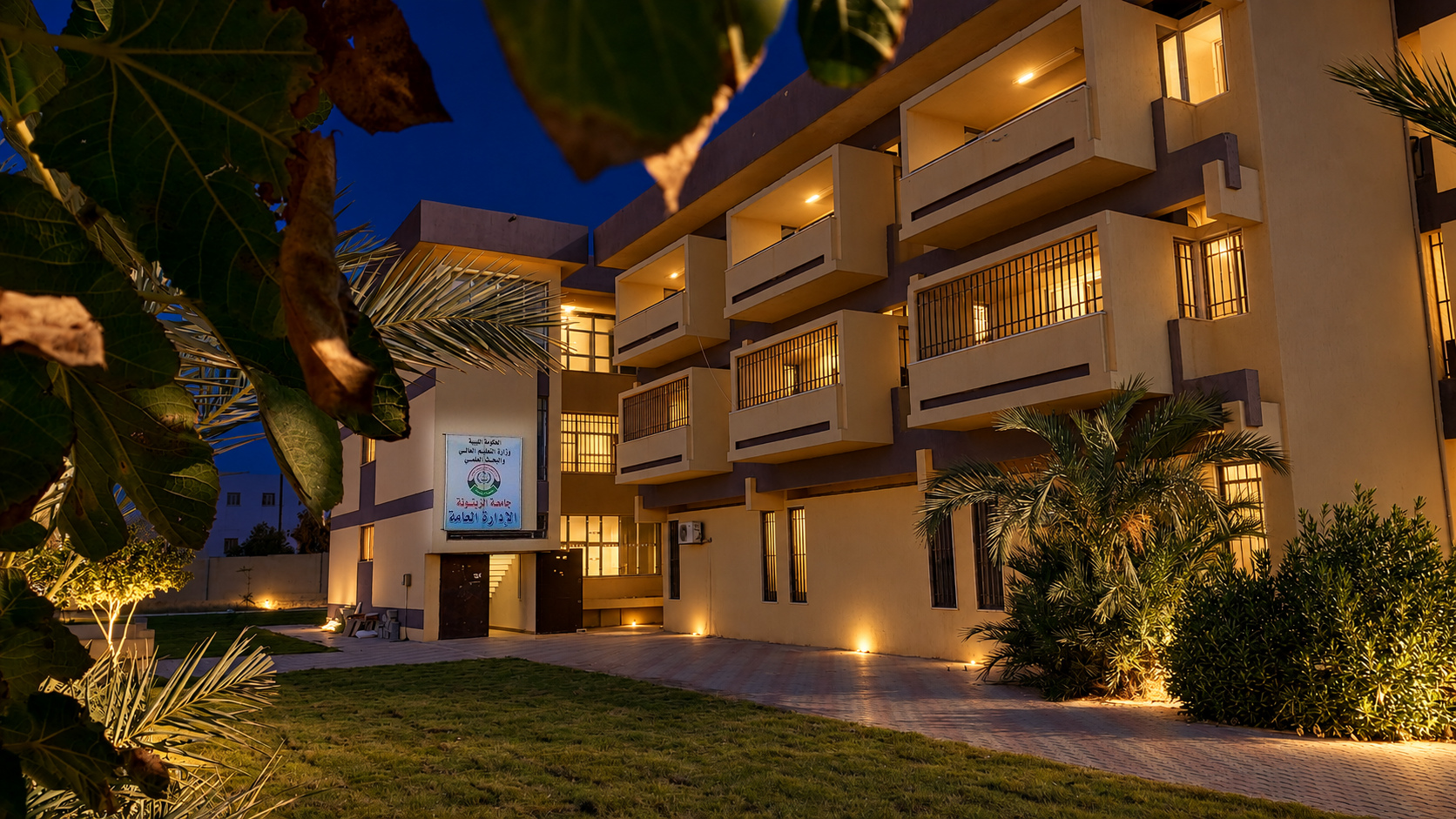
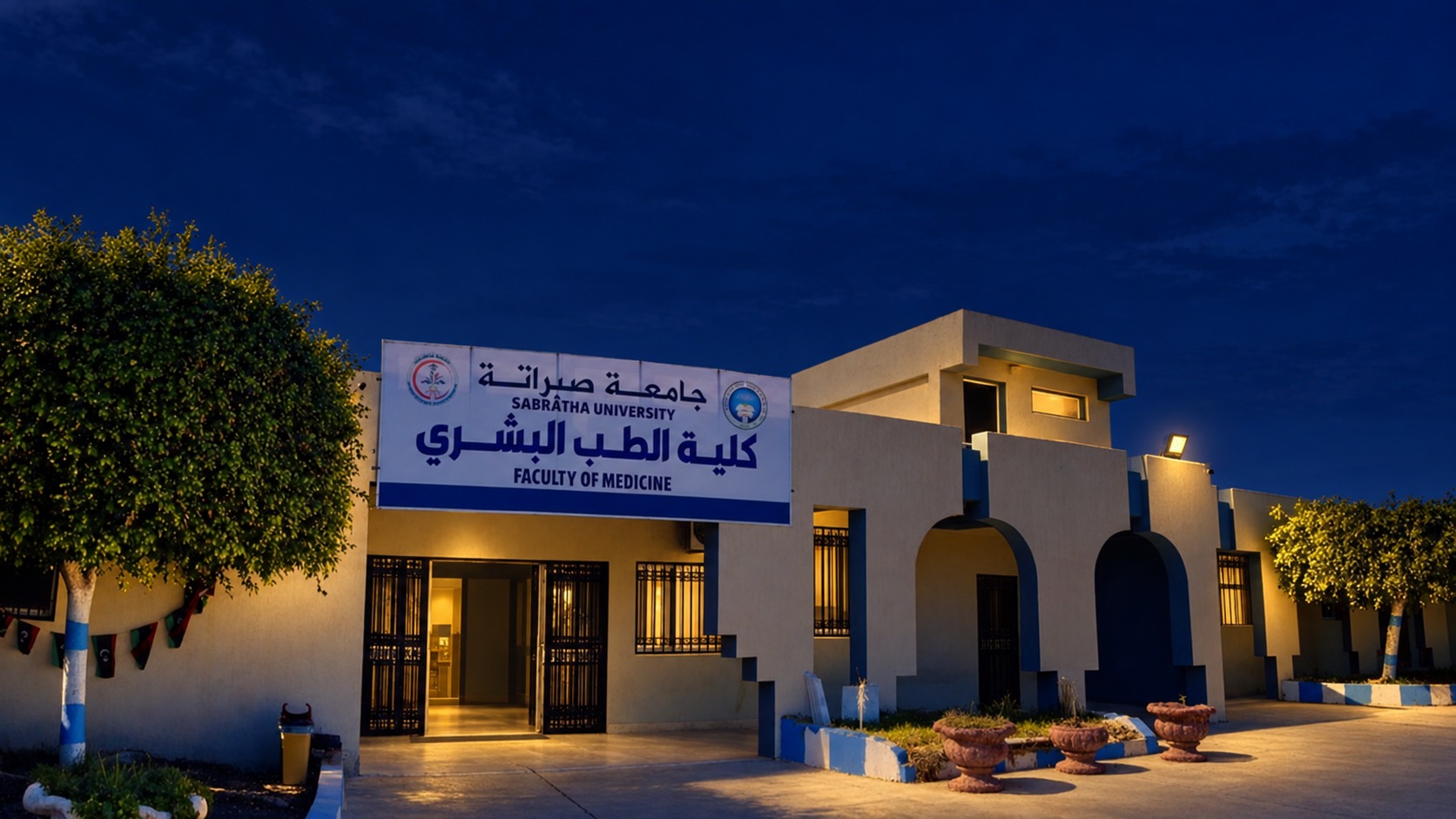
Sabratha combines a name linked to a renowned archaeological heritage with a university operating in diverse humanities and applied sciences. The university's profile becomes richer when it connects the institution's history, the distribution of its faculties, and the modern research topics reflected in its activities, rather than reducing it solely to the archaeological site. [1, 2, 3]
A Modern University with Older Roots for Some Faculties
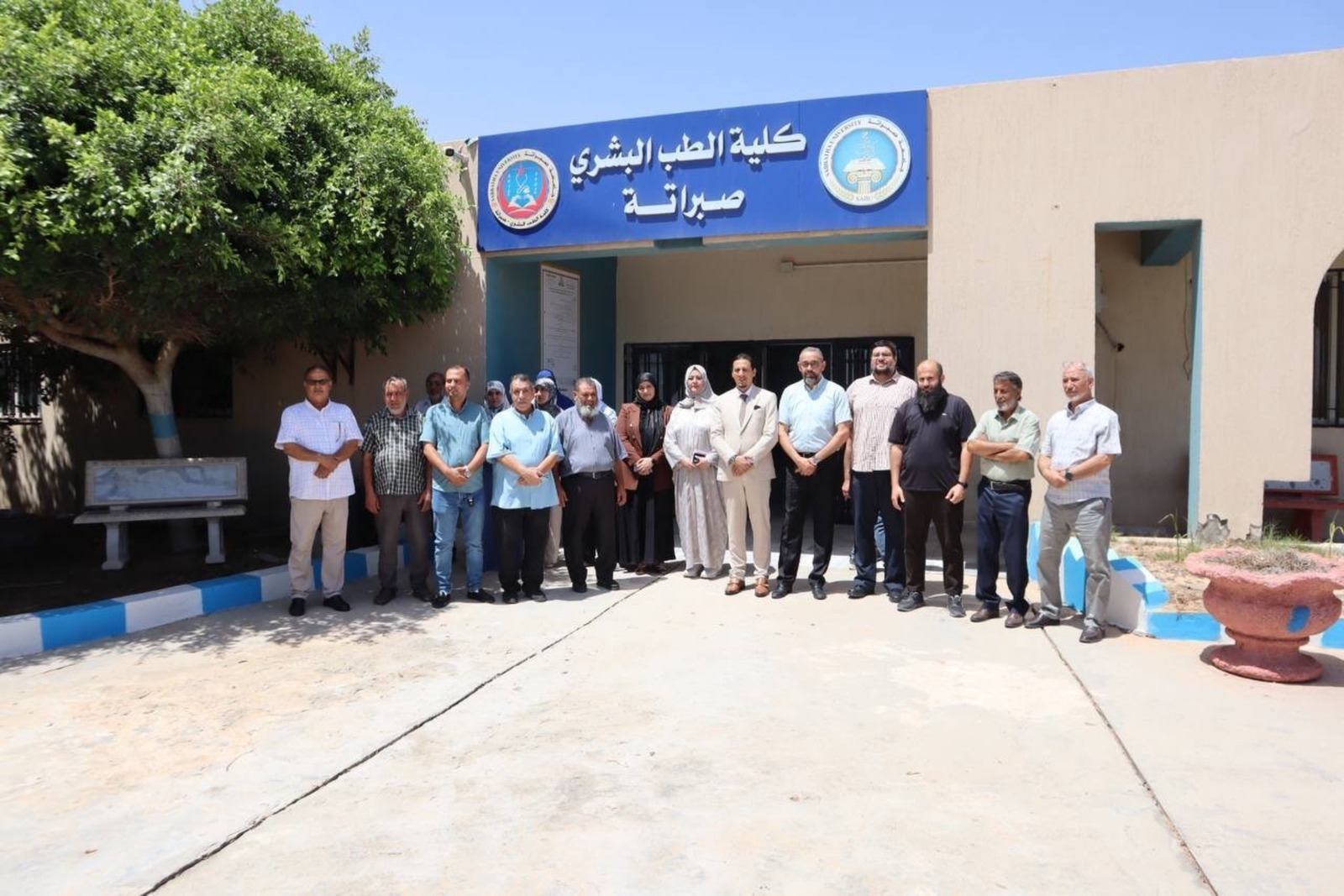
Sabratha University was established by decree in 2015, drawing from faculties that were formerly affiliated with Zawiya University. Some of these faculties date back to 1992. The profile states that the faculties are located in Sabratha, Surman, Al-Jamil, Zaltan, and Raqdalin. [1]
This distinction highlights that the history of the independent university differs from that of each individual faculty. It also makes specifying the program's location a practical step; studying a major bearing the university's name does not necessarily mean that lectures will be held within the city of Sabratha itself.
A Heritage that Raises Academic Questions
The university guide lists a Faculty of Tourism and Archaeology and a Center for Historical and Archaeological Research. [2] Within the same context, the UNESCO World Heritage Centre documents the archaeological site of Sabratha and its historical and architectural value. [3]
This context can raise questions for students of archaeology, architecture, or linguistics: How is an ancient city read? How are its monuments preserved? How are they accurately explained to visitors? University enrollment does not guarantee on-site training; rather, it highlights a thematic connection worthy of exploration through appropriate academic and organizational channels.
Water, Energy, and Food: A Contemporary Perspective
In August 2026, the university announced the acceptance of the SAHARA NEXUS project into the Erasmus+ program for capacity building in higher education, outlining its objectives as developing education related to the water-energy-food nexus in desert regions. [4]
This information pertains to a publicly announced project and its objectives, not to completed results or automatically available individual grants. However, it provides the article with a specific example of collaborative topics that can connect education with resource and environmental needs, rather than simply referring to "international partnerships."
Program Diversity in a Practical Form
The college map includes engineering, science, information technology, medicine, nursing, dentistry, pharmacy, and public health, along with law, languages, economics, arts, and education. The portal also displays program descriptions and separate sections for institutional and program accreditation. [2]
Students benefit from this organization by starting with their desired program, then reviewing its requirements, assessment methods, and location. However, the presence of an accreditation page does not equate to program accreditation; the decision, its date, scope, and issuing authority must be examined.
International Students Need a Clear Channel
An International Students Office is included within the administrative structure, offering services related to registration, examinations, alumni, and credential verification. [2] These channels help applicants organize their inquiries, provided they direct their questions to the appropriate department and do not consider an old student meeting announcement as a new admission announcement.
It is helpful to prepare a one-page summary outlining the previous degree, the desired program, the academic level, and the language, and then attach only the required documents. This approach makes communication clearer and allows for documented responses and future reference.
An Experience Combining Place and Knowledge
Sabratha University deserves special attention from those interested in heritage, applied sciences, and sustainability. Accommodation and transportation are based on the actual campus, while cultural visits are subject to accessibility and current regulations. The comparison is further complicated by the requirements for international students, training, fees, and accreditation. With this balance, the campus becomes an enriching element of learning, while academic details remain the foundation of the decision.
Students can combine these two approaches in a small, personalized learning project: documenting an architectural feature through drawing and description, or exploring a question of resource efficiency by reading and comparing available data. The aim is not to assume a university assignment or access to a protected site, but rather to cultivate an interest in the campus as a research habit that respects sources and permissions. Over time, a portfolio of work will develop, showcasing their observational and questioning skills, in addition to their program-based work.
Sources and references
- Source 1 · www.sabu.edu.ly
Original source title
جامعة صبراتة — نبذة المؤسسة - Source 2 · www.sabu.edu.ly
Original source title
جامعة صبراتة — الكليات والخدمات - Source 3 · whc.unesco.org
Original source title
اليونسكو — الموقع الأثري بصبراتة - Source 4 · www.sabu.edu.ly
Original source title
جامعة صبراتة — إعلان SAHARA NEXUS