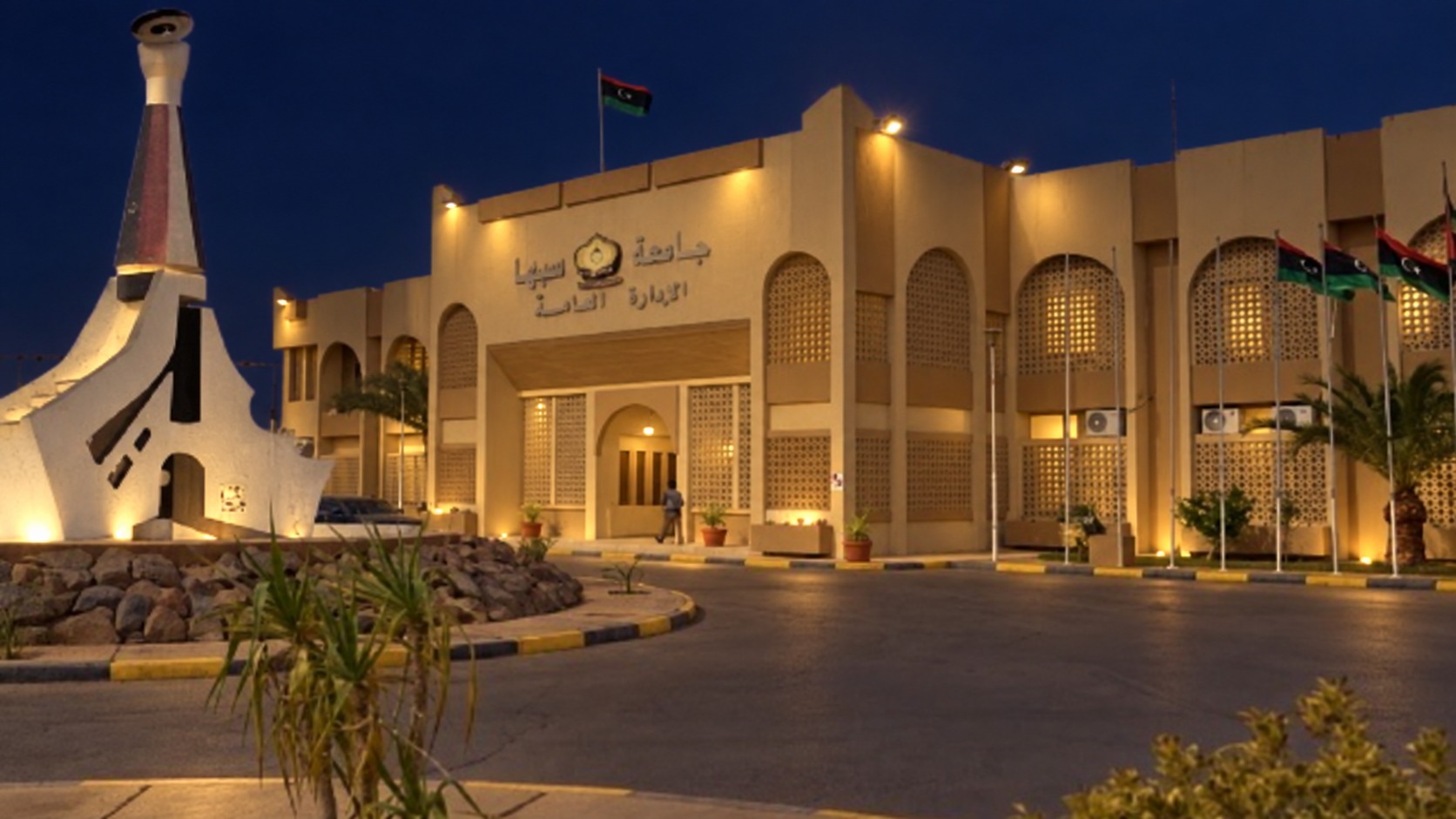

The local environment gives some universities research topics that are inseparable from their identity. At the University of Sebha, the connection to southern Libya adds a distinct dimension to education and research, from agriculture and the environment to health, technology, and the humanities. [1, 2]
An Educational Beginning, Then an Independent University
The Faculty of Education in Sebha, established in 1976 as a branch of the University of Tripoli, was the nucleus of the institution. In 1983, the independent University of Sebha was established, and its faculties and fields of study subsequently expanded. The profile also mentions that master's programs began in the Faculty of Arts in the 1990–1991 academic year before extending to other faculties. [1]
This trajectory illustrates how an institution that begins with education and training can grow into a comprehensive university. For the student, the crucial question is which aspect of this expansion serves their interests and which program allows them to build a structured knowledge base, progressing from foundational principles to application or research.
The Palm Tree and Artificial Intelligence in One Map
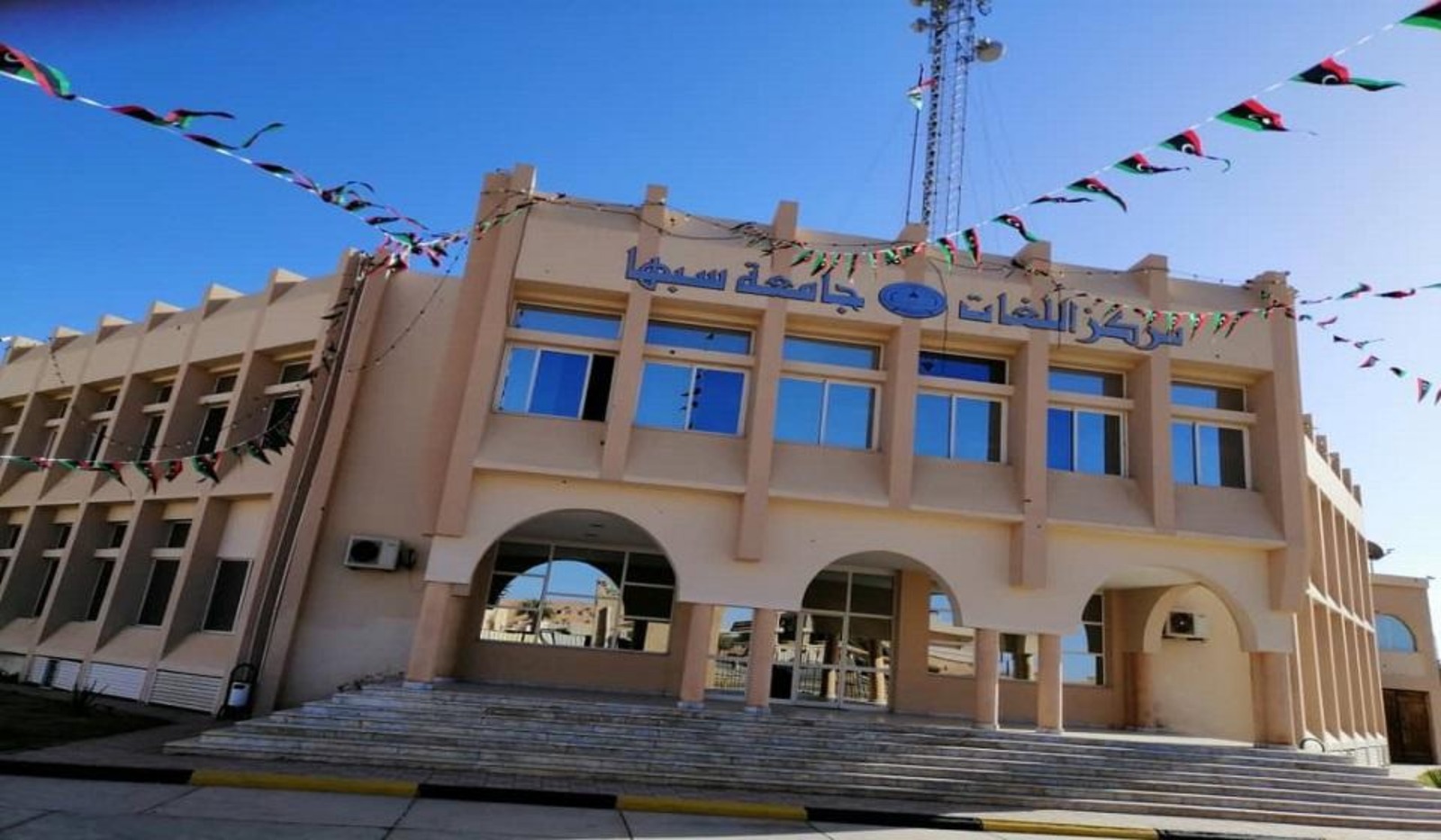
The overview lists centers for languages, research, entrepreneurship, and community service, mentioning the Palm Tree Center and an Artificial Intelligence Center within the development of the institutional structure. [1] Combining these two themes opens a unique perspective: modern knowledge can be connected to the resources and needs of a place, rather than remaining separate from them.
A research question can be envisioned that combines agriculture and data analysis, health and information organization, or language and technology. These are guiding examples and not guaranteed projects within the university. Their benefit lies in helping students discover an intersection that suits their skills and provides them with a clear topic for reading and discussion.
Diverse Colleges and Locations
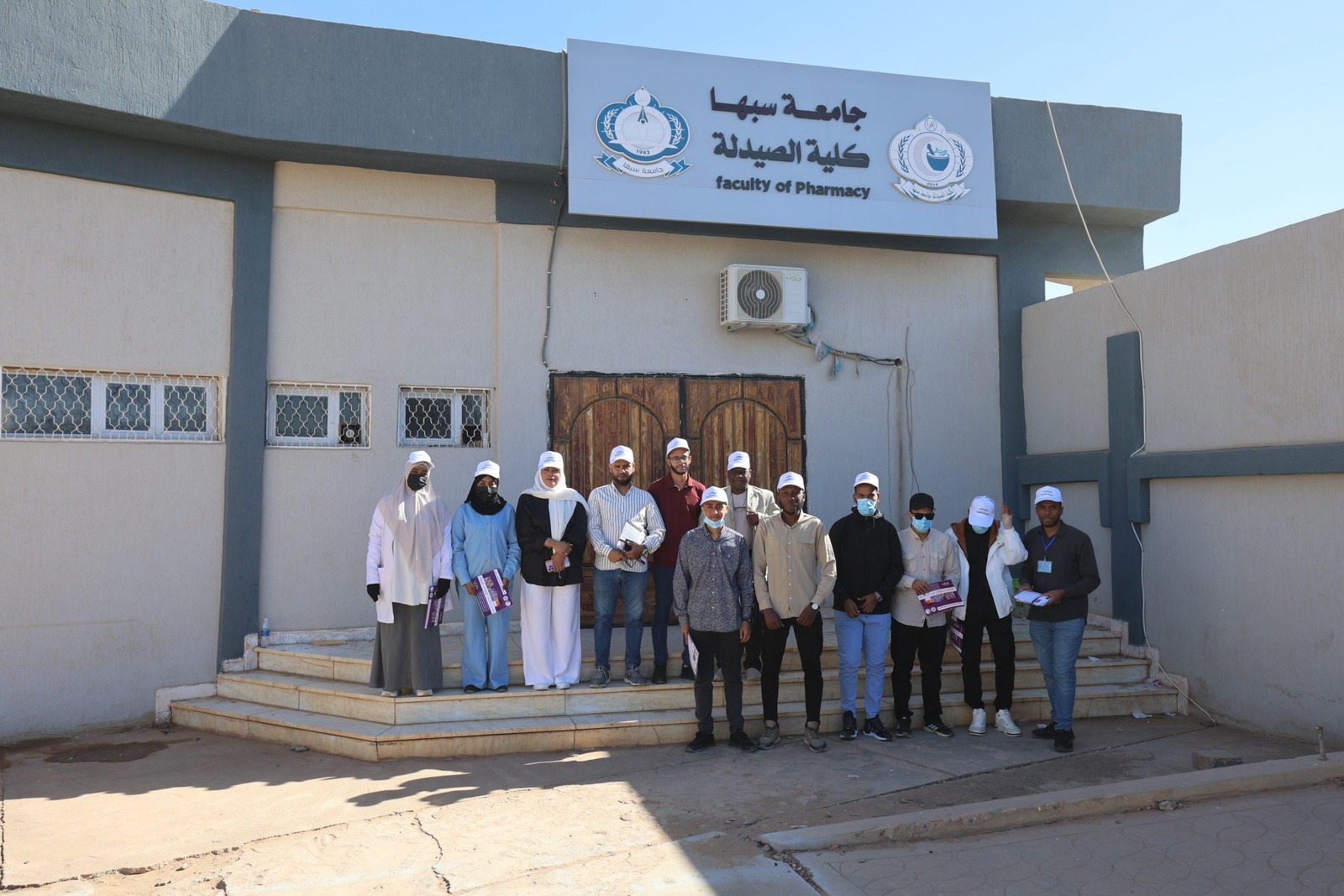
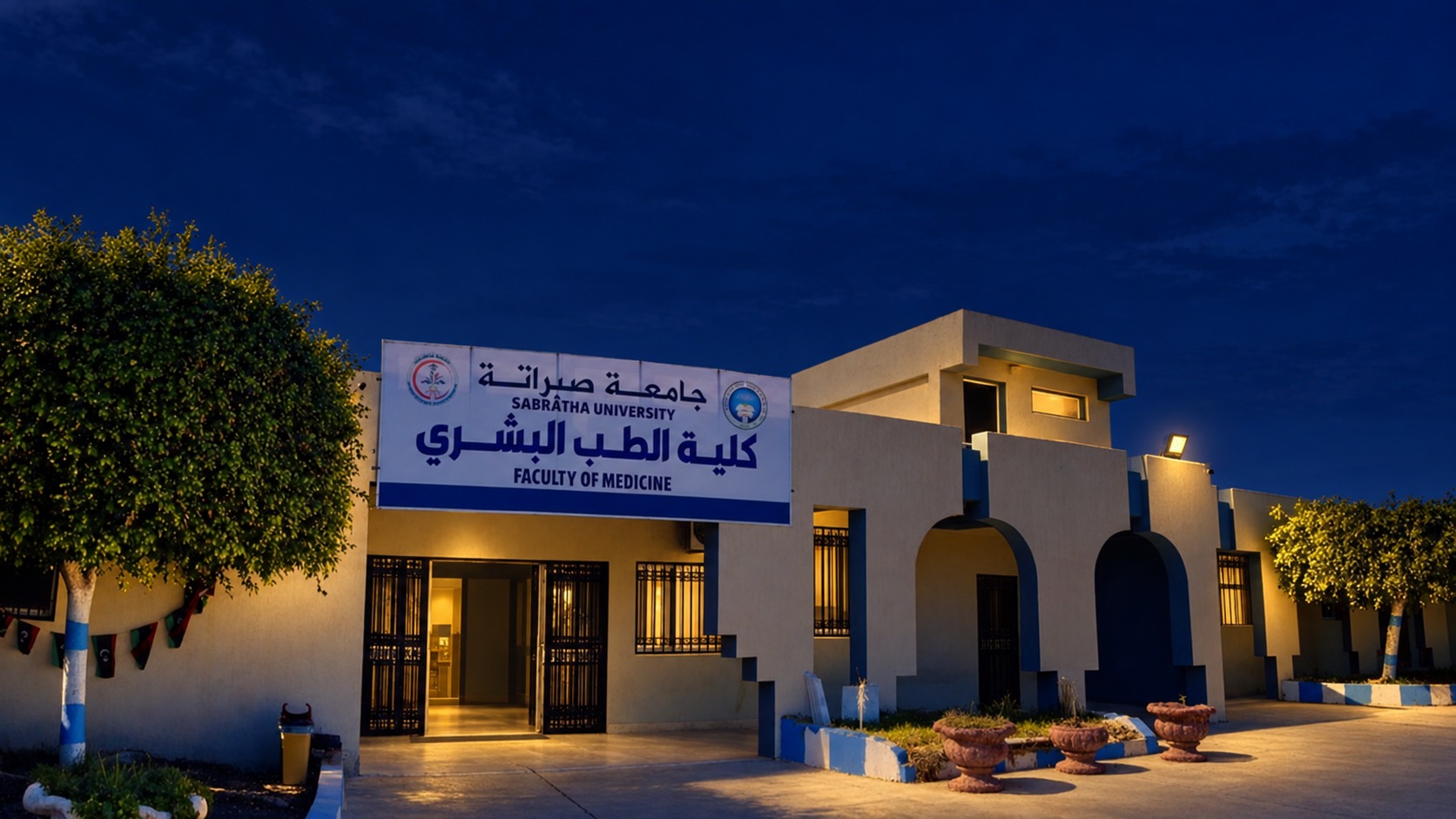
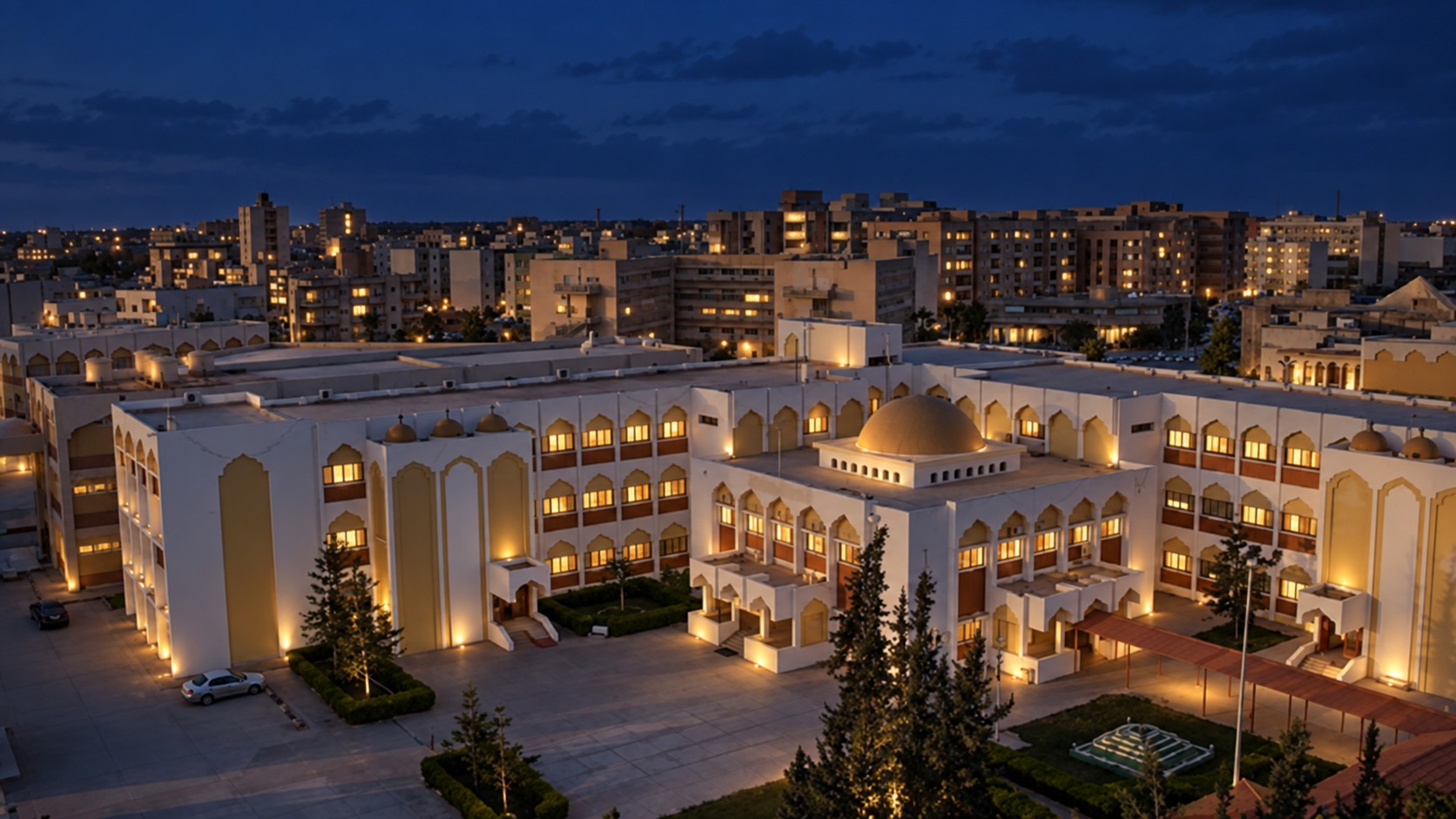
The portal displays Medicine, Dentistry, Pharmacy, Nursing, Engineering, Information Technology, Agriculture, and Sciences, along with Law, Languages, Arts, Commerce, and Education. It also distinguishes between colleges on campus and those located at external sites. [2]
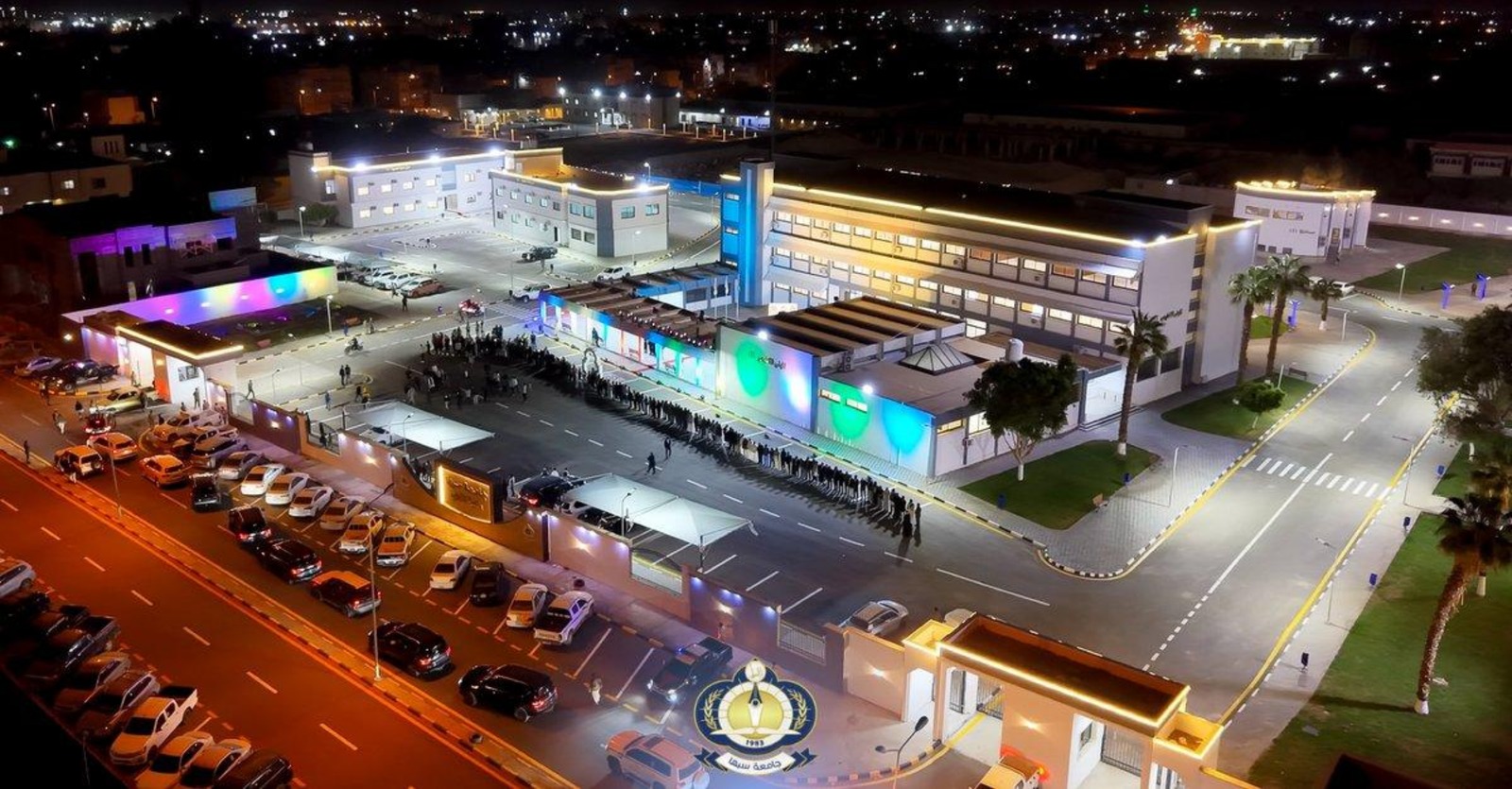
Therefore, it is not enough for a student to simply say that they have chosen "Sebha University"; they need to specify the college and its location. This detail affects accommodation, transportation, services, and schedules, especially when the actual study location differs from the one shown in the profile or photos.
Writing and Research as Part of University Life
The university provides access to a digital repository and journals in the humanities, applied sciences, and medicine, along with a research ethics charter and information on scientific equipment. [2] These resources offer practical starting points for those seeking to understand the nature of scholarly output in their field.
Students can choose a short research paper and reconstruct its logic: What was the question? What was the methodology? How was the result interpreted? They can then compare this to another paper. This exercise develops their ability for structured critique and prepares them to write an original project rather than simply compiling disjointed paragraphs.
International Collaboration in the Context of Specific Projects
The profile lists international projects such as ARMONIA, NATAE, and LibyaUP, among others. [1] This is understood as a record of institutional collaborations acknowledged by the university; the status of each project and student participation opportunities require separate, dated announcements and terms.
It is best for students to align their interest with a clear objective, such as developing a research skill or learning a specific tool, and then inquire about suitable opportunities. International engagement is more impactful when it serves a learning plan, not when it is reduced to mere travel or a foreign title.
The South as a Human and Cognitive Experience
The university's connection to Sebha and southern Libya adds to the experience an opportunity to understand the diversity of environments and communities. [1] This begins with listening to and respecting different backgrounds, and avoiding generalizing a single characteristic to the population. Visits outside of studies require reliable local arrangements and verification of current conditions and regulations.
The Student's Path to a Clear Decision
The University of Sebha is worth exploring for those interested in a comprehensive university relevant to their location. The comparison is completed by confirming the acceptance of international students, the language of instruction for the program, the location of the college, training, fees, and required accreditation. By taking these steps, academic breadth becomes a specific choice, and the local environment becomes a source of inquiry and learning, not just a geographical backdrop.
Sources and references
- Source 1 · sebhau.edu.ly
Original source title
جامعة سبها — النشأة والبرامج والمراكز - Source 2 · sebhau.edu.ly
Original source title
جامعة سبها — الكليات والبحث والخدمات