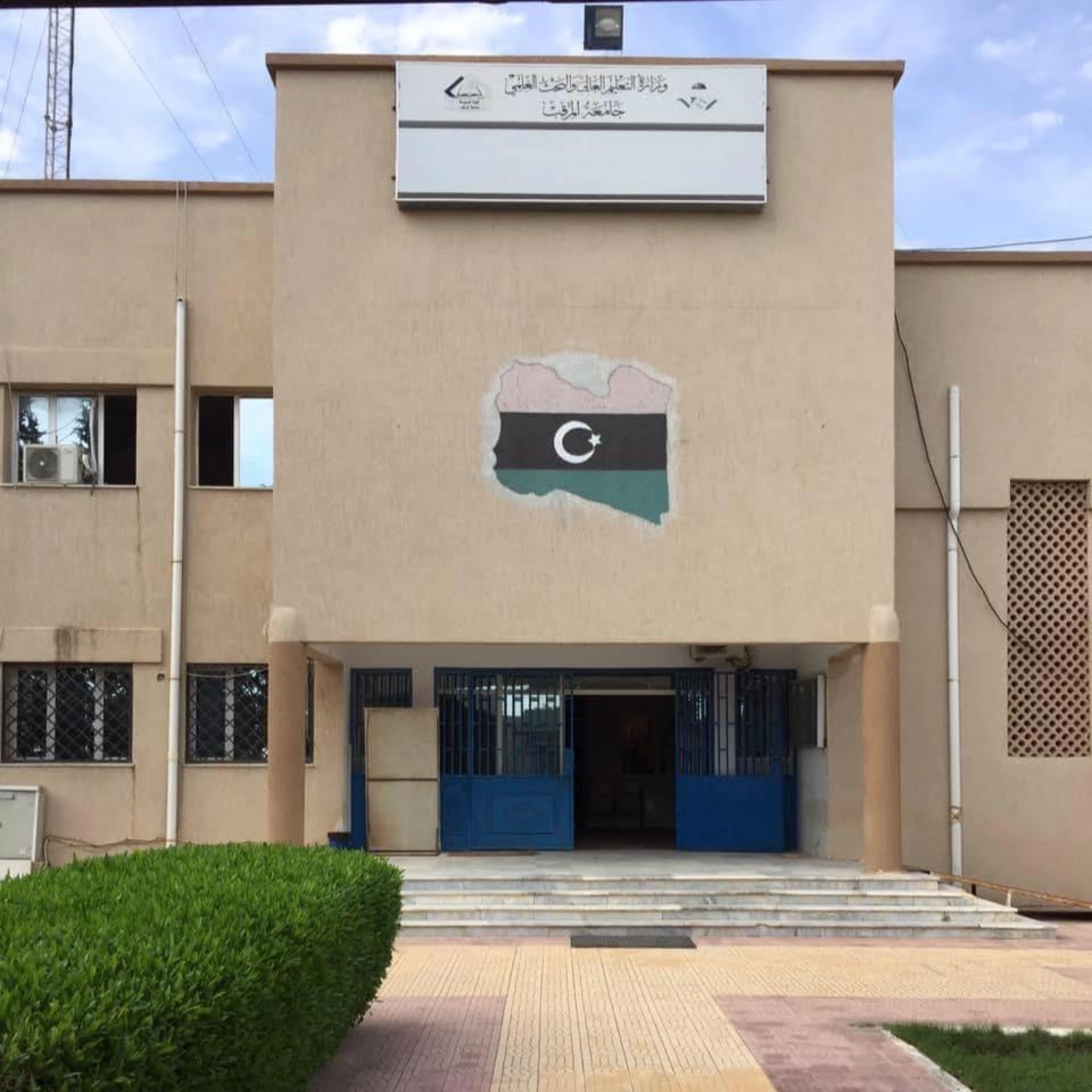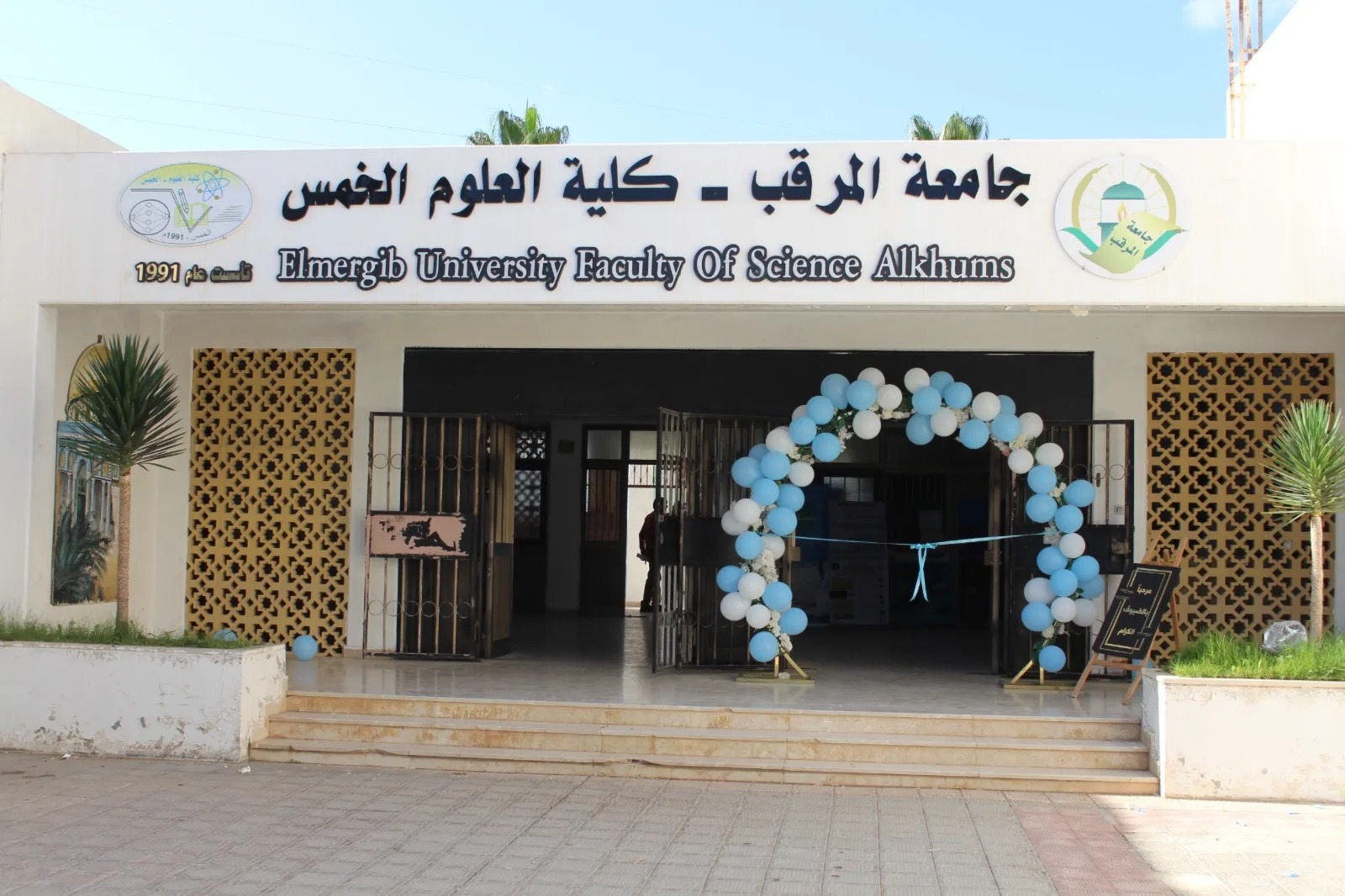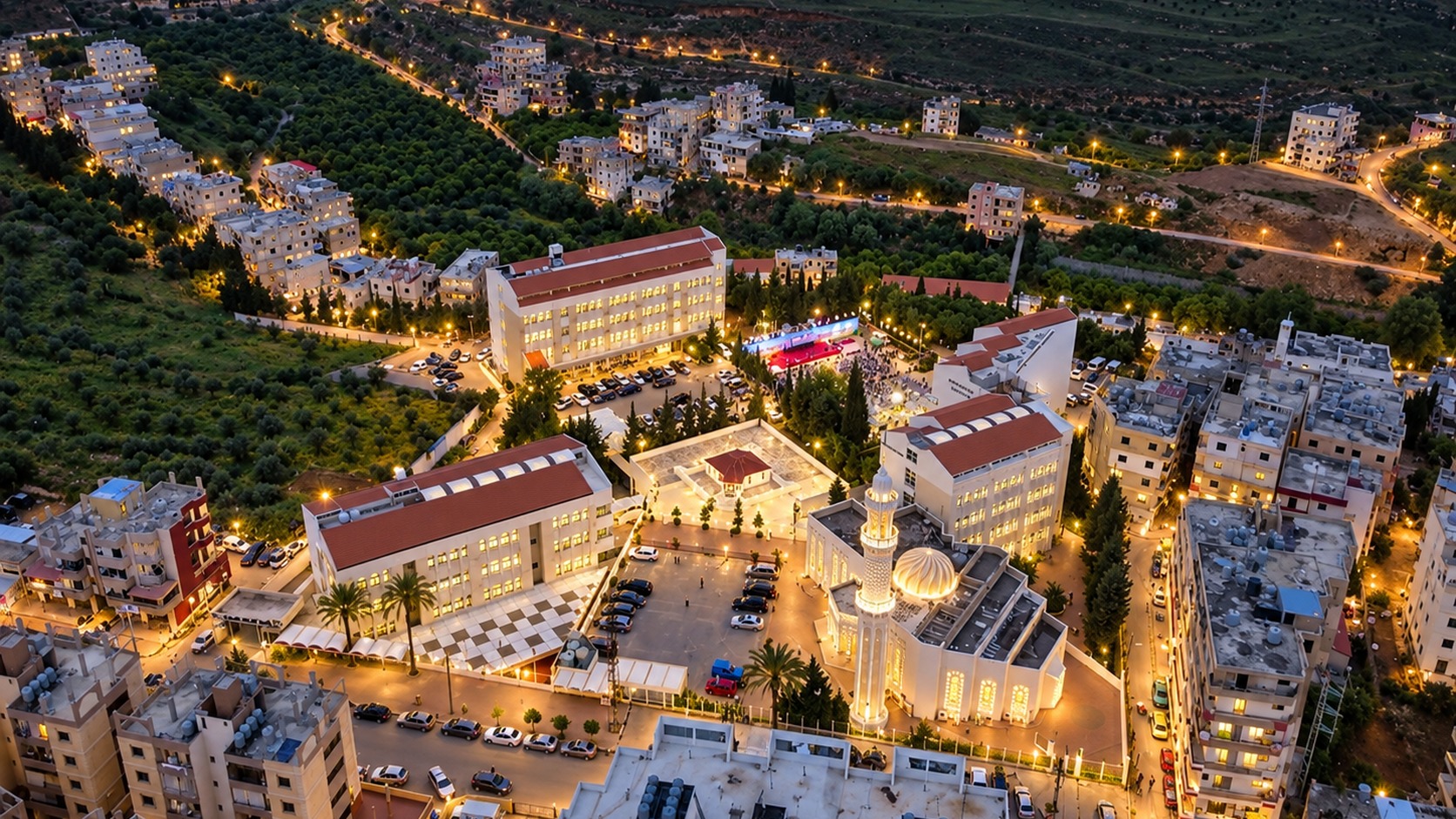
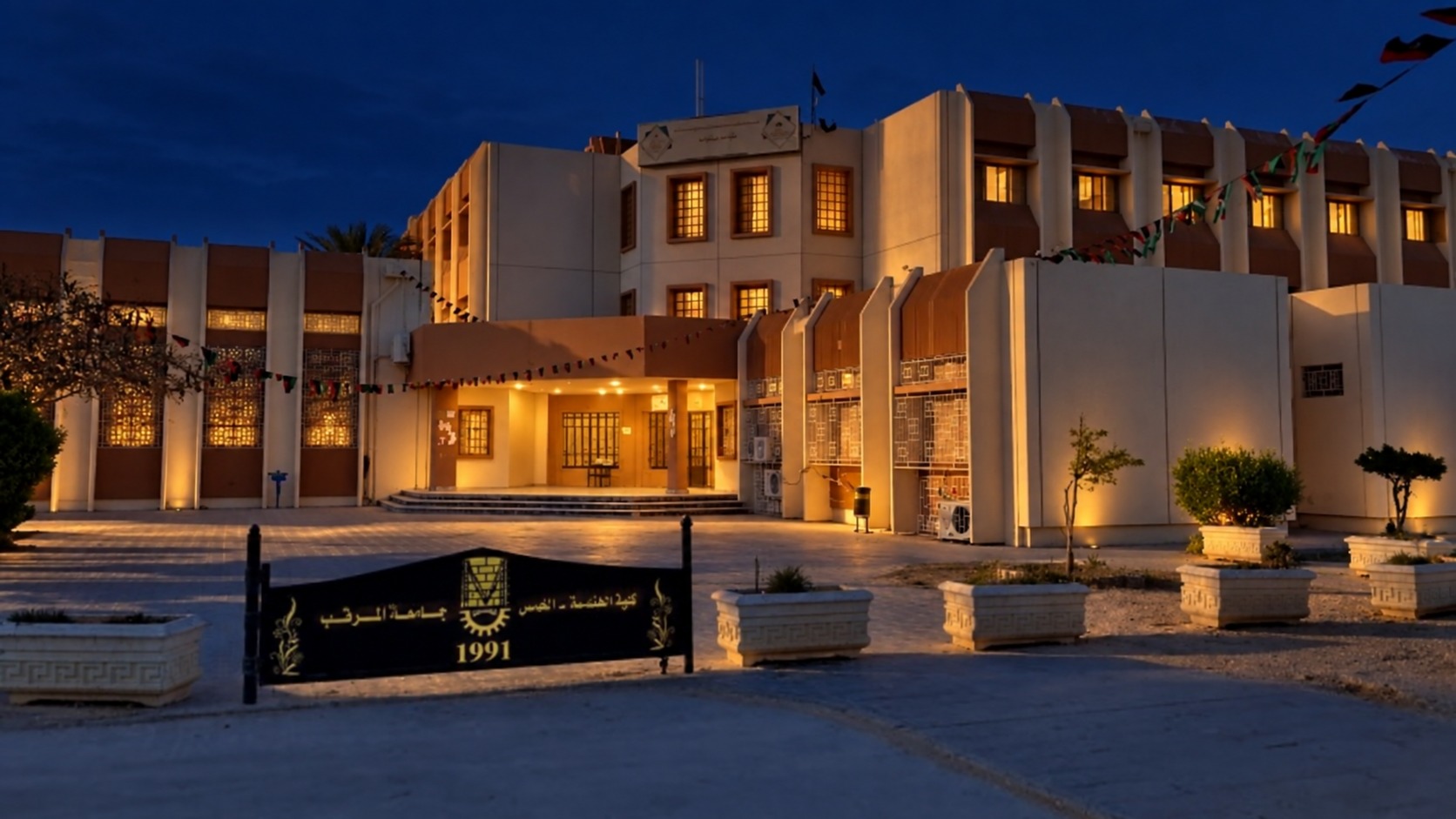

In Al-Khums, Al-Marqab University can be viewed through three complementary lenses: a multidisciplinary institution, a focus on research and application, and a cultural context rooted in the history of the Libyan coast. The convergence of these elements gives the university a character distinct from that of a specialized health or technical university. [1, 2]
Name Evolves with the Institution
The profile notes that the university has been known by various names since 1991, before officially adopting the name Al-Marqab University in 2001, with its headquarters in Al-Khums. [1] This sequence helps in understanding older documents and publications without assuming that the current name was used throughout.
When reviewing a new program, the current document, which identifies the university, faculty, and department, takes precedence. The history explains the institution's evolution, while the acceptance letter and approved plan define the student's actual course of study.
Disciplines Beyond a Single Field
The university offers faculties of engineering in Al-Khums and Al-Qarahbulli, as well as faculties of science, information technology, and economics, alongside health and humanities fields including medicine, pharmacy, law, arts, education, and archaeology. It also mentions graduate degrees in specific areas. [1]
This diversity provides students with a basis for comparison within the institution: Do they want laboratory-based studies, text-based and analytical studies, or design-based and computational studies? It is beneficial for them to review a sample course or a published project from the department, as the daily work experience reveals the suitability of the specialization more than its name alone.
Archaeology: A Window to the Place
The area surrounding Al-Khums is linked to the archaeological site of Leptis Magna, a UNESCO World Heritage Site, with its architectural remains that reflect a rich urban history. [2] The presence of an archaeology faculty at the university adds an objective link between the academic field and the surrounding cultural environment, without assuming automatic field training at the site. [1]
Students interested in history or architecture can begin by reading documented information about the site's layout and the functions of its buildings, then compare the written material with what they observe during an organized visit, which is available according to current guidelines. The value of this heritage in this article is not an invitation to an unplanned trip, but rather to highlight a contextual understanding related to the place.
Research from Sources to Presentation
The university offers a digital repository, libraries, a research and consulting center, and access to journals and conferences. [1] These resources help students move from receiving information to producing work that can be read and discussed.
A useful exercise is creating an academic poster that addresses a simple question: Why was the topic chosen? What are the sources or data? What is the main conclusion? This skill is important in both the sciences and humanities, as it trains students to organize ideas and present evidence without overwhelming the reader with irrelevant details.
University Collaboration in Practice
The university's profile mentions its membership in Arab and Mediterranean university networks. [1] These memberships reflect an institutional presence but do not automatically guarantee exchange opportunities for every student or general professional recognition. Each opportunity is reviewed based on the project name, call for proposals, and target audience.
Students can use the relevant collaboration office to inquire about specific programs, preparing a brief academic CV, transcripts, and a description of their interest. The more specific the request, the easier it is to determine the suitability of the opportunity, rather than relying on broad statements.
A Study Path in a Unique Environment
Al-Marqab University is worth exploring for those seeking a comprehensive institution in Al-Khums, with academic extensions to other locations. [1] The choice is completed by specifying the campus, language of instruction, admission requirements, training options, and current fees. Thus, the relationship between the university and its location becomes an intellectual and cultural element, while the specific program remains the basis for the decision.
Sources and references
- Source 1 · www.elmergib.edu.ly
Original source title
جامعة المرقب — التاريخ والكليات والبحث - Source 2 · whc.unesco.org
Original source title
اليونسكو — لبدة الكبرى