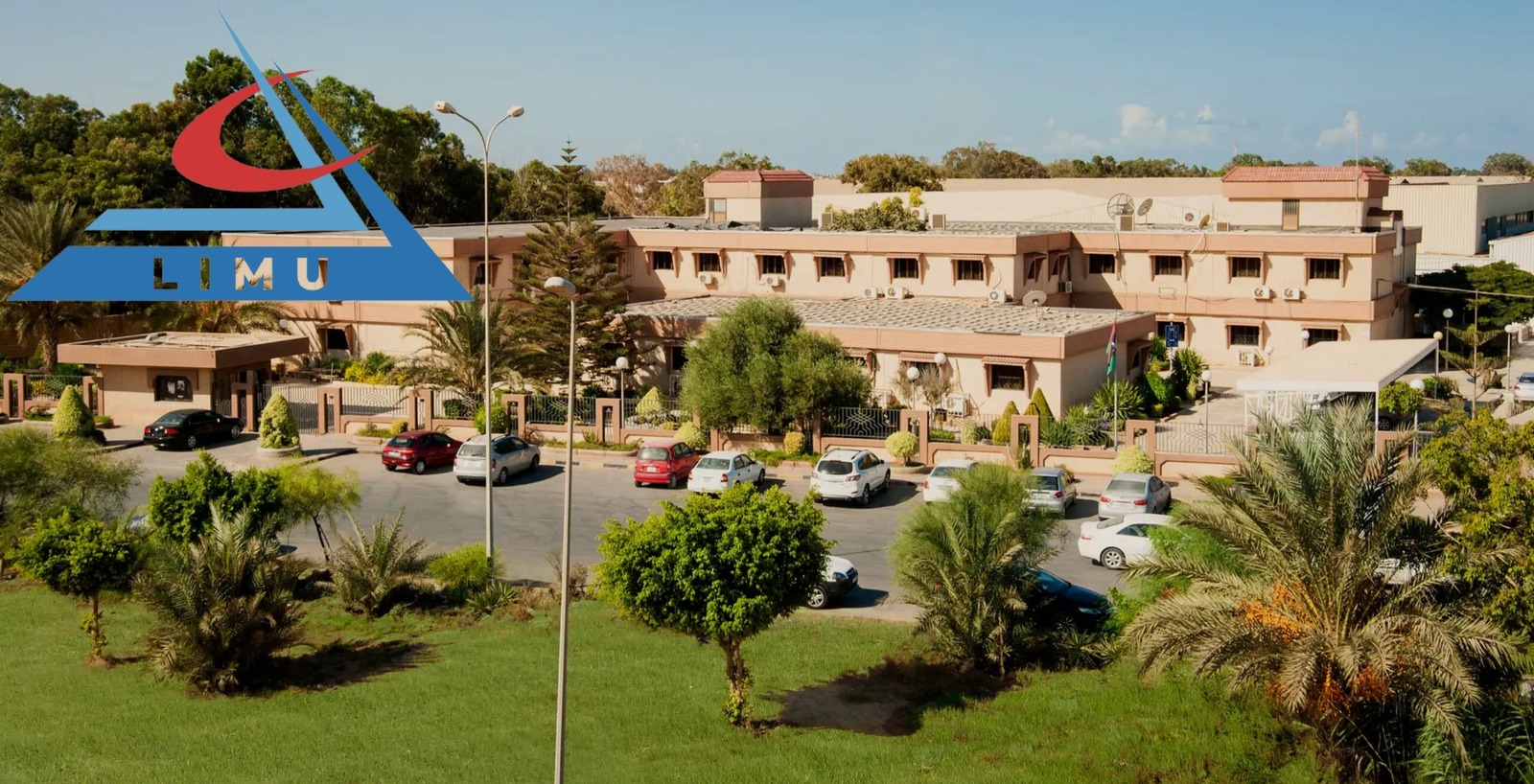


What happens when a lesson begins with a question that requires explanation, instead of a list of information to be memorized? The Libyan International University in Benghazi presents problem-based learning as a core element of its educational strategy, an approach that gives it a distinct identity when compared to other teaching methods. [1]
The Student as a Partner in Knowledge Building
The strategy explains that learning combines discussion, interactive lectures, practical activities, and seminars, while encouraging students to identify their learning needs, seek out resources, and analyze what they have learned. [1] This means that proper preparation is not limited to reviewing lecture content, but also includes the ability to ask questions, explain, and collaborate with others.
Imagine a group studying a learning case: starting with what they already know, then identifying the missing information, distributing research questions, and then comparing the explanations. This is an illustrative example of problem-based learning, not a description of a specific case or course. The key skill involved is moving from a quick answer to an evidence-based explanation.
From Medical Sciences to Broader Fields
The university notes that its educational activities began in 2007 with the faculties of Medicine, Dentistry, Pharmacy, and Basic Medical Sciences. Information Technology was added in 2010, Business Administration in 2017, and Engineering in 2022, and graduate studies have continued to develop. [2]
This expansion explains the difference between the historically associated name linked to medical sciences and the broader current identity. It also encourages students to review the school and program by name, as the university now offers health, humanities, social sciences, engineering, and technology fields. [3]
Simulation and Skills Before Independence in Practice
The portal showcases a Simulation and Skills Center, a Dental Center, and a University Medical Center, along with the library and the Moodle platform. [3] These components demonstrate a focus on linking knowledge to performance, with student access varying according to program, year, and supervision.
In health education, simulation can be viewed as a space for learning proper sequencing, communication, and revision. However, it does not replace the clinical training required for a degree or licensure. Therefore, students should review the distribution of practical and clinical activities and how they are assessed, rather than simply listing facilities without understanding their role in their plan.
Technology Adds a Common Language
Having technology-focused areas and an AI center on the institutional map opens up topics that connect education with health and management. [3] Relevant questions for students include: How is data organized? How is the impact of an educational tool measured? How do we maintain privacy when using technology?
A good project doesn't need to claim to solve a major problem. It might start by improving a single step, such as how information is presented or how a task is tracked. When a student articulates their needs, assumptions, and testing methods, their work becomes more amenable to development and discussion with a multi-skilled team.
Benghazi and the Actual Study Location
The university states its address in Al-Fuwayhat, Benghazi, and distinguishes between its current facilities and plans for the new campus. [3] Therefore, images of a future project should not be used as a description of where a student will be attending today. Accommodation and transportation are determined based on the program location and the facilities currently in use.
The university also provides pages for admissions and fees for international students. [3] These pages are a starting point for inquiries and are not a substitute for written confirmation of eligibility or payment and program fees.
Choosing a Learning Method Before Choosing a Programme
The Libyan International University deserves the attention of students who prefer active learning and want to build research and communication skills alongside knowledge. This decision should be complemented by reviewing the curriculum, language of instruction, practical application, and required professional accreditation. Problem-based learning is most beneficial when students enter prepared to participate and take responsibility for their learning, rather than waiting for ready-made answers every time.
Sources and references
- Source 1 · limu.edu.ly
Original source title
LIMU — الاستراتيجية التعليمية - Source 2 · limu.edu.ly
Original source title
LIMU — النشأة والتطور - Source 3 · limu.edu.ly
Original source title
LIMU — المدارس والمراكز والقبول