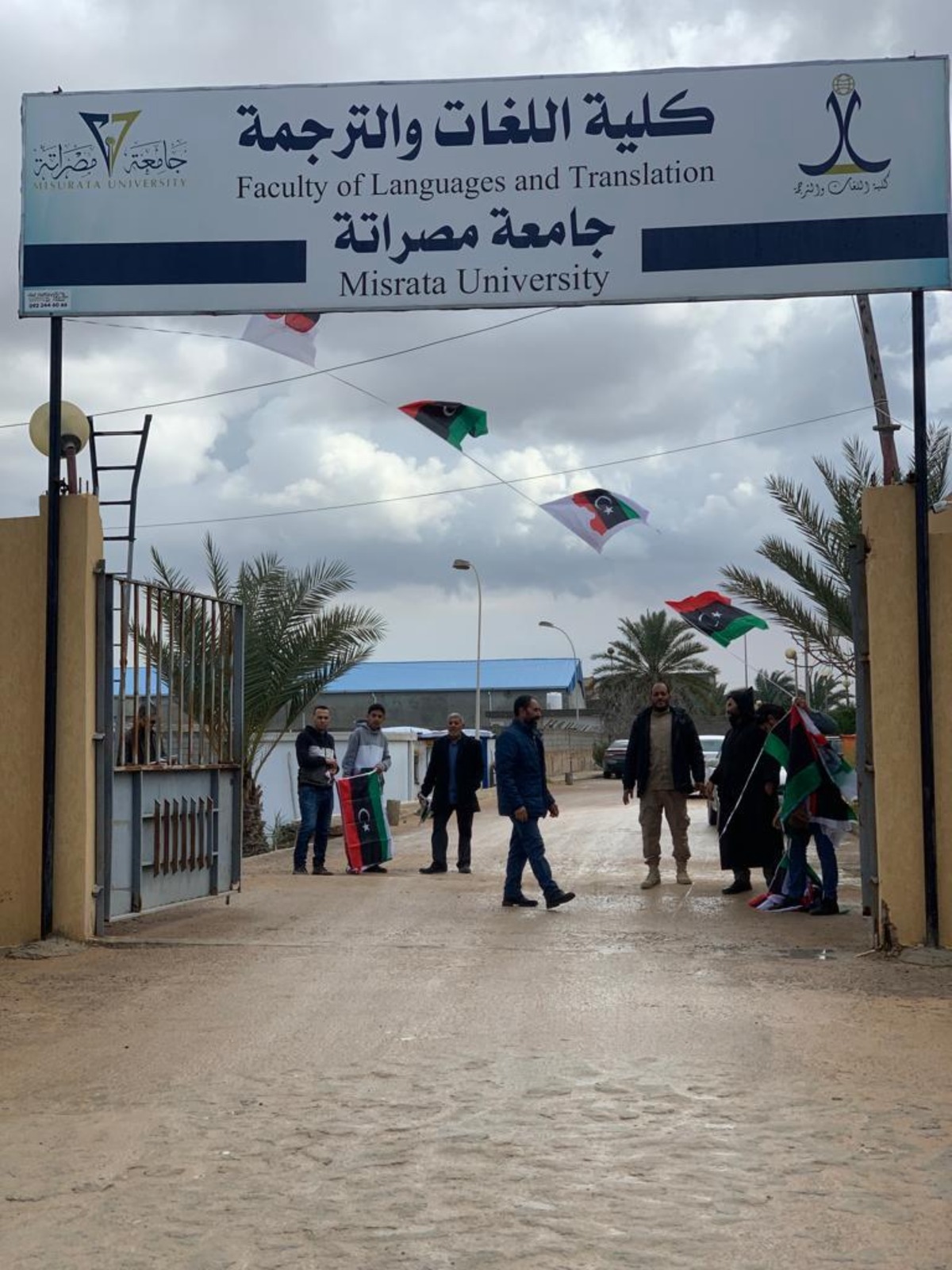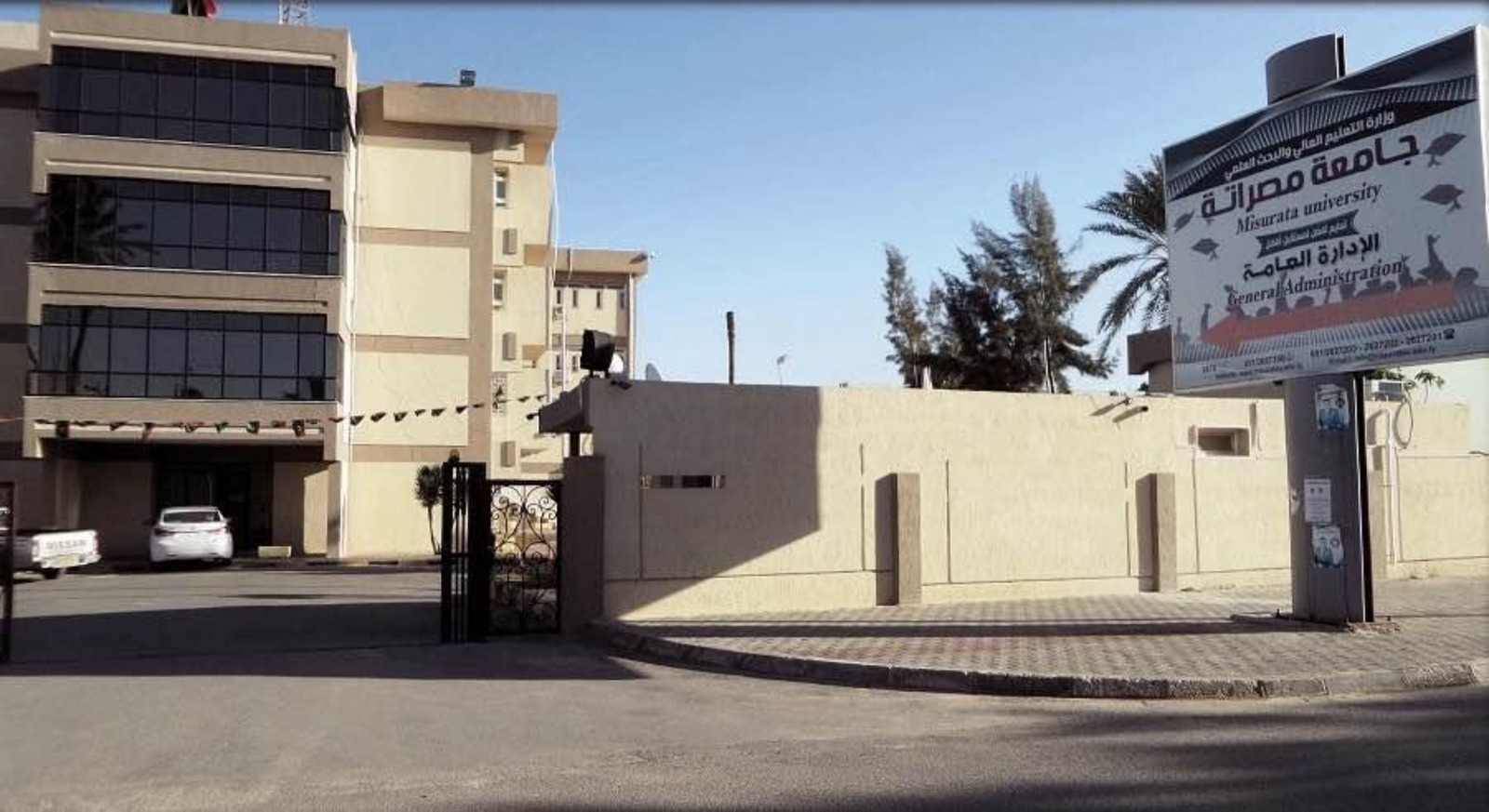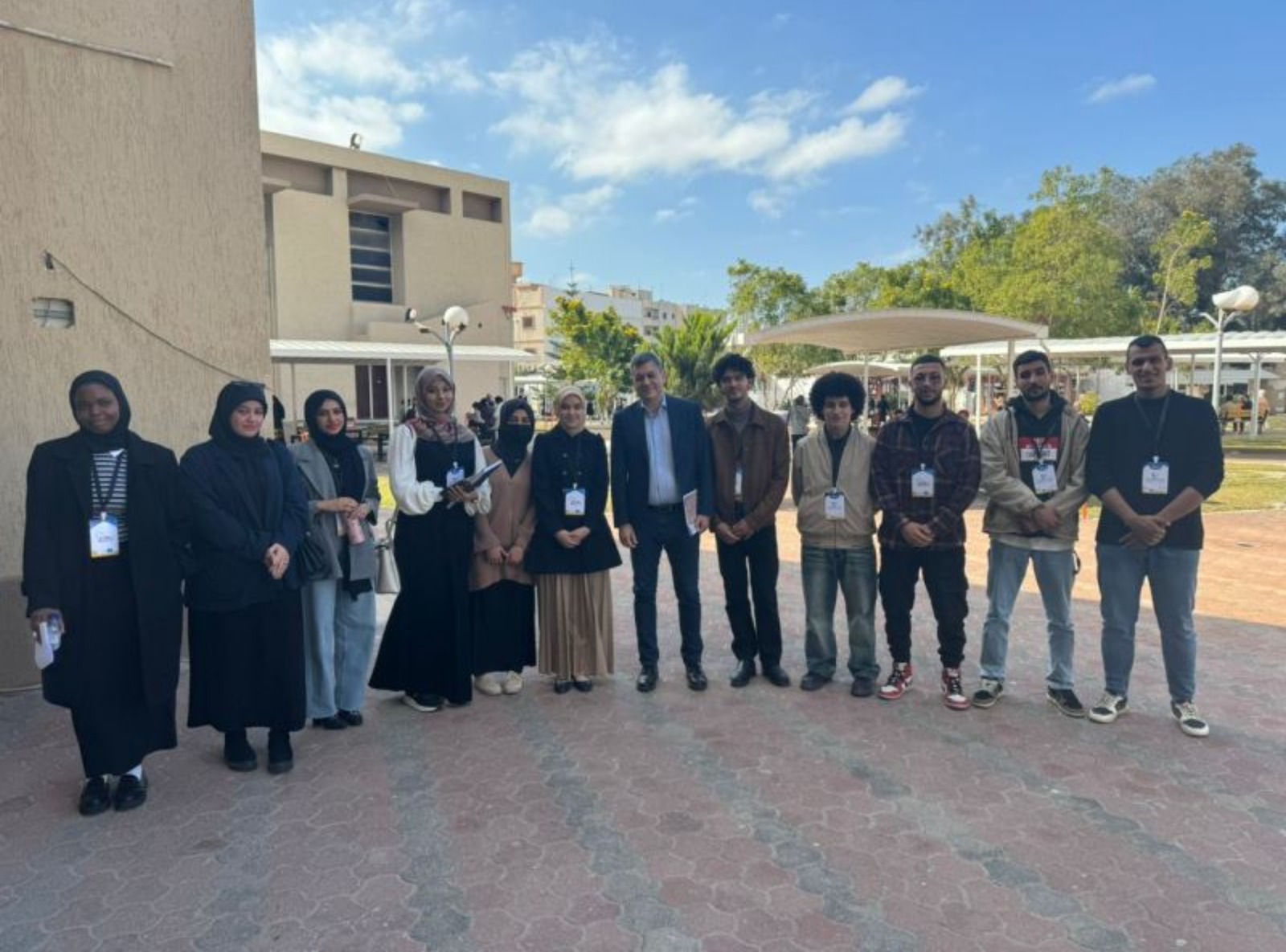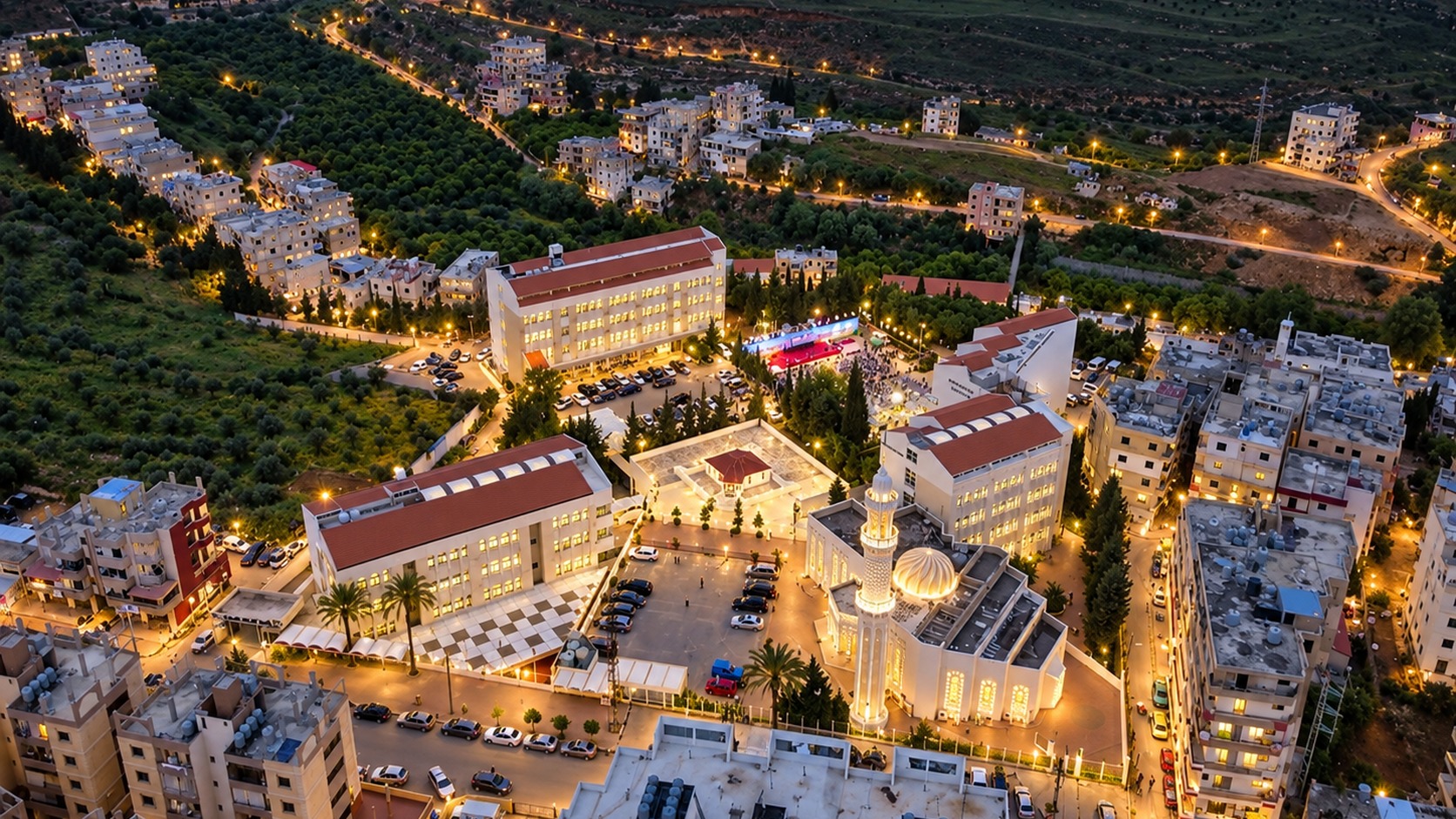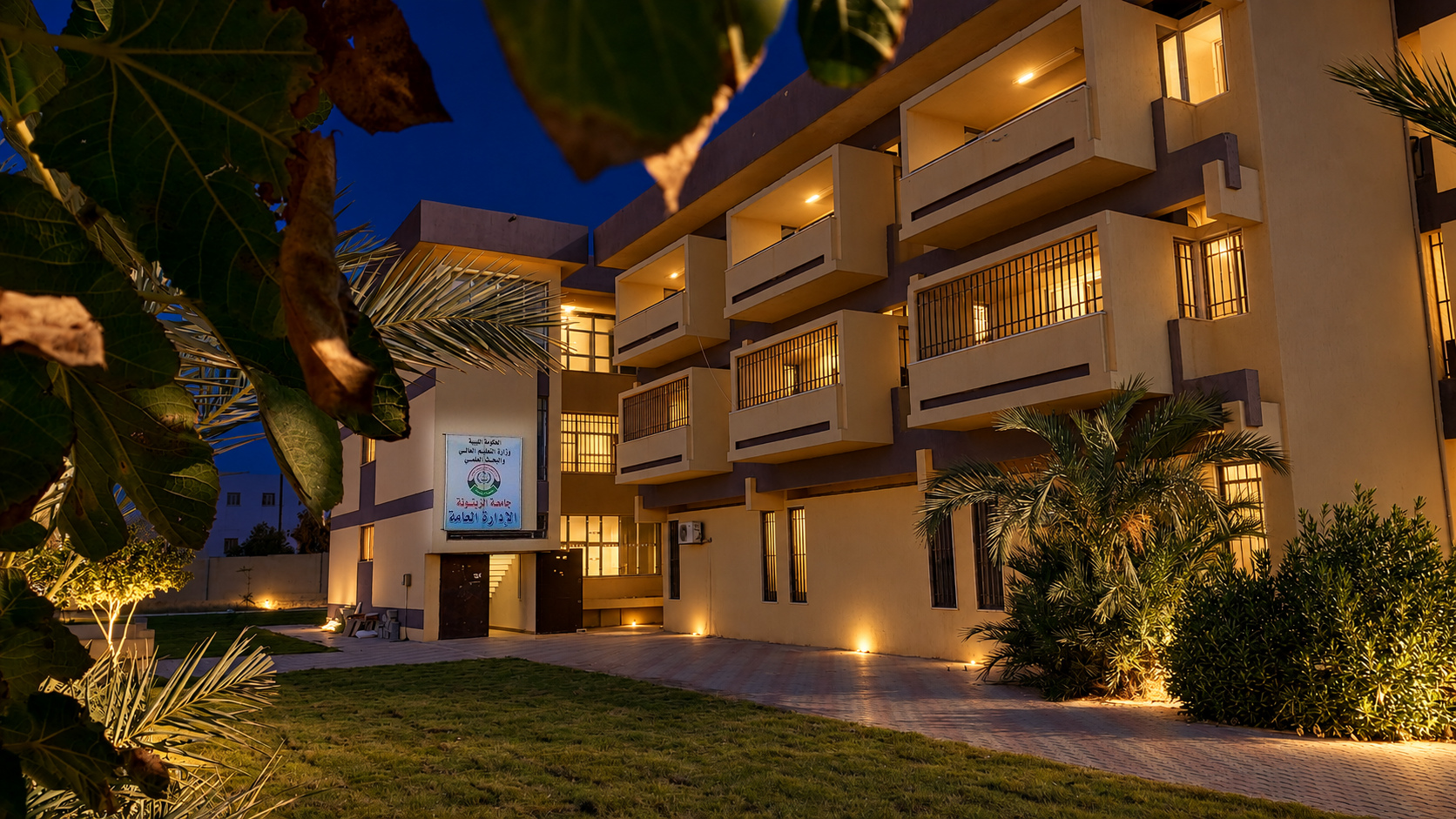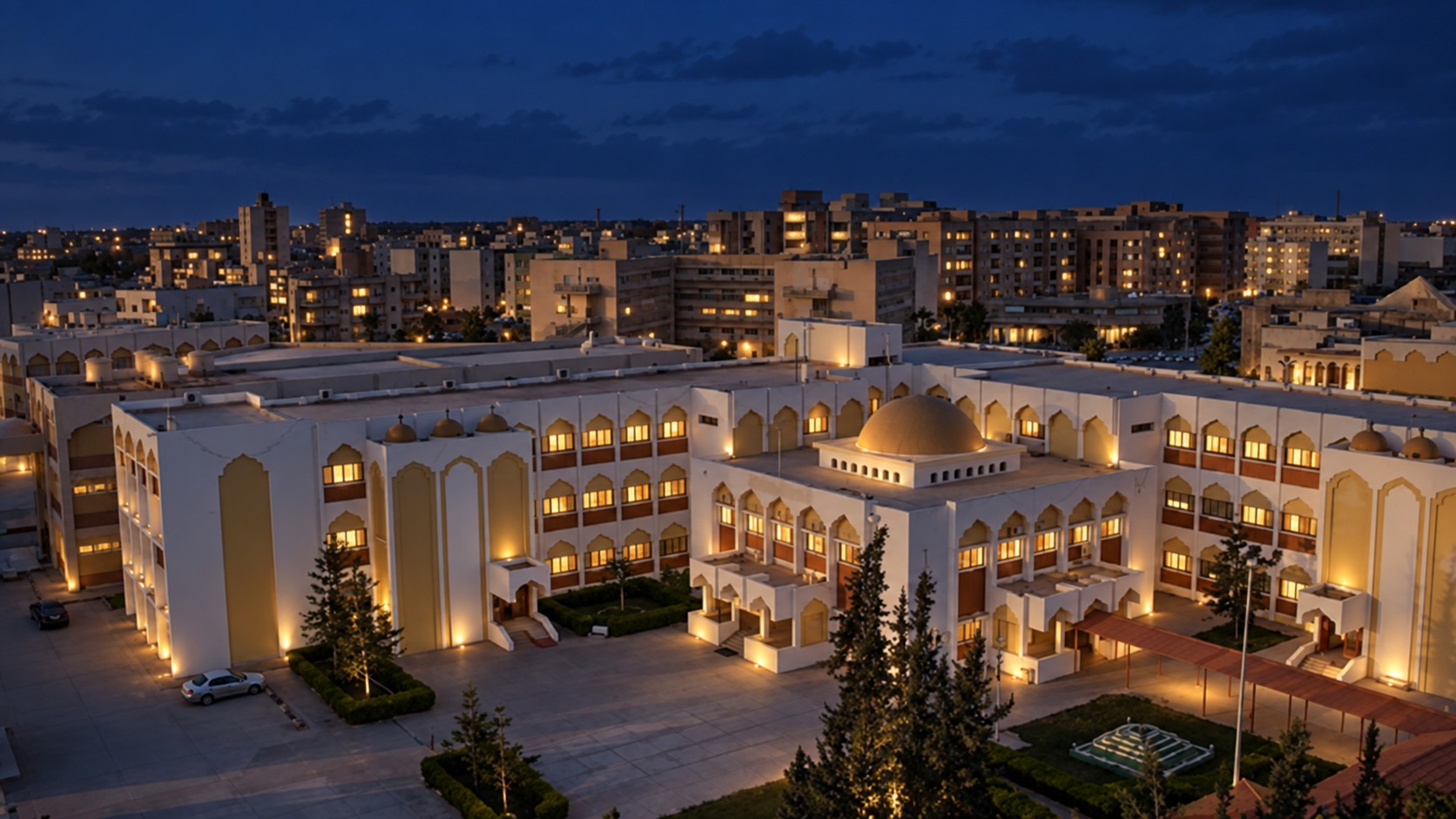
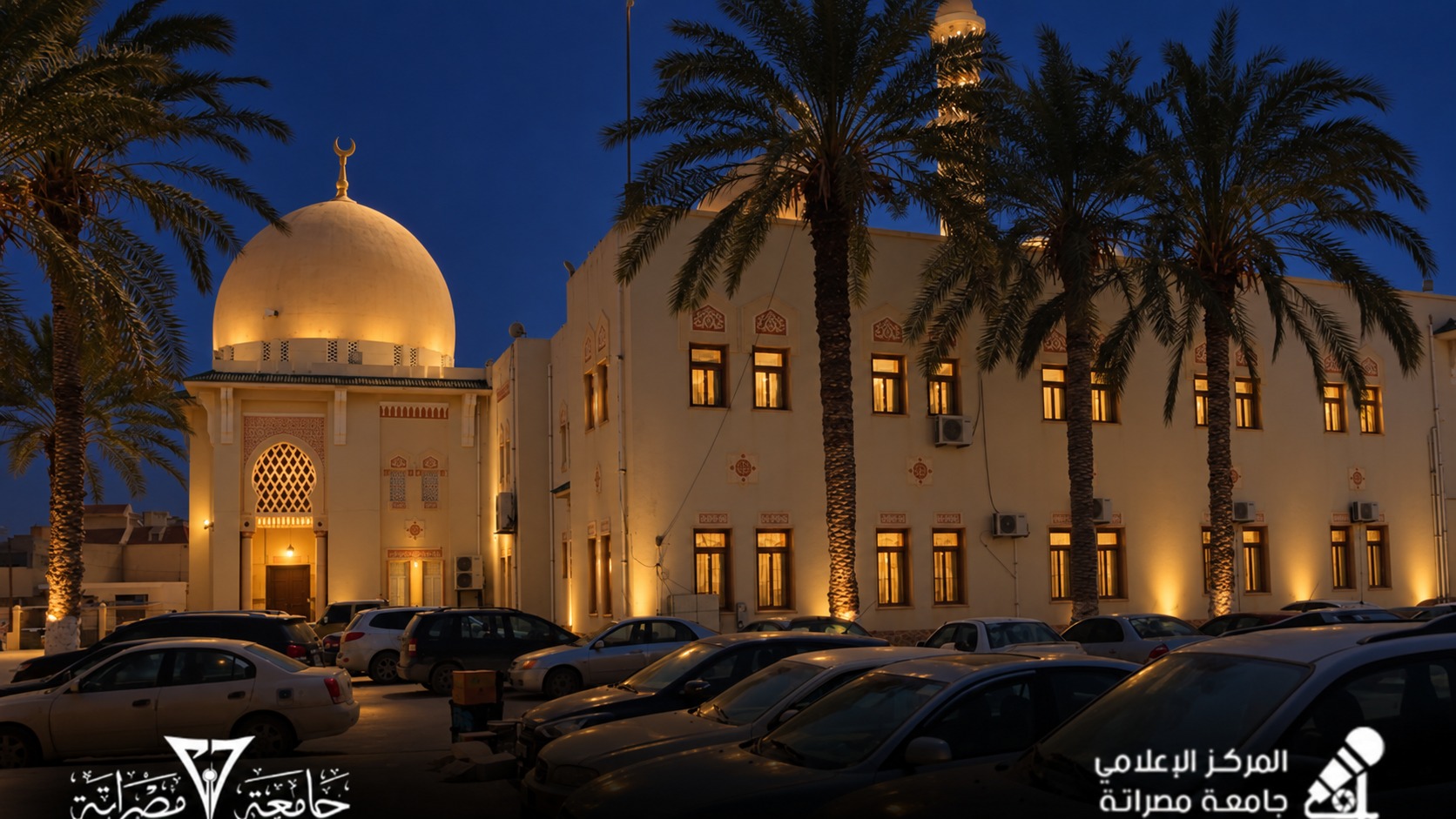
The story of Misrata University is characterized by the accumulation of different faculties and fields of study over several stages, culminating in a broader university identity. From this perspective, it can be recognized as an institution that integrates basic, applied, and human sciences, offering students diverse options within a single city and its associated academic centers. [1, 2]
Stages Explaining the Institution's History
The university recounts the beginnings of the Department of Metallurgical Engineering in 1983, followed by the Faculty of Basic Sciences in 1984, which it considers its initial establishment. It then details subsequent stages of faculty consolidation and name changes, culminating in the formation of Misrata University in 2010. [1]
Distinguishing between these milestones prevents confusion between the establishment of the first educational unit and the emergence of the current university entity. This distinction is also important when reading alumni documents or research papers bearing the names of previous institutions, as the university's history is not a single, monolithic history for all its faculties.
Engineering, Health, Languages, and Environment
The portal showcases colleges of engineering, information technology, science, agriculture, environmental science and natural resources, along with medicine, dentistry, pharmacy, health sciences, law, languages and translation, arts, media, humanities, and education. [2]
This diversity allows students to make a more accurate comparison between the nature of the fields. Environmental studies require observation, measurement, and analysis, while language studies require reading, expression, and contextual understanding. The health field combines knowledge with application and communication. A good choice begins with these practical tasks, not just an attractive name.
Language and Technology: Shared Tools
The university includes a language center, an innovation and entrepreneurship center, e-learning platforms, and a research and consulting center. [2] These elements can be viewed as tools that complement the specialization, along with a review of the services and courses available to the student's chosen field.
It benefits students to set a language goal related to their studies: reading a research paper, writing a report, or giving a presentation. On the technical side, they can learn one tool that serves their project instead of switching between many programs without mastering them. This progression makes additional skills part of the plan, not a separate activity.
Development News to be Read Chronologically
In September 2026, the university announced the opening of lecture halls, an orientation for engineering students, and progress on equipment in the health sciences and prosthetics center. [2] These announcements should be presented as dated activities, distinguishing between a completed facility and ongoing maintenance or equipment work.
This distinction is important because students base practical decisions on published information. It is better to inquire about the specific location of their current course and the facilities used within their program, rather than assuming that every development project is now available to all students.
Research to Start with a Manageable Topic
The university provides access to scientific journals, conferences, and graduate studies information. [2] Students can begin by reviewing research titles relevant to their interests and then define a specific question that they can read and analyze within a realistic timeframe.
In a graduation project, the quality of the question and the organization of the evidence are more important than the breadth of the title. The project might focus on improving a procedure, comparing two methods, analyzing texts, or testing a simple model. These are methodological examples and not descriptions of guaranteed programs or opportunities within the university.
Study Life and the International Profile
Students should link their accommodation and commuting to the college location and practical activities, and keep their correspondence organized. Admission announcements should be reviewed according to the target group, as a general announcement for new or postgraduate students does not automatically guarantee acceptance for every international applicant. [2]
Misrata University is worth exploring for those seeking a comprehensive institution with complementary fields of study. The decision is finalized by confirming the program, language of instruction, fees, training, and required accreditation, so that the university's broad scope becomes a specific path that aligns with the student's aptitude and goals.
Sources and references
- Source 1 · misuratau.edu.ly
Original source title
جامعة مصراتة — الخلفية التاريخية - Source 2 · misuratau.edu.ly
Original source title
جامعة مصراتة — الكليات والمراكز وأخبار سبتمبر 2026