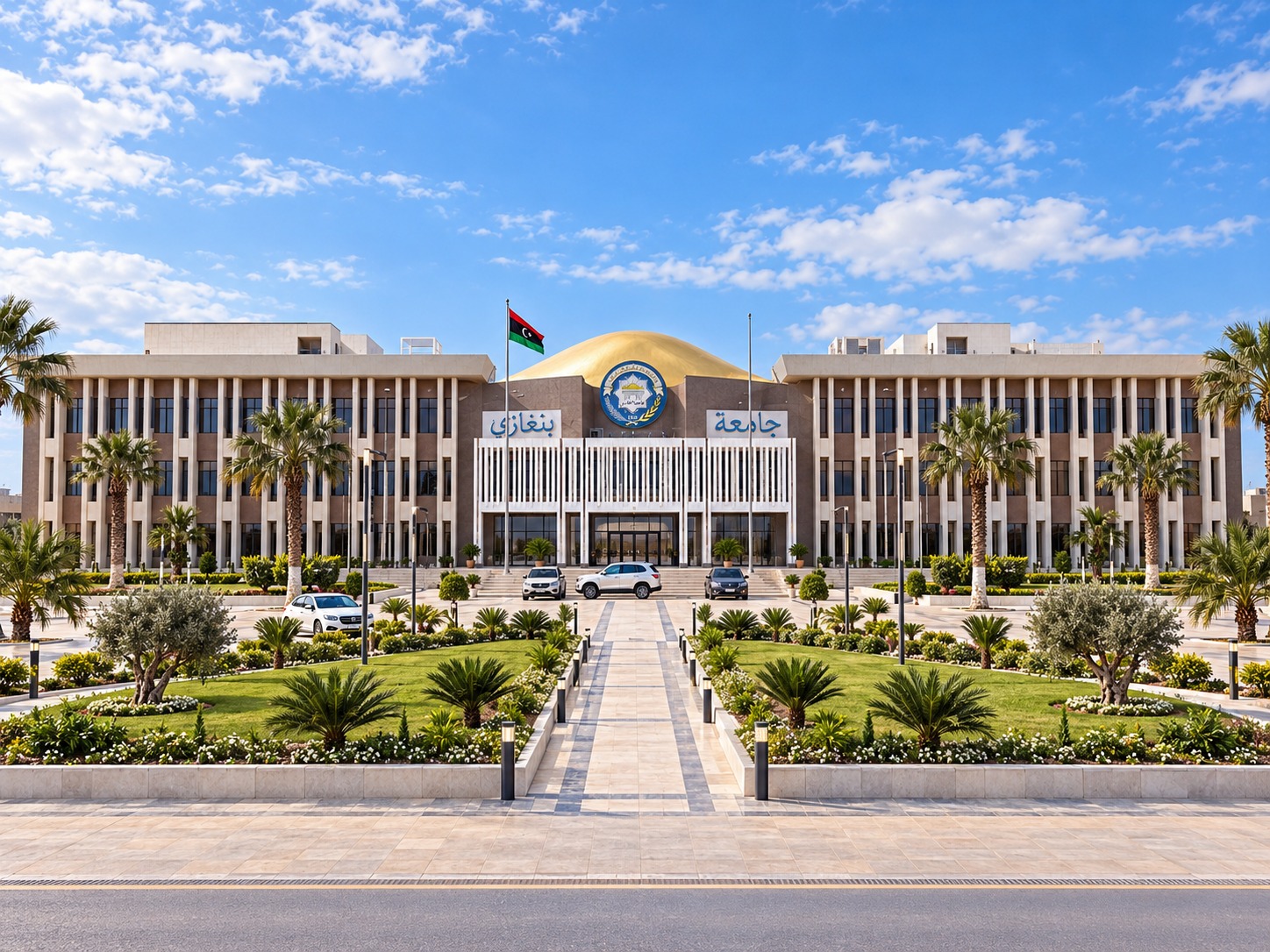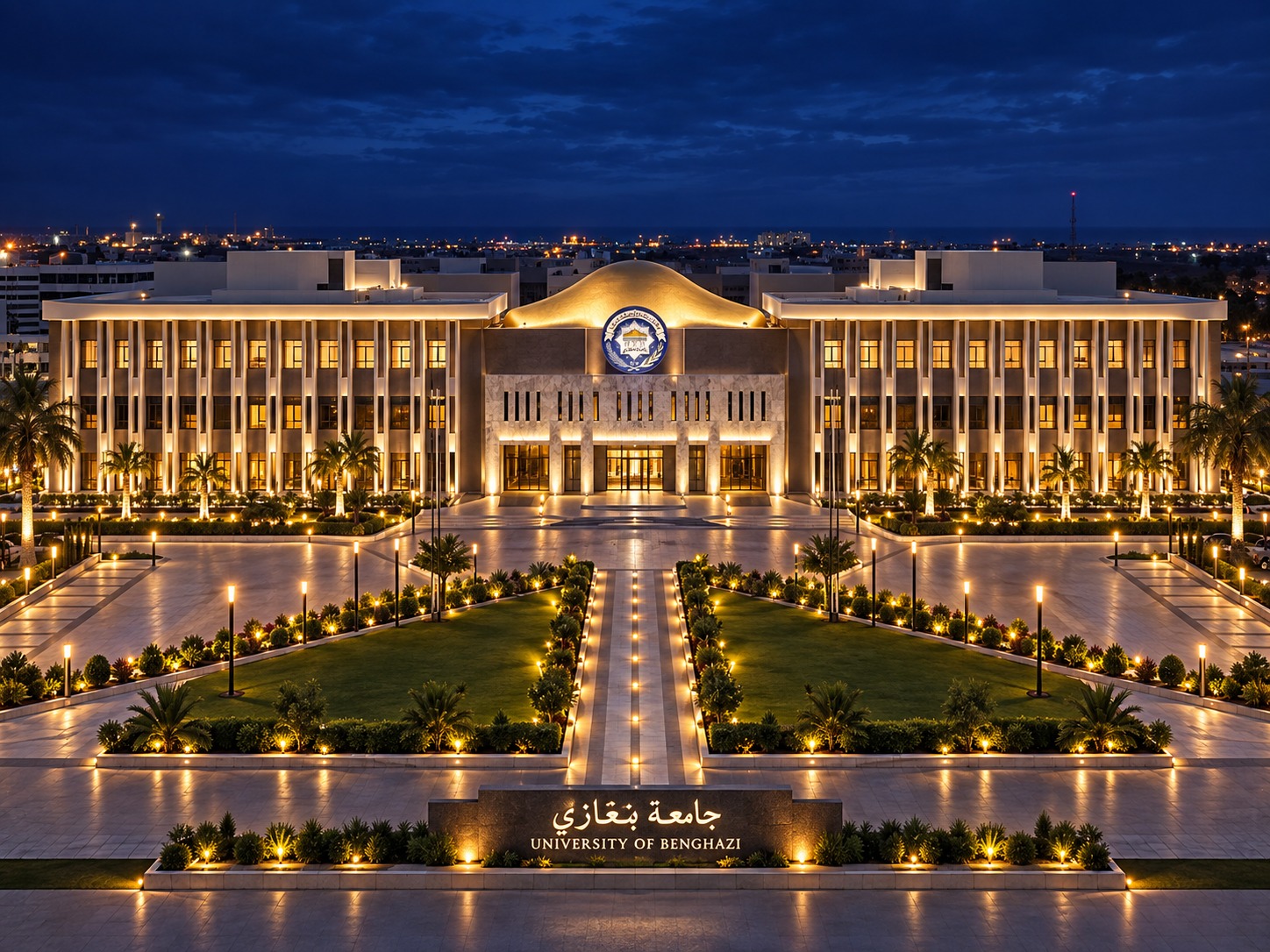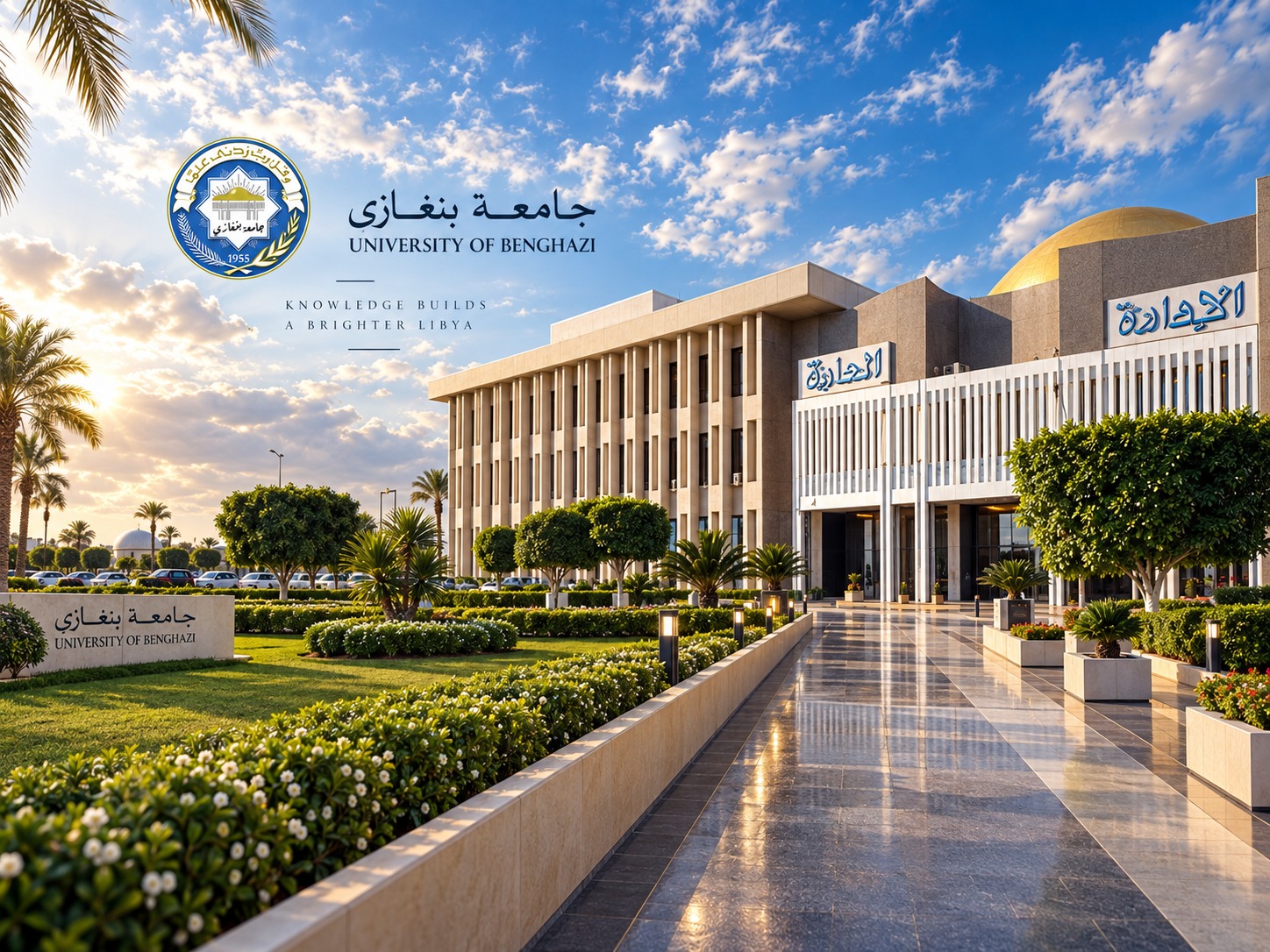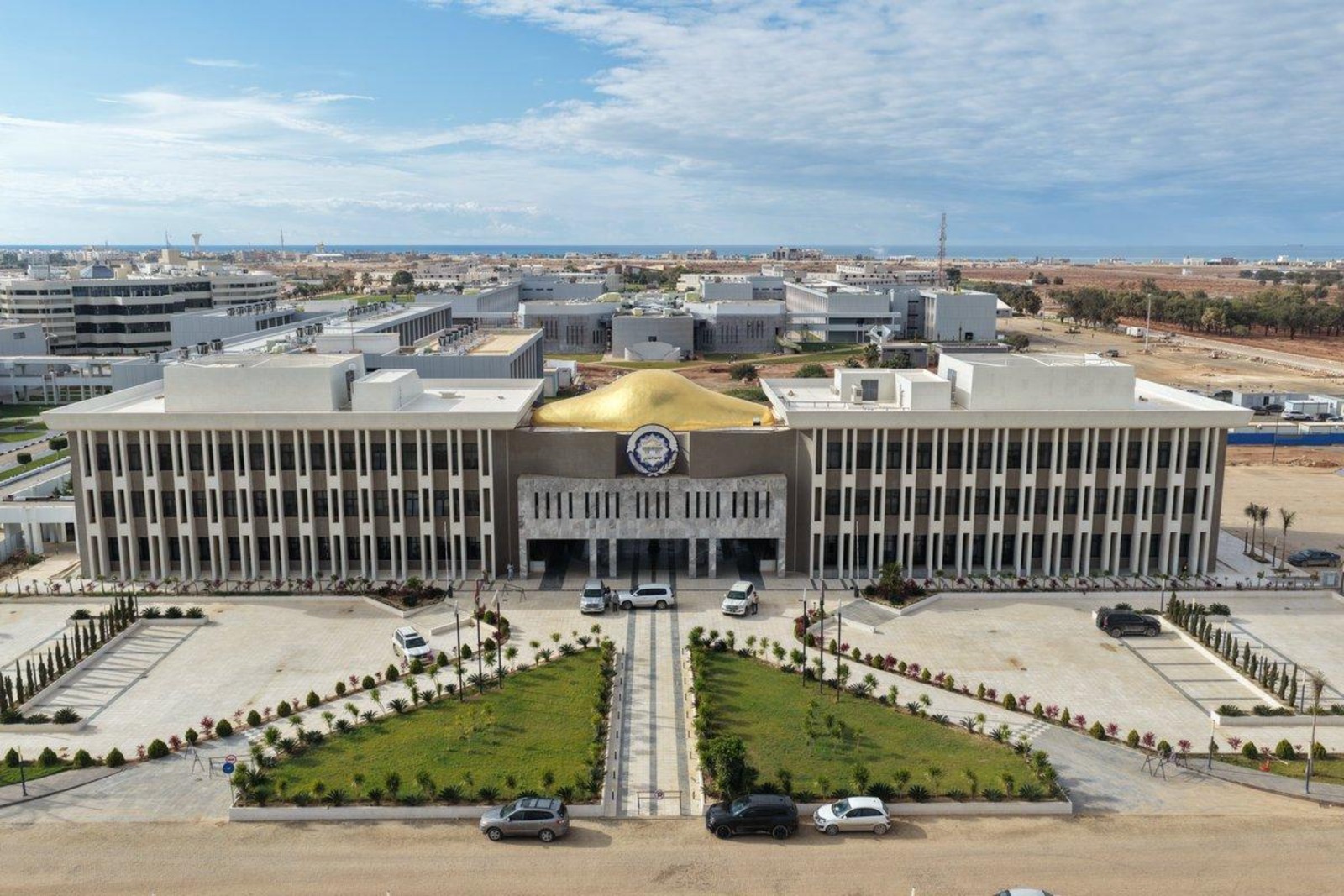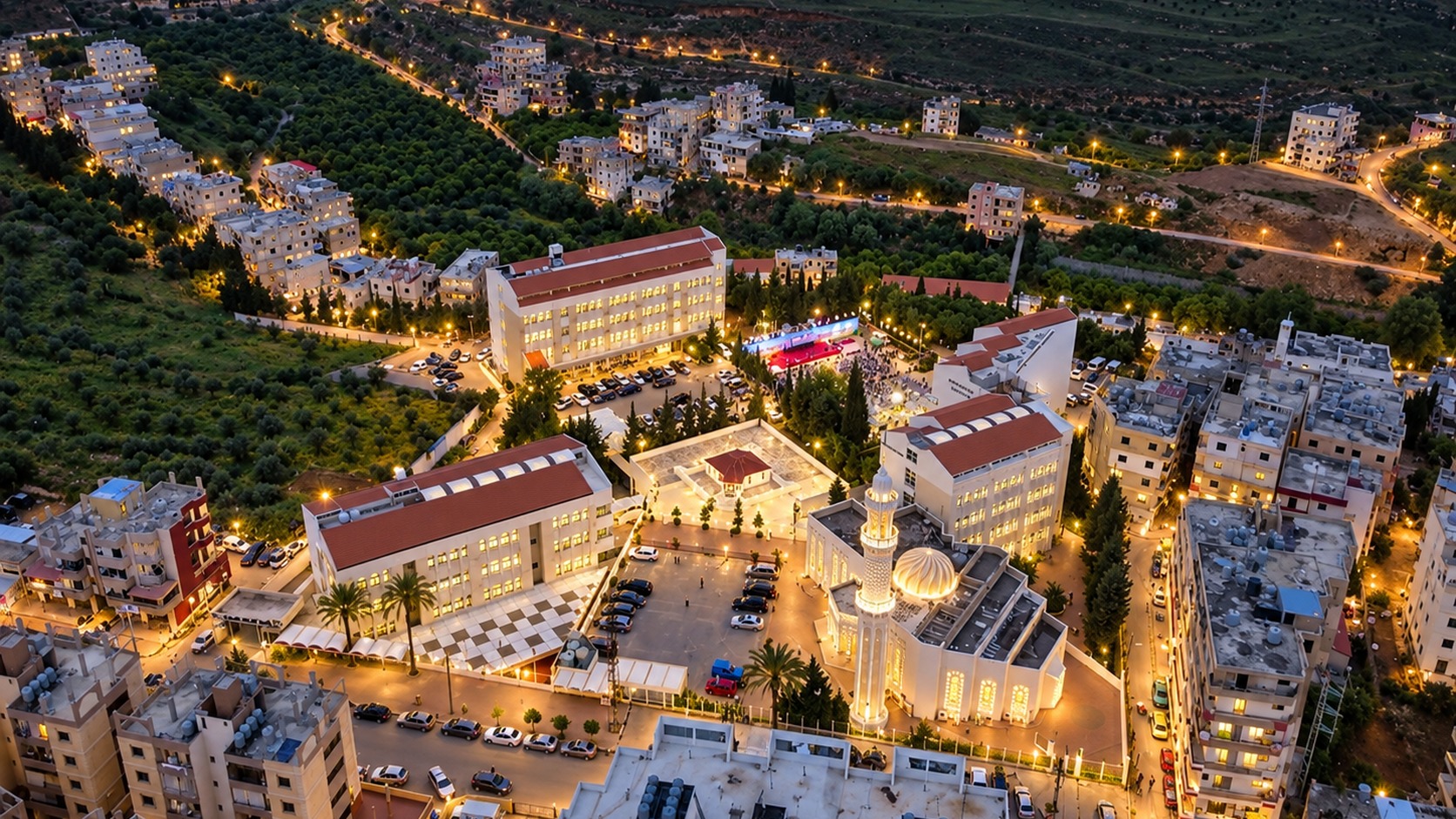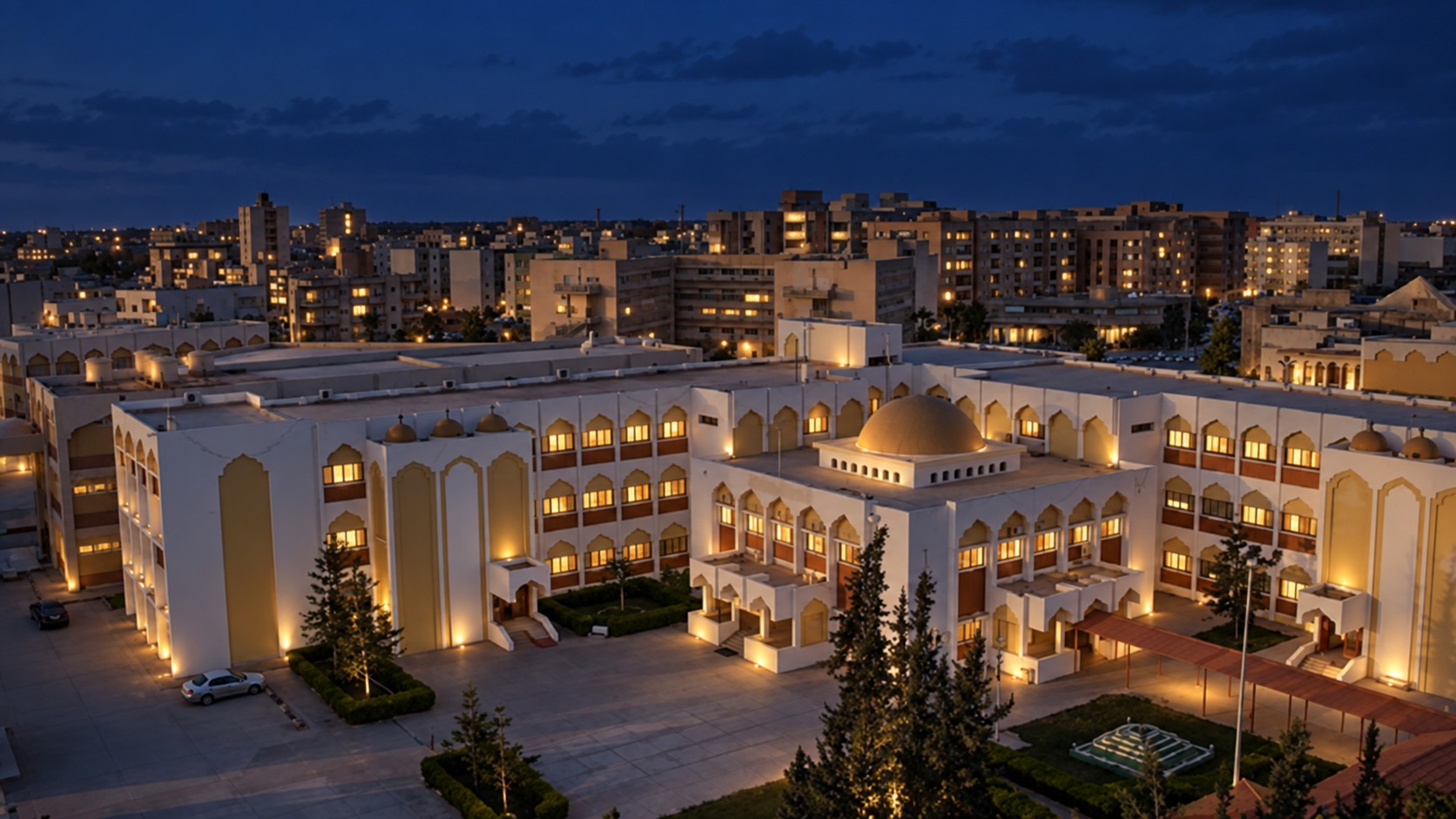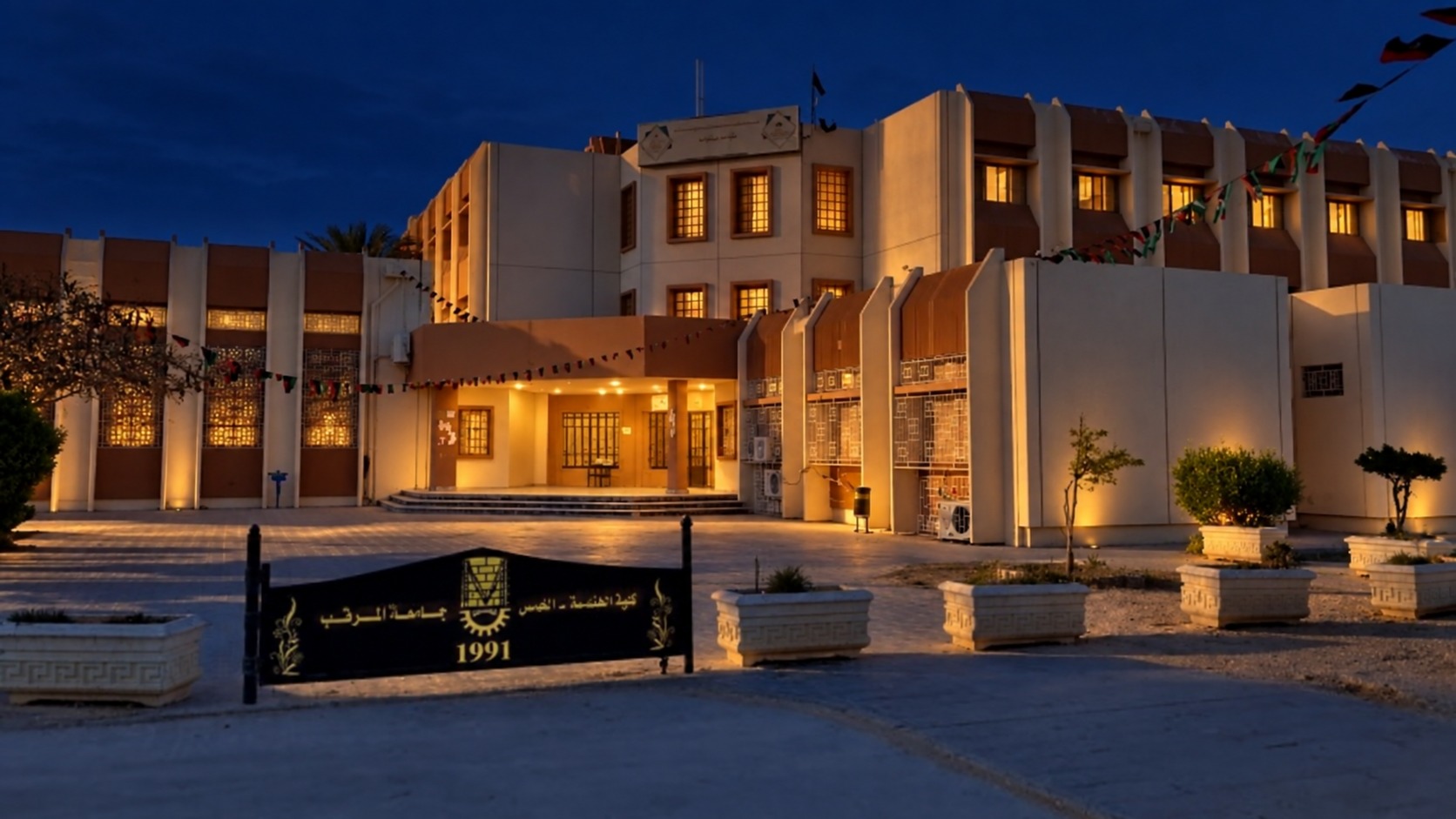


The University of Benghazi has a history that began with a Faculty of Arts and Education, expanding over the decades to include scientific, health, engineering, and humanities disciplines. This transformation from a small nucleus to a comprehensive institution provides a rich narrative that goes beyond simply listing its faculties to understanding the university's role in preserving and producing knowledge. [1]
A Documented Beginning and a Developing Trajectory
The law establishing the Libyan University in Benghazi was issued on December 15, 1955, and studies officially commenced in January 1956. Faculties of Commerce, Economics, Law, Medicine, Engineering, Sciences, and others were subsequently established, and the university relocated to its current campus in Garyounis in 1974. [1]
This overview clarifies the institution's history as Garyounis University, its subsequent reversion to the name University of Benghazi, and changes in the affiliation of the medical faculties. [1] This background is important for students reading older documents or references, as it helps them distinguish between the institution's history and the current program name and funding body.
From Manuscripts to Nanotechnology
The portal showcases centers for manuscripts and documents, environmental, engineering, and energy consulting, chemistry and biology research, accounting and finance studies, and nanotechnology. [2] This interplay between heritage and technology makes the university accessible from various perspectives, depending on the student's interests.
A history student might focus on the source, its authenticity, and its context, while an engineering student might concentrate on measurement, modeling, and application. However, both share a fundamental skill: constructing a defensible conclusion supported by evidence. This skill is what gives university studies their depth, regardless of the field.
Tools for Building a Researcher's Personality
The university includes a library administration, a digital repository, a research ethics committee, and scientific journals and activities. [2] These elements help students understand research as a structured process, beginning with questioning and ending with documentation and review, rather than simply accumulating a large amount of information.
It is beneficial for students to learn early on how to distinguish between primary sources and subsequent explanations, how to record reference data, and how to clarify the limitations of their findings. In research involving human subjects or sensitive data, consent and privacy are integral to the methodology itself.
The University Community Beyond the Lecture Hall
The university offers a Student Activities Department, a Language Center, a Medical Services Center, and channels for media production and academic development. [2] These services add diverse facets to university life, allowing students to seek support or activities that suit their needs.
Participating in a club or academic event can be a way to develop communication, organizational, and teamwork skills. Its impact is amplified when students take on and complete specific tasks, rather than simply attending casually. Language support is understood through advertised courses and services, not as an assumption that all programs are available in a single language.
Benghazi and Garyounis in Planning
The university is linked to Garyounis in Benghazi. [1, 2] Knowing the address of the college and the practical stage is essential before arranging accommodation, as the city or university name alone is insufficient to plan a student's daily schedule.
It is best for applicants to keep a single file containing their academic contact, study plan, and required documents, keeping relocation and accommodation information separate from academic information. This method reduces confusion and allows for updating each section as it changes, without having to rebuild the entire file.
What makes this article a useful starting point?
The University of Benghazi is a worthwhile place to explore as an institution with a rich history and diverse academic background, but the individual decision begins with a specific program. Eligibility, language requirements, training opportunities, fees, and required accreditation are reviewed using current resources. The true value of a university's legacy is revealed when a student can connect it to a clear learning experience and skills they intend to develop during their studies.
Sources and references
- Source 1 · uob.edu.ly
Original source title
جامعة بنغازي — النشأة والتأسيس - Source 2 · uob.edu.ly
Original source title
جامعة بنغازي — المراكز والخدمات