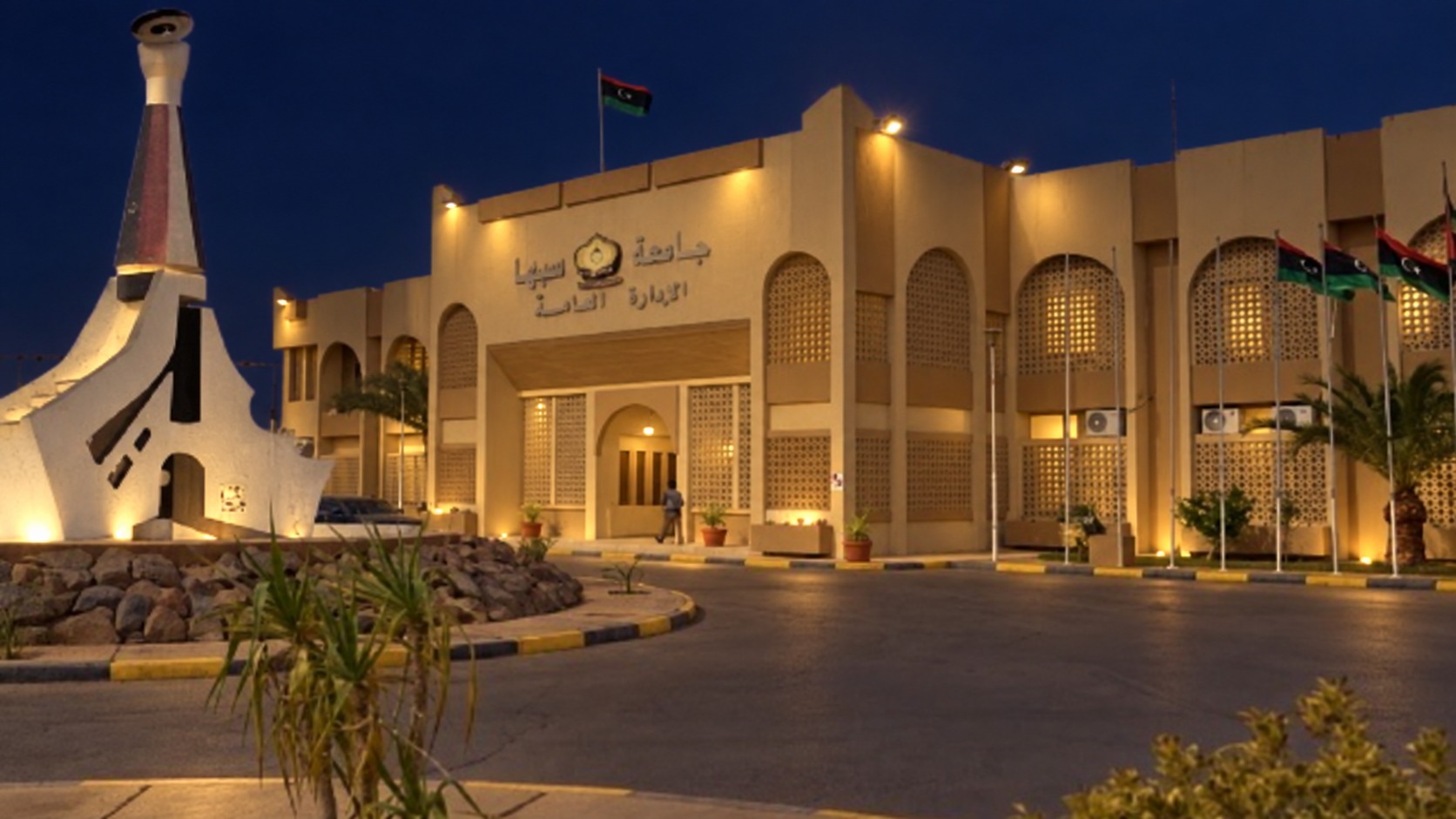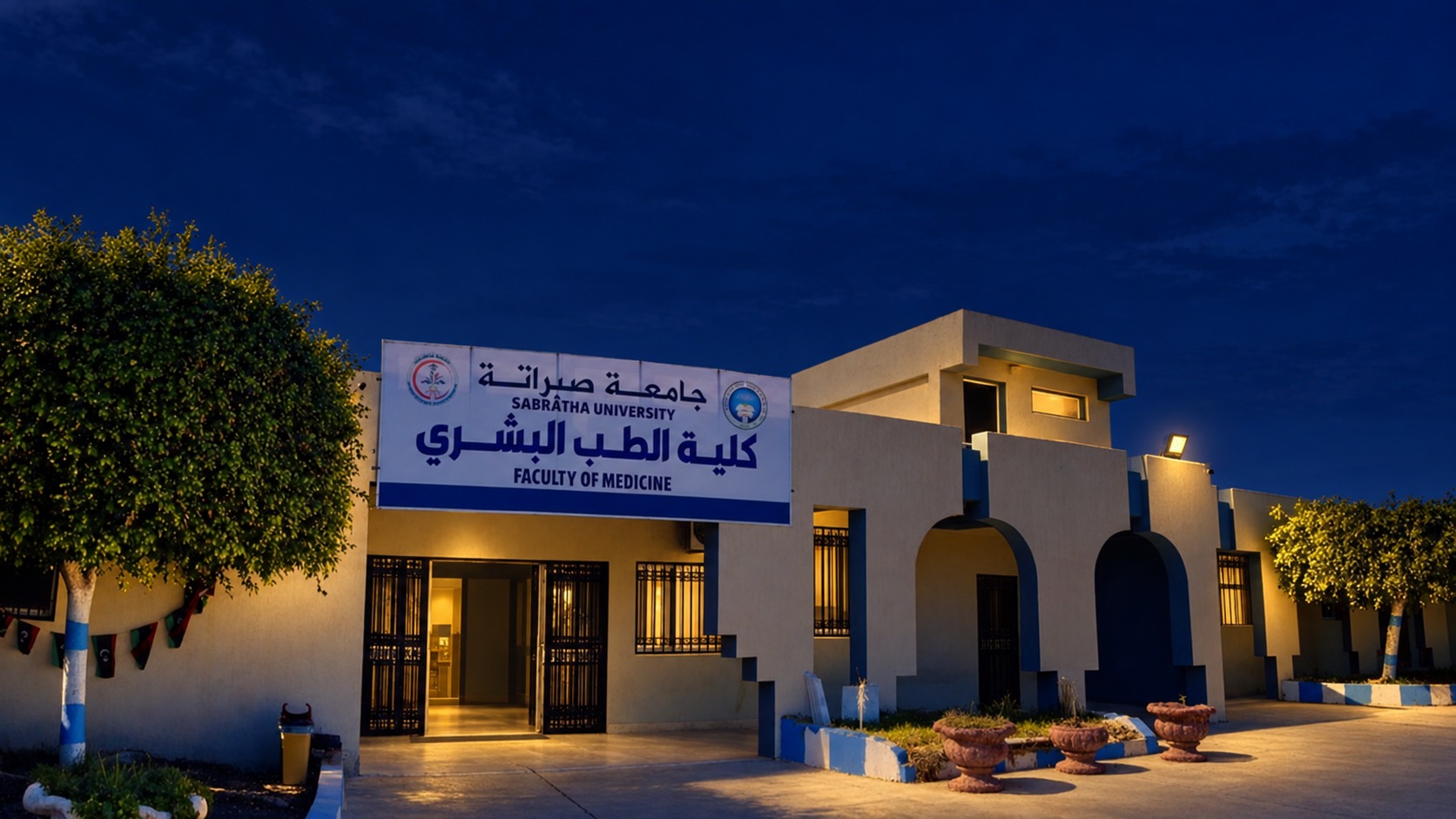
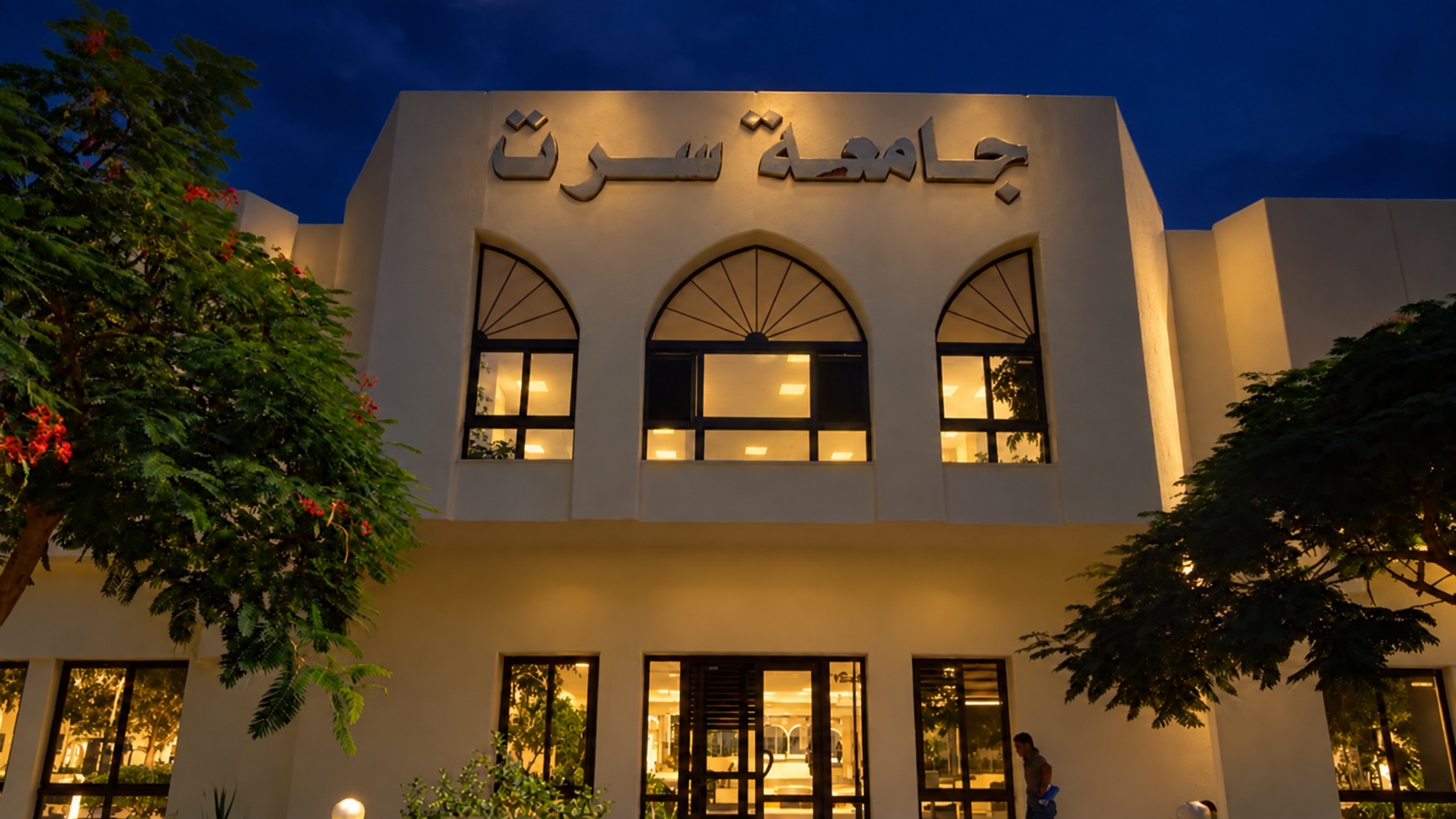
When engineering, agriculture, and health sciences are combined with law, humanities, and education, the university becomes a space for understanding society's needs from multiple perspectives. Sirte University offers this model through an academic structure that integrates applied and humanities fields, with a history of development from a branch university to an independent institution. [1, 2]
From Branch to Independence
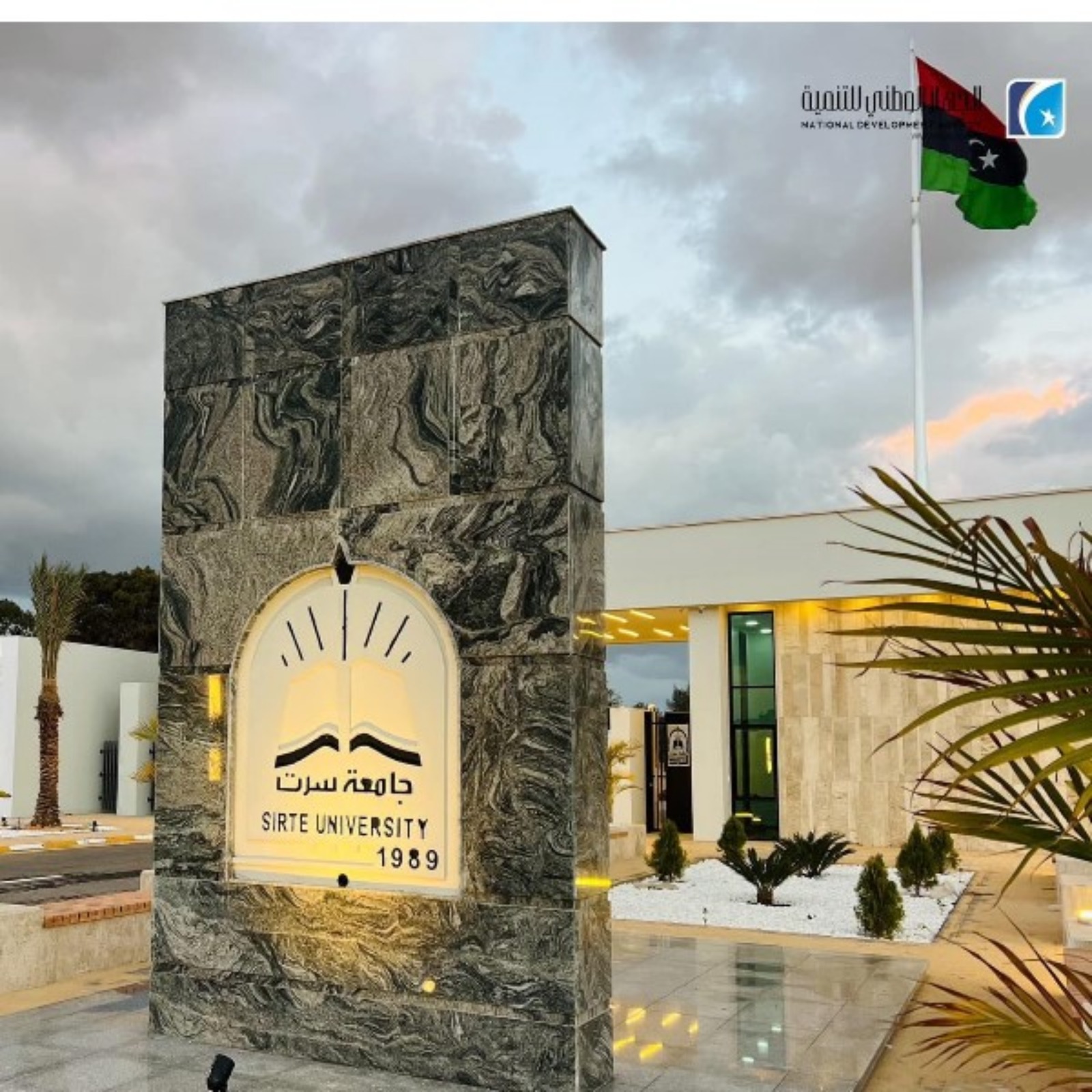
The university began in 1989 as a branch of Garyounis University, then became administratively and financially independent in 1991 under the name Al-Tahadi University. The name Sirte University was adopted in 2010, according to the date published on the website. [1]
These milestones help clarify names that may appear in older documents and references. For new applications, the current university name should match the college, program, and location, as the institution's history explains its trajectory and does not replace current admission data.
Fields Linking Theory to Practice
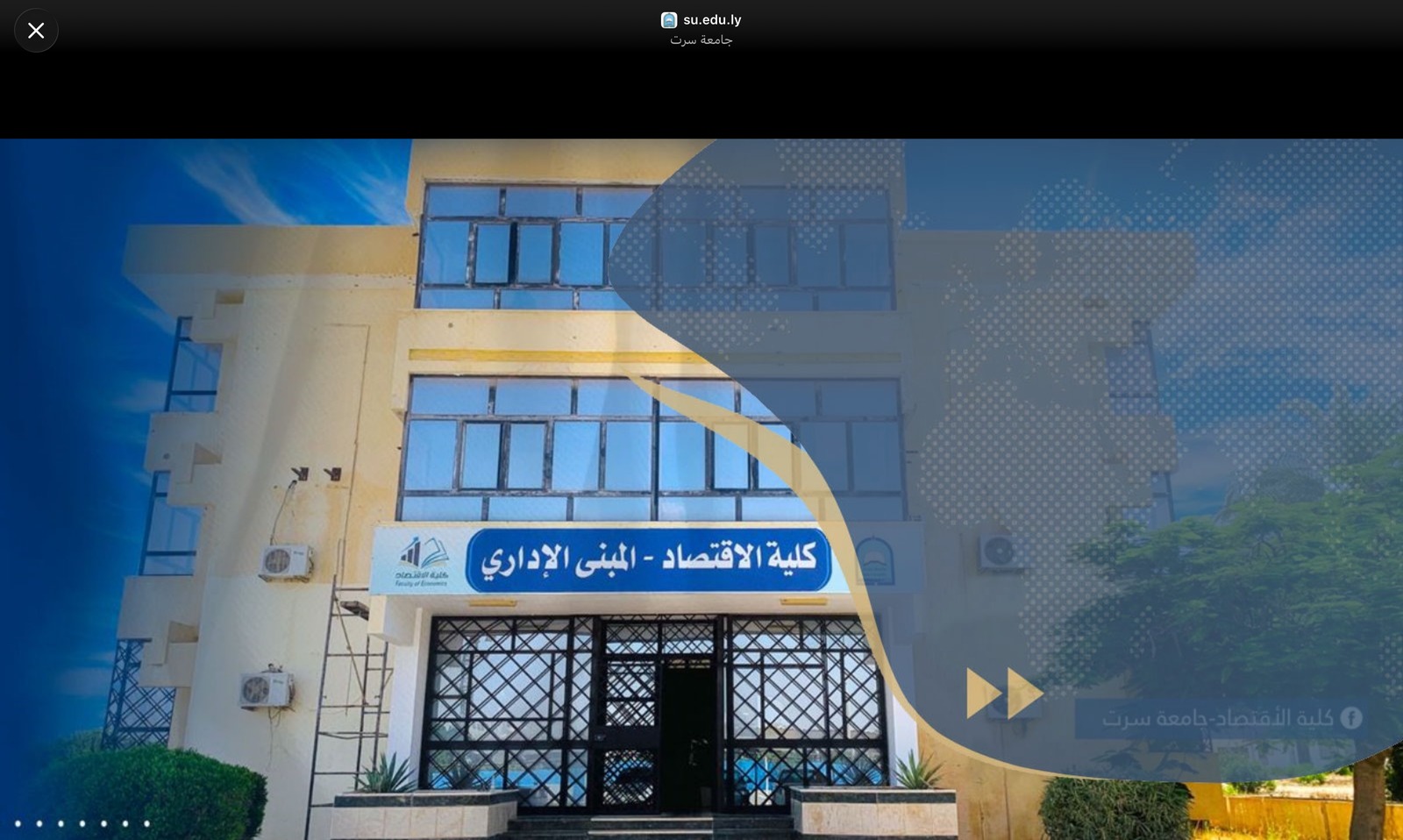
The portal lists colleges of engineering, science, information technology, and agriculture, as well as a field of energy and mining engineering in Murada, in addition to medicine, health sciences, dentistry, economics, law, humanities, and education. [2]
This diversity allows for the posing of common questions: How are resources managed? How is health information explained? And how is data used to improve services? Students can start with their major and then draw on tools from other fields as needed, rather than trying to combine all interests without a plan.
Library and Repository: Tools for Building Independence
The university mentions libraries, a language center, and research and consulting centers as part of its development, and the current portal offers access to scholarly journals and a digital repository. [1, 2] These resources give students the opportunity to familiarize themselves with the nature of writing and research in their field.
A helpful practice is to create a structured reading file for each important course: key definitions, unanswered questions, reliable references, and short summaries. As the course progresses, this file becomes a tool for review and research, rather than starting from scratch for each assignment or project.
Technology in Managing the Academic Day
Electronic services include a student system, information on results, the academic calendar, and student ID numbers, along with guides to procedures and regulations. [2] Reviewing these early allows students to understand the administrative pathways of their studies, from registration to assessment and documentation.
It benefits students to distinguish between three types of deadlines: course registration, assignment submissions, and administrative procedures. Placing these deadlines on a single calendar helps them manage their learning time and makes inquiries more specific when they need assistance from the department or registrar.
A Small Project with Clear Value
In engineering, a student can test a model; in agriculture, they can compare documented data; in law, they can analyze a text; and in literature, they can develop a critical reading. These are examples of ways to utilize one's studies, not an assertion that specific projects are required at the university.
Good projects share clear elements: a focused question, appropriate resources, an explainable methodology, and a conclusion that does not exceed the bounds of the available evidence. The impact of a project increases when its creator can present it in language understandable to non-specialists, as communication is an integral part of the value of knowledge.
Sirte and Program Locations
Student life is often influenced by the actual location of the college, especially with the emergence of units outside the main campus on the university map. [2] Therefore, accommodation and transportation arrangements are made after the program and application are finalized, not simply upon knowing the city name.
Daily experience can foster independence and interpersonal skills, but financial and procedural planning remains individual. Budget, accommodation requirements, and admission criteria need up-to-date information tailored to the student's nationality and academic level, without applying a single assessment to everyone.
A Choice That Links Ambition to Details
Sirte University deserves exploration by students seeking a multidisciplinary Libyan university. A comprehensive comparison is made by examining the academic plan, language of instruction, international student requirements, training nature, fees, and accreditation. This transforms the institutional picture into a tangible decision, enabling students to build a clear academic and organizational plan.
Sources and references
- Source 1 · su.edu.ly
Original source title
جامعة سرت — تاريخ الجامعة - Source 2 · su.edu.ly
Original source title
جامعة سرت — البرامج والخدمات