
Georgia can attract attention through small details: a distinctive alphabet, old balconies overlooking Tbilisi's streets, cafés near modern university buildings, and landscapes that change beyond the capital. For students, these details are more than a beautiful background. They form the environment in which they will read, communicate, organise daily life and develop a new relationship with study and independence.
Understand the Place Before Choosing the University
Georgia lies in the South Caucasus on the eastern coast of the Black Sea. Its capital is Tbilisi, and its currency is the Georgian lari, designated GEL. Georgian is the principal official language and has its own alphabet. Teaching language varies by programme: an English-taught programme does not mean that every city service or university programme uses English. [1, 2]
Varied terrain gives the country several different faces: coastal cities, inland regions, mountain ranges and historic towns. Climate changes with location and elevation, so describing Georgia simply as “cold” or “mild” is insufficient when packing for study. Establish the city and arrival season, then prepare realistically for everyday life without carrying things you will not need.
Tbilisi Is More Than an Address on an Admission Letter
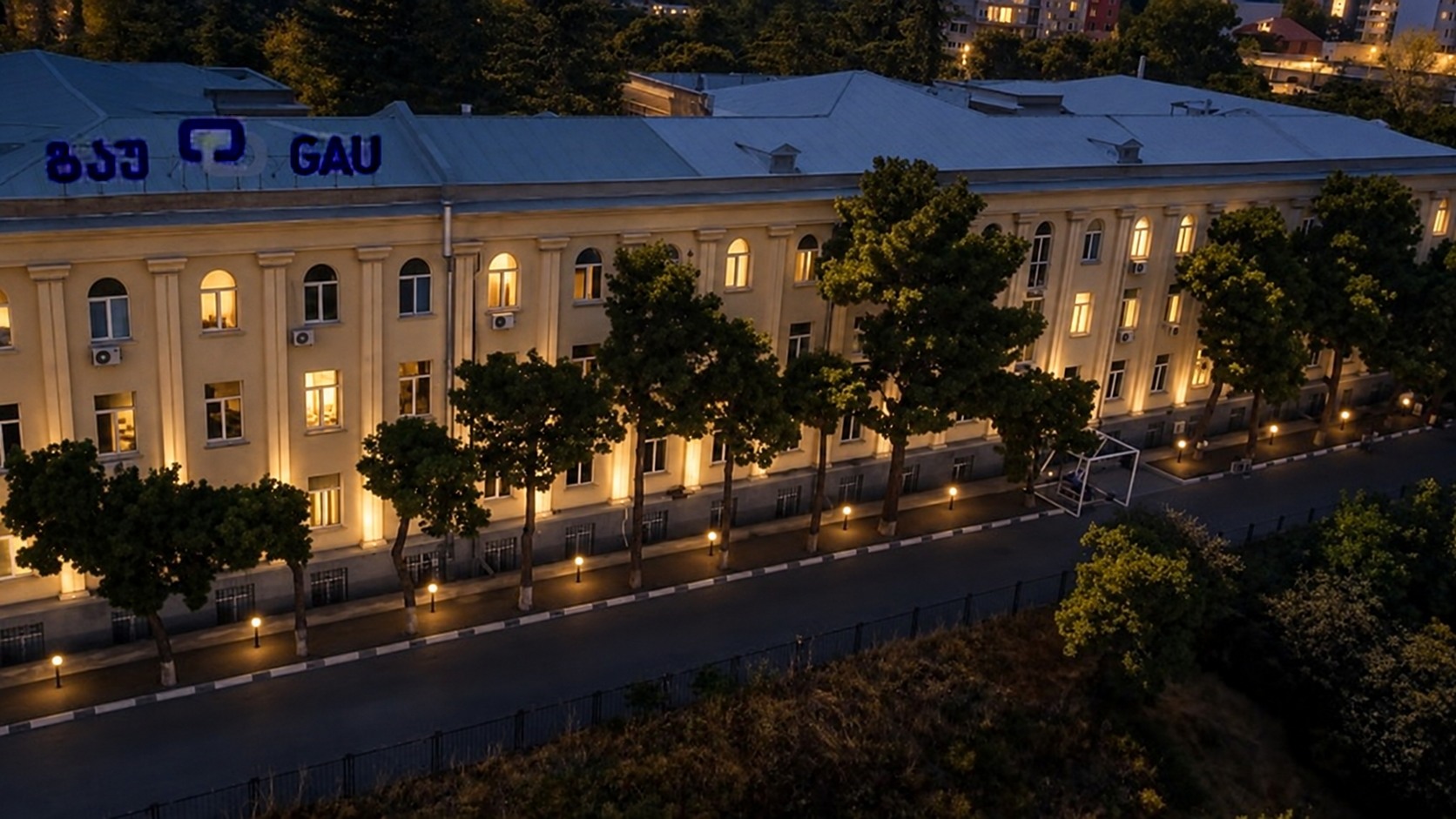
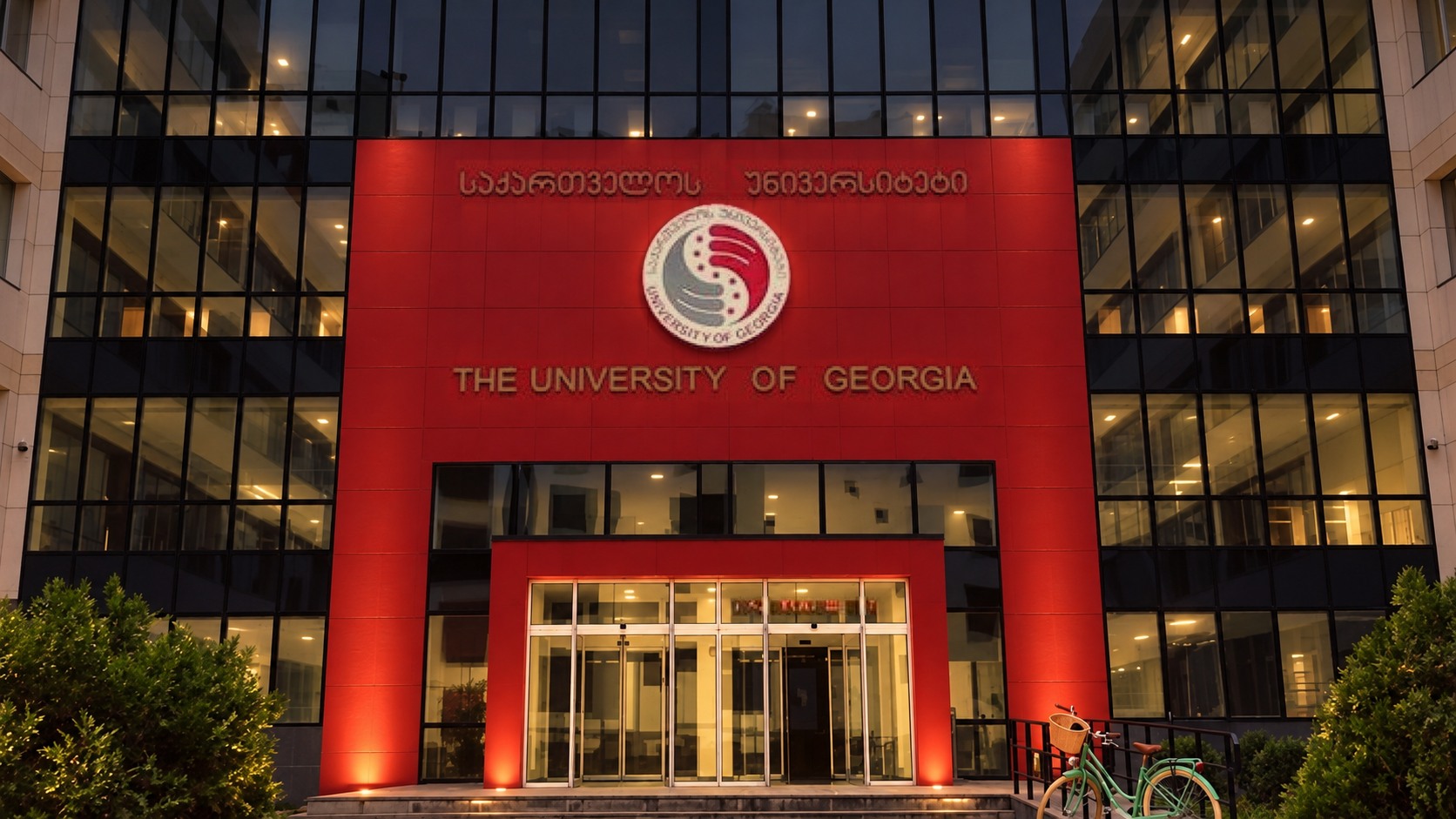
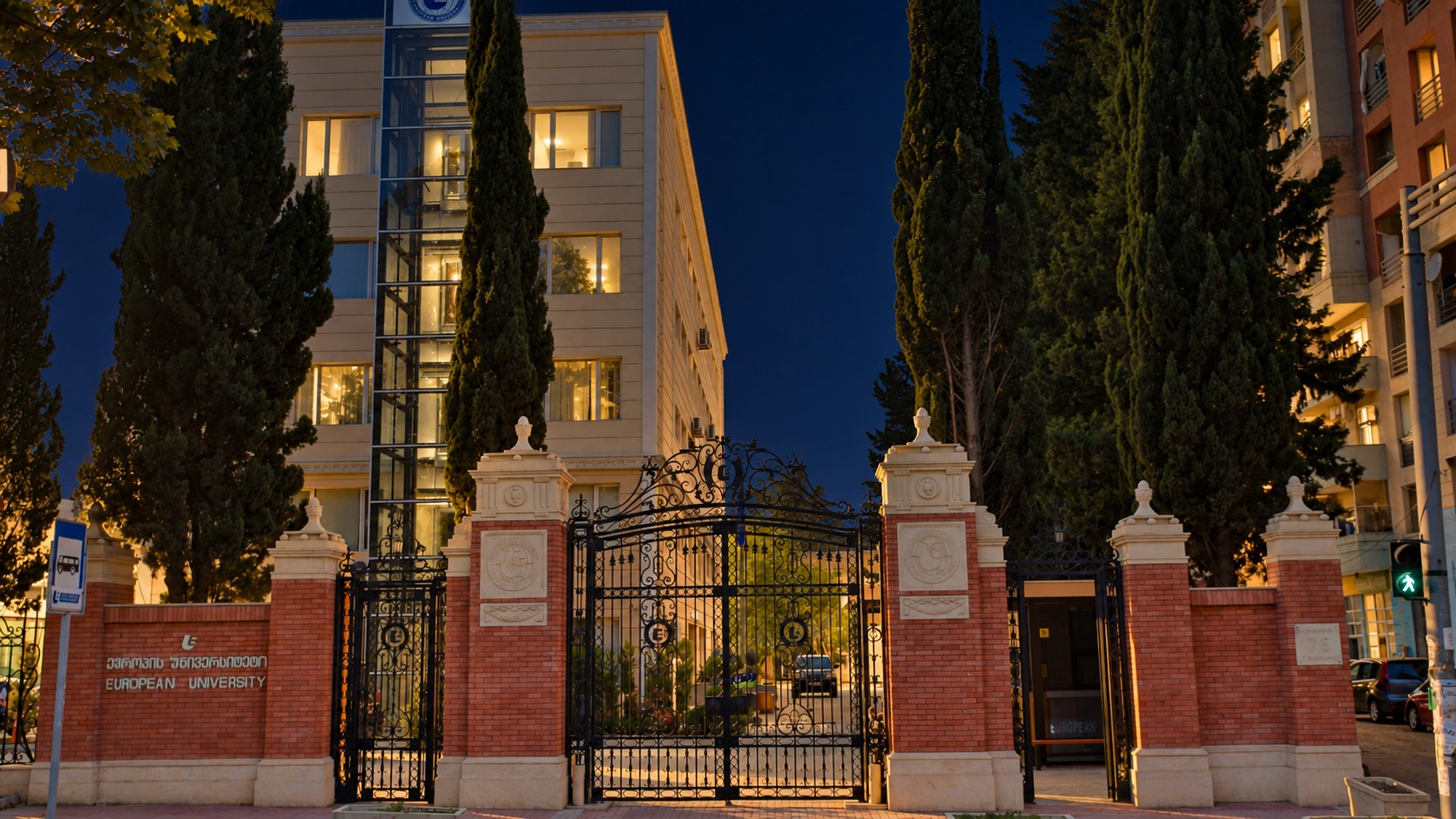
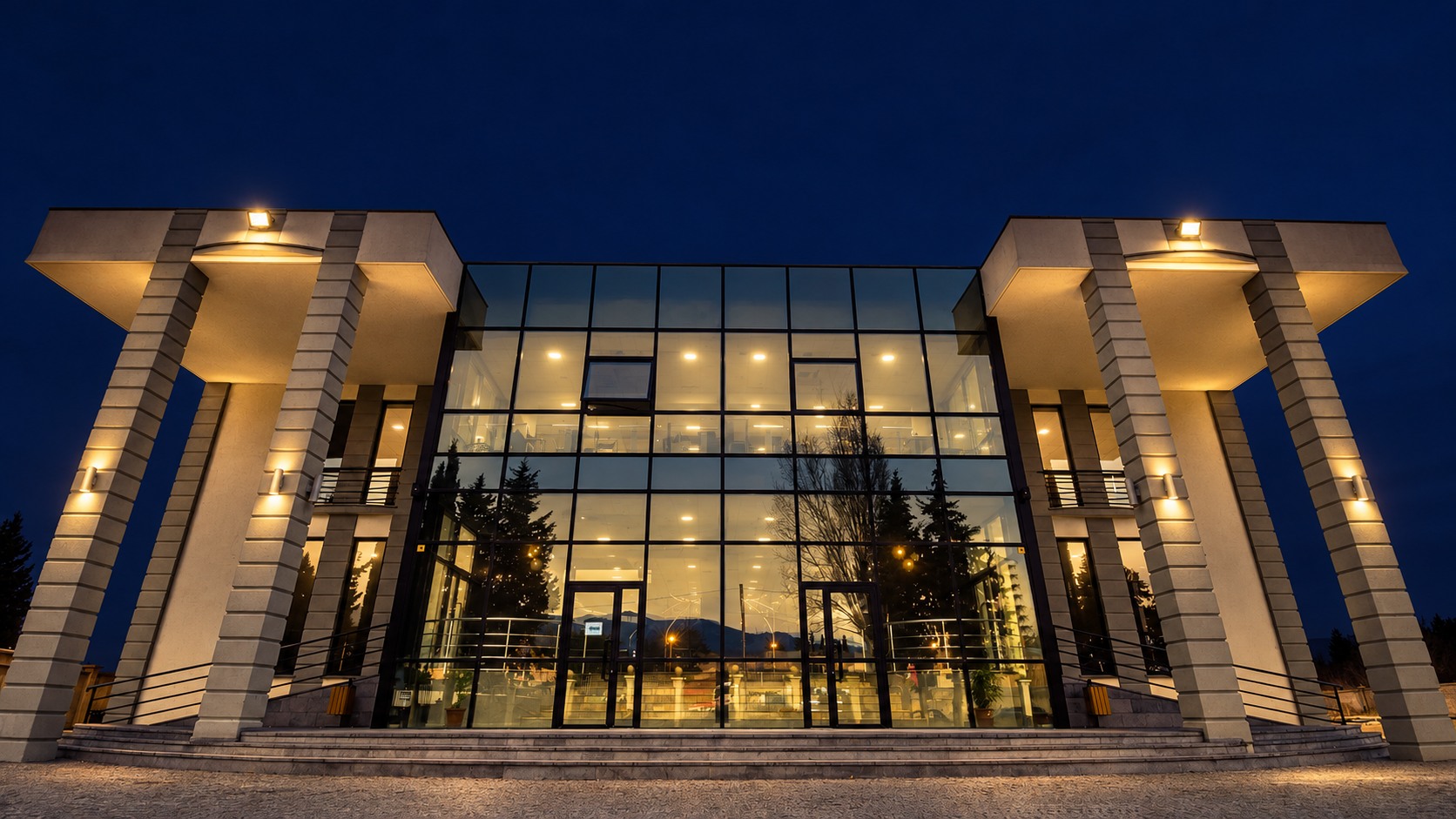
The Georgian universities in UNIVEX's directory are associated with Tbilisi: Georgian American University, the University of Georgia, Georgian National University SEU, European University and Grigol Robakidze University. These are distinct institutions and must not be confused with similarly named universities outside Georgia. [3]
The teaching building's location is the starting point for understanding the experience. Some programmes may use training sites or services outside the main building, making the student's daily map wider than the university address. Understanding these connections early supports housing choices, travel planning and a realistic assessment of time available for study and social activities.
International Learning Needs Strong Personal Foundations
A university programme in a suitable language can open opportunities to interact with students from varied backgrounds. Benefiting from that diversity requires participation: asking a question in discussion, contributing to a group project and presenting ideas clearly. Develop the academic language of your subject rather than relying only on general conversational ability.
In health programmes especially, communication in clinical settings deserves attention separately from lecture language. Learning basic local expressions helps integration and shows respect for the people students encounter, while formal language and training requirements must be checked within the programme. This is a practical element of a deeper experience, not an assumption that any programme automatically permits professional practice.
Discovering Culture Through Interaction, Not Generalisations
Georgia is known for traditions in food, music and hospitality, with its identity reflected in bread, cheeses and dishes such as khachapuri and khinkali. Culture cannot be reduced to a dish or a single impression. The experience becomes richer when students approach people and places with curiosity and respect, asking about customs rather than assuming they already understand them. [1]
Independence can begin with simple tasks: preparing a meal within budget, learning the names of necessities, finding the library or shop and maintaining regular contact with family. These skills create stability and leave more energy for lectures, friendships and hobbies.
Accommodation and Budget: Small Details Make a Difference
Compare housing contracts, facilities, heating, internet and location, separating rent from services and initial expenses. An apartment that appears close on a map is not necessarily convenient: actual travel time, terrain and the distribution of teaching sites can change its practical value.
The budget includes tuition, accommodation, food, transport, communications, required insurance and personal spending. Living costs depend on individual choices, while prices and exchange rates change over time. Gather quotations with clear dates, compare equivalent arrangements and add a considered reserve for expenses that do not occur every month.
Cities and Nature That Add to the Experience
Tbilisi combines its old city with modern development, while Mtskheta offers a historical perspective near the capital. Batumi is associated with the Black Sea coast, and Kutaisi provides another cultural setting. The Caucasus mountains add a striking natural dimension. These places introduce the country; mentioning them does not mean they are all near campus or suitable for visiting in any season without preparation. [1]
Students might choose one cultural activity between intensive periods of study, document architectural observations or set aside time to read about the city's history. Enjoying the destination does not require turning every holiday into a long journey, but developing a balanced relationship with the place where one lives.
How to Evaluate the Study Opportunity Thoughtfully
Begin with the specific university and programme, then examine their status with the responsible Georgian authority and recognition requirements in the country where the degree will be used. Add teaching and training languages, attendance arrangements, progression requirements and services actually available to international students. Once these elements are clear, Georgia becomes an option that can be evaluated academically and practically, not simply an attractive destination in photographs.
Sources and references
- Source 1 · georgia.travel
Original source title
الإدارة الوطنية للسياحة في جورجيا - Source 2 · nbg.gov.ge
Original source title
البنك الوطني الجورجي - Source 3 · eqe.ge
Original source title
المركز الوطني لتطوير جودة التعليم