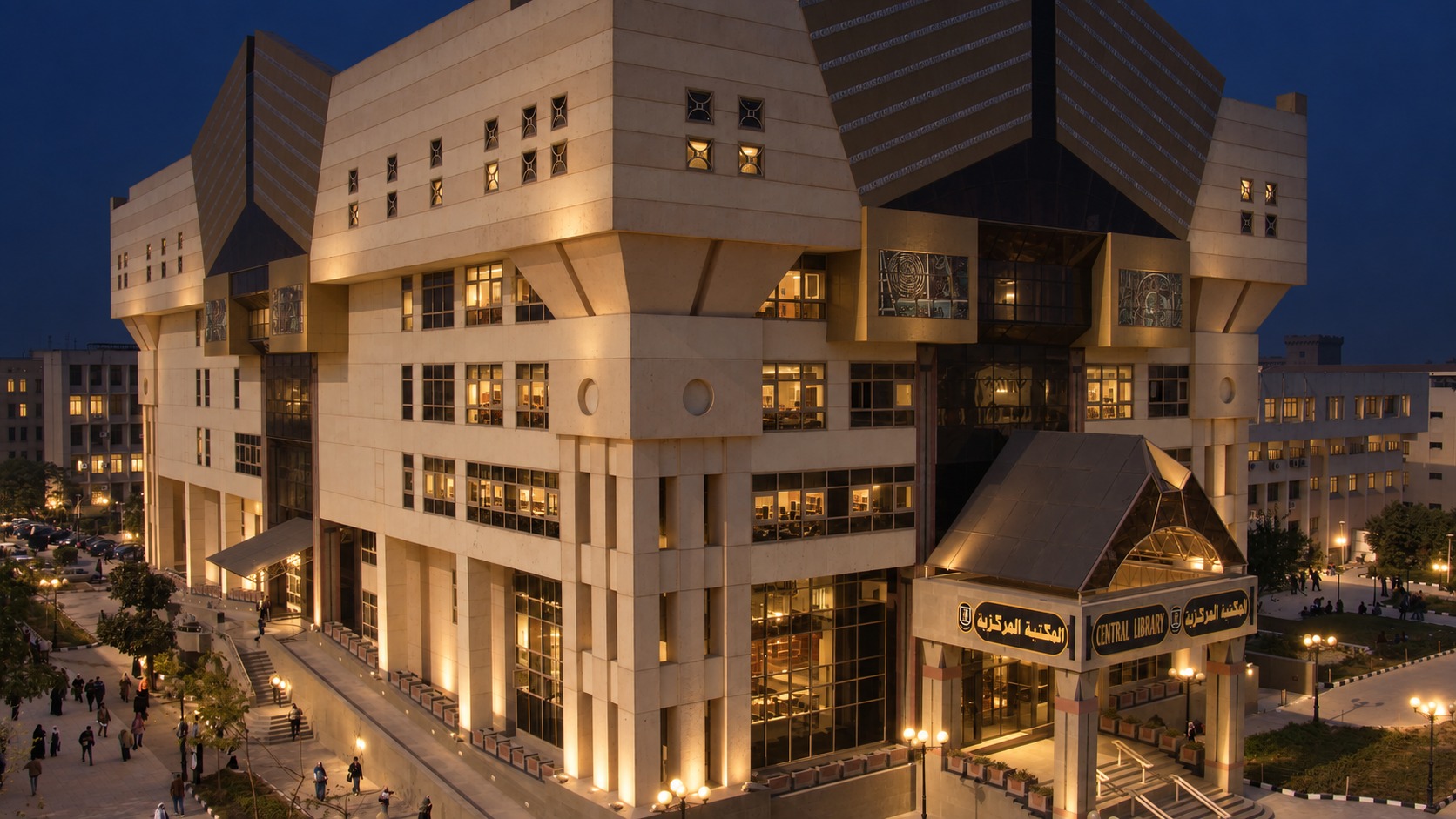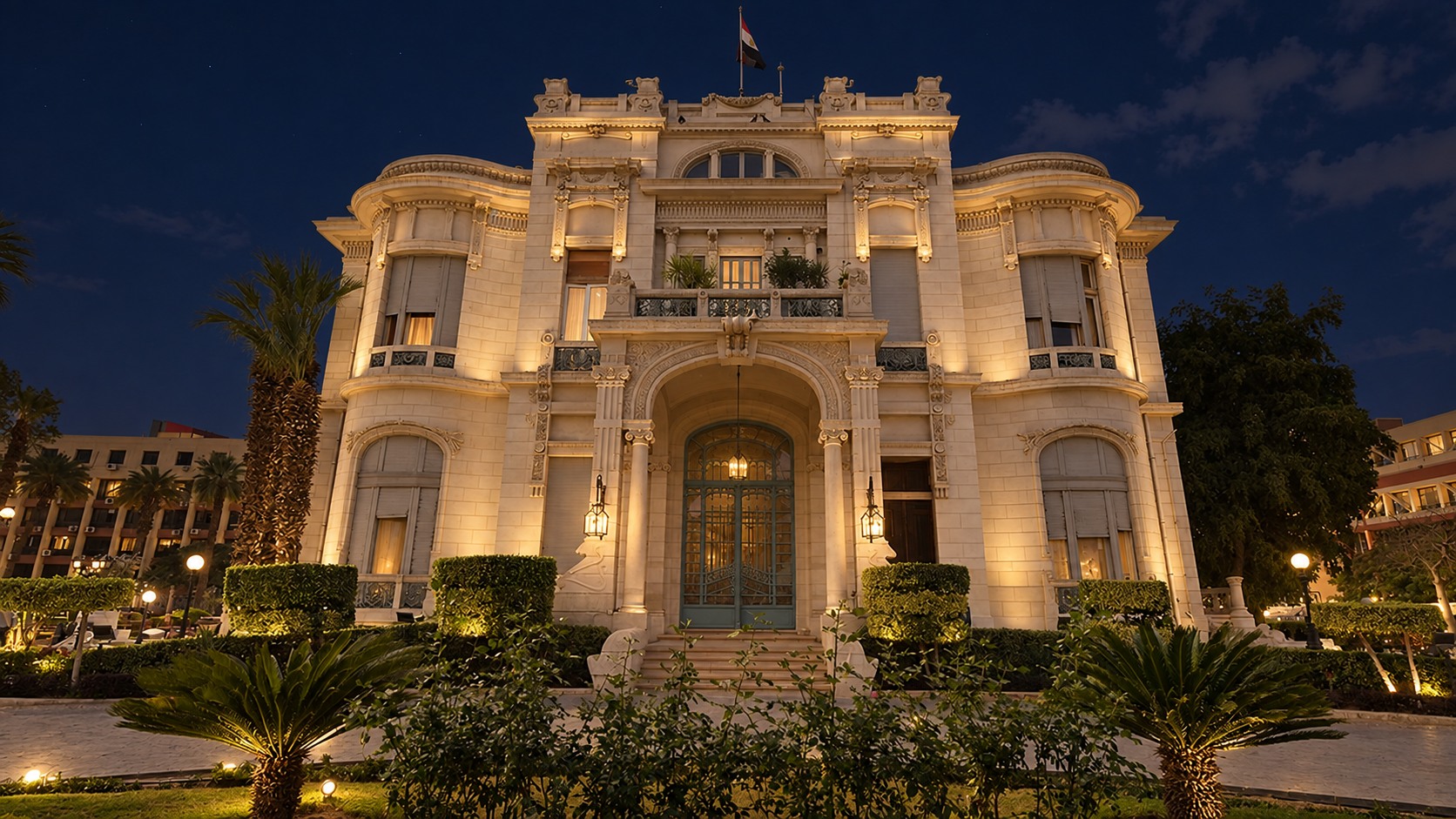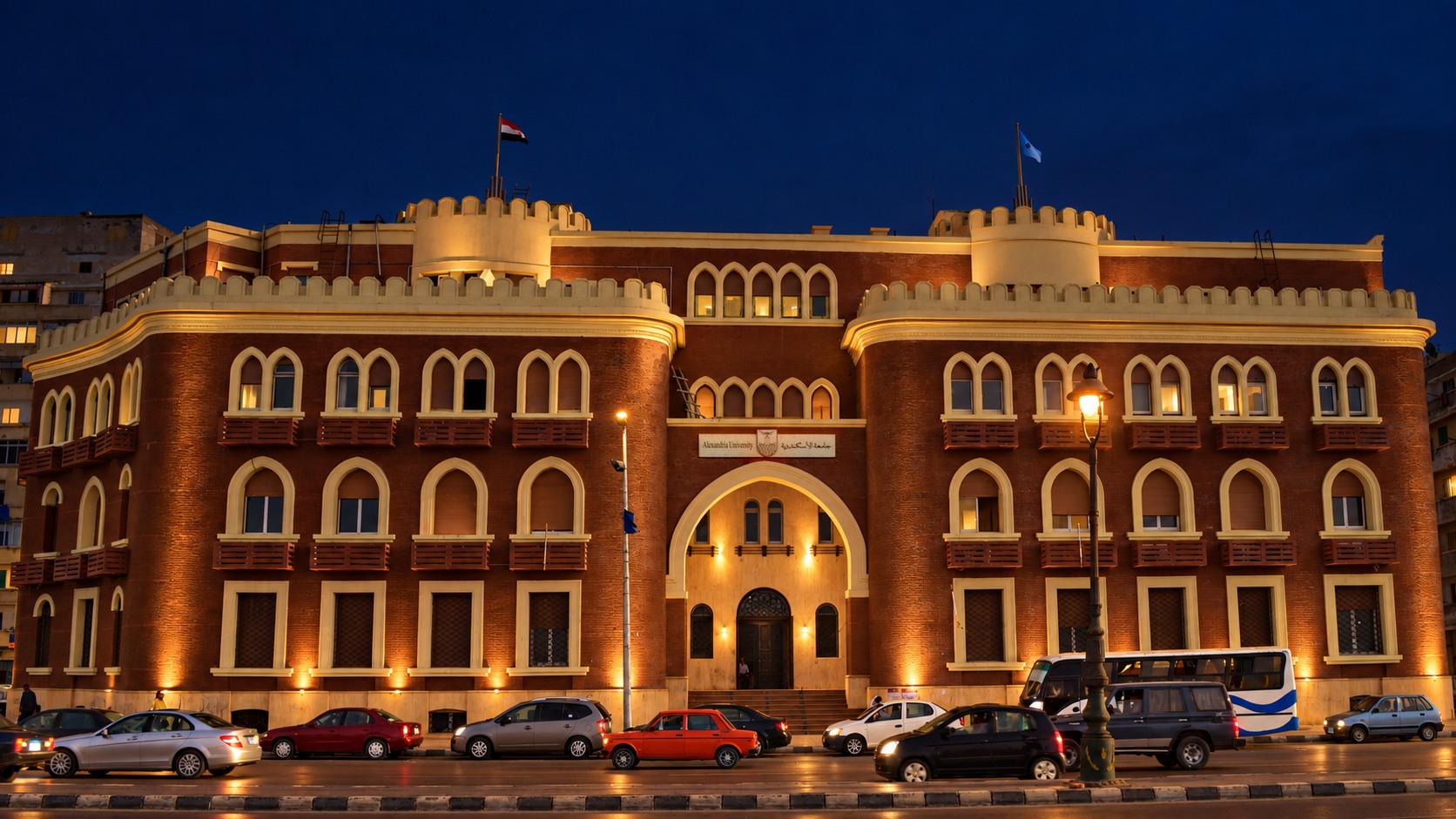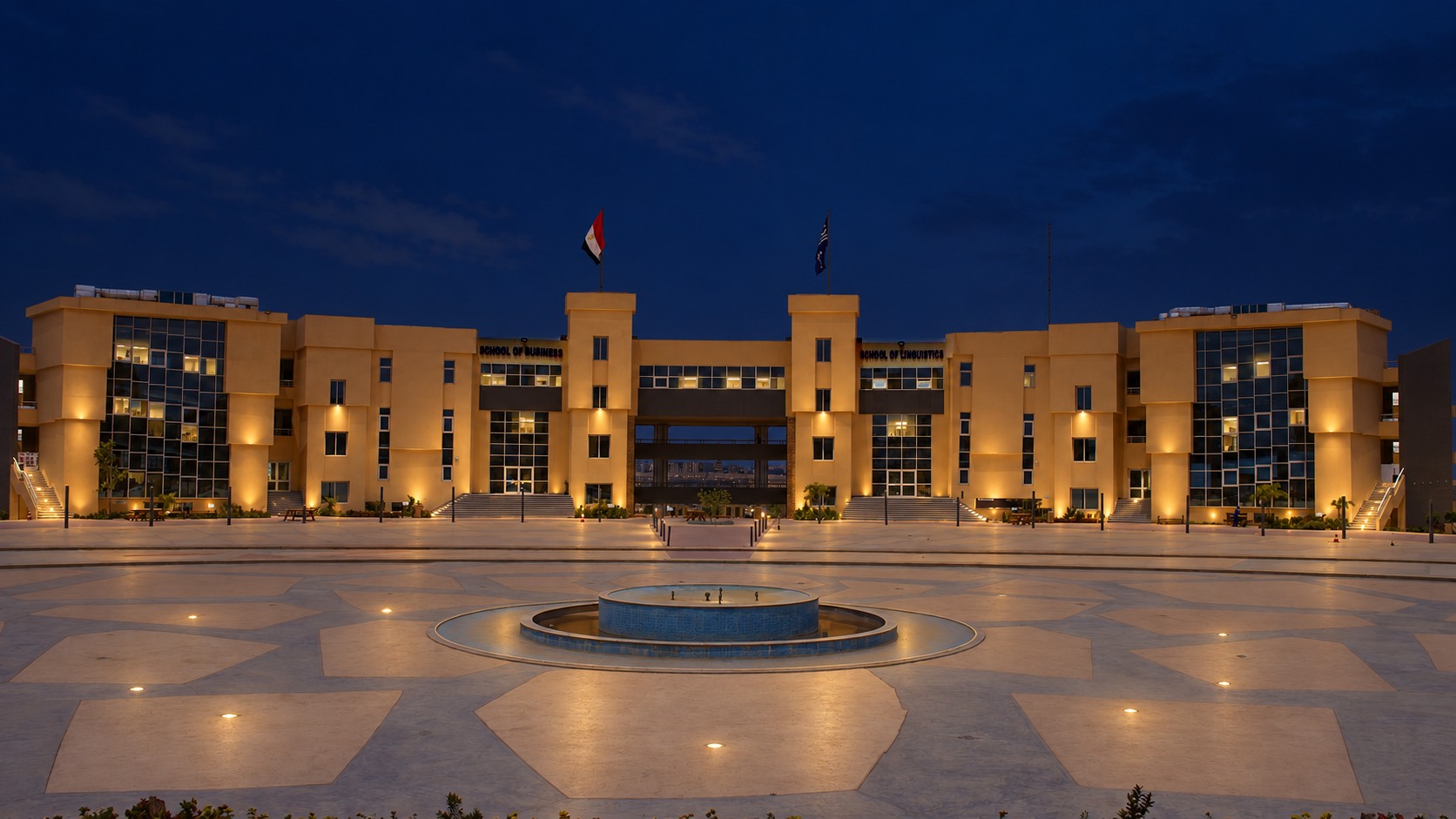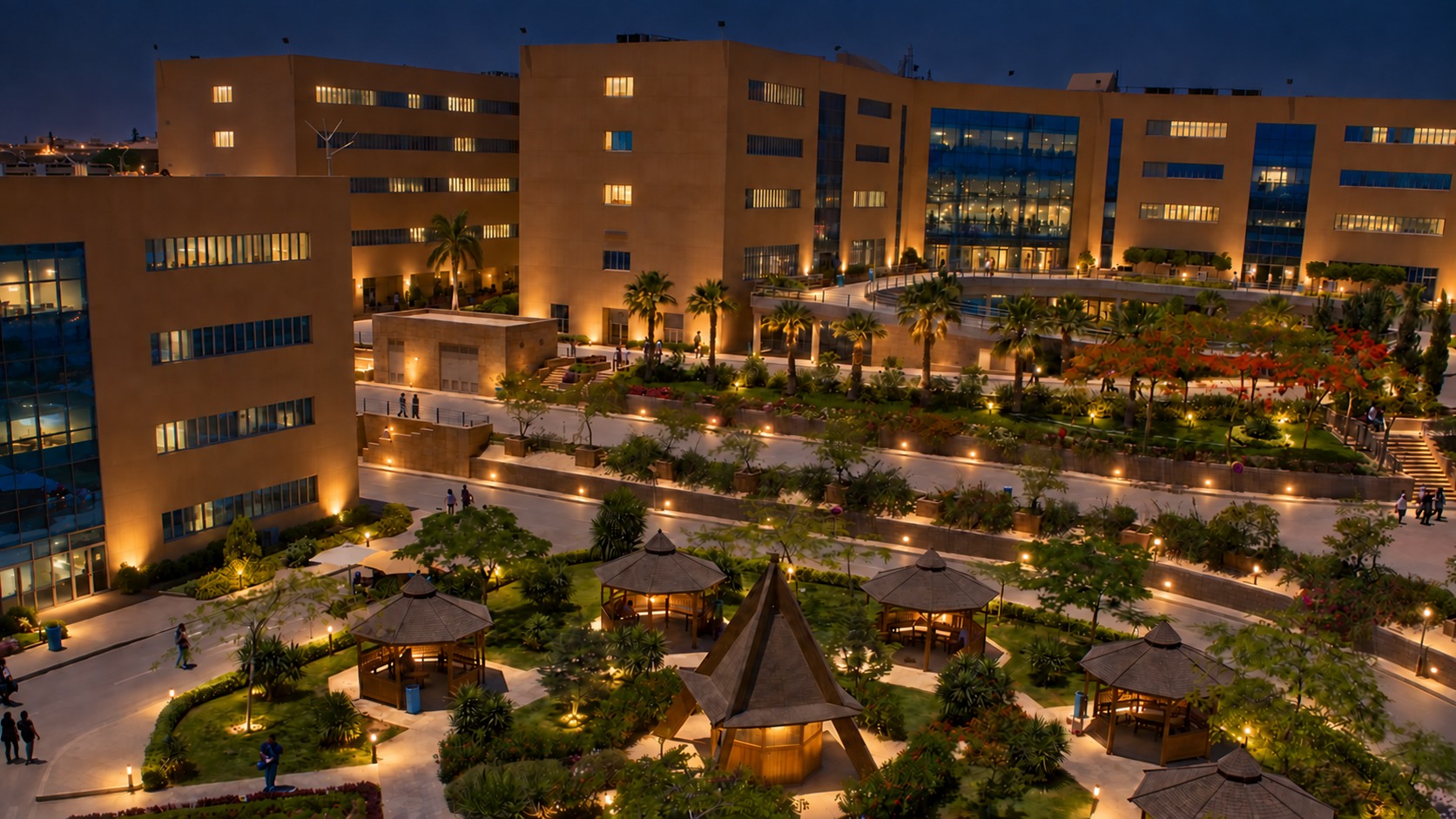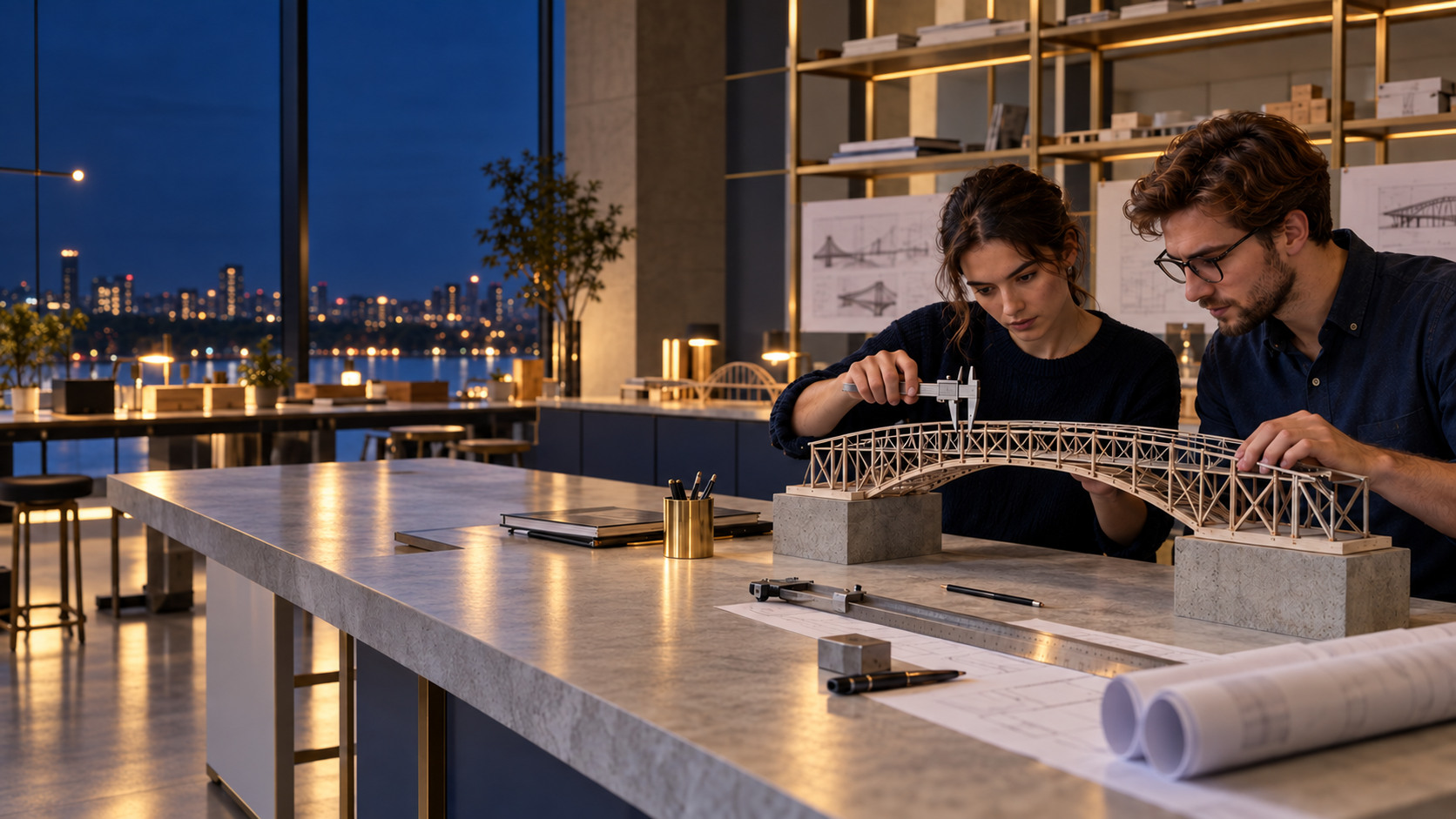
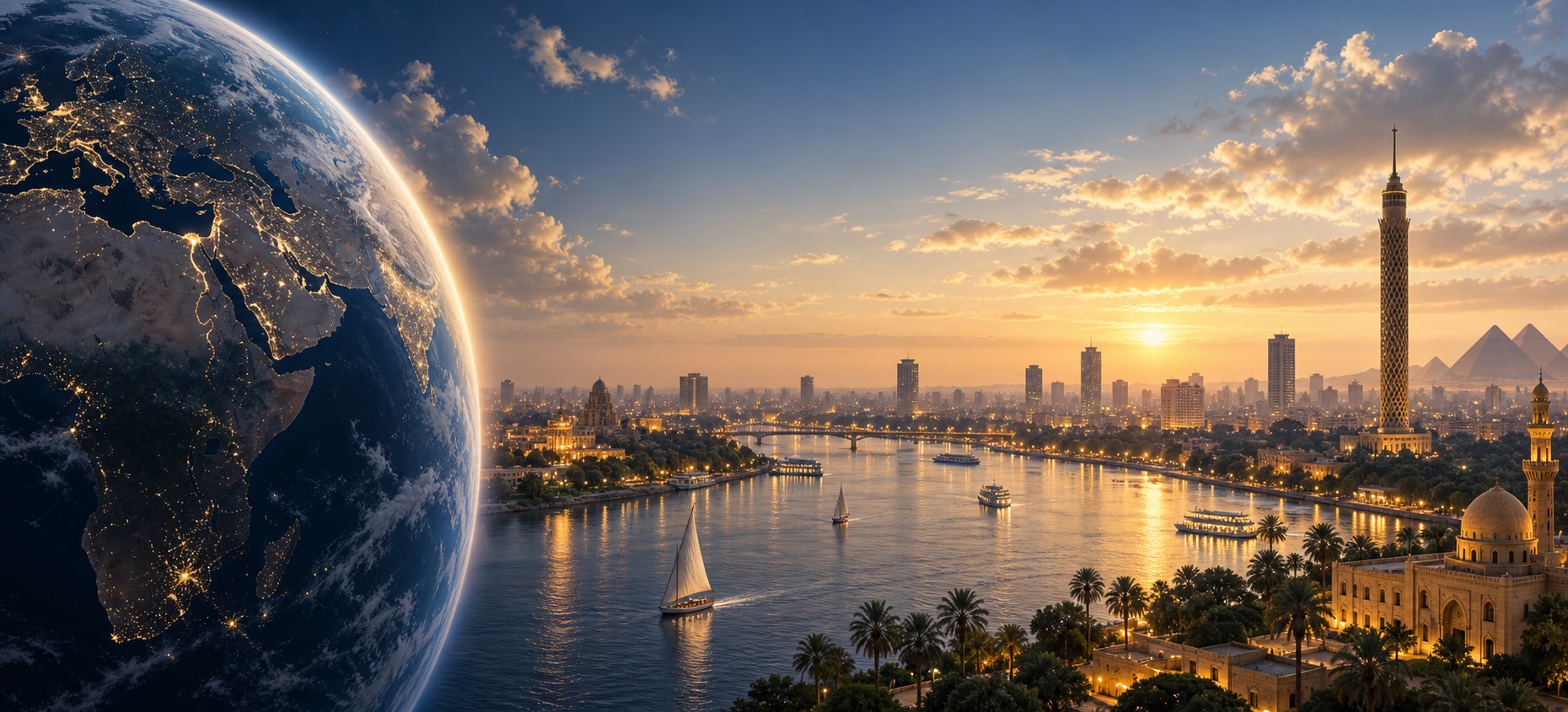
In Egypt, the university experience is inseparable from the cities that have shaped it. A student's journey might begin among the buildings of Giza and lecture halls of Cairo, along Alexandria's Mediterranean waterfront, at a university rooted in the Delta or Upper Egypt, or on a modern campus in a new city. These are not interchangeable versions of one destination. They offer different ways of living and learning, making the choice of city an essential part of choosing a university.
Where the Nile meets two seas
Egypt lies in north-eastern Africa and extends into Asia through Sinai. It faces the Mediterranean to the north and the Red Sea to the east, while the Nile Valley and Delta form major centres of settlement and urban life. Cairo is the capital. The currency is the Egyptian pound, designated EGP. Arabic is the official language, and Egyptian Arabic gives Arabic-speaking students considerable scope for everyday communication. Teaching language, however, depends on the faculty and programme, not on the language spoken in the street. [1, 2]
This geography shapes practical decisions about accommodation. Coastal and inland cities offer different daily experiences, and the distance between home and campus may matter more than a neighbourhood's name or view. Before choosing housing, imagine a complete academic week: when do lectures begin, where are practical classes held, and does the programme use more than one teaching or training site? Geography then becomes a practical decision-making tool rather than introductory background.
An academic landscape with distinct identities
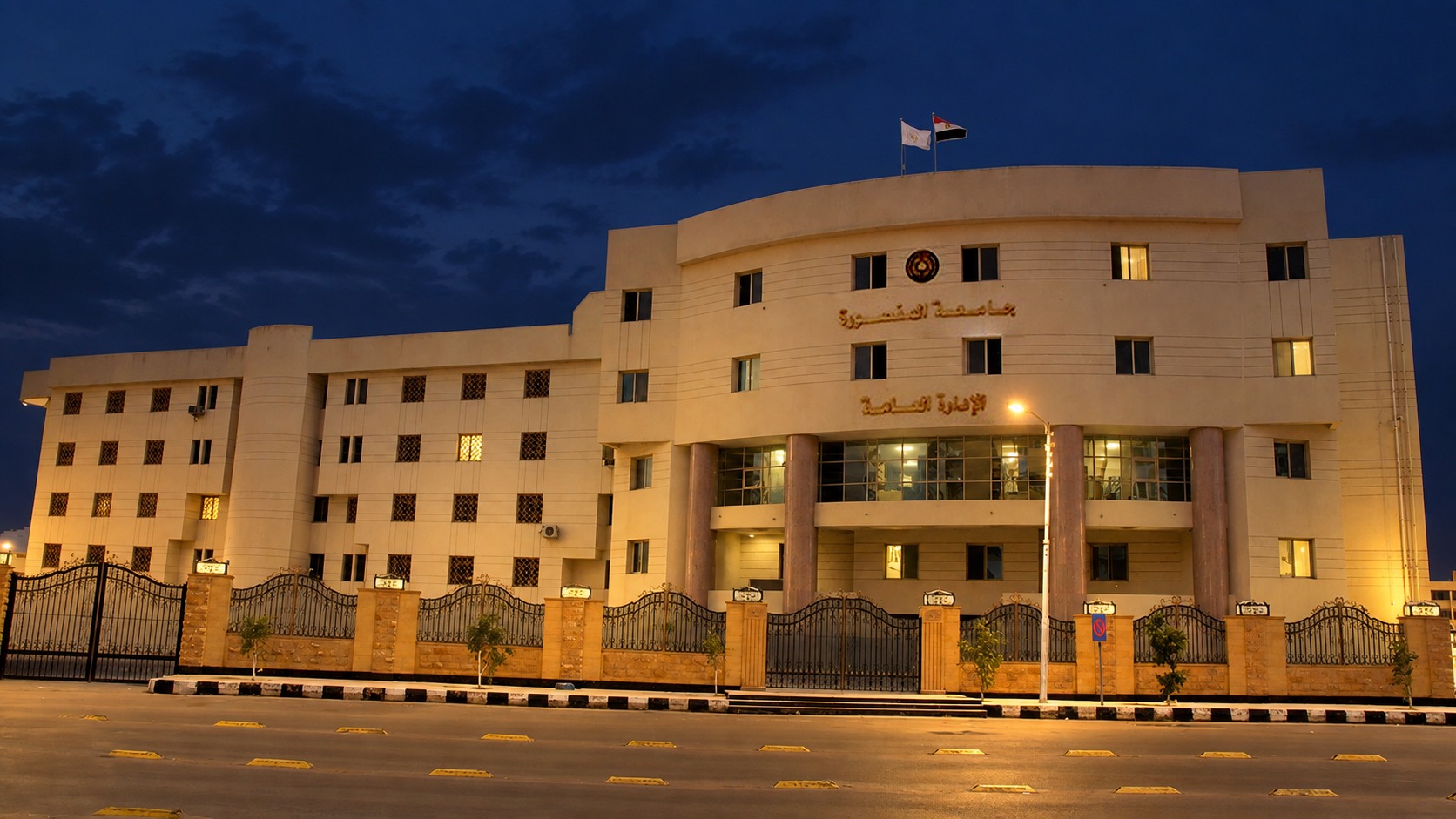
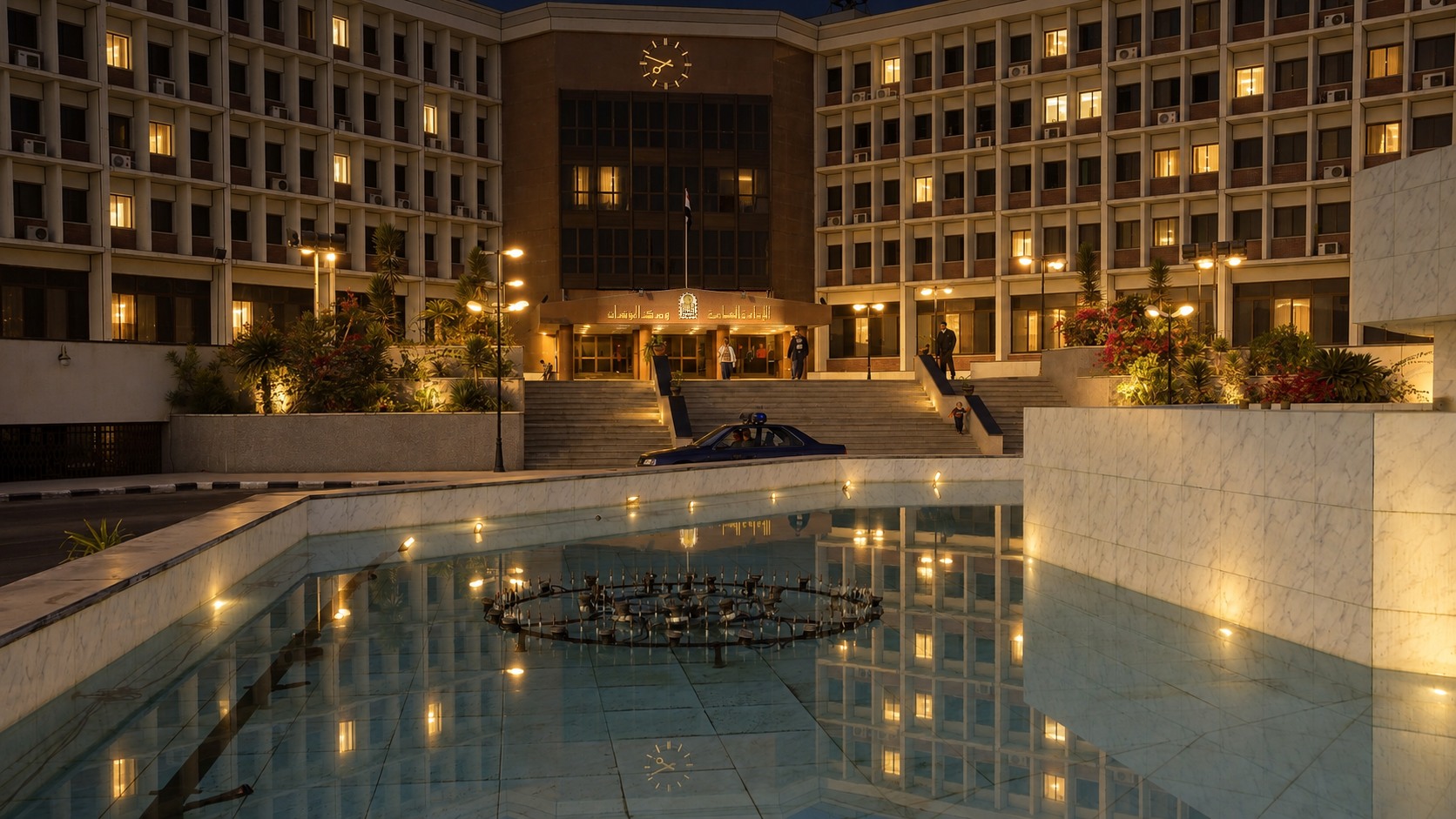
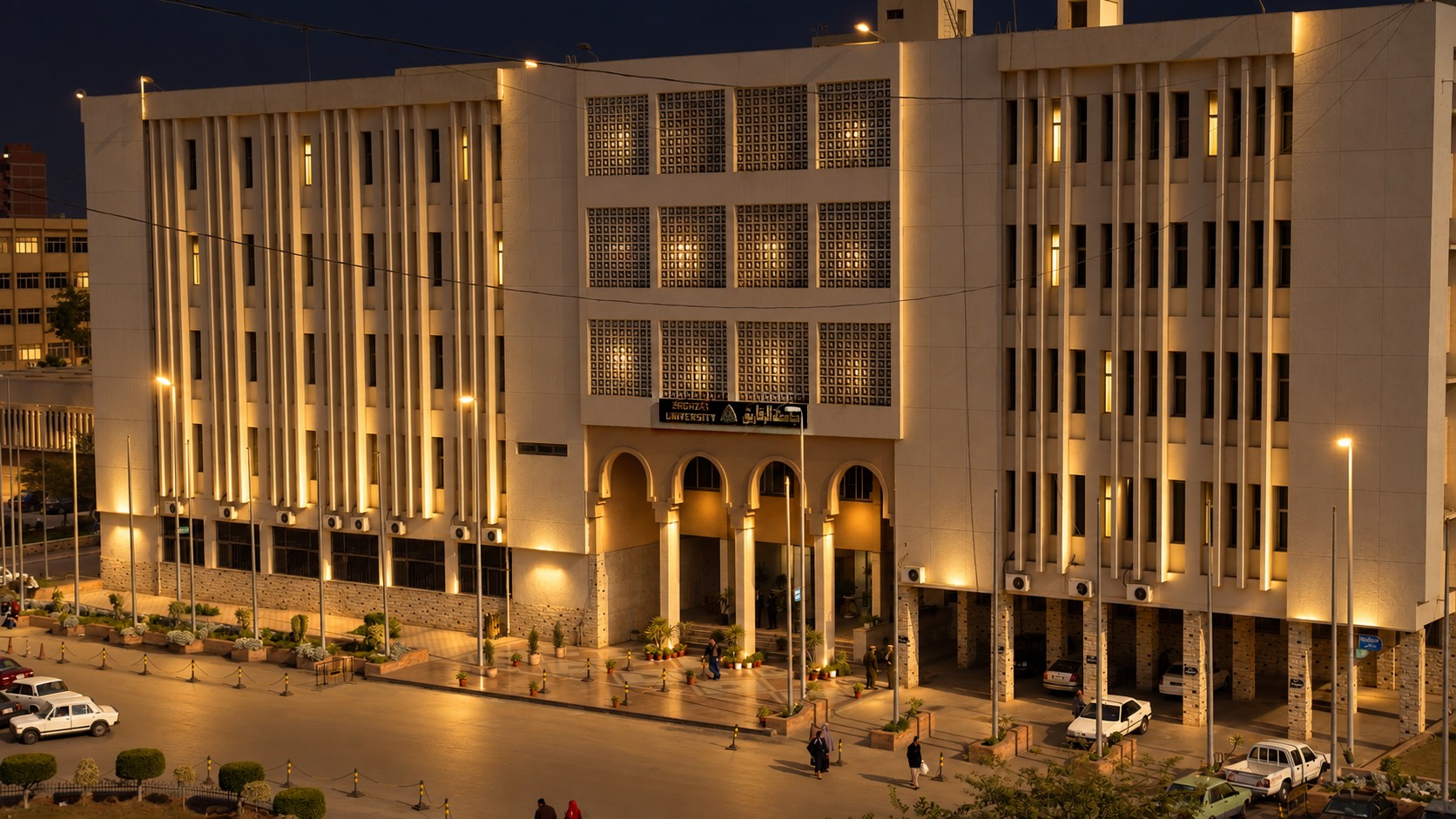
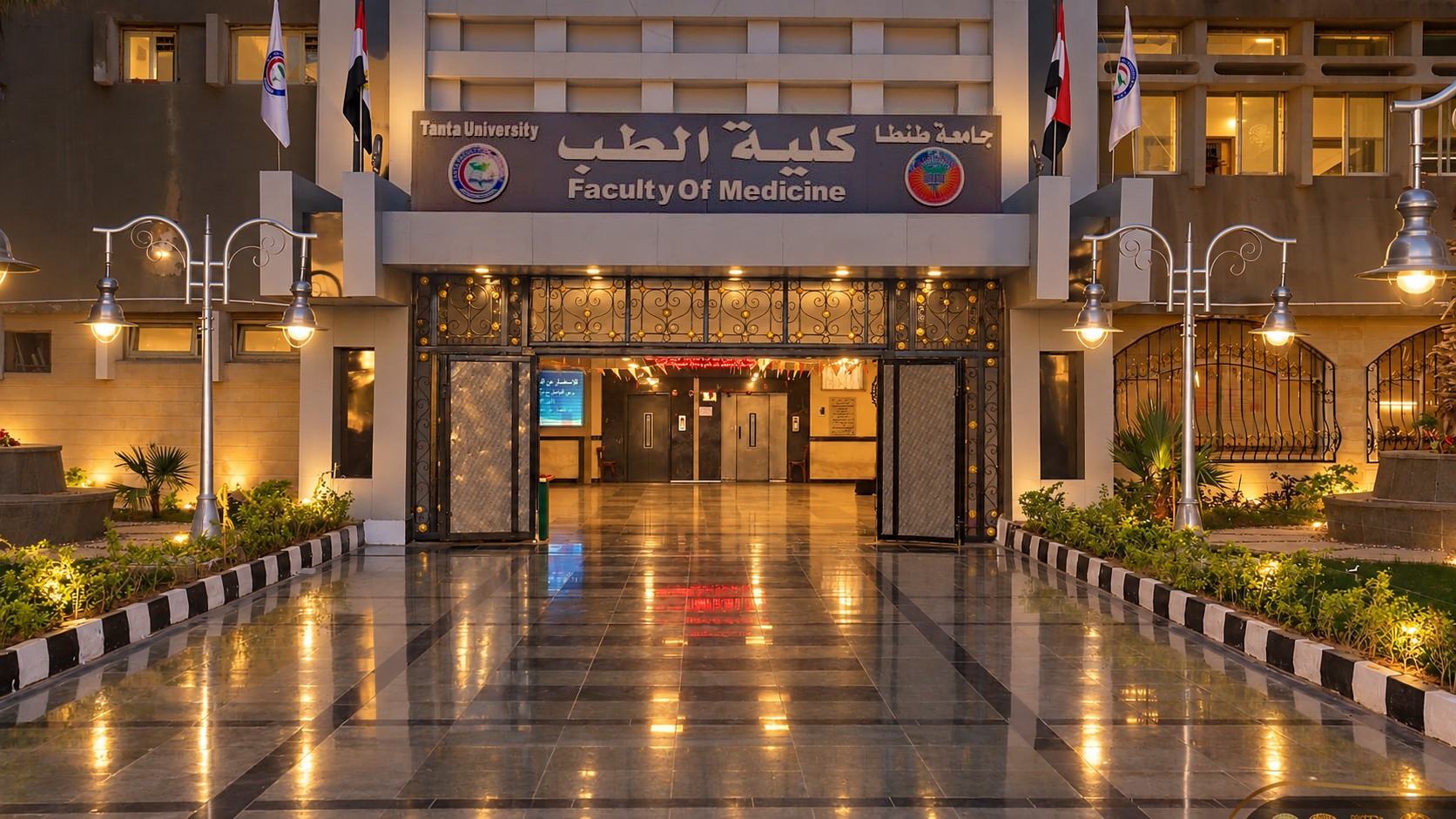
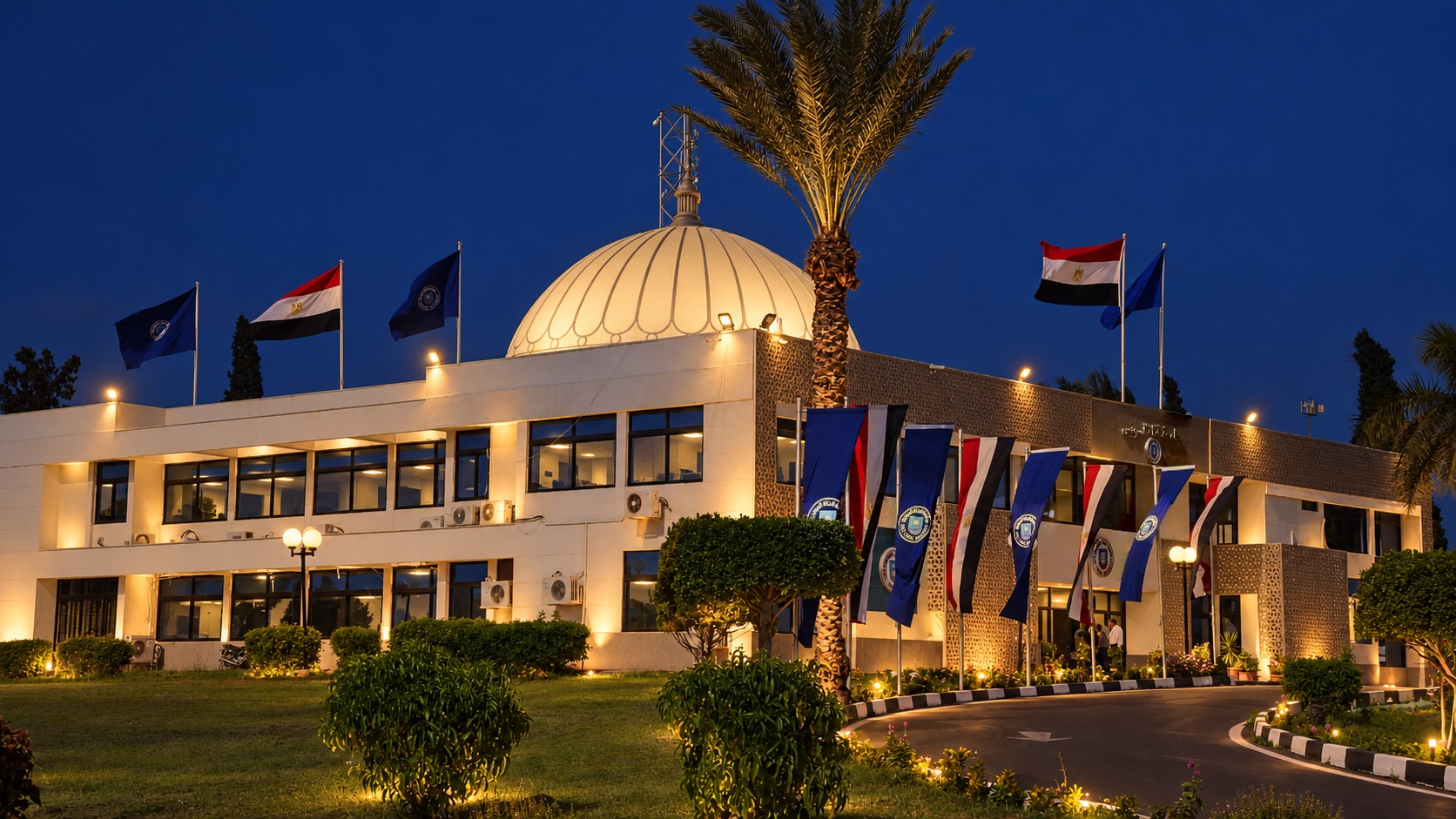
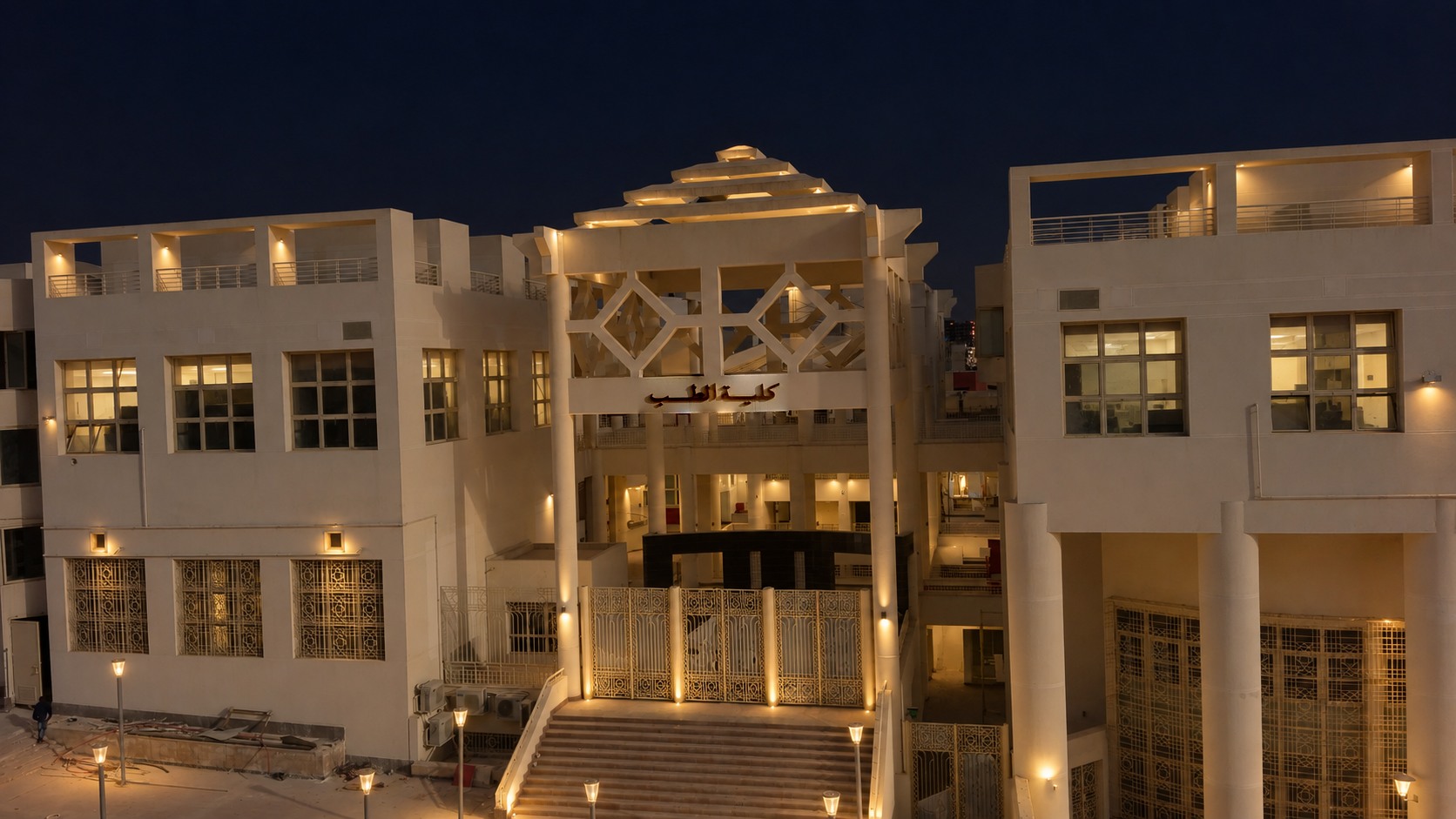
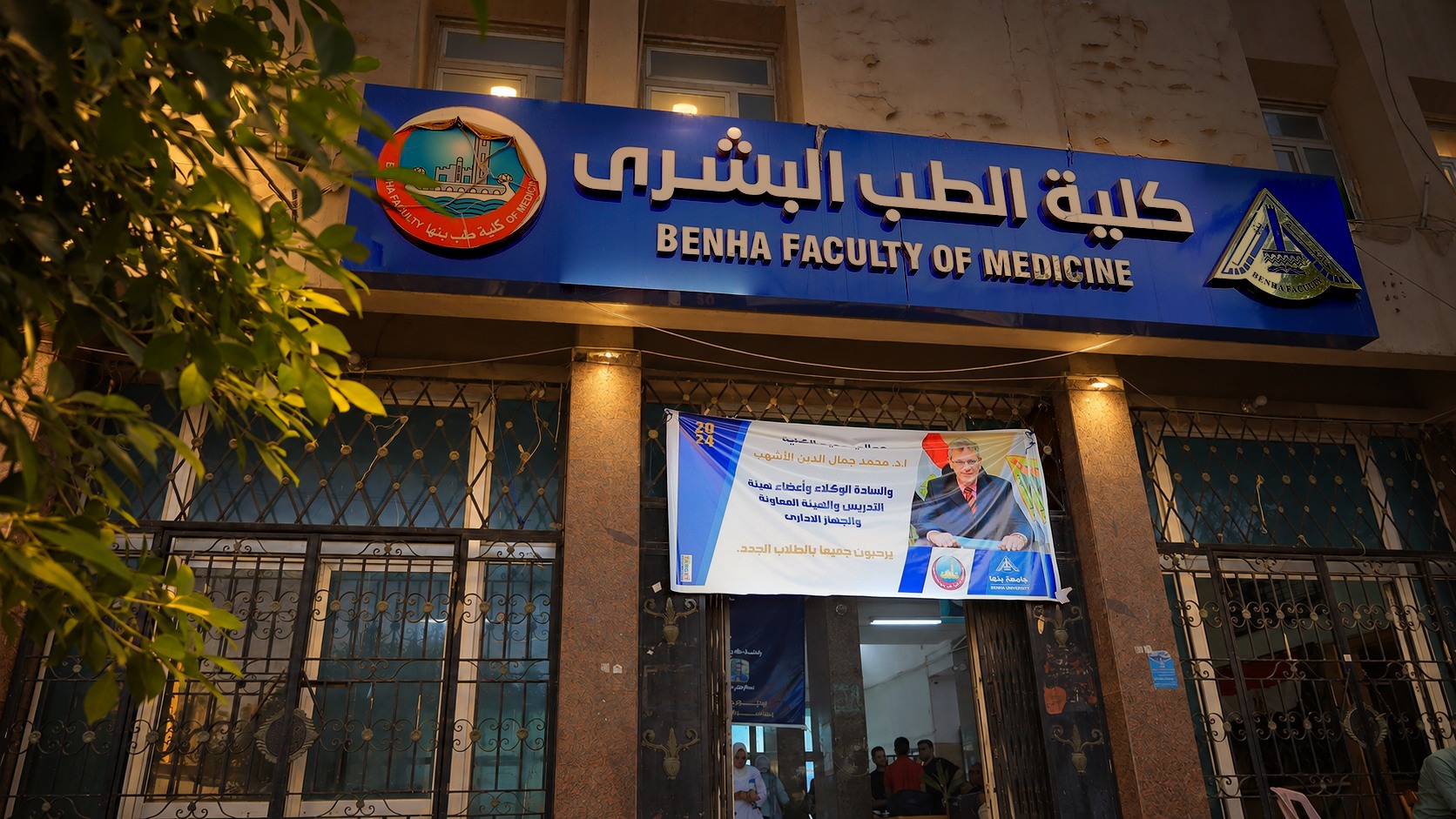
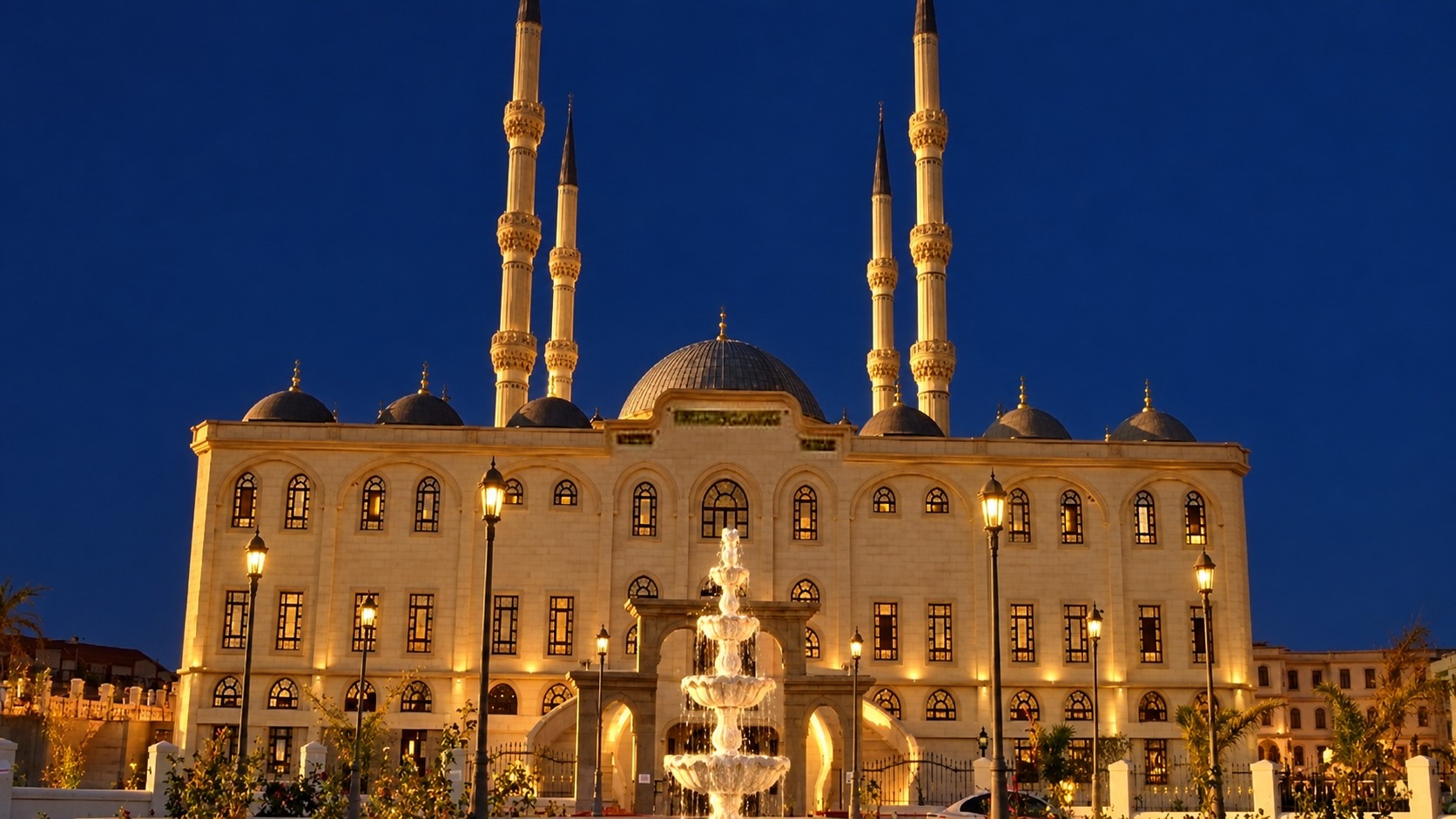
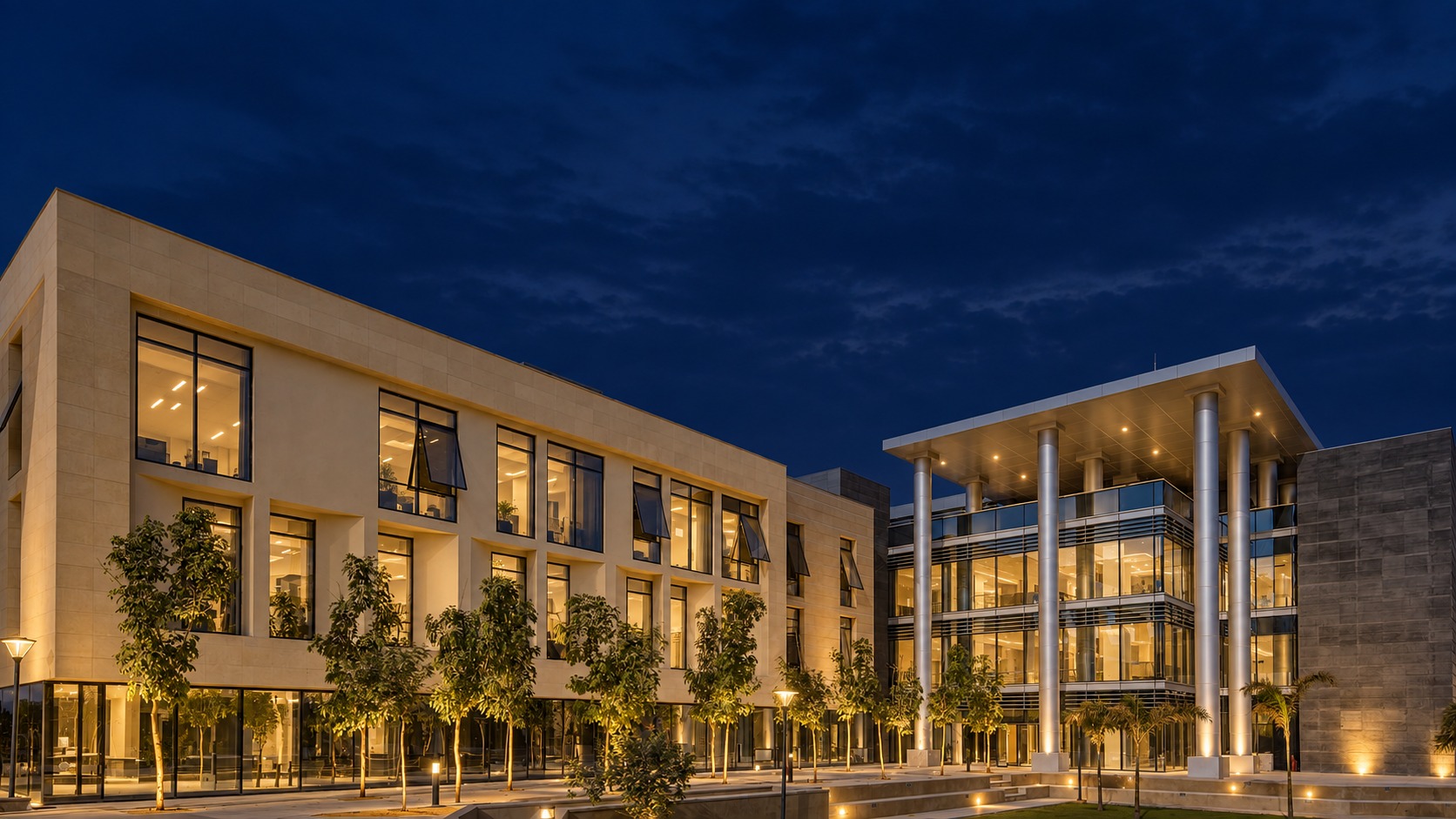
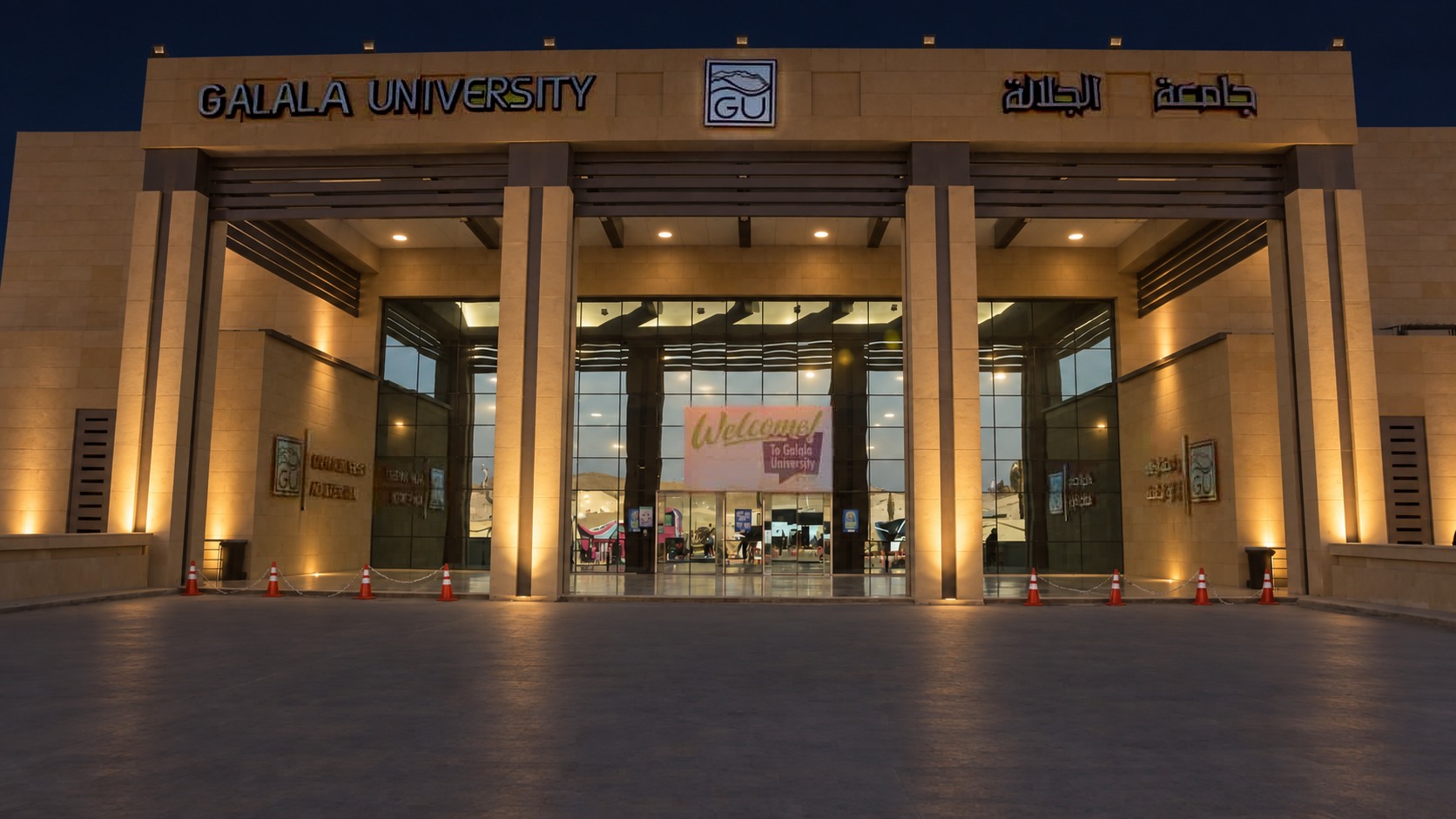
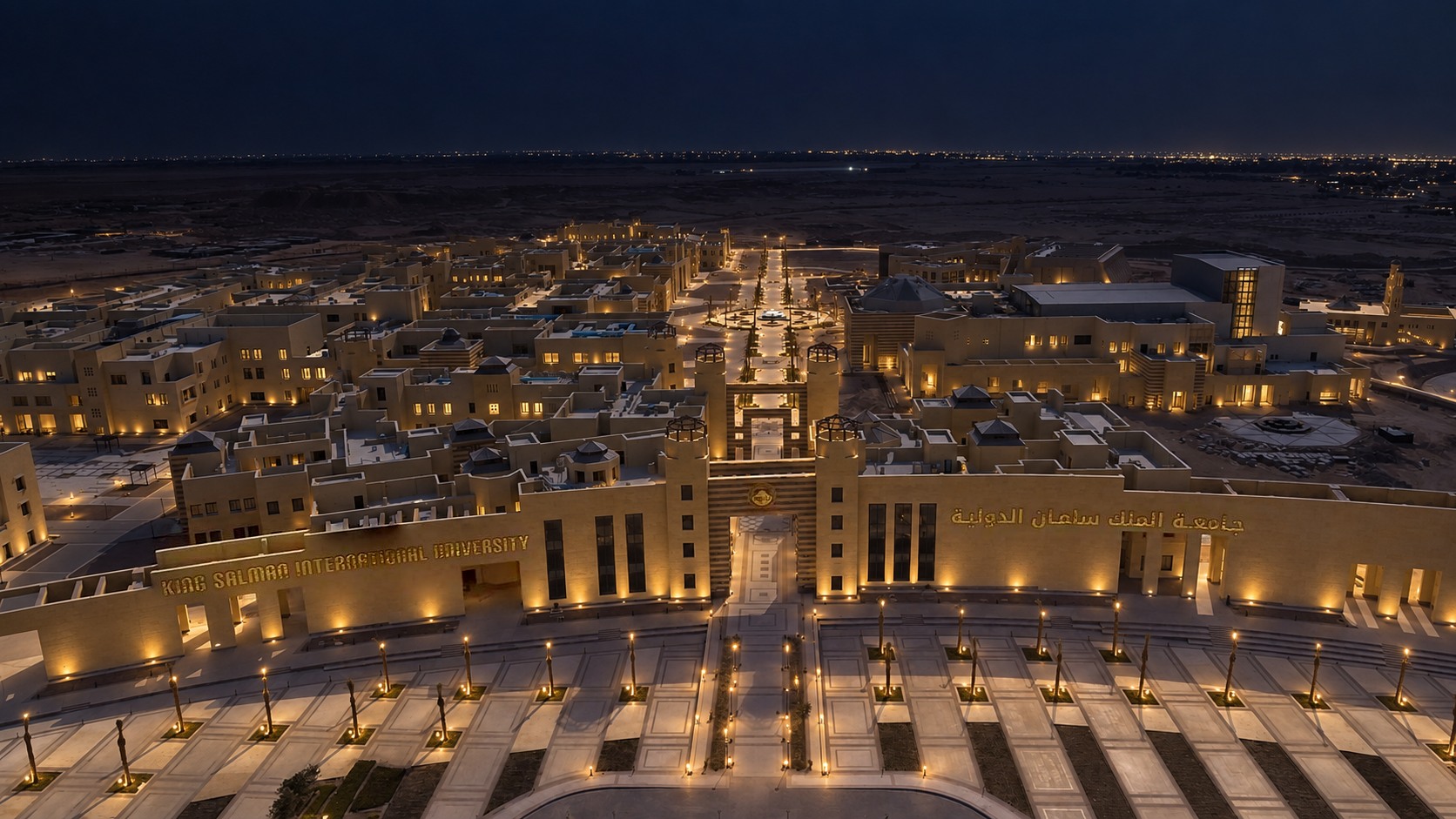
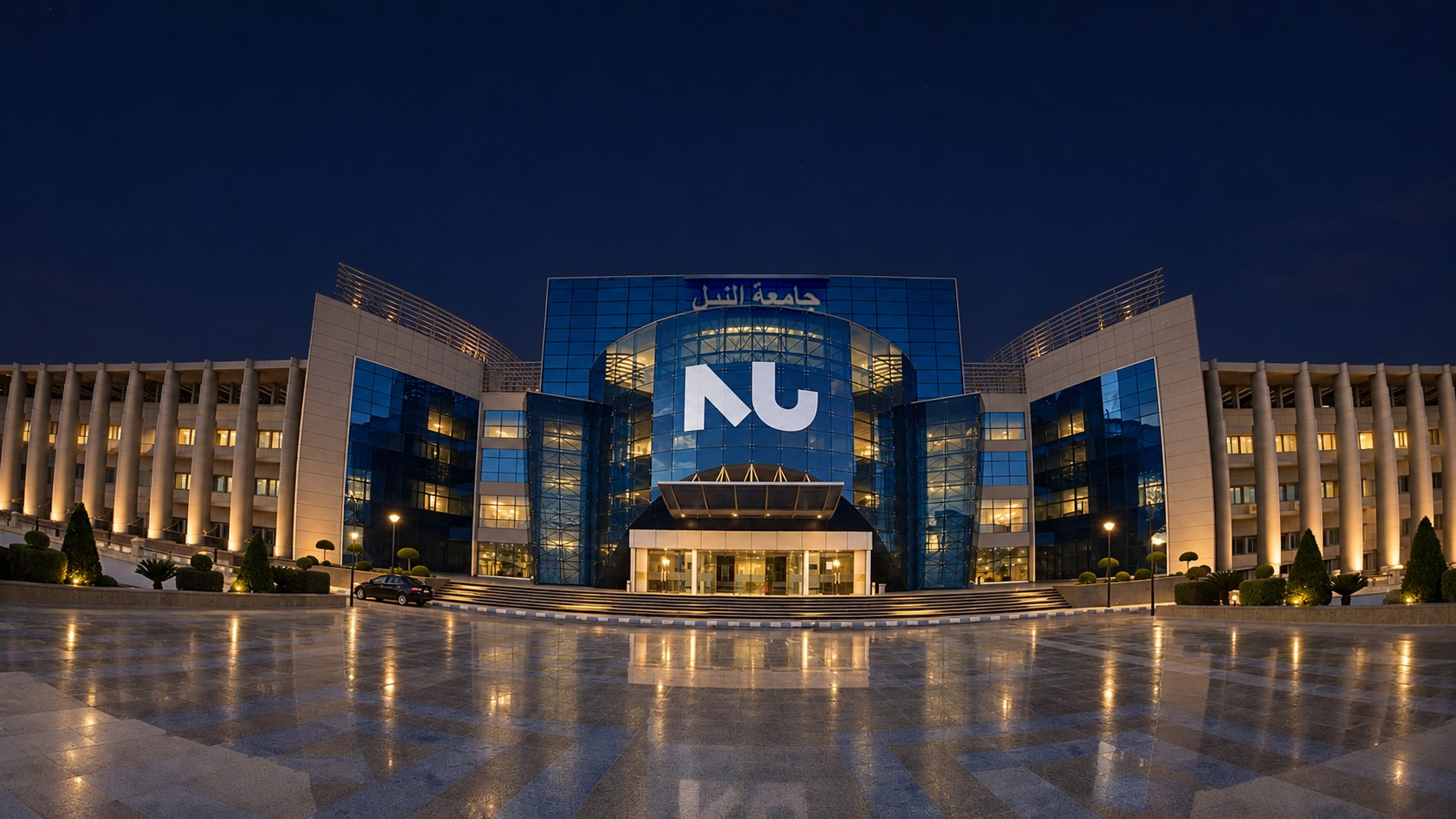
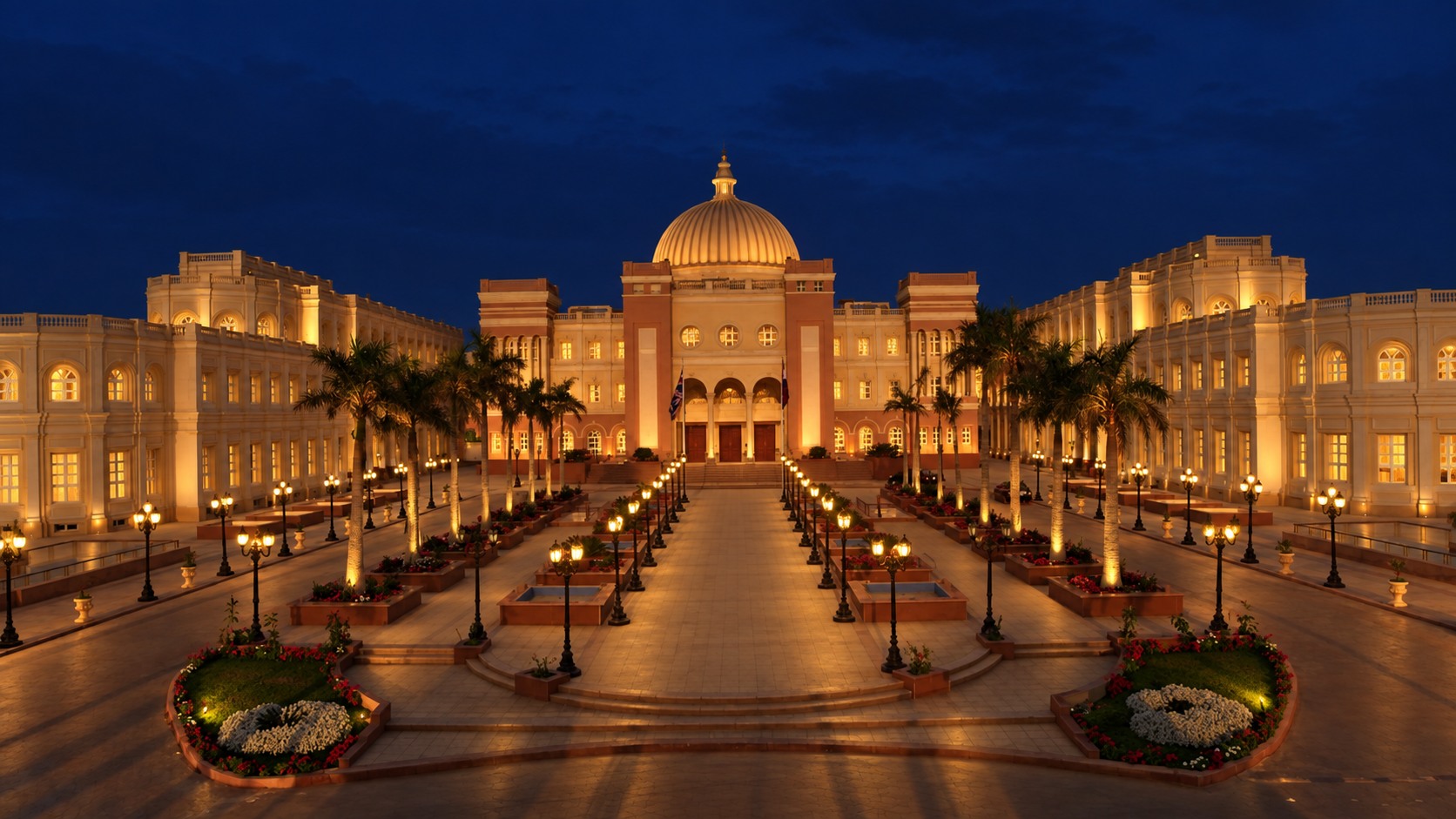
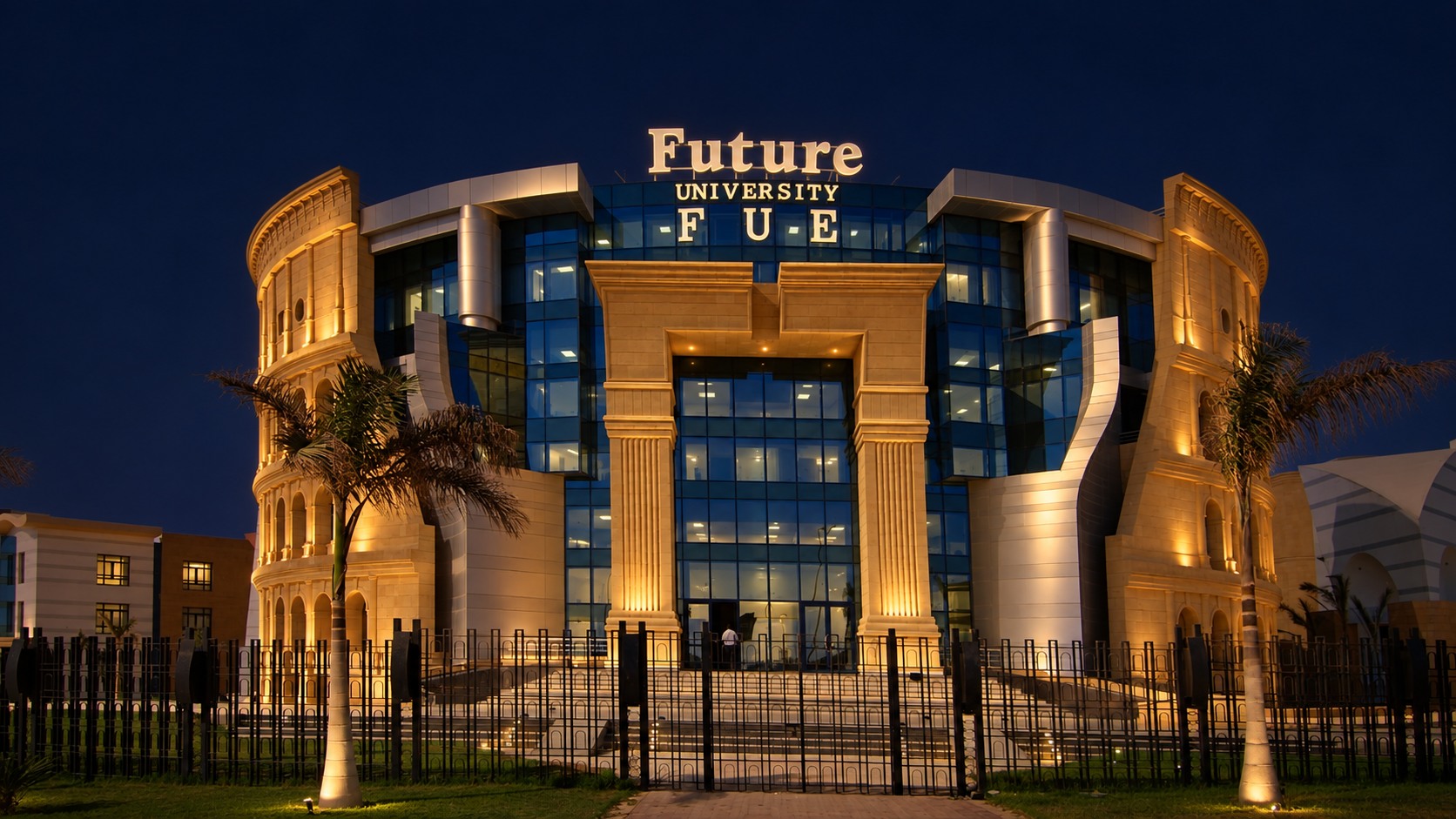
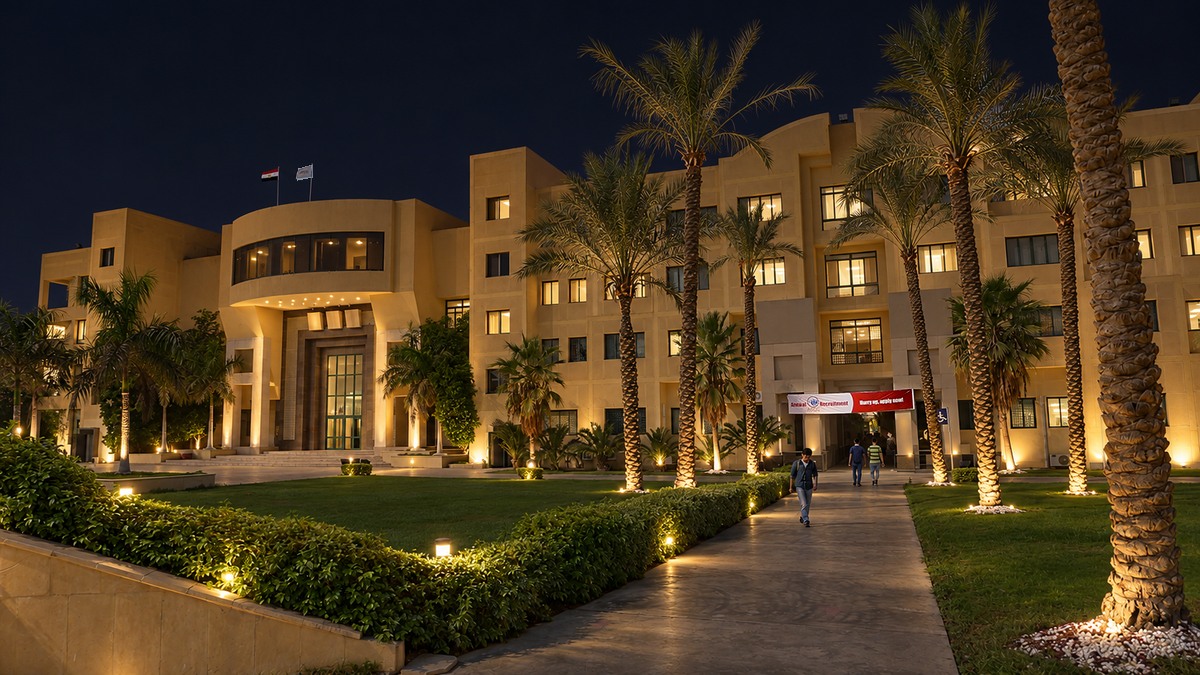
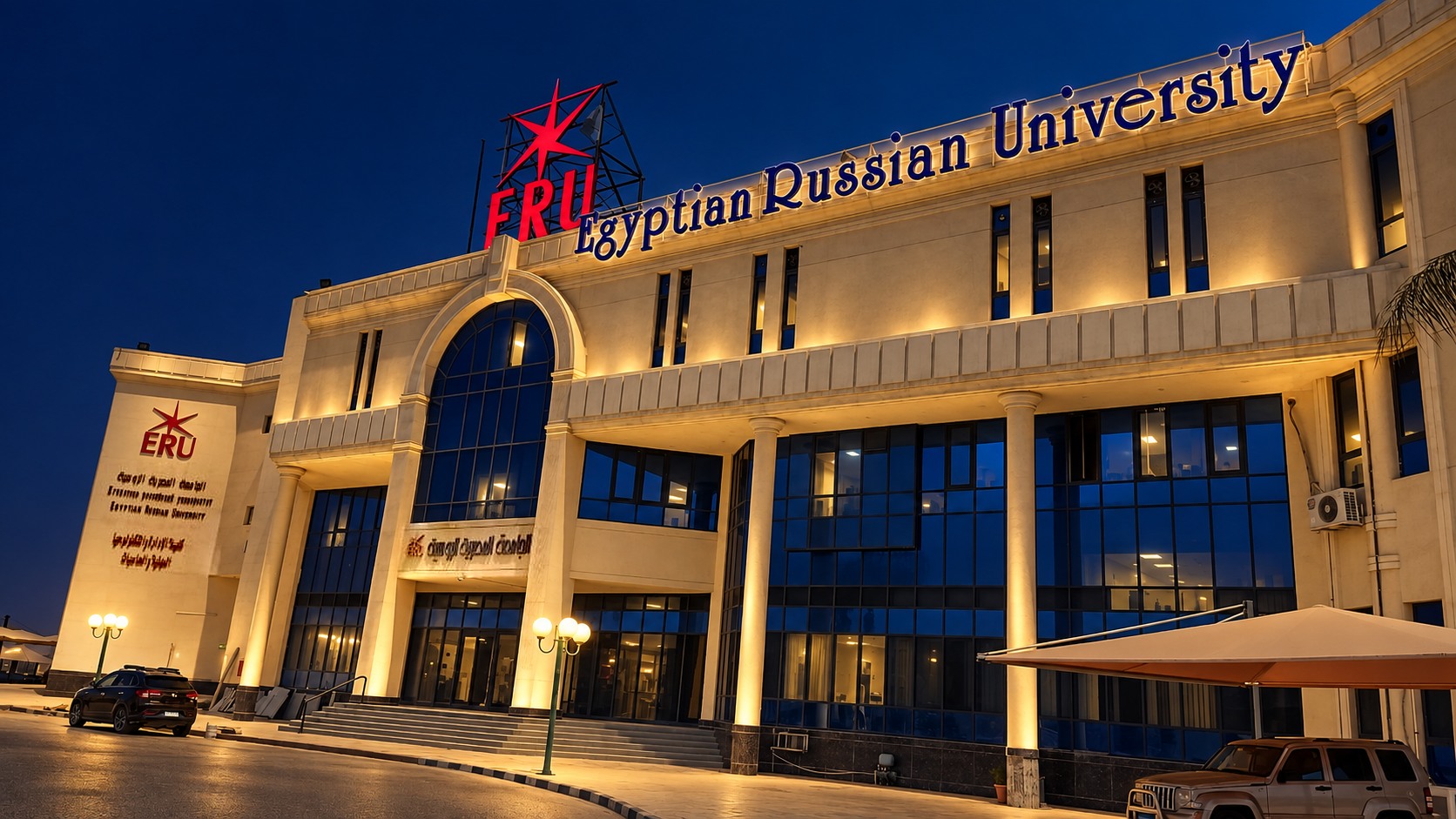
UNIVEX's Egypt catalogue includes long-established public universities, private institutions, and national or non-profit universities. Names such as Cairo, Ain Shams, Alexandria, Mansoura and Assiut appear alongside newer institutions including Galala, New Giza and King Salman International University. This range allows comparisons between comprehensive universities, institutions associated with international educational models, and modern campuses offering a variety of services. [3]
The real value lies not in the number of names but in the different approaches to learning. Medical students examine the progression from foundational sciences to clinical training; engineering students consider laboratories and design projects; business students look at applied cases and engagement with organisations. Even within one university, faculties can offer very different environments, so the specific programme deserves more attention than the institution's general description.
An Arabic-speaking setting with cultural breadth
Living in Egypt offers opportunities to encounter a lively Arabic-speaking environment through libraries, theatres, museums, cafés and markets. Food is another part of the experience, from ful medames, taameya and koshari to dishes that vary by region. These features do not define an entire society, but they offer accessible ways to understand everyday life and develop a relationship with the place beyond the route to lectures. [1]
International students can build varied social connections through activities, study groups and cultural events announced by their institutions. A simple, consistent beginning often works best: one activity aligned with personal interests, a small study group, and regular time for reading or exercise. Meaningful university relationships depend less on a crowded calendar than on sustained participation.
Build a budget around your own way of living
Rather than relying on a single figure for “student life in Egypt”, divide the budget into accommodation, food, transport, communications, study materials, required insurance or healthcare, and personal spending. Add initial expenses such as a housing deposit, room essentials and any applicable residence procedures. The same quoted price can represent very different value depending on what it includes.
University accommodation, shared housing and a private apartment are worth comparing when available to the student. Consider travel time to the faculty, a quiet study space, internet quality, clear contract terms and shared facilities. Keep tuition separate from living expenses, and check it against nationality, programme and admission year. Confirm the payment currency and method with the official institution. [3]
When the city becomes an extension of learning
In Cairo and Giza, museums, historic architecture and archaeological sites offer ways to explore layers of Egyptian history. Alexandria's waterfront and Bibliotheca Alexandrina add a different perspective on university-city life. Luxor and Aswan provide rich historical and archaeological contexts, while Red Sea areas introduce another side of the country's natural and marine environments. These examples illustrate the destination's variety; they are not guaranteed activities within a university programme. [1]
A cultural visit can become a modest personal learning project. An architecture student might document the use of light and space, a language student collect new expressions, and a business student examine visitor experience and service design. Activities beyond campus can therefore develop observation, questions and aesthetic awareness rather than simply interrupt study.
An Egyptian choice that fits your ambitions
Start with the subject you want to study, identify universities offering the intended programme, then compare the city, campus, teaching approach and services. Keep a clear file containing the degree title, teaching language, curriculum, entry requirements, official costs and recognition pathway required in your intended country of practice. A prominent university name does not replace this information; it becomes more valuable when paired with an informed choice.
Egypt deserves to be understood through its details: academic experience, cultural life and cities with different rhythms. When the programme fits a student's goals, accommodation supports the daily routine and the city matches personal interests, the experience can become more than years spent obtaining a qualification. It can be a stage in developing independent knowledge and the confidence to engage with a wider world.
Sources and references
- Source 1 · www.experienceegypt.eg
Original source title
الهيئة المصرية العامة للتنشيط السياحي: مصر والثقافة والوجهات - Source 2 · www.cbe.org.eg
Original source title
البنك المركزي المصري: معلومات العملة - Source 3 · scu.eg
Original source title
المجلس الأعلى للجامعات