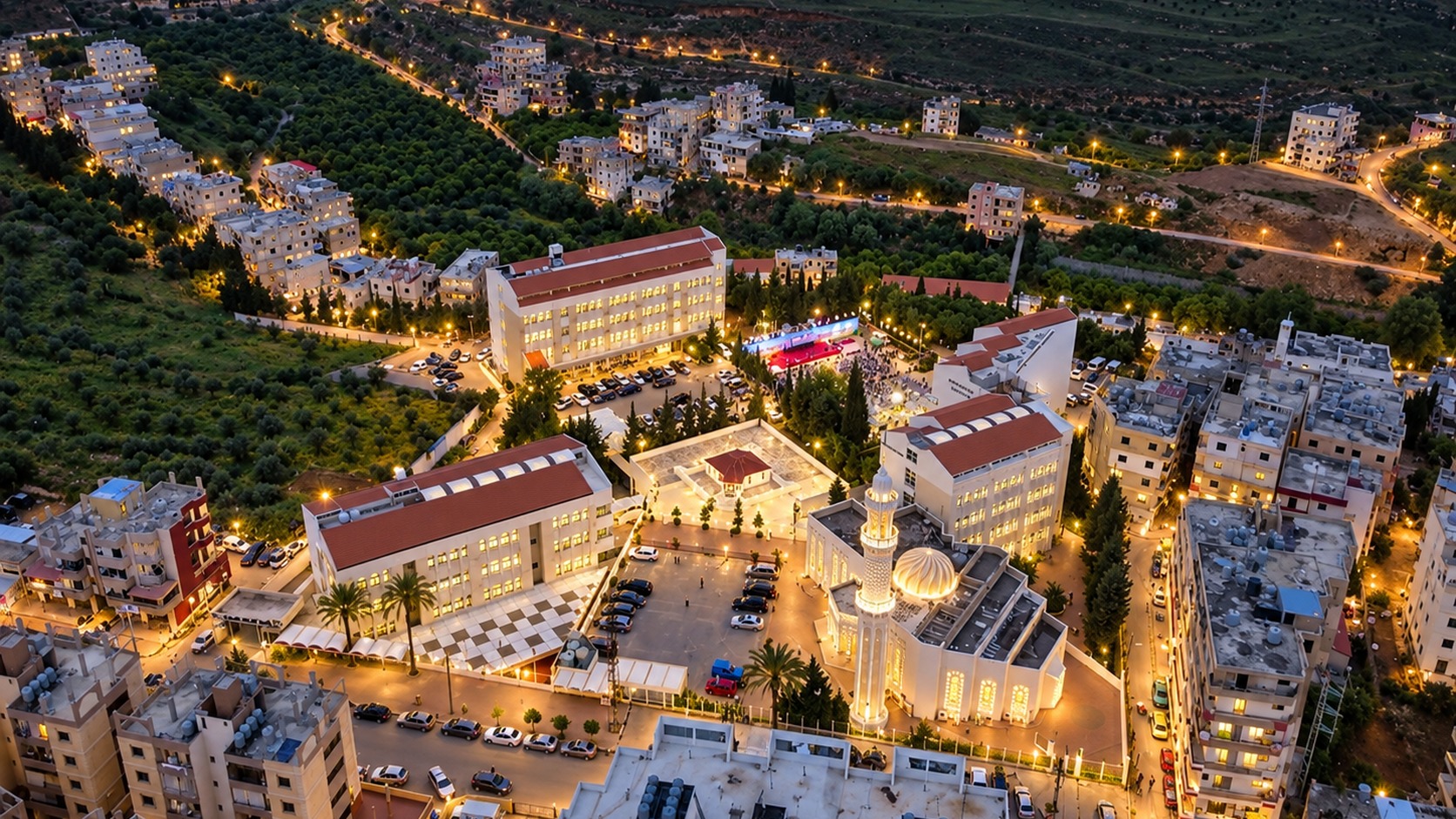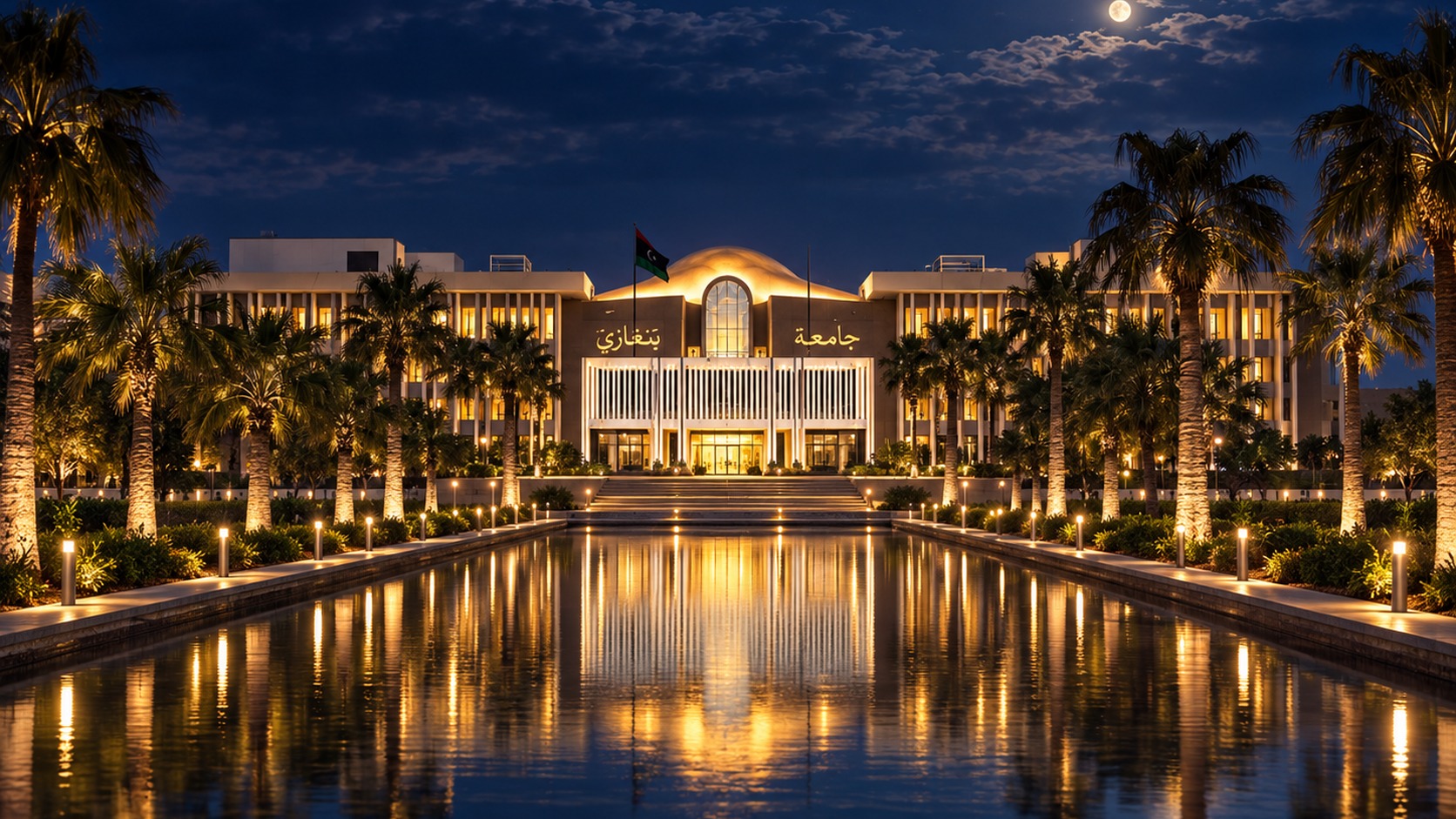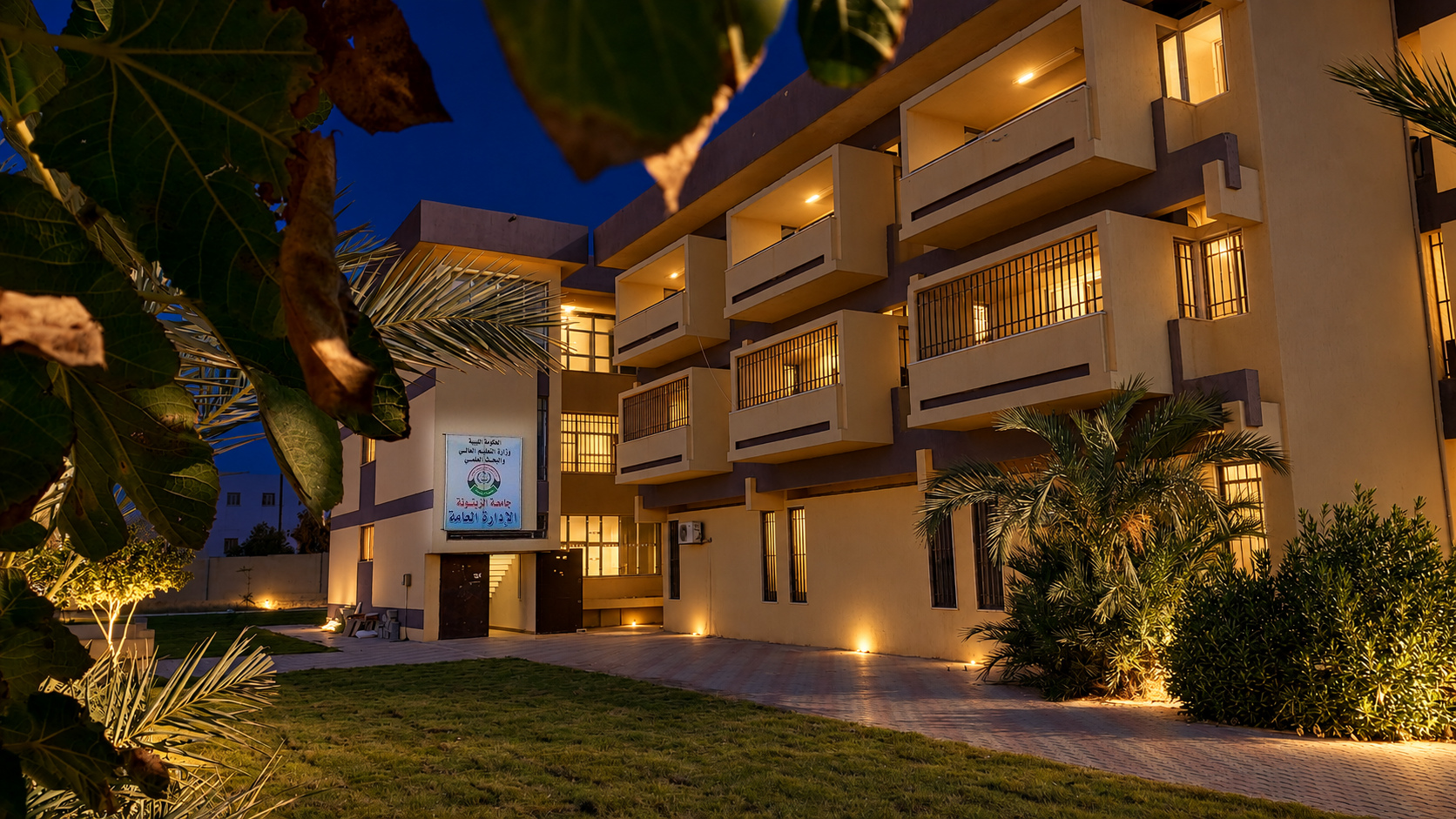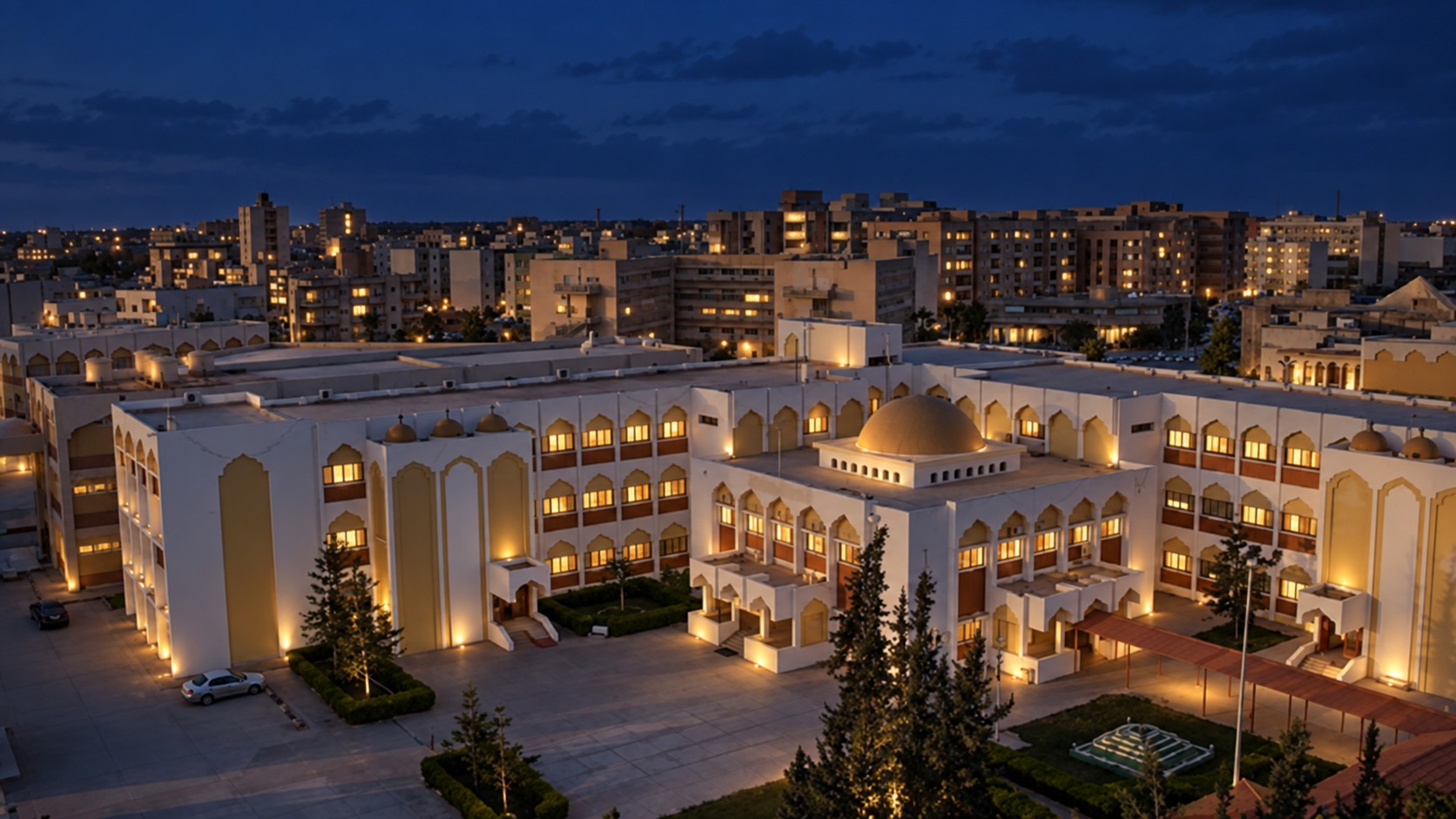
Libya offers a different introduction to university education in North Africa. Its institutions are spread between coastal cities and inland centres, encompassing comprehensive universities and institutions with health, humanities or applied orientations. For Arabic-speaking students, language offers an initial opportunity for communication, while geography, history and local culture add further layers to the experience. A sound choice nevertheless depends on the university, programme and actual admission possibilities, not on a general impression of the country.
A Country with More Than One Landscape
Libya lies in North Africa on the Mediterranean Sea, and its capital is Tripoli. Its currency is the Libyan dinar, designated LYD, and Arabic is the official language. Its geography combines a coastal strip, mountainous areas and an extensive desert landscape, a variety reflected in its cities, culture and ways of life. [1, 2]
Living in Tripoli is therefore not automatically the same as living in Benghazi, Misurata or Sebha. The university's location, campus setting, nearby services and transport arrangements all shape the study day. Start with a map of the actual institution, then plan accommodation and everyday needs around it.
Universities with Distinct Local Roles and Identities
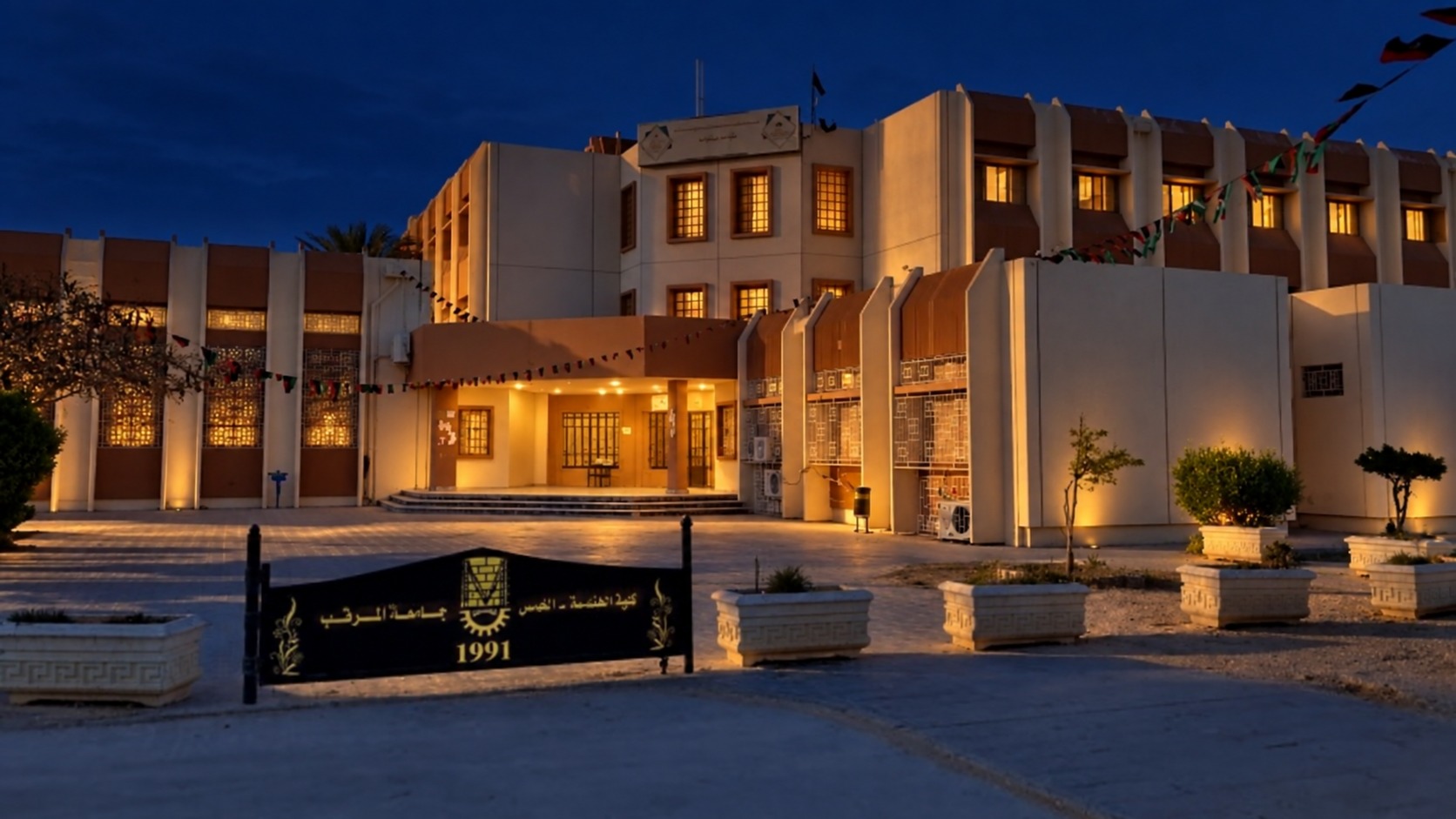
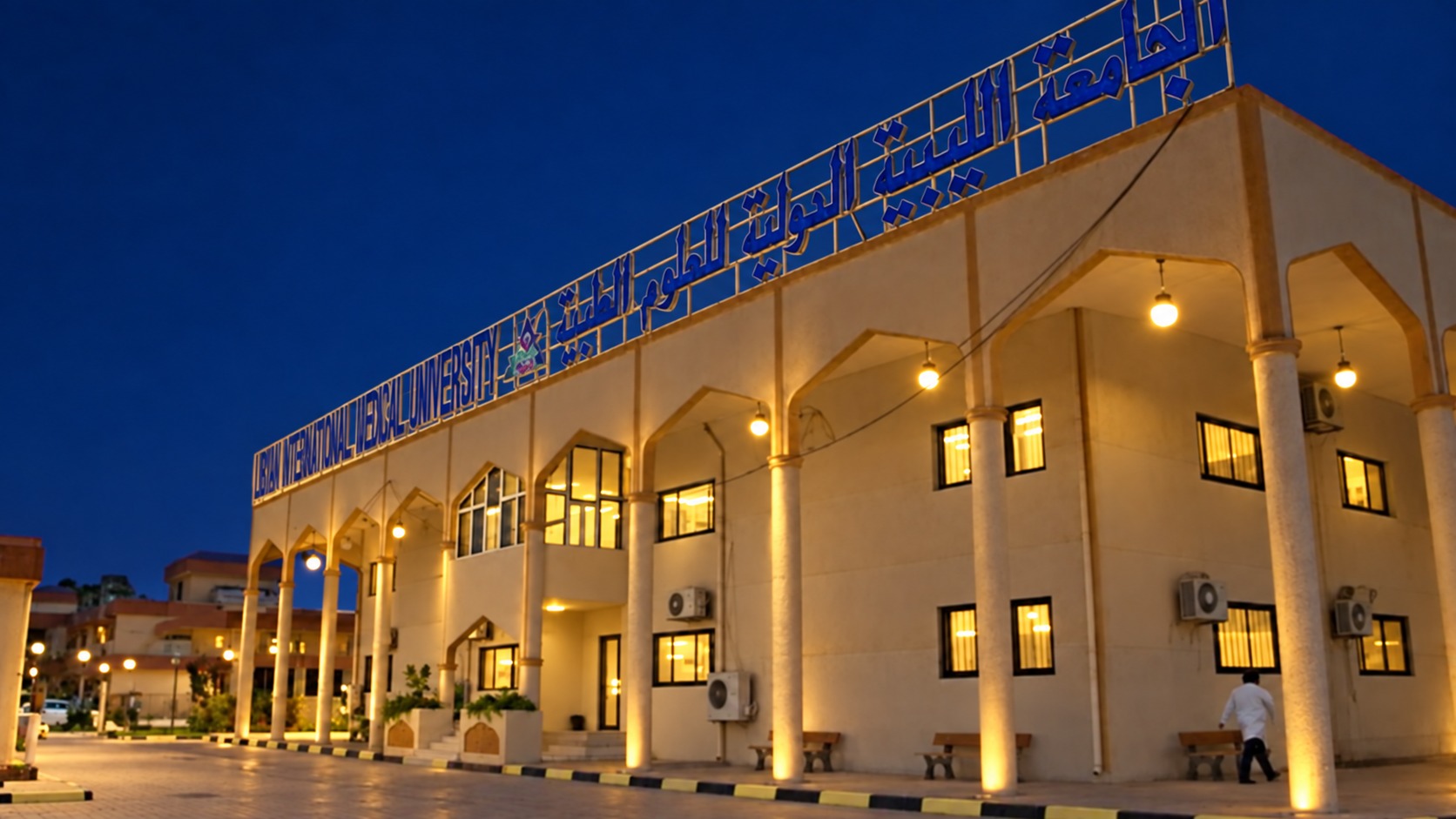
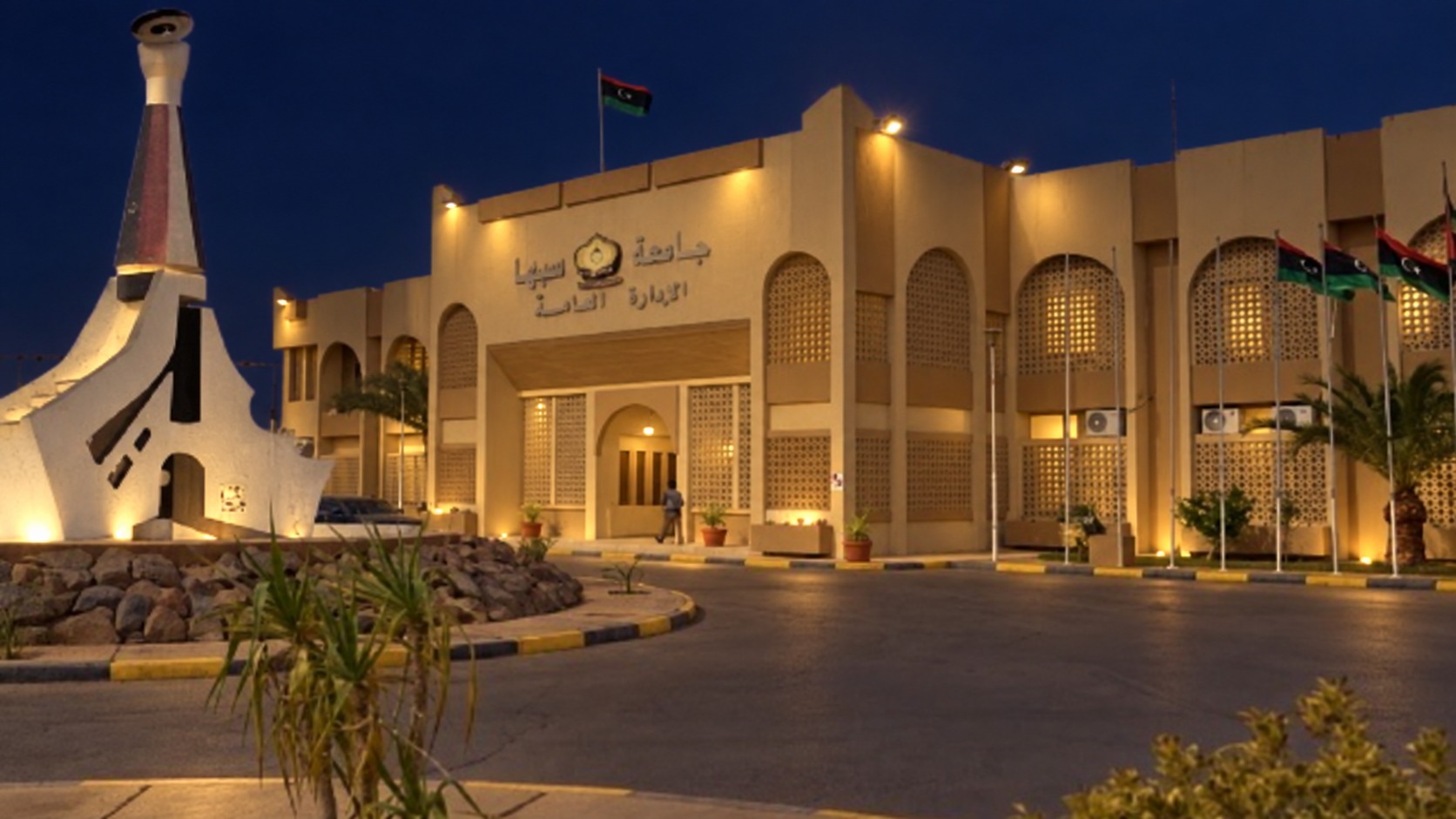
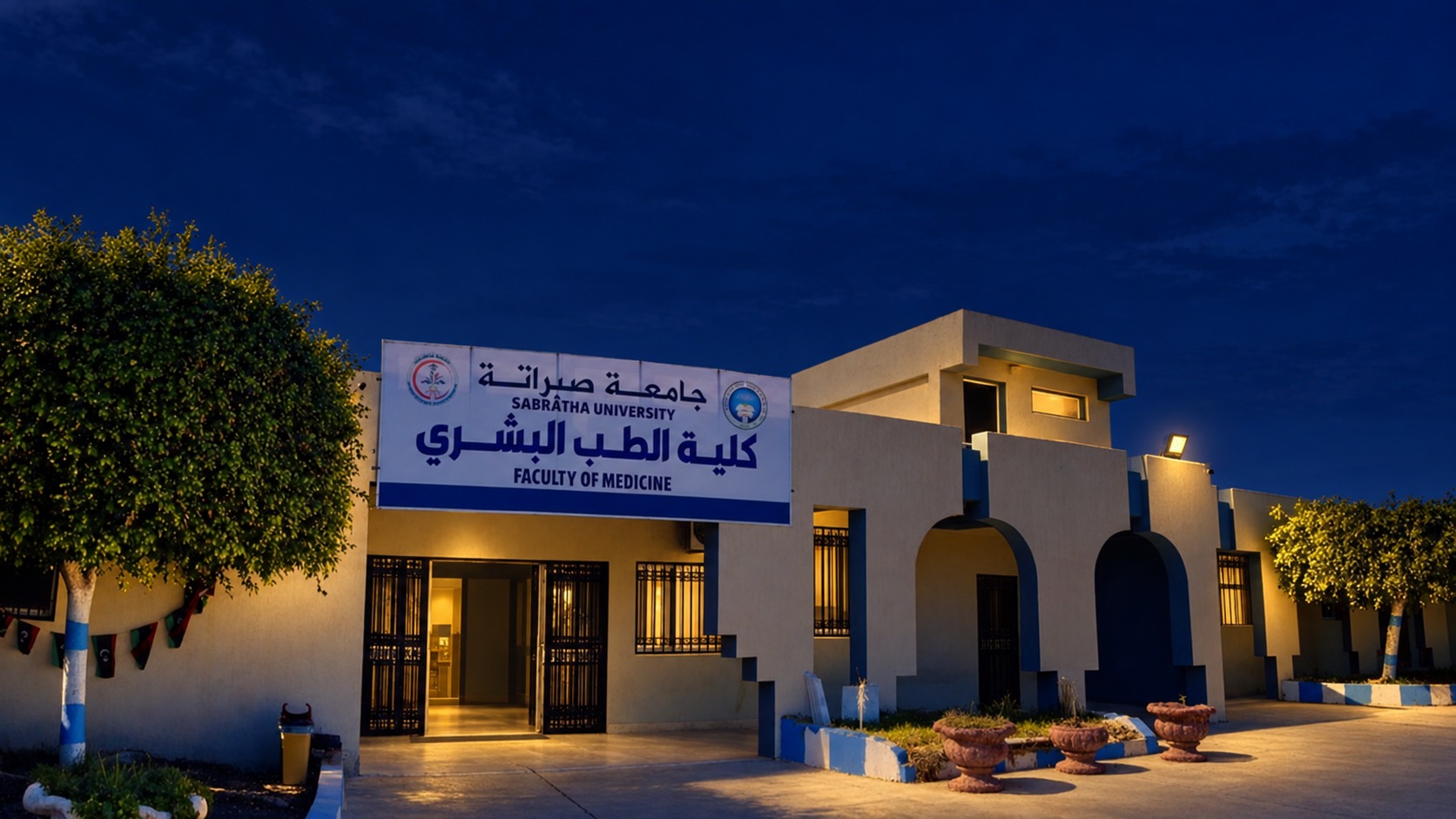
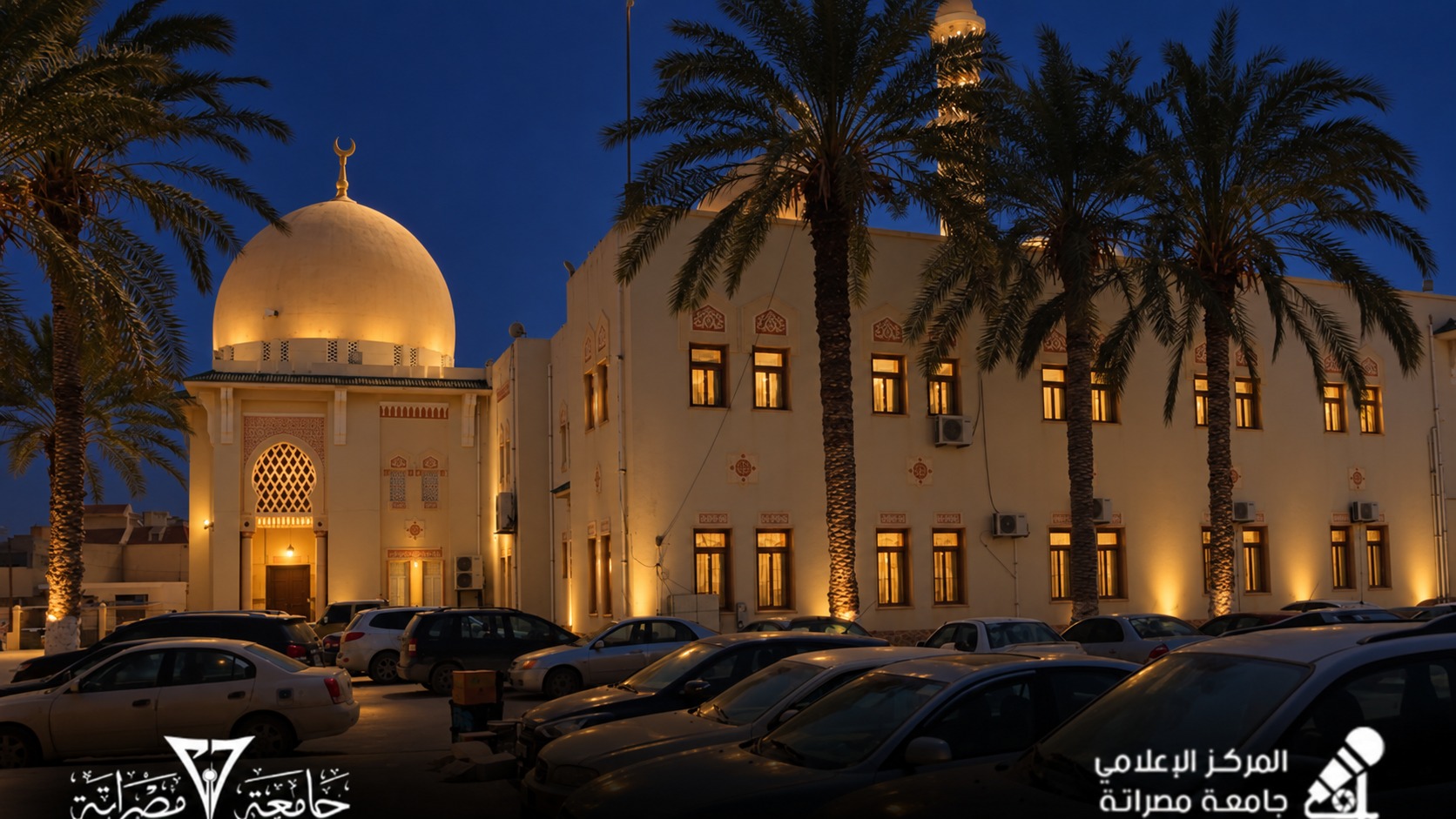
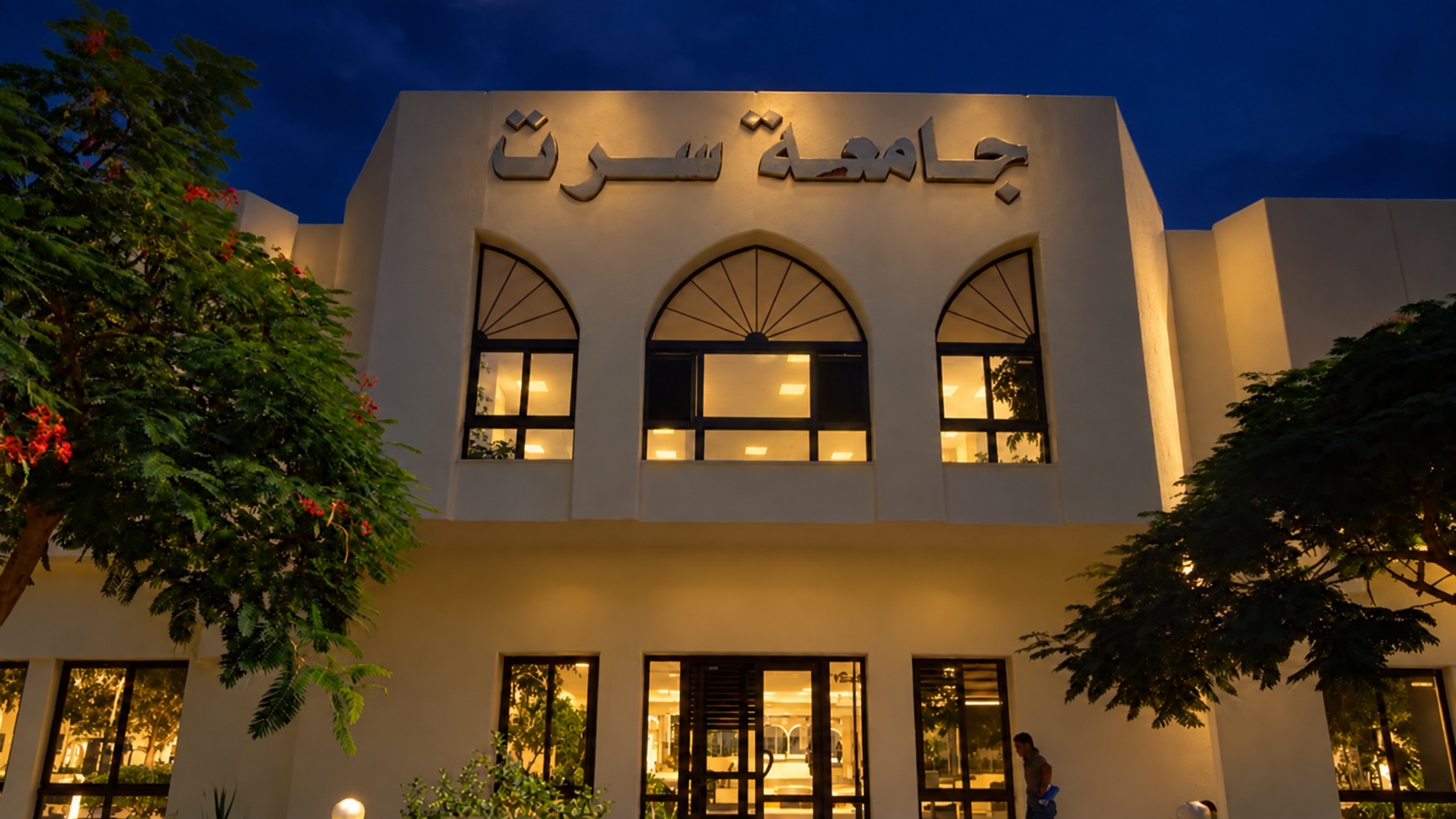
The UNIVEX directory includes the University of Tripoli, University of Benghazi, Azzaytuna University, Alasmarya Islamic University, Elmergib University, Libyan International University, Sebha University, Sabratha University, Misurata University and Sirte University. This is an introductory comparison list, not a ranking or proof that every programme is simultaneously available to international students. [3]
Comprehensive universities introduce students to environments spanning several fields, while another institution may stand out for a particular health, humanities or research identity. Medical applicants examine the relationship between the curriculum and training; engineering applicants consider projects and laboratories; language or law students explore academic preparation, resources and practice. Comparisons become fairer when made at programme level rather than by institutional name alone.
Arabic Helps Communication but Does Not Describe Every Course
Arabic may help students manage everyday matters and build relationships, but teaching language, reference materials and assessment differ by subject and faculty. In some scientific and health disciplines, foreign-language terminology and references play an important role. Preparing for academic language alongside everyday communication is therefore useful.
A shared language does not eliminate cultural diversity. Learning about local customs and communication, while respecting individual differences, gives students a deeper relationship with the place. That relationship might begin with a simple question in a library, a university activity or a shared project, then develop into a network of colleagues and acquaintances.
Cultural Heritage That Broadens the Experience
Libya's World Heritage sites include Leptis Magna, Sabratha, Cyrene, the Old Town of Ghadamès and the rock-art sites of Tadrart Acacus. They reflect historical, architectural and natural variety, offering rich material for the study of archaeology, architecture, history and art. [1]
These landmarks are mentioned as cultural information, not as recommendations to visit or confirmation that they are accessible. Access arrangements and current conditions must be checked before any field activity. Reading, digital resources and academic projects also offer ways to learn from them, making culture a source of questions and knowledge without automatically connecting it to travel.
The Campus as a Learning Community
When exploring a university, students should understand its advertised libraries, laboratories, research centres and academic services, and how they can access them. Having a resource matters, but using it matters more: is it connected to the course, are guidance hours available, and how are projects or activities organised? These questions reveal more about everyday learning than a long list of buildings.
Regular involvement in an academic or cultural activity can develop discussion, writing and teamwork skills. Choose meaningful participation whose contribution can be demonstrated, such as preparing a presentation, assisting a research team within its rules, or completing an applied project, rather than collecting attendance that adds little to learning.
Living Arrangements and Admission Require Specific Information
A budget depends on the city, housing arrangement and programme, covering tuition, food, transport, communications, required healthcare and residence procedures. Costs should be calculated from quotations that apply to the international student concerned, without assuming eligibility for arrangements reserved for another group. Obtain information from the responsible organisation and retain its date before making a decision.
International admission to the intended programme must also be confirmed, together with required documents, the qualification awarded, attendance and training arrangements, and recognition in the country where the degree will be used. Current travel and safety arrangements require a separate review. This article introduces the destination academically and culturally; it does not replace those practical checks.
An Arabic-Speaking Experience Worth Examining Carefully
Libya may interest students seeking education in an Arabic-speaking environment at an institution aligned with their goals. The value of the choice emerges when a clear university identity, a documented programme, manageable daily life and a respectful understanding of the country's culture come together. Viewed this way, the destination is more than a geographically close option: it is an academic possibility to be assessed against clear, personal criteria.
Sources and references
- Source 1 · whc.unesco.org
Original source title
اليونسكو: مواقع التراث العالمي في ليبيا - Source 2 · cbl.gov.ly
Original source title
مصرف ليبيا المركزي - Source 3
Original source title
كتالوج UNIVEX المحفوظ بتاريخ 25 سبتمبر 2026