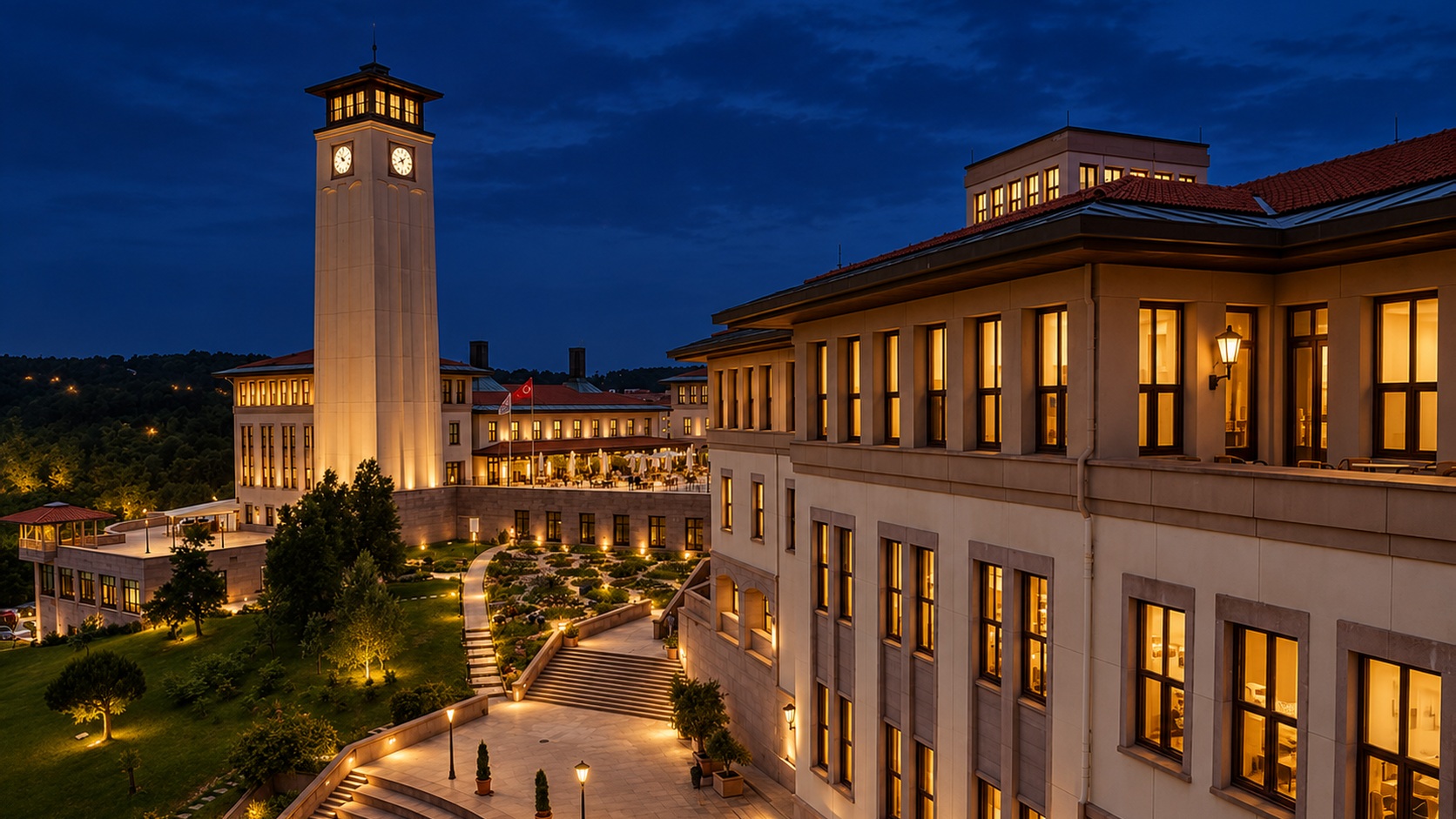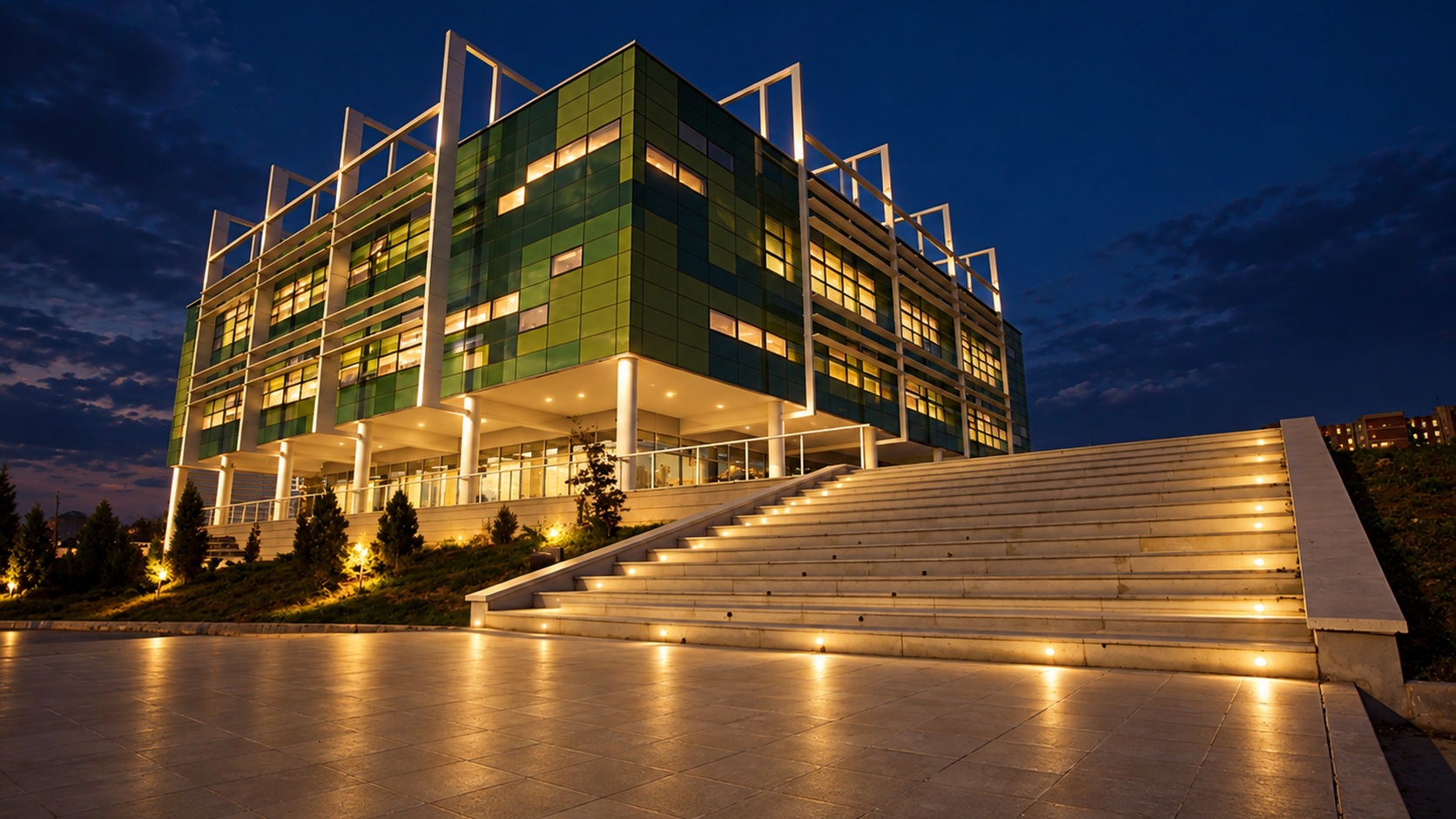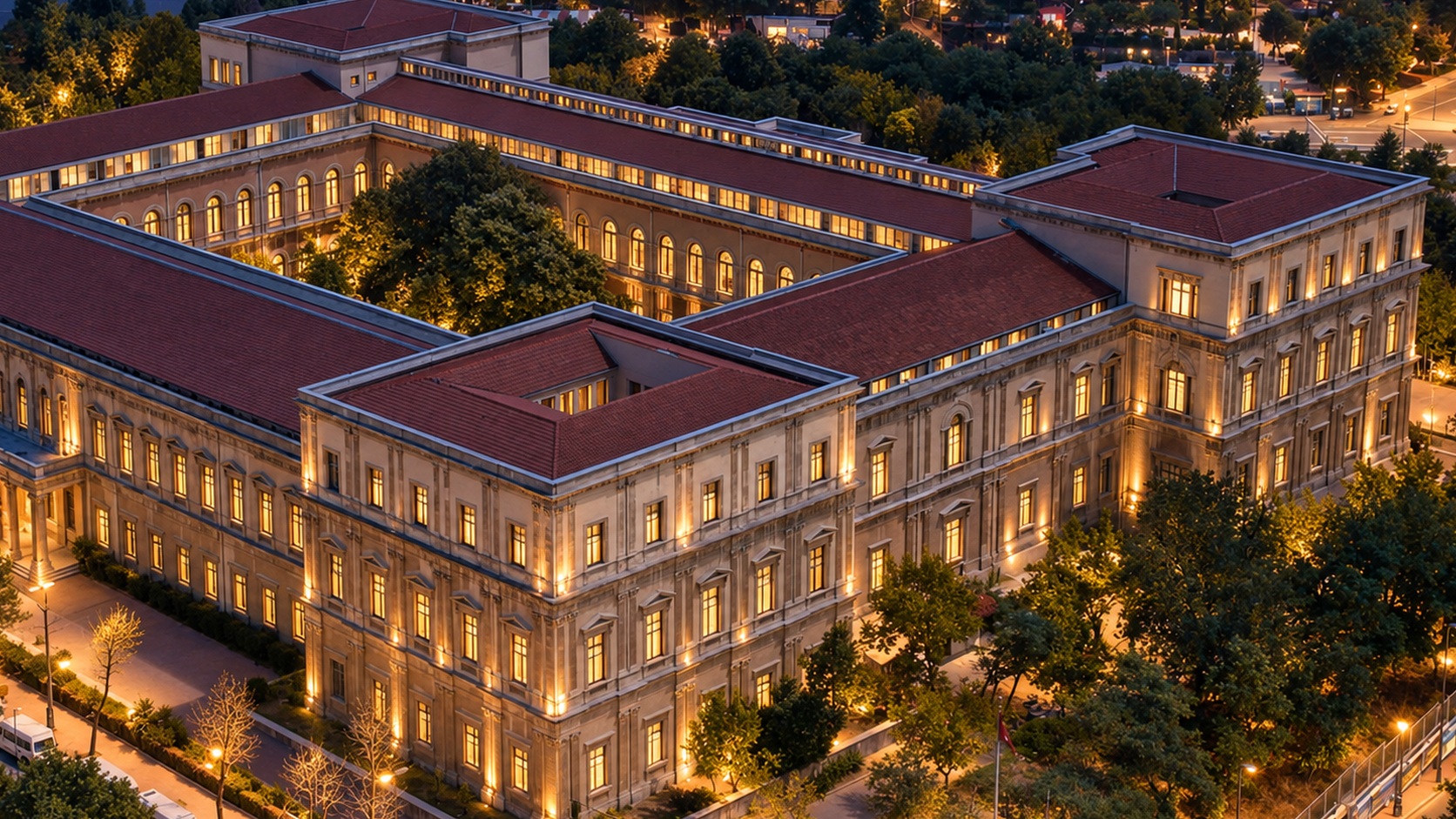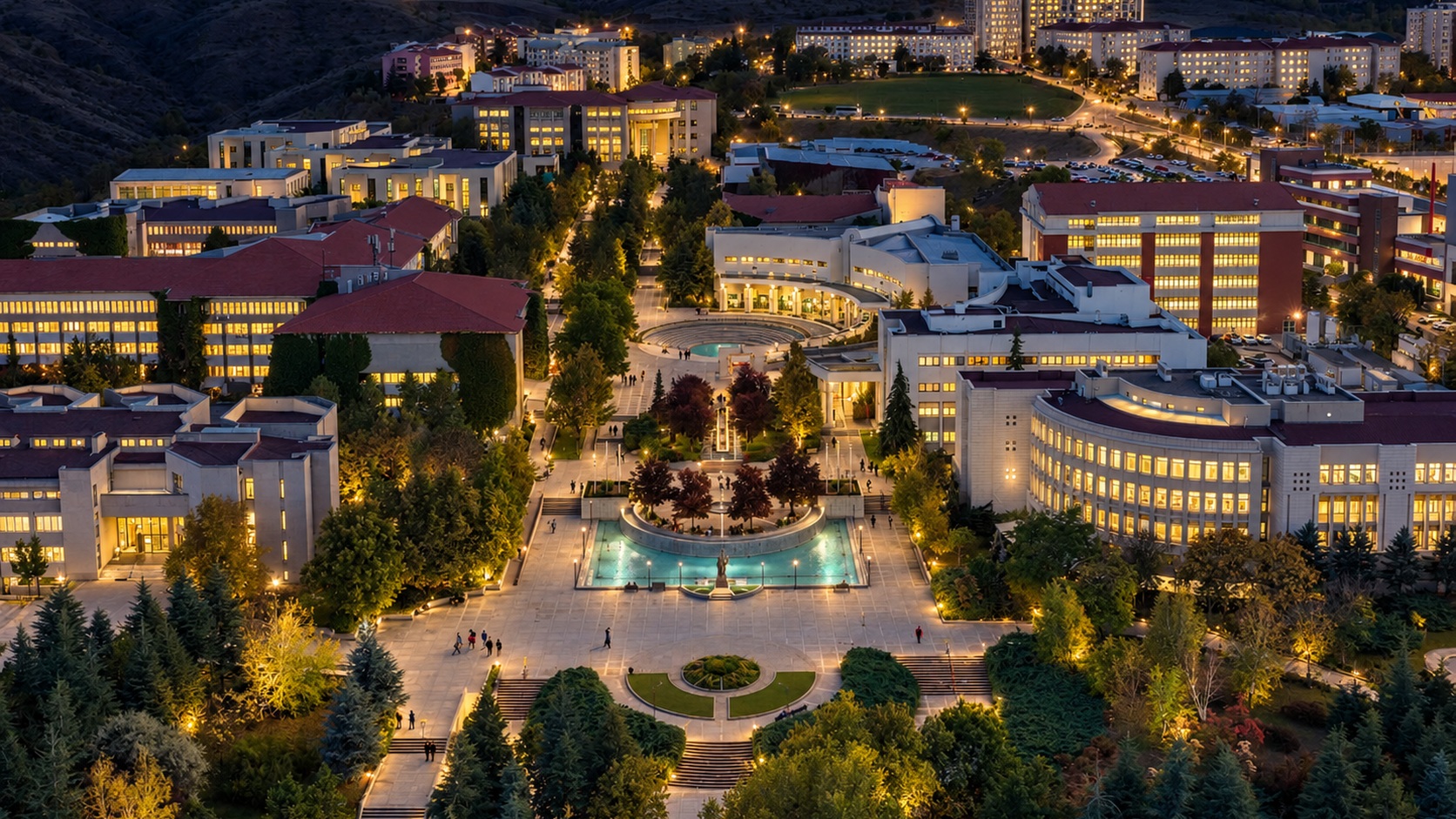
An introduction to Türkiye can begin with two different scenes: a student travelling across part of Istanbul to reach a lecture, and another leaving a library on a spacious campus in Ankara. Both study in the same country, yet their daily routines, relationships with the city and university communities may be very different. The most important question is therefore which university experience fits your way of learning and your ambitions, rather than which city has the most familiar name.
A Geography with More Than One Rhythm
Türkiye extends across Anatolia and part of Thrace, with Ankara as its capital. Turkish is the official language, and the currency is the Turkish lira, with the code TRY. The country has several coastlines, while its inland and mountain regions offer different climatic and cultural settings. This geographical range makes the city, campus and academic term important parts of preparing for a new life. [1, 2]
Istanbul is not the capital, and a university's name does not guarantee that all its faculties occupy one campus. Knowing exactly where your programme is based helps you plan accommodation, transport and activities. It also prevents misleading comparisons between a city-centre university and one where most activities take place on an integrated campus farther from the centre.
Public and Foundation Universities, with Varied Academic Models
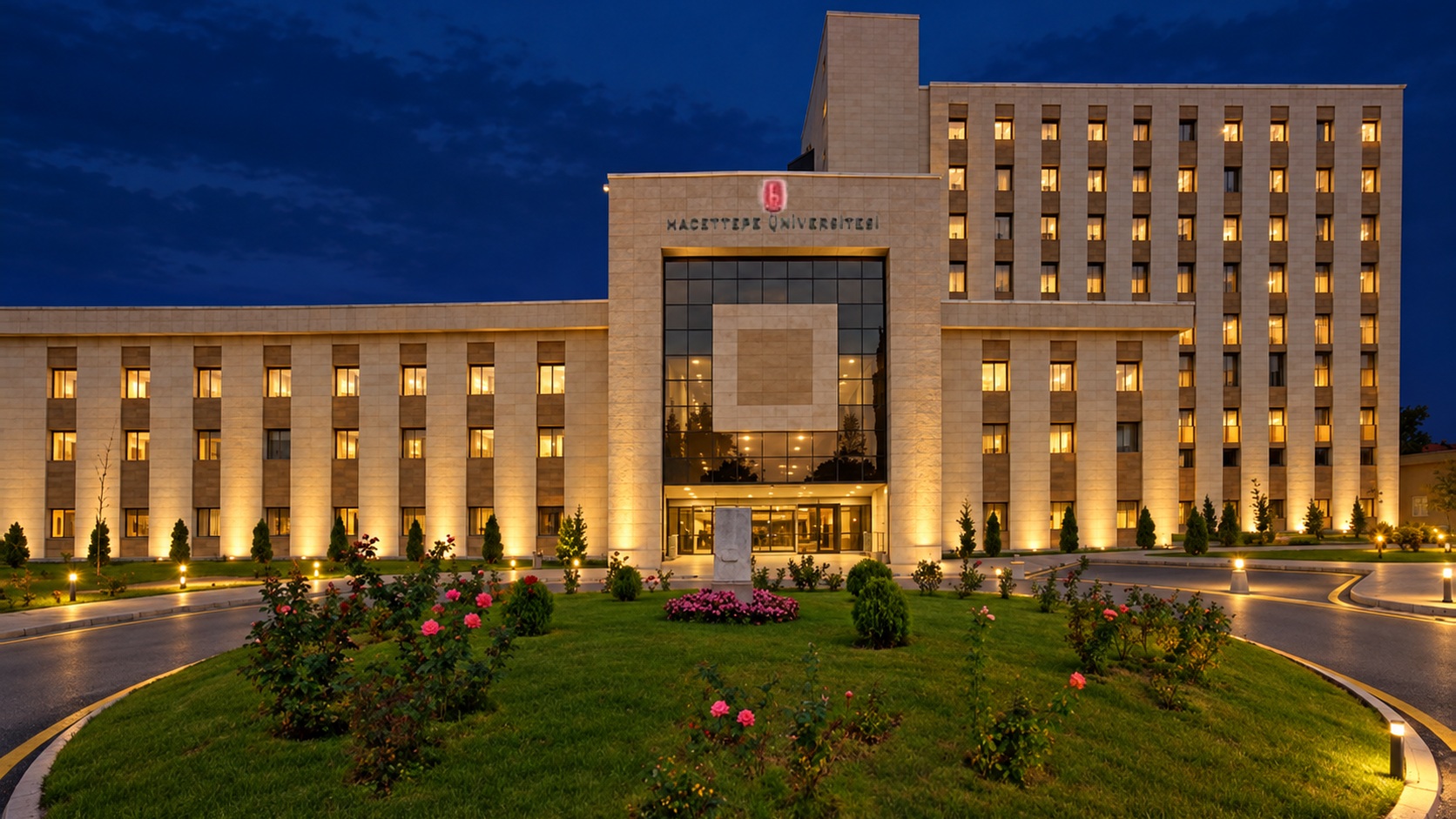
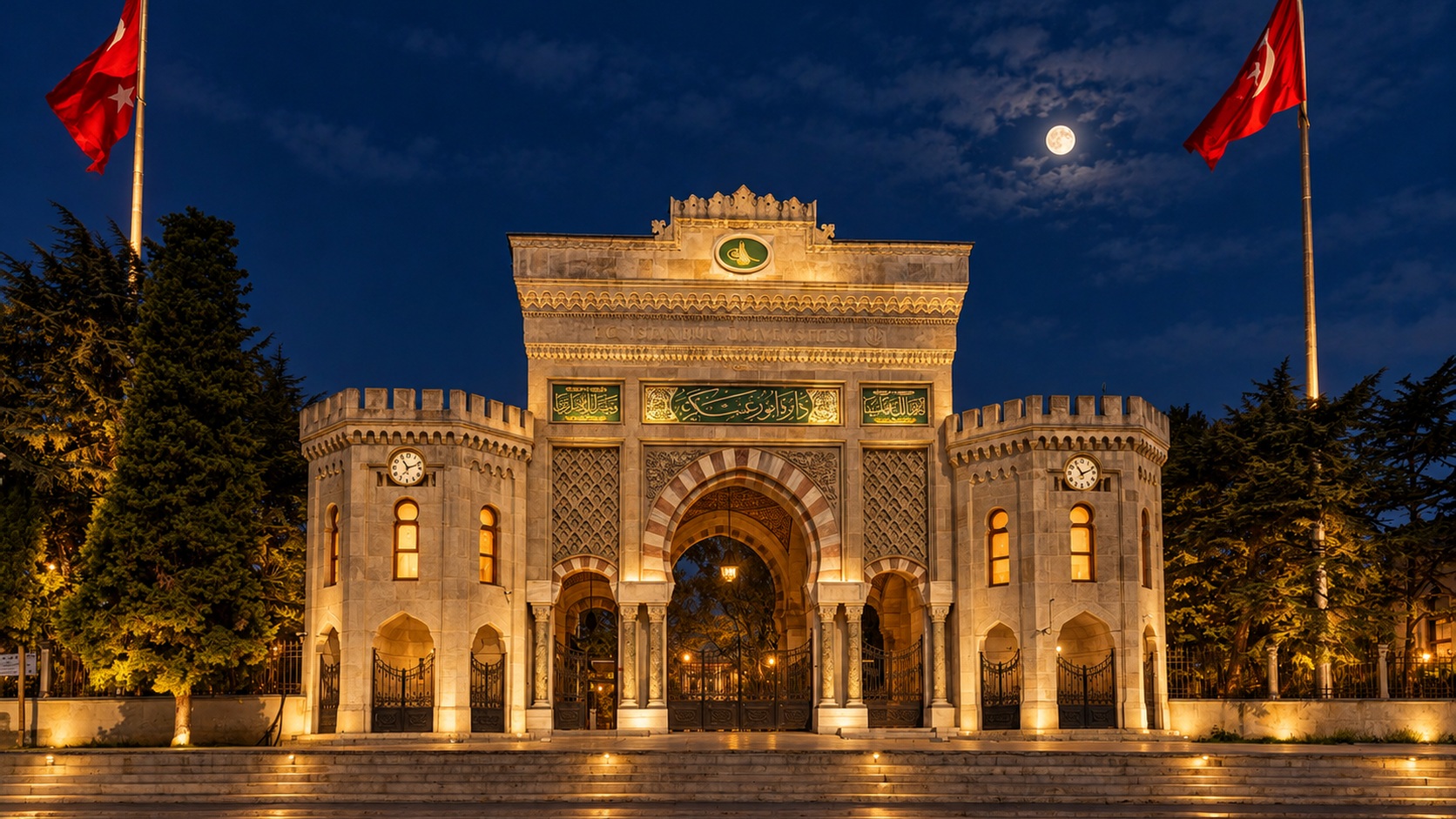
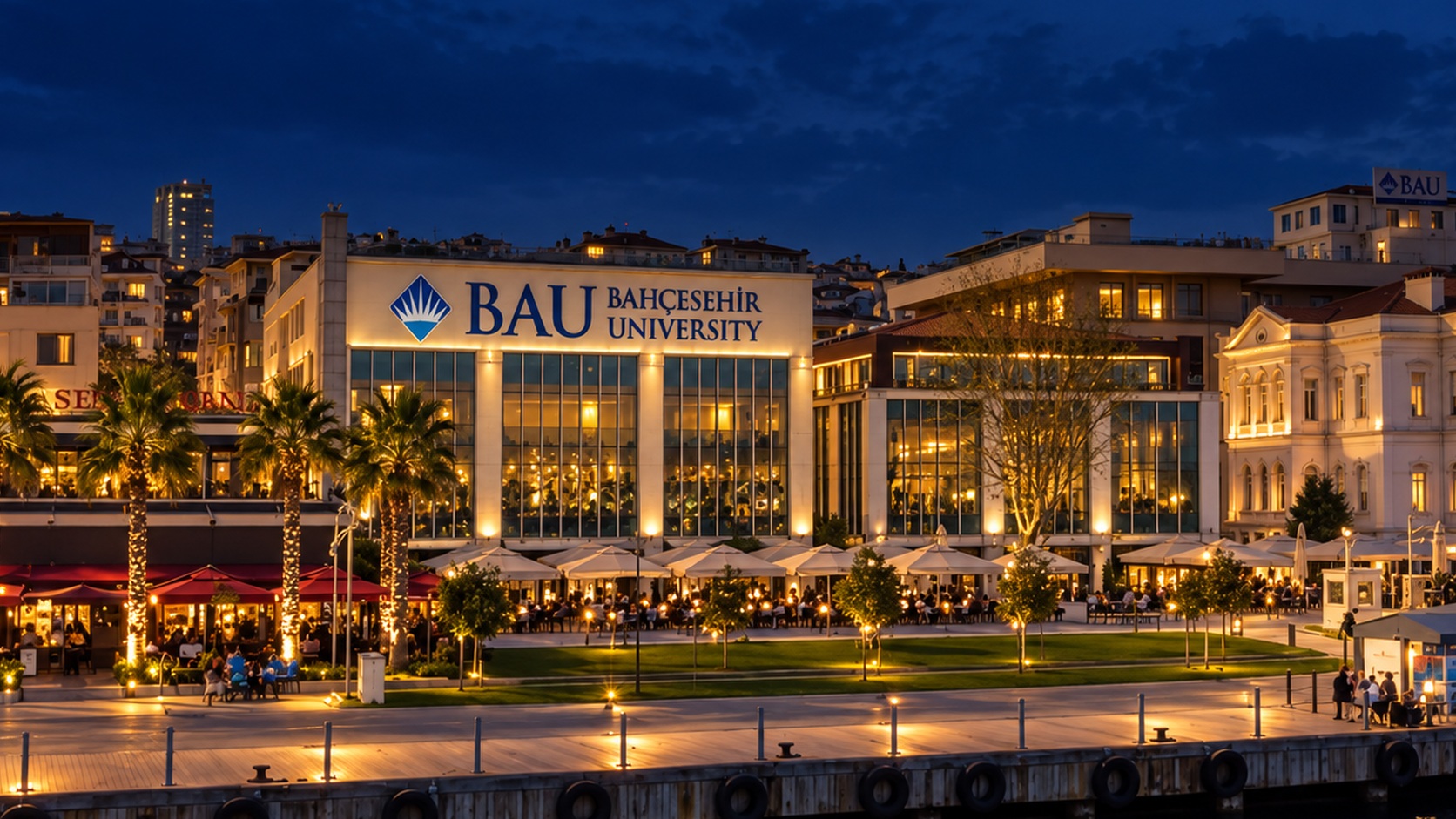
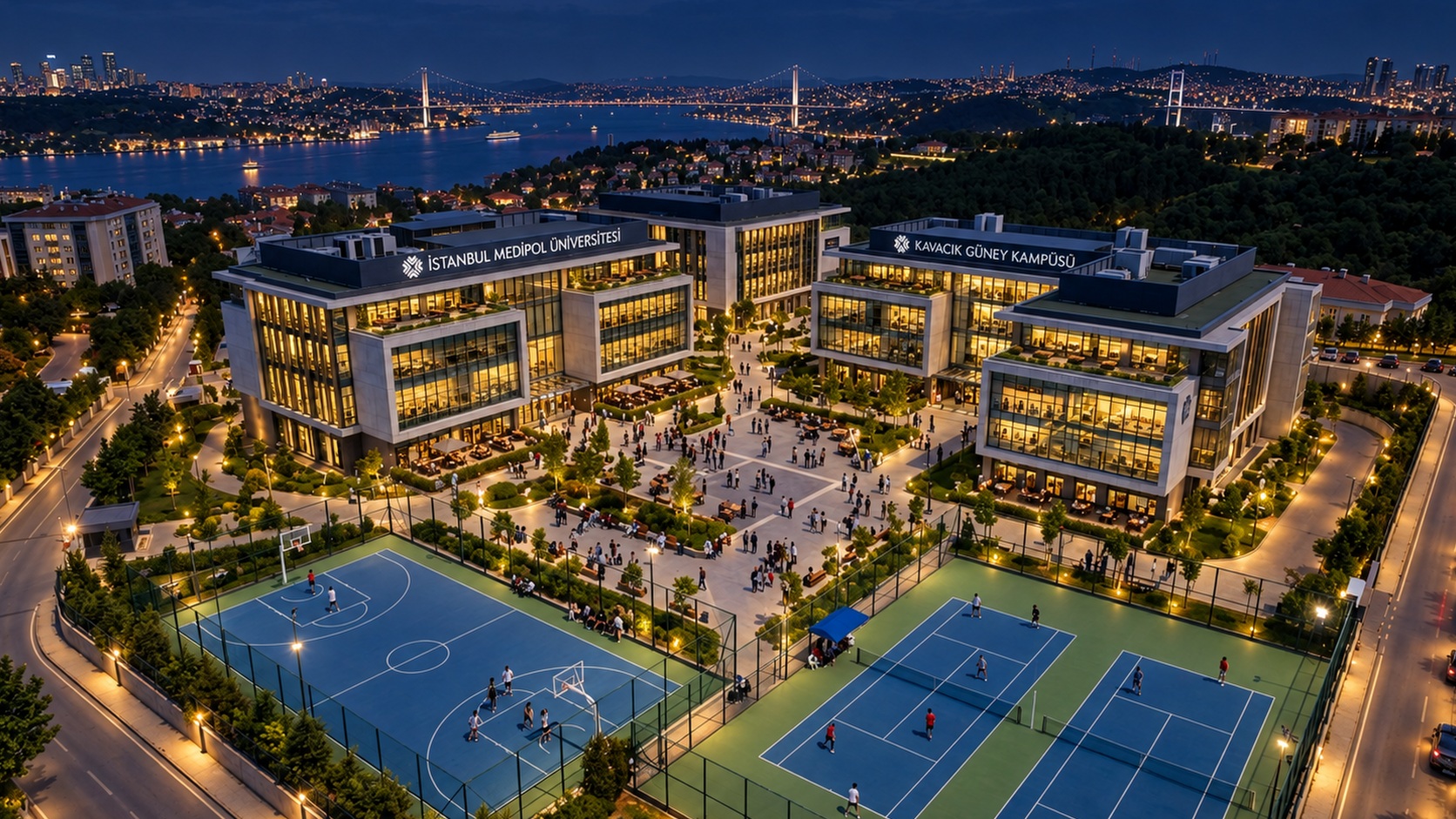
The UNIVEX directory includes Middle East Technical University, Istanbul Technical University, Hacettepe University, Boğaziçi University and Istanbul University, alongside Koç, Sabancı, Bilkent, Bahçeşehir and Medipol. These institutions differ in their legal and academic structures, areas of emphasis and organisation of teaching and services. [3]
One student may be drawn to a technical university with a clear engineering and design identity; another may prefer a health-oriented or research environment, or a model that allows room to explore several subjects. A comparison should not be reduced to “public or private”. The curriculum, assessment methods and resources available to the particular programme reveal the educational value that matters to the student.
Teaching Language and Everyday Integration
Türkiye has programmes taught in Turkish and others taught in English, with language requirements varying by institution and programme. Teaching language, proficiency tests and any preparatory year should therefore be checked in the programme's own documents. The prevalence of English at a particular university does not automatically remove the need to learn basic Turkish for daily life or for training involving local communication. [3]
Students can begin with simple vocabulary for accommodation, food and transport before gradually learning the language of their subject. This learning builds independence, helps them understand their surroundings and creates more opportunities to interact with classmates. Language becomes more firmly established when it is used in real situations rather than remaining a list of words disconnected from the study day.
Campus and City: Choose the Relationship You Want
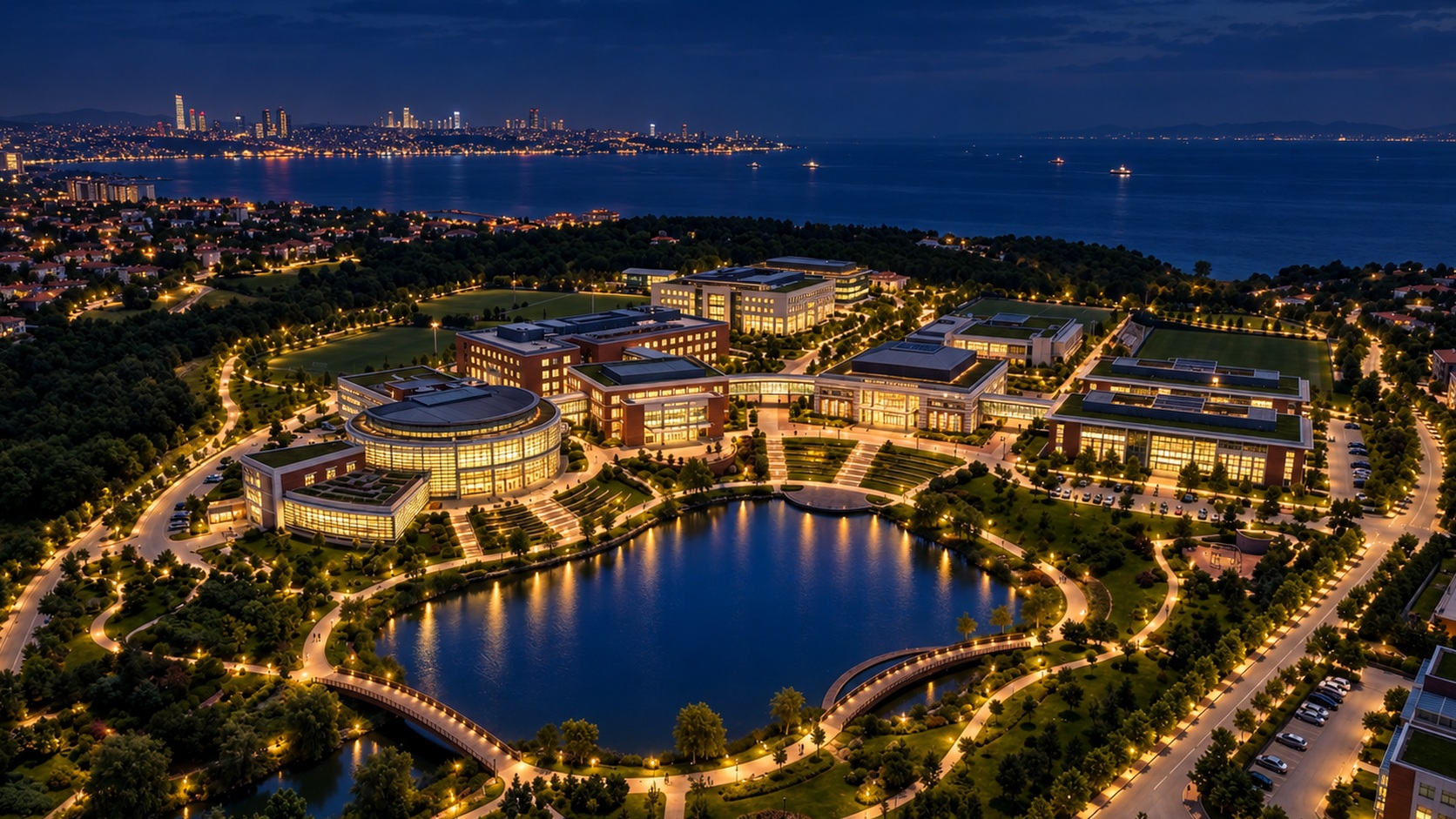
An integrated campus may bring together study areas, accommodation, sport and cultural activities, while a university spread across the city offers a different relationship with institutions, neighbourhoods and services. Each model has its appeal. Choosing between them requires a practical picture of the week: where will most lectures take place, how often will you travel between sites, and where would you prefer to revise?
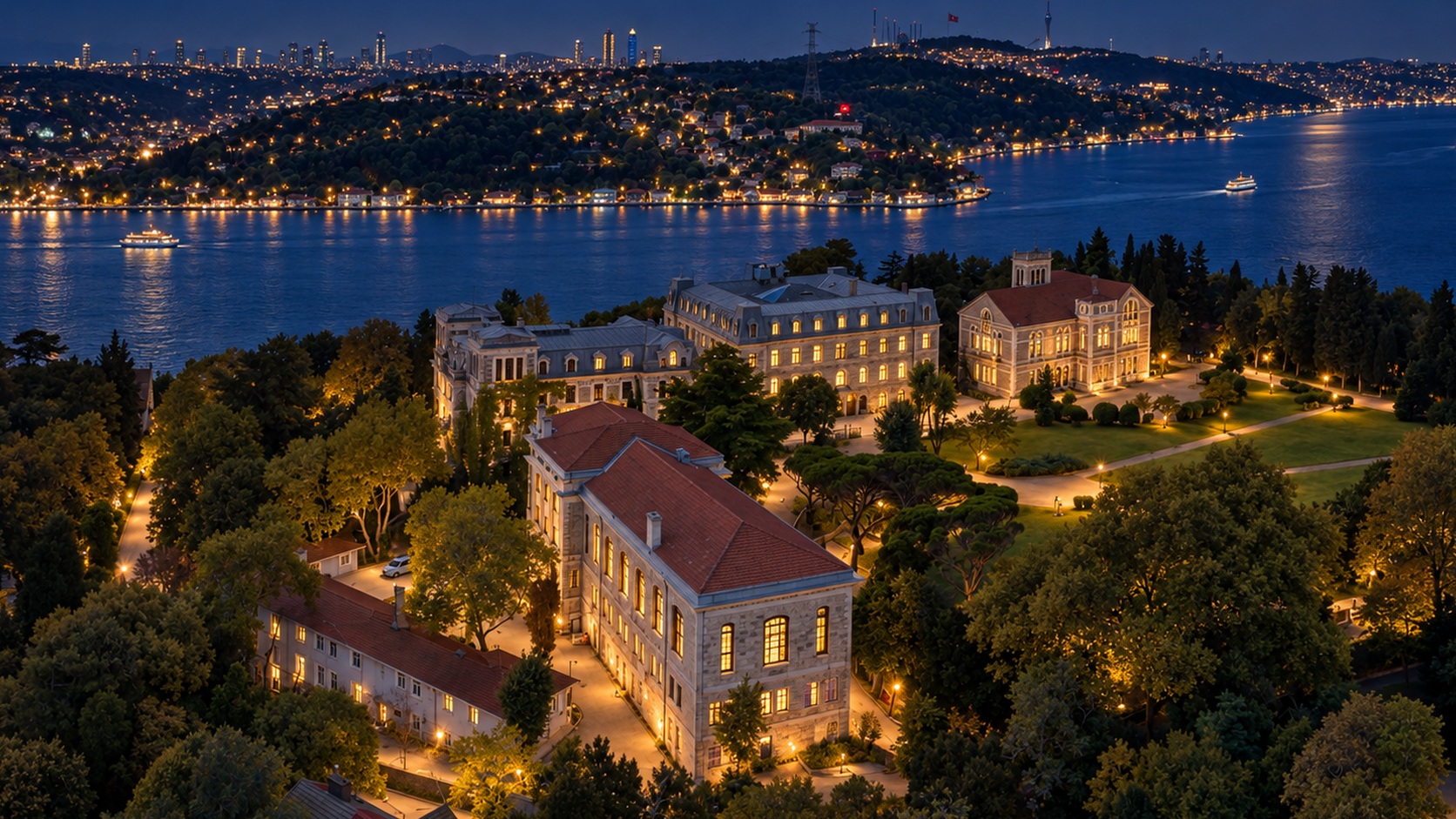
In Ankara, engagement with libraries and academic institutions can become part of a student's identity. In Istanbul, varied neighbourhoods, architecture and cultural centres provide a broad urban setting. Making good use of a city does not require constant travel. What matters is choosing regular activities that fit your time, budget and interests.
Living Arrangements Worth Comparing
A budget should include tuition, accommodation, food, transport, communications, insurance and residence-related requirements, separating initial expenses from recurring monthly costs. Prices, contracts and included services differ between cities and housing options. Clear quotations that state their issue date help you build a budget for your own circumstances.
For accommodation, check whether meals, services or facilities are included, what kind of room is provided, the distance to campus, and the payment and refund conditions. Scholarships and fee waivers should be read in the light of their official announcements and continuation requirements. Their existence at a university does not mean that every applicant is eligible.
Culture to Experience at Your Own Pace
Türkiye offers variety in food, crafts, music and architecture. Istanbul has landmarks and museums connected with its layered history, while Ankara and other cities provide different cultural settings. Cappadocia, the coastlines and historic towns add further dimensions to the destination. These places help introduce the country; they are not an automatic tourism package attached to a university programme. [1]
An architecture student might observe how buildings relate to the street, a business student might examine the experience of a shop or museum, and a language student might record everyday expressions. In this sense, culture becomes an opportunity to develop observation and an understanding of people, not simply a collection of travel photographs.
From General Interest to a Clear Study Decision
Start with your field of study, then the programme, university and campus. Add the teaching language, qualification awarded, assessment system and official costs. For professionally regulated programmes, check recognition and licensing requirements in the country where the qualification will be used before committing. Türkiye offers varied possibilities for learning and living; these become a strong experience when the student chooses an environment on balanced academic and practical grounds.
Sources and references
- Source 1 · goturkiye.com
Original source title
GoTürkiye: البوابة السياحية الرسمية - Source 2 · www.tcmb.gov.tr
Original source title
البنك المركزي للجمهورية التركية - Source 3 · www.yok.gov.tr
Original source title
مجلس التعليم العالي التركي