
Kyrgyzstan is often associated with mountains, lakes and open landscapes, but students discover another side much closer to everyday life: a university, accommodation, a study group, languages they learn to navigate and a city that gradually becomes familiar. A successful experience depends not only on beautiful surroundings but on choosing the institution and programme carefully, then building a balanced life that supports concentration and discovery.
Country, Language and Currency
Kyrgyzstan lies in Central Asia, and its capital is Bishkek. Its currency is the Kyrgyz som, designated KGS. Kyrgyz is the state language, while Russian has official status; their use in everyday life varies by context. Teaching language must be checked for the specific programme. The presence of international students does not mean that every course or training stage is delivered in English. [1, 2]
Mountainous terrain gives the country a distinctive character, but climate and living requirements also depend on the city, elevation and season. Accommodation therefore deserves consideration beyond rent: heating, insulation, internet, cooking facilities and the journey to the university. These simple details turn an attractive impression of the destination into a sustainable routine throughout the academic year.
Bishkek and Tokmok Are Not the Same Experience
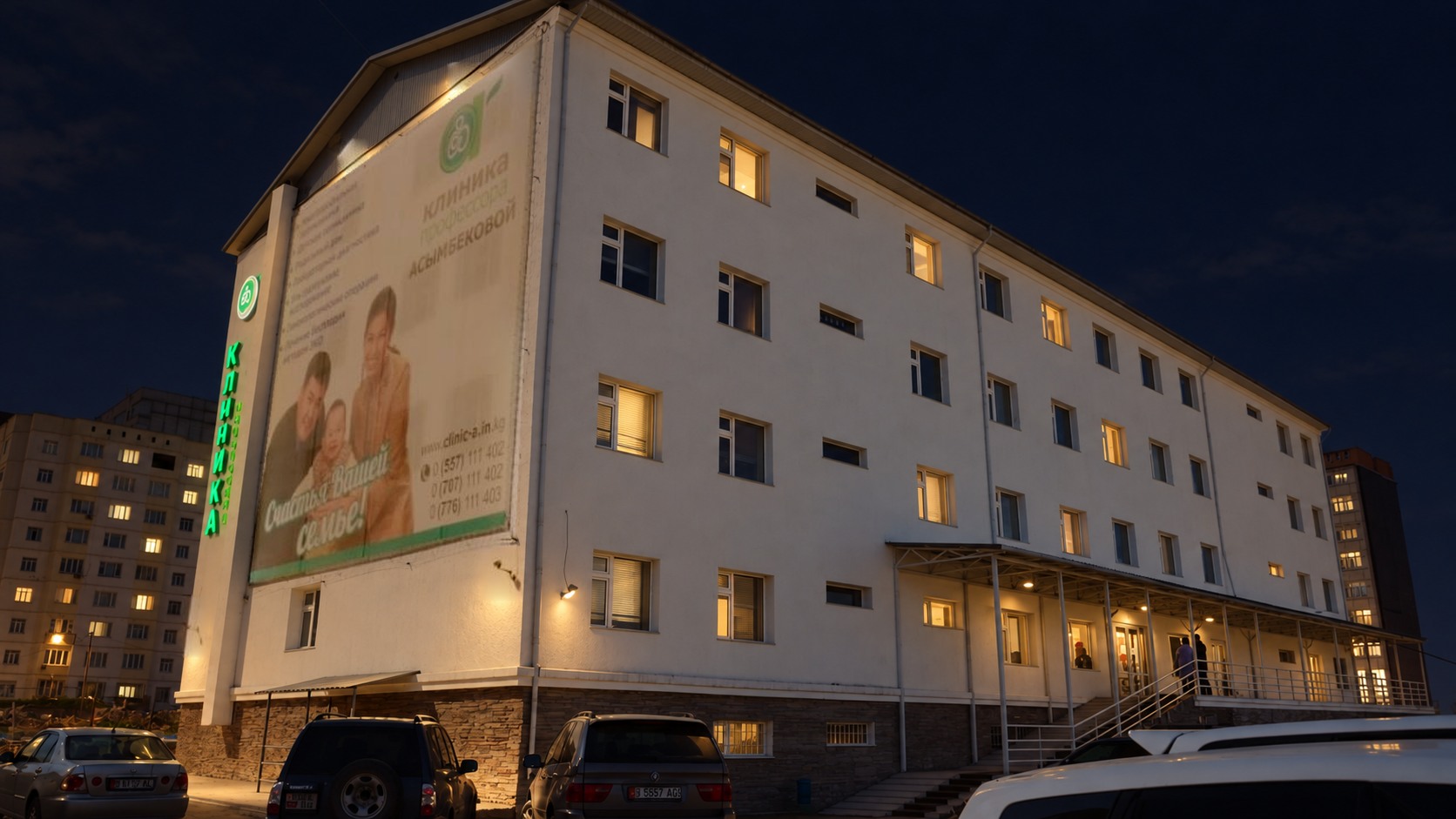
Bishkek appears in the profiles of several listed institutions, while the University of South Asia in UNIVEX's directory is associated with Tokmok in Kyrgyzstan, not with similarly named universities in other countries. Precision about names and locations matters: students apply to a specific legal institution and programme, not to a brand name that may be repeated elsewhere. [3]
The city influences the shape of the academic week. One student may prefer a wider urban environment, while another seeks a routine more closely connected to campus and the surrounding community. There is no universal preference. Compare daily travel between accommodation, lectures and training, the services you use, and your ability to build a comfortable routine.
Health Pathways and Technical Fields
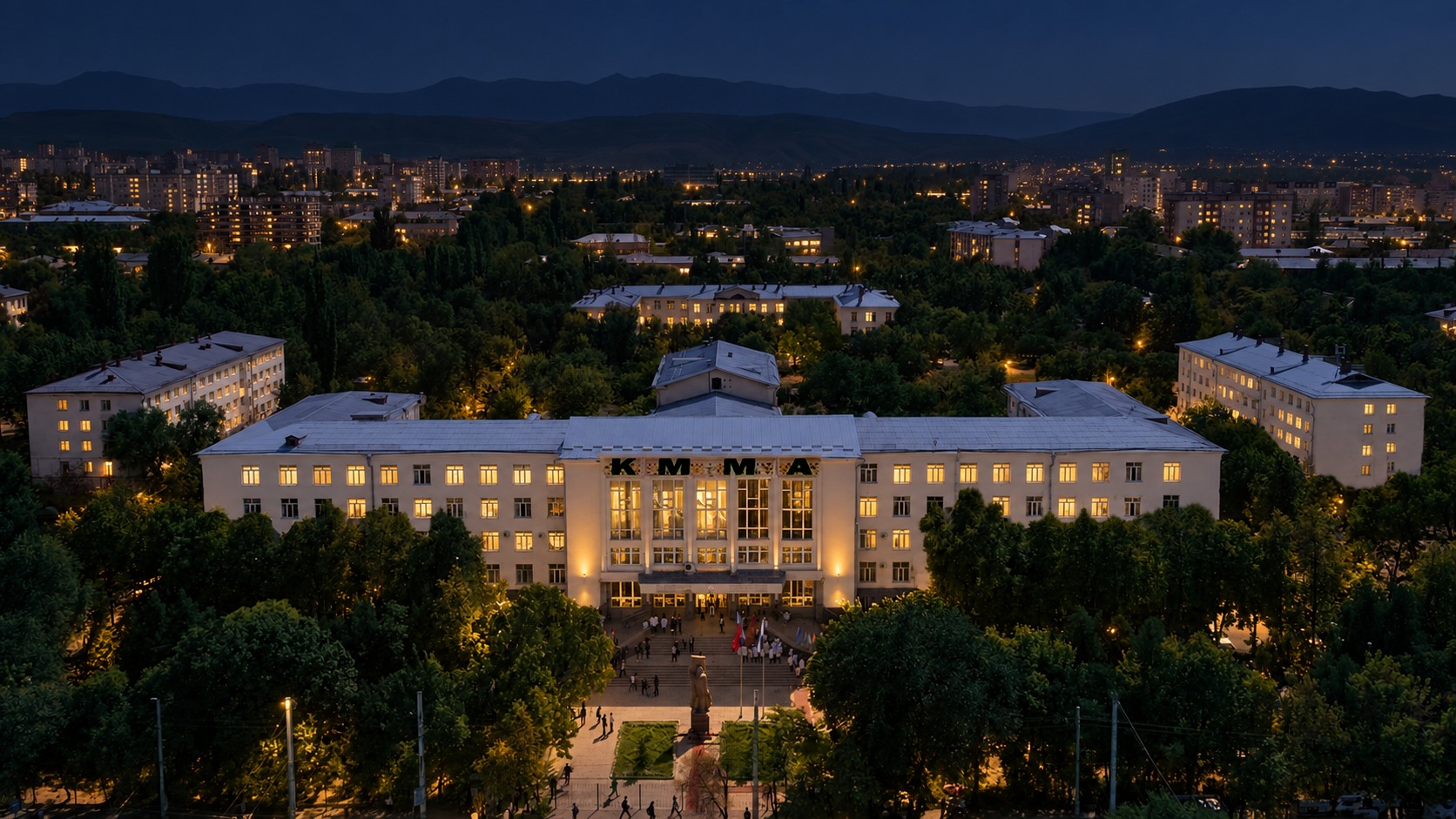
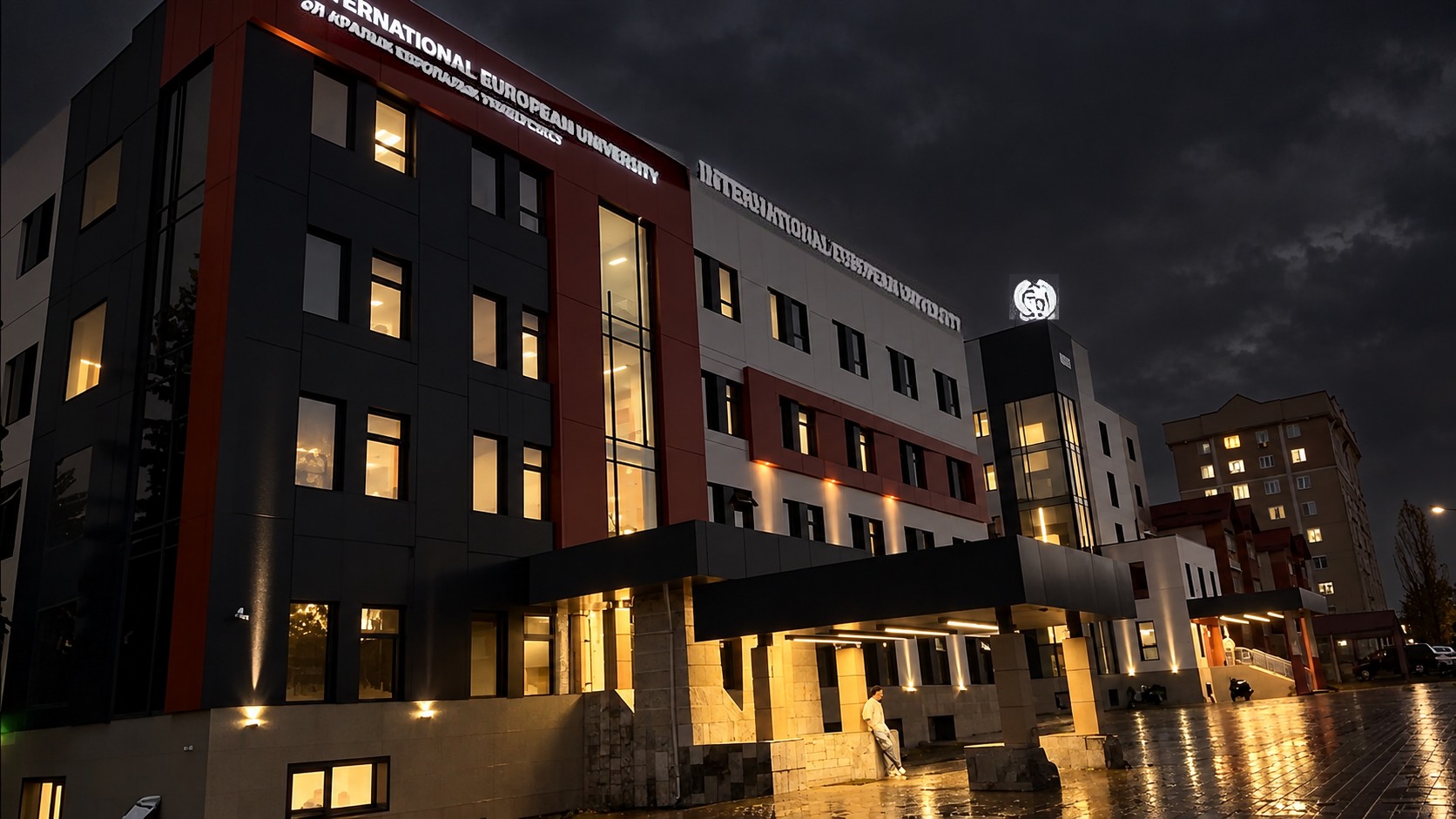
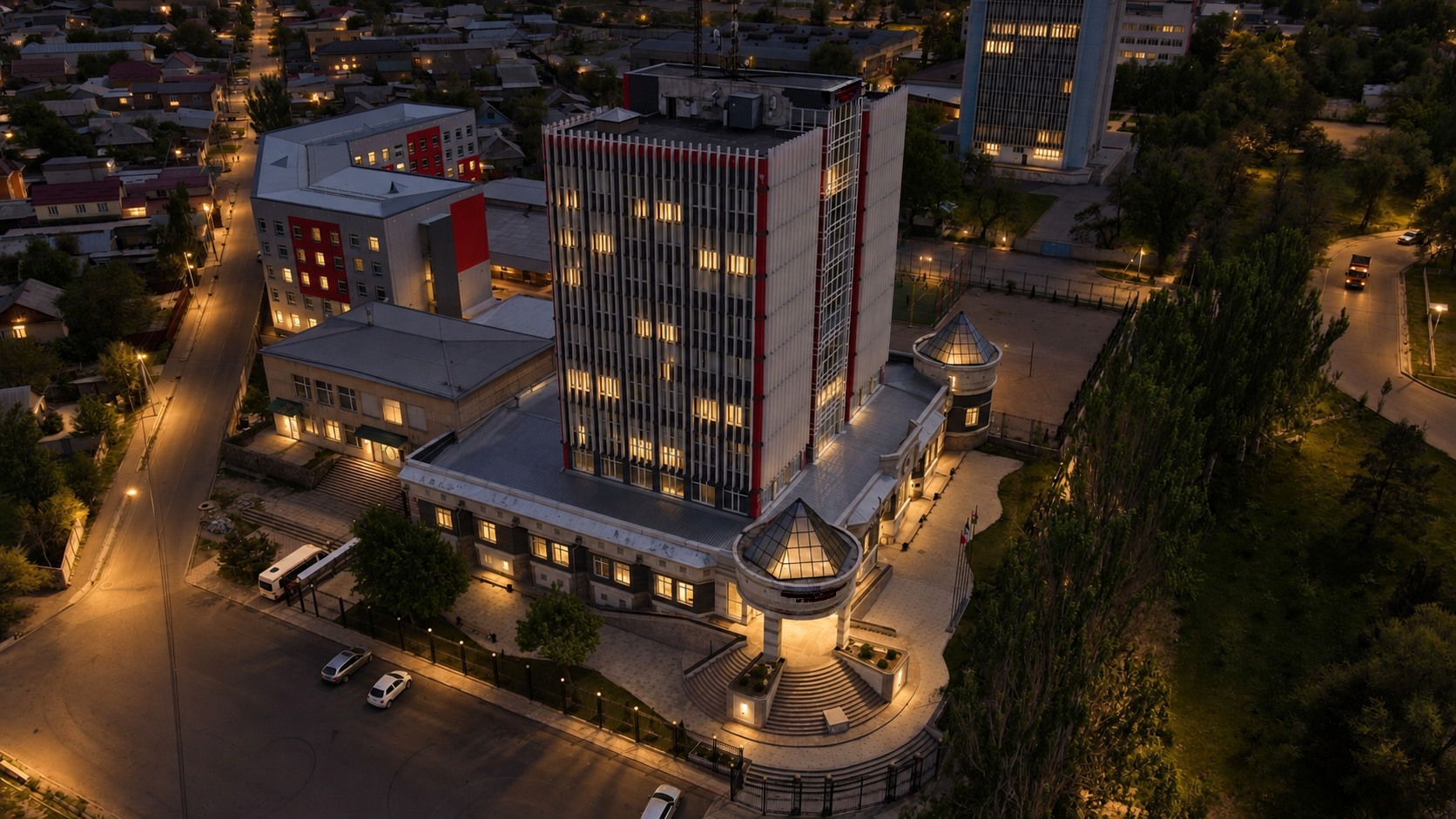
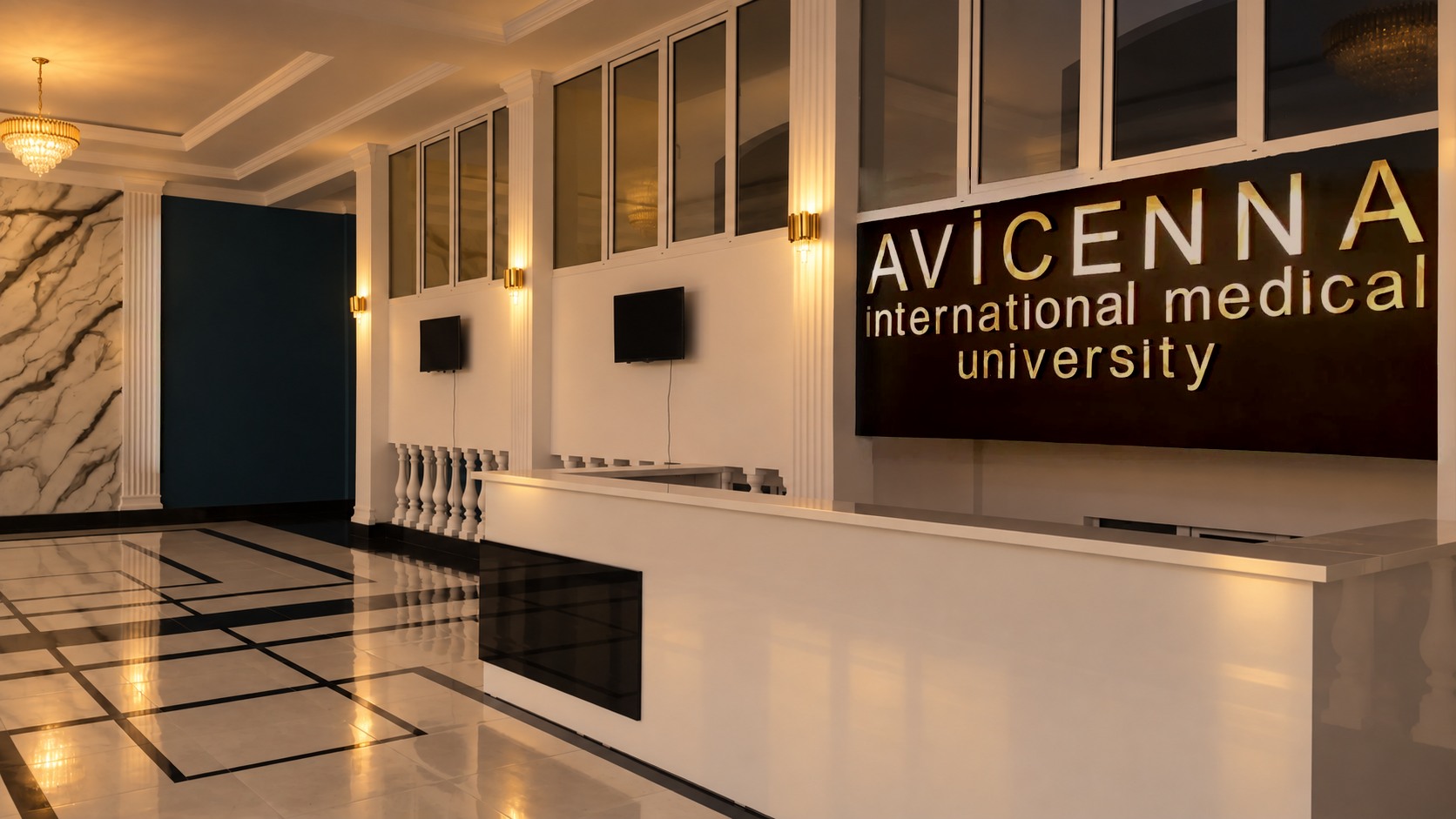
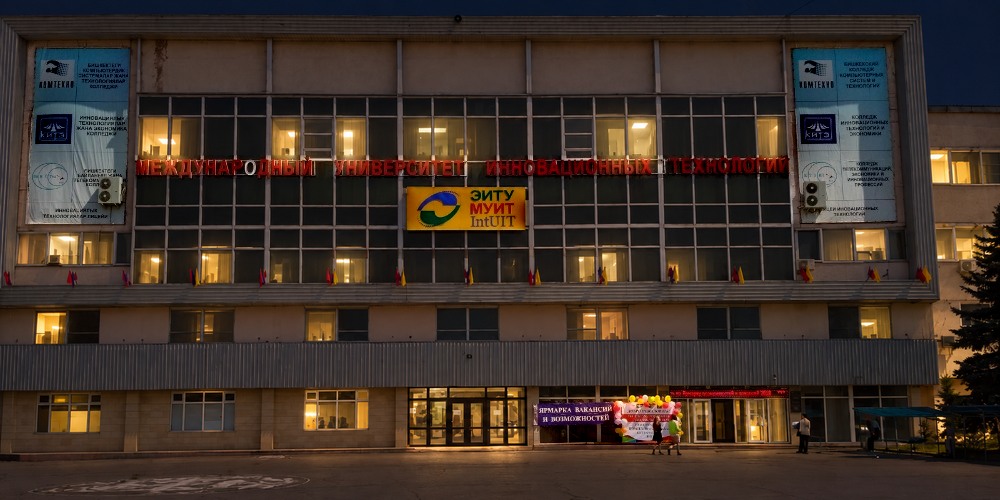
The UNIVEX catalogue includes a state medical academy, health-oriented institutions, multidisciplinary universities and a university of innovation technologies. Kyrgyzstan should therefore not be understood solely as a medical destination, nor should all medical or non-medical universities be treated as identical in identity and programme provision. [4]
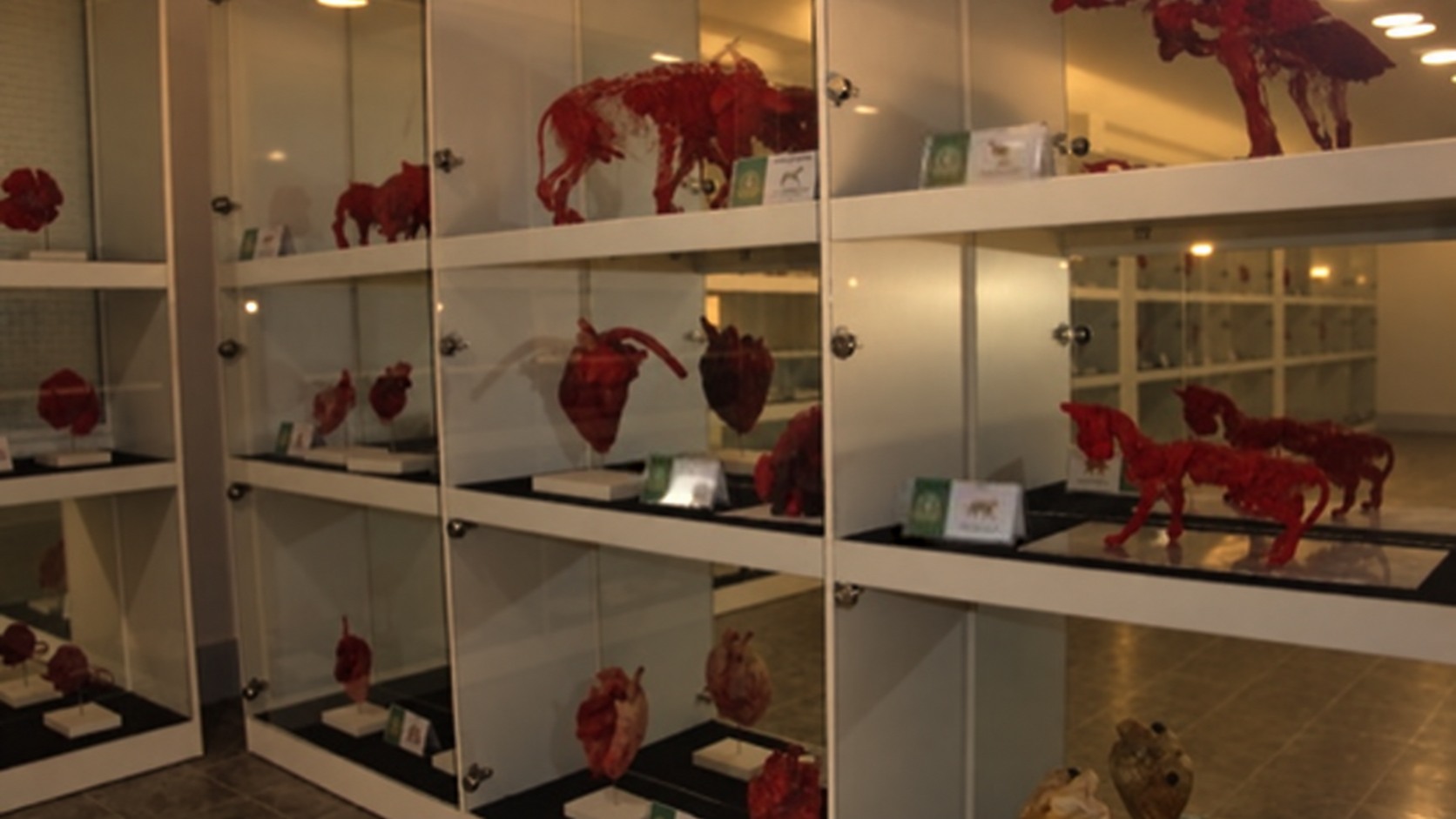
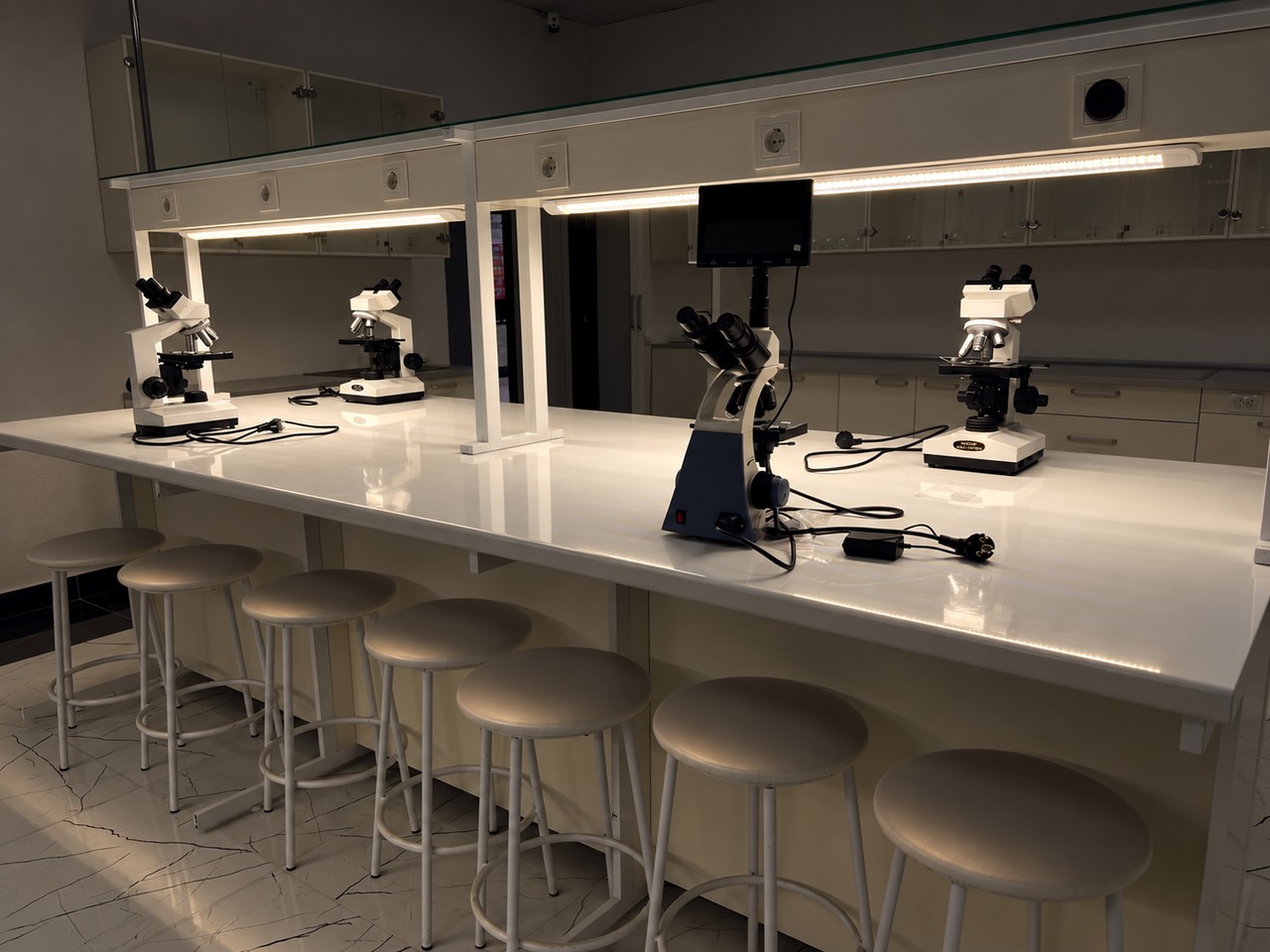
In health education, connections between basic sciences, simulation and organised training matter when those components are documented for the programme. In technical fields, students consider applied projects, design, software and systems. Reading the curriculum helps establish what students will actually do, rather than relying on broad labels such as “modern education” or “a global future”.
Accurate Accreditation Information Is Part of a Sound Choice
Institutional identity, licensing, programme status and accreditation must be checked separately, particularly in medical education. A university website or an entry in an information directory does not alone prove that admissions continue or that earlier accreditation remains valid. Listing a school in an international medical directory is not a substitute for licensing and recognition requirements in the student's country. [4, 5]
The project archive contains unresolved regulatory issues concerning certain institutions. Their information profiles are therefore kept separate from any recommendation to apply until current documentation resolves those issues. The purpose is to preserve useful information without turning it into a promise unsupported by official review. Students can use an article to understand a university, but applying requires verification specific to the programme and admission year.
Culture Connected to Nature and Craft
Central Asian traditions appear in textiles, felt-making, music and food, while mountain life gives certain cultural symbols particular prominence. Students can explore these features through cultural events, museums and everyday interaction without reducing people to general characteristics or assuming that life is identical across every region. [1]
Learning greetings, expressions of thanks and the names of basic necessities offers a useful beginning. Over time, language becomes a means of building deeper relationships and understanding how local life is organised. Taking part in a sporting or academic activity at university can also provide a stable social circle that supports adjustment and the exchange of experience.
Nature as a Space for Balance
Lake Issyk-Kul and the Tian Shan region are among the country's well-known natural features. Discovering nature need not involve distant trips or activities beyond a student's experience: choosing something appropriate to the season, conditions and available supervision is fundamental. No trip should be described as a university service unless the institution itself advertises it. [1]
Leisure is most useful when it has an appropriate place within the overall experience: time to restore concentration and connect with others, rather than compete with academic commitments. A local outing, a reading session or regular exercise can be more valuable than a crowded travel schedule during the semester.
Building an Integrated Experience
Start with the institution's exact name, then the programme, qualification, language, training location and current accreditation status. Compare accommodation, budget and services using information with clearly recorded dates, without assuming access to student employment, scholarships or automatic recognition. Kyrgyzstan deserves a reading that goes beyond mountain photographs: an educational environment with its own details and an opportunity for learning and independence, provided that the academic foundation is clear and documented before commitment.
Sources and references
- Source 1 · whc.unesco.org
Original source title
اليونسكو: قيرغيزستان والتراث الطبيعي والثقافي - Source 2 · www.nbkr.kg
Original source title
البنك الوطني للجمهورية القيرغيزية - Source 3 · usa.com.kg
Original source title
جامعة جنوب آسيا: الموقع الرسمي - Source 4 · edu.gov.kg
Original source title
أرشيف UNIVEX والجهات التعليمية القيرغيزية - Source 5 · www.wdoms.org
Original source title
الدليل العالمي لكليات الطب