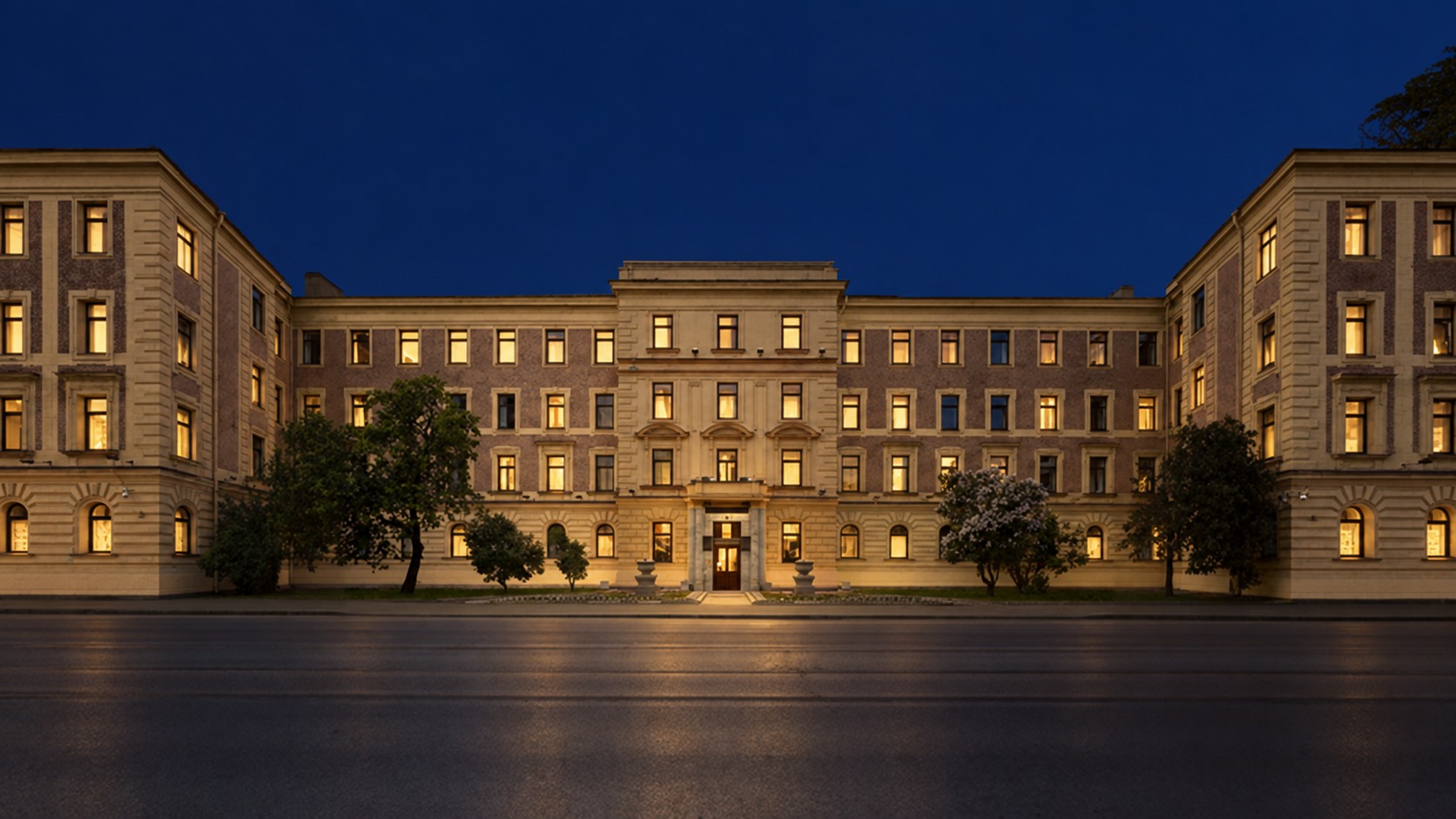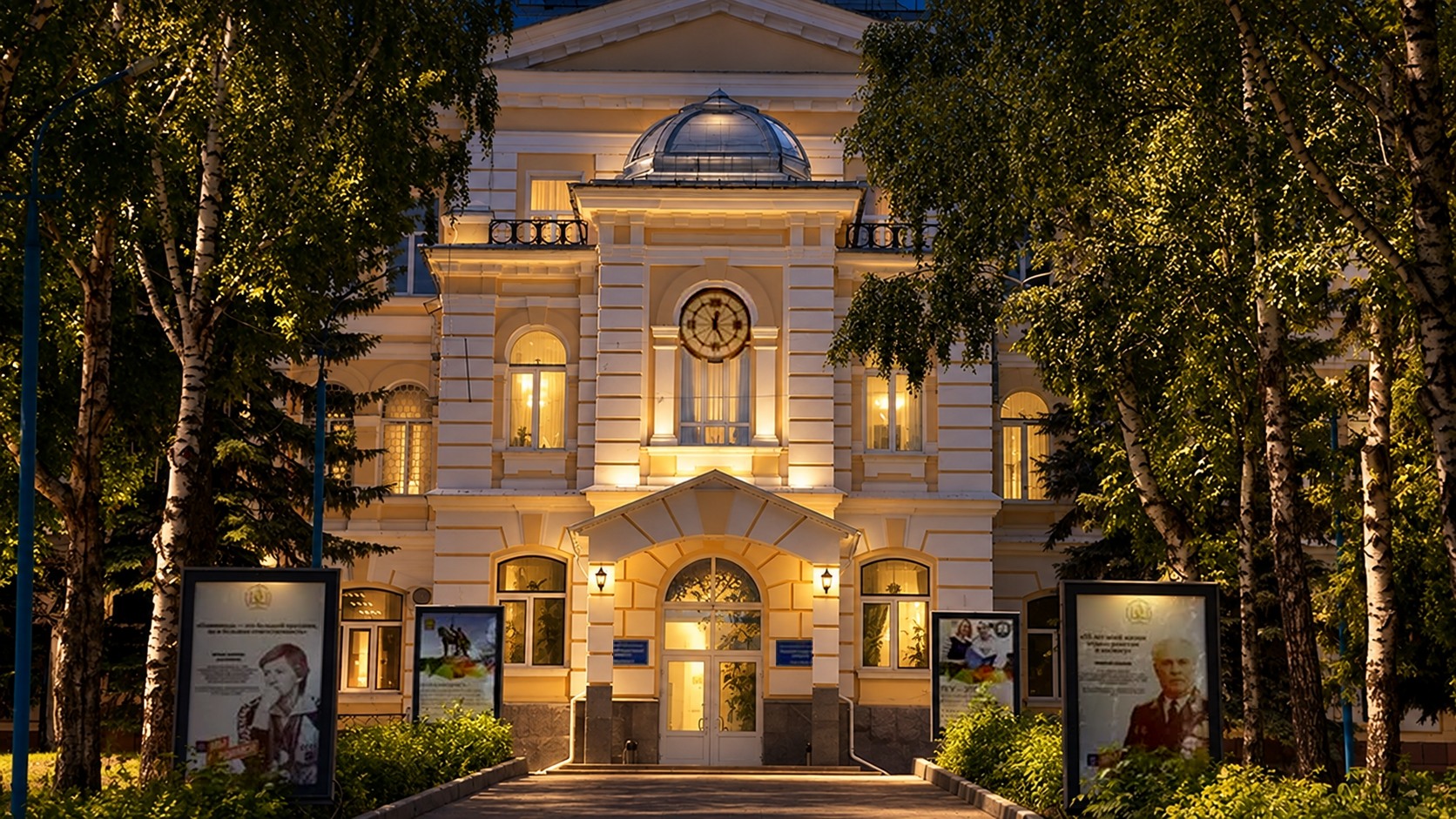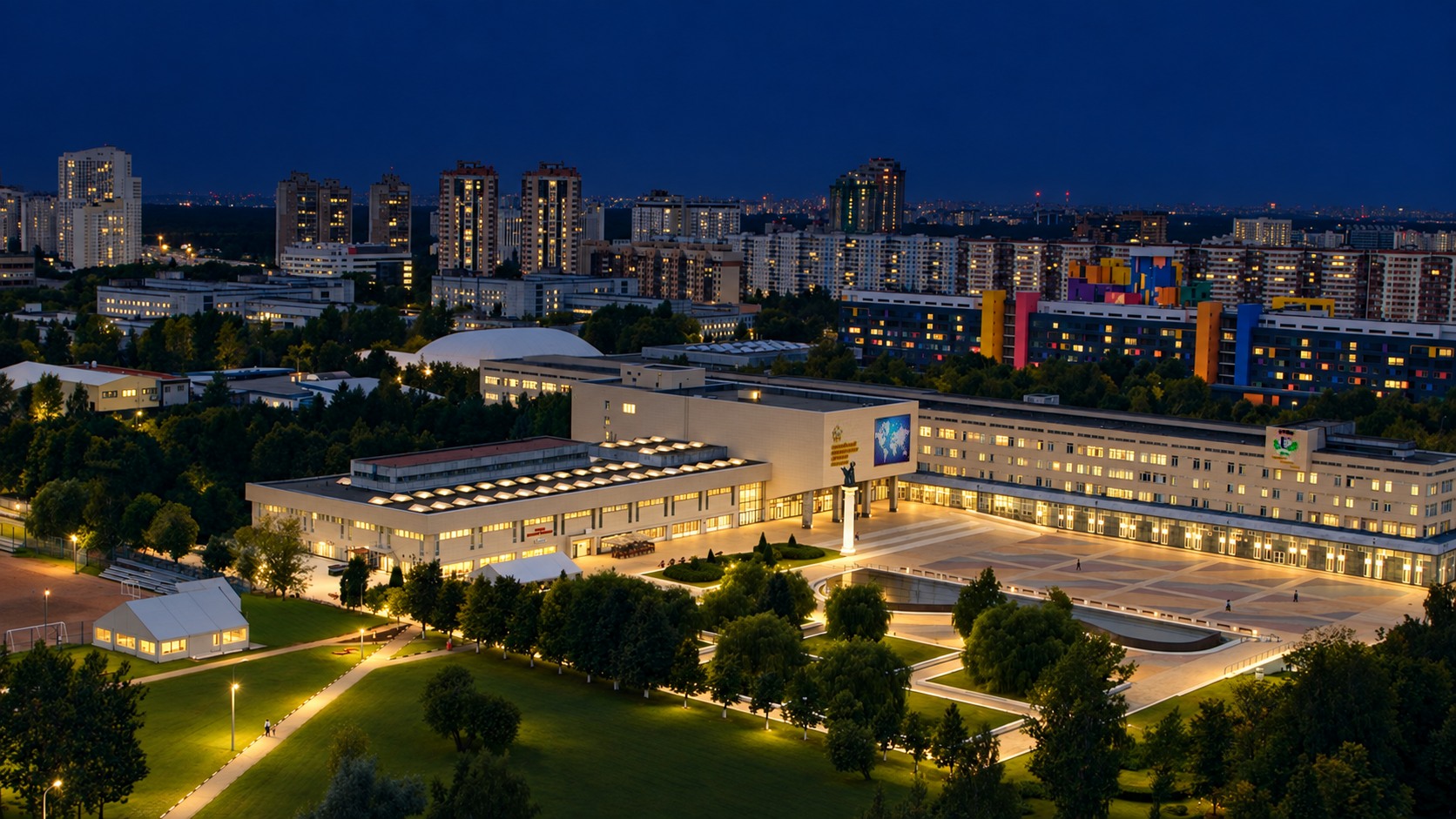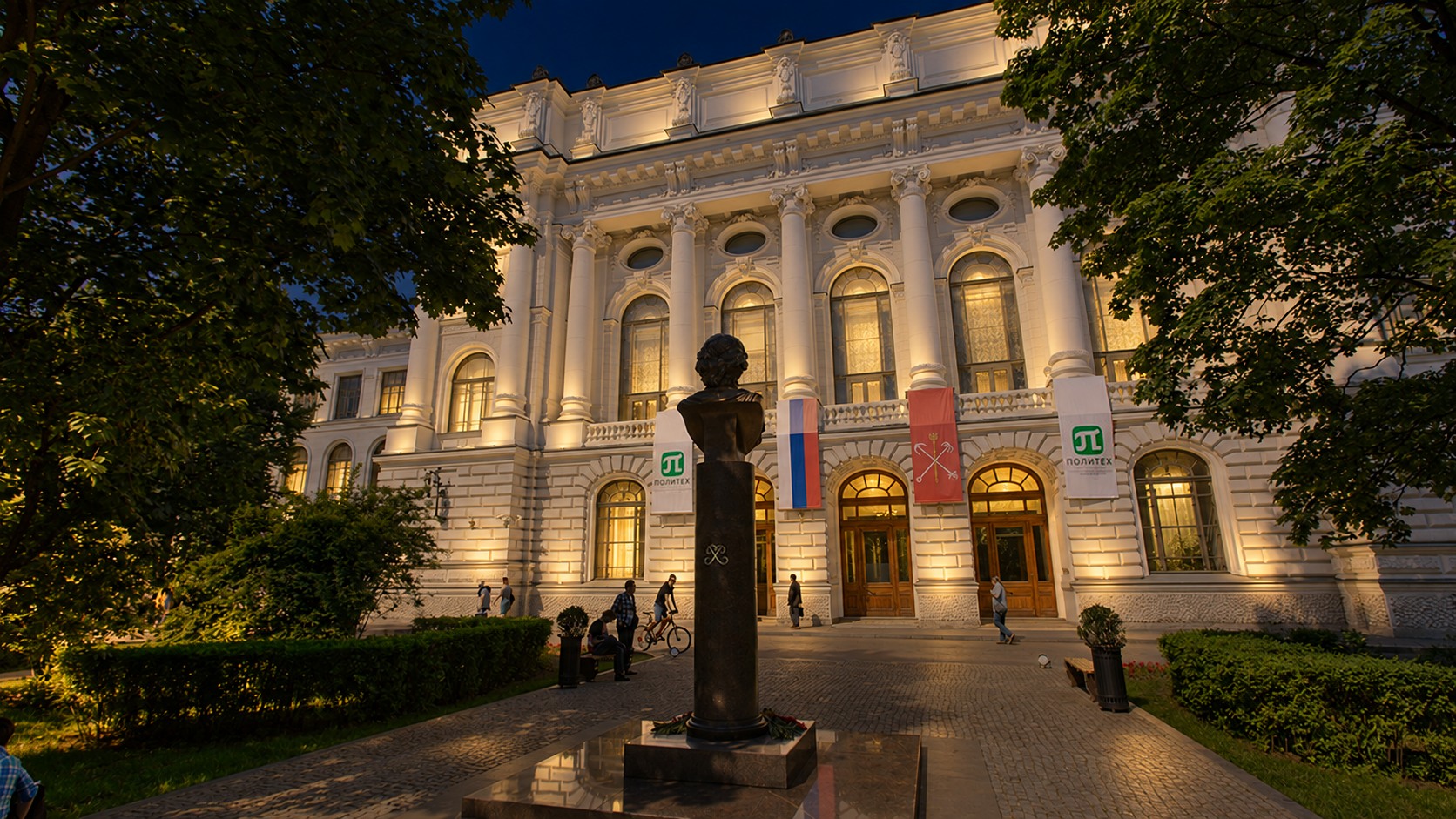

Studying in Russia is not one experience repeated from university to university. A student choosing a specialist medical institution in Ryazan or Tver encounters a different city and programme from someone attending a comprehensive university in Moscow or an engineering institution in Saint Petersburg. These differences provide a useful starting point: which academic tradition interests the student, and which city supports an appropriate study routine?
A Vast Geography Calls for Local Understanding
Russia extends across parts of Europe and Asia, and its capital is Moscow. The Russian rouble is the national currency, designated RUB, and Russian is the official language at federal level. Given the country's size, neither its climate nor the rhythm of daily life can be reduced to a single description. Students should prepare for the actual city and time of arrival, rather than a general image of winter or long distances. [1, 2]
UNIVEX's Russian list includes institutions in Moscow, Saint Petersburg, Ryazan, Tver and Penza. Each city raises different questions about accommodation, transport, activities and daily routines. Proximity to teaching buildings, the library and training sites may influence the experience more than the city's reputation alone.
Specialist and Comprehensive Universities
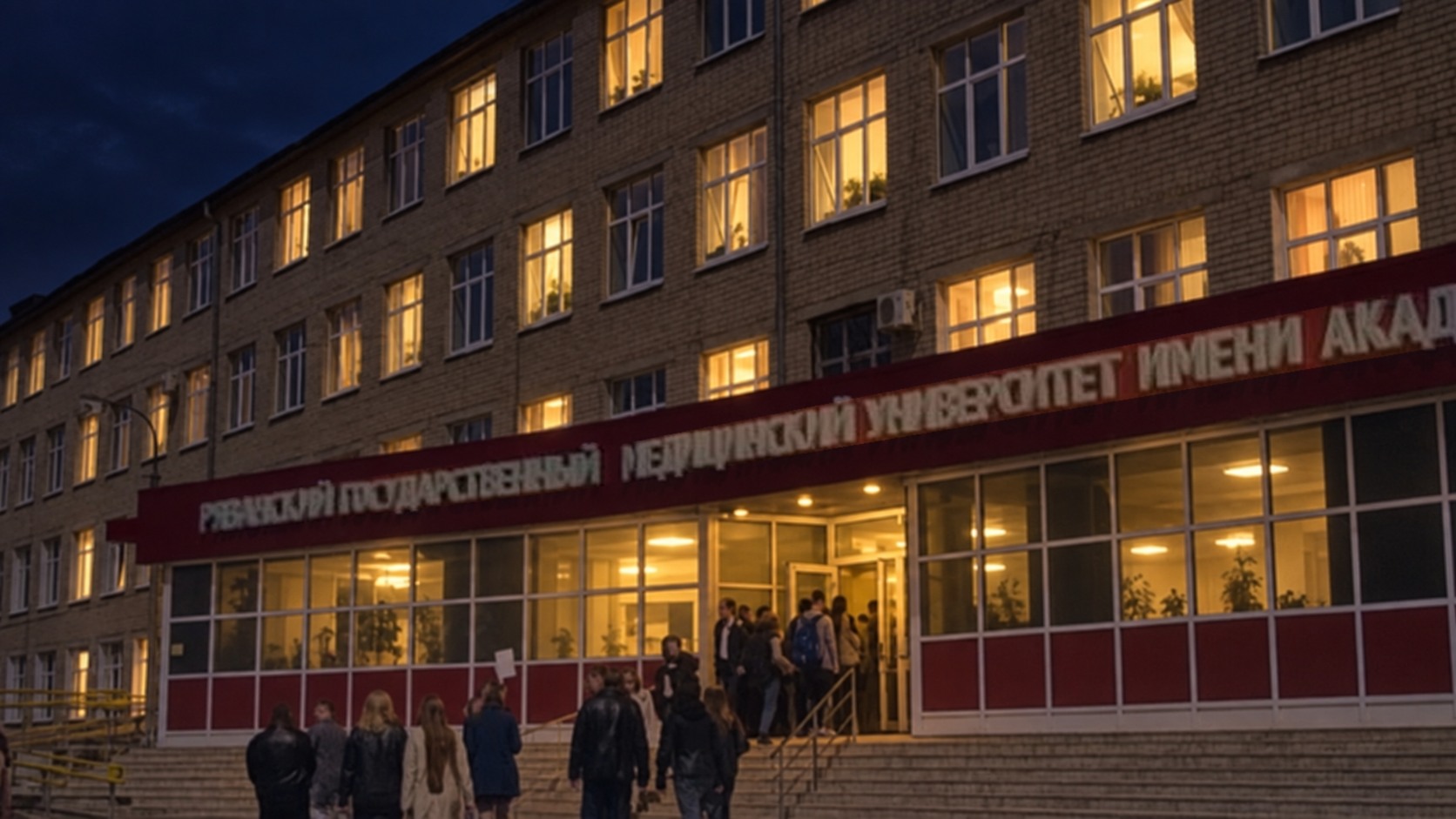
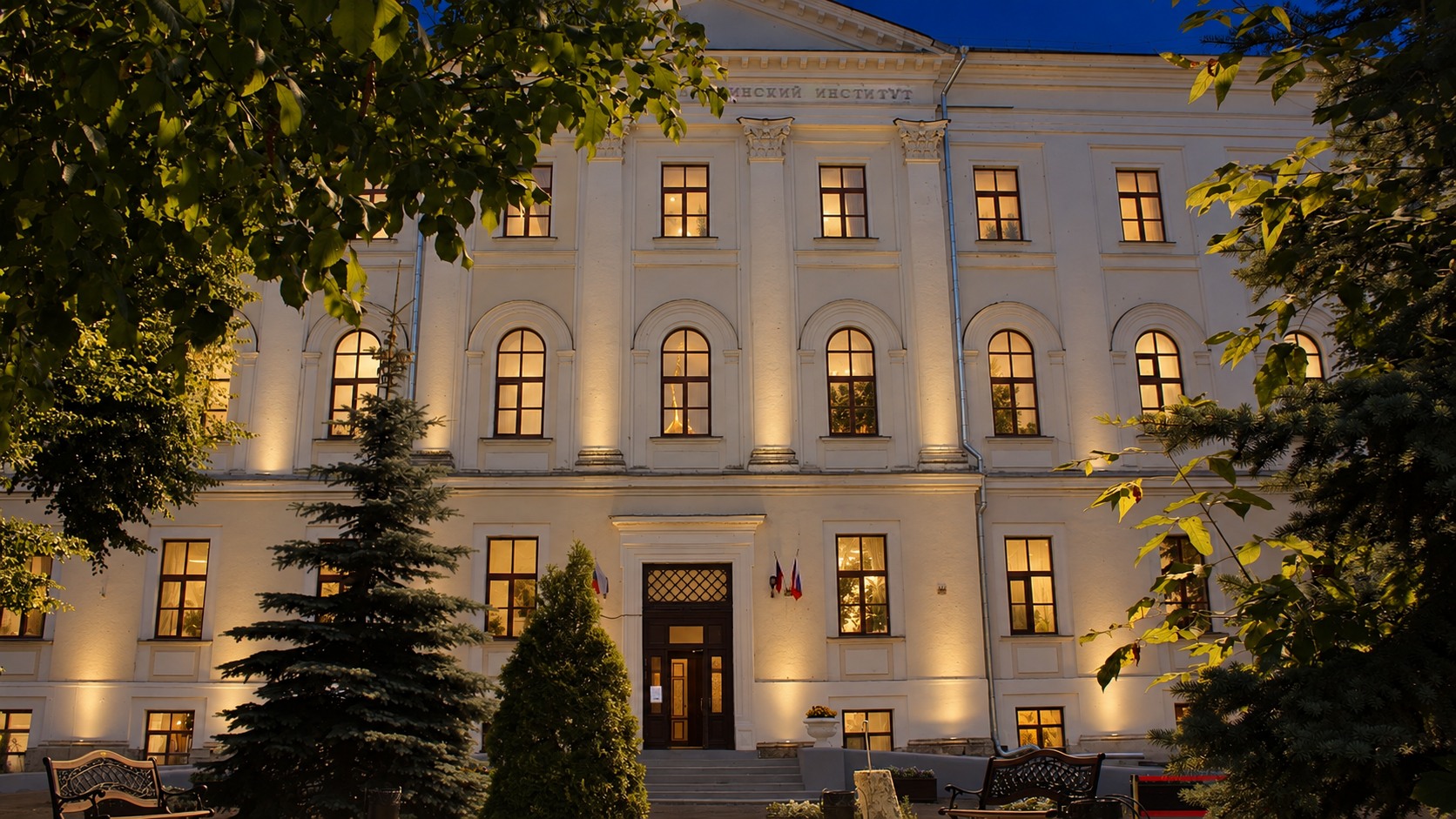
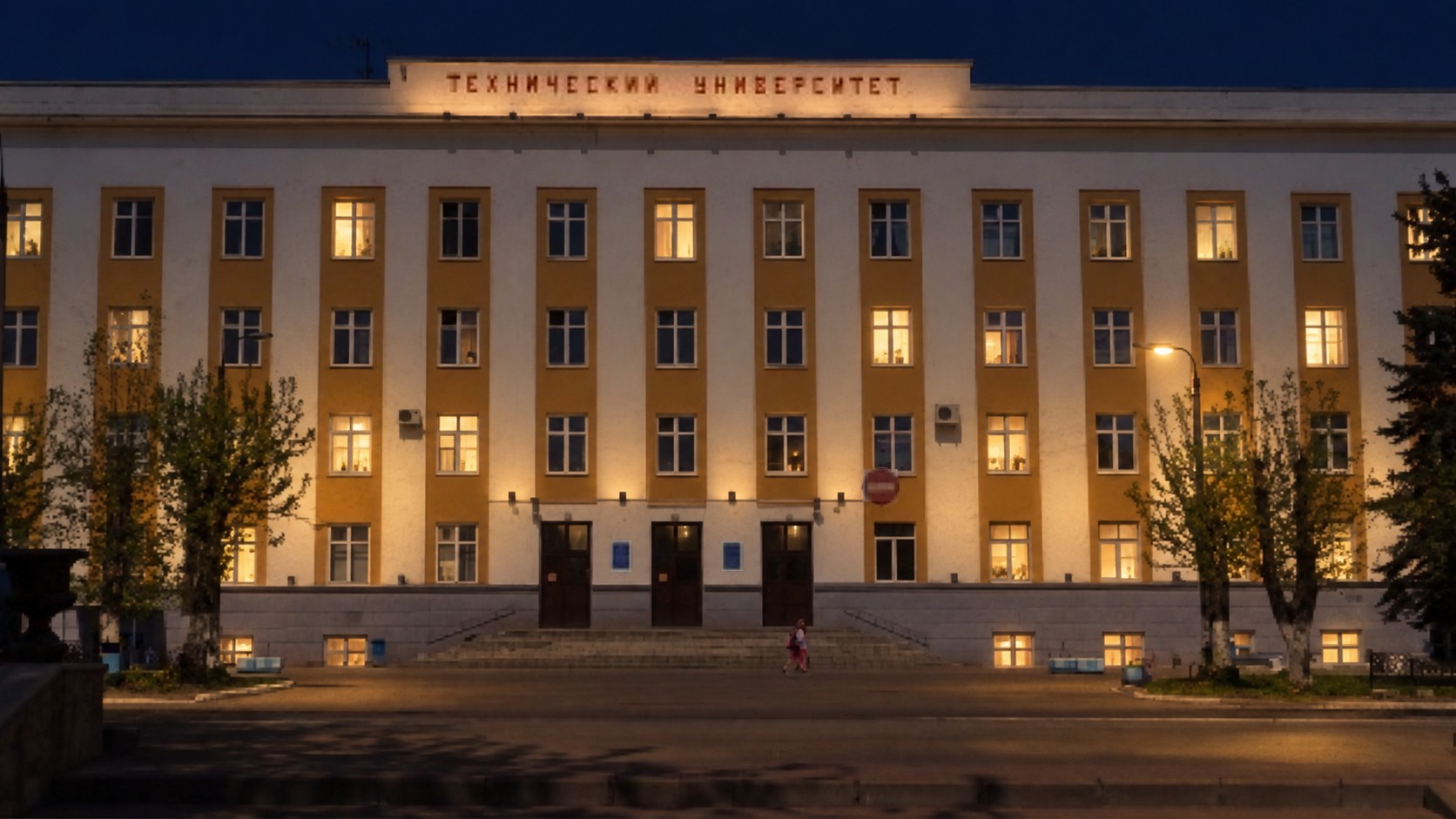
The directory includes medical institutions such as Pavlov First Saint Petersburg State Medical University, Ryazan State Medical University and Tver State Medical University, alongside Tver State Technical University, Peter the Great Saint Petersburg Polytechnic University, Penza State University and Patrice Lumumba Peoples' Friendship University of Russia. This variety allows comparison between an environment focused on a health discipline and one combining engineering, science, business or other fields. [3]
At a specialist institution, students may value a clear academic identity and resources organised around one field. At a comprehensive university, interaction with different ways of thinking can be part of the appeal. This describes the nature of each model rather than declaring one consistently superior: the actual programme determines suitability.
Language as an Academic and Everyday Project
The Russian study portal explains that most programmes use Russian, with English-taught programmes at some institutions and language preparation options depending on the university. Checking the programme's teaching language is therefore essential before applying. Students should also establish whether language requirements differ between theoretical study and practical or clinical training. [1]
Learning Russian can become a gradual project, beginning with everyday vocabulary and moving towards academic terminology. Students do not need to master everything before arrival; they need a consistent plan that supports understanding and independence. Learning how to ask questions, request clarification and record useful notes may be more valuable than memorising long vocabulary lists without using them.
Understanding the Qualification Clearly
The education system includes qualifications and pathways such as bachelor's, master's and specialist programmes. A qualification should not automatically be translated into a familiar title from the student's home country without review. Its name, duration, entry requirements and outcomes need to be read together when programmes are compared. [1]
In health disciplines, graduating from university remains a separate step from obtaining a professional licence or entering specialist training in another country. An early pathway map is useful: initial study followed by documentation, equivalence, examinations or training according to the relevant authority. This organisation turns ambition into clear stages that can be addressed systematically.
Everyday Life Between Accommodation and University
A budget begins with tuition, accommodation, food, transport, communications and required healthcare or insurance, then adds initial expenses, documents and travel. One living-cost figure should not be treated as suitable for every city or student. Payment and transfer methods must also be checked for the individual's actual circumstances rather than relying on an old experience or assuming that all bank cards work in the same way.
When comparing accommodation, consider heating, facilities, quiet study conditions and travel time to campus. A shared room may suit someone seeking a more social routine, while another student needs a different space for revision. The important point is that conditions are clear and written, with an understanding of what the payment includes and what requires separate charges.
Culture as Learning Beyond the Curriculum
Moscow and Saint Petersburg are associated with museums, theatre, architecture and libraries, while regional cities retain their own historical and cultural features. Students can choose an activity close to their interests rather than trying to experience an entire city in a short time. [1]
Reading a literary work, visiting an exhibition or attending an advertised university event can deepen understanding of the surrounding context. Such activities become more valuable when connected to personal questions: how does a city present its history, how does a museum explain a scientific idea, and how can knowledge be communicated clearly to the public?
A Choice That Combines Knowledge and Preparation
A study decision should be based on the programme, institution, current location, teaching language and qualification, with travel, residence and professional recognition requirements checked through the responsible sources. This article does not guarantee admission, employment or financial arrangements. It offers a way of understanding the destination: varied academic traditions, different cities and the possibility of developing a deep specialism when academic interest is combined with organised practical preparation.
Sources and references
- Source 1 · studyinrussia.ru
Original source title
بوابة الدراسة في روسيا - Source 2 · www.cbr.ru
Original source title
بنك روسيا - Source 3 · eng.rudn.ru
Original source title
كتالوج UNIVEX ومواقع الجامعات الروسية