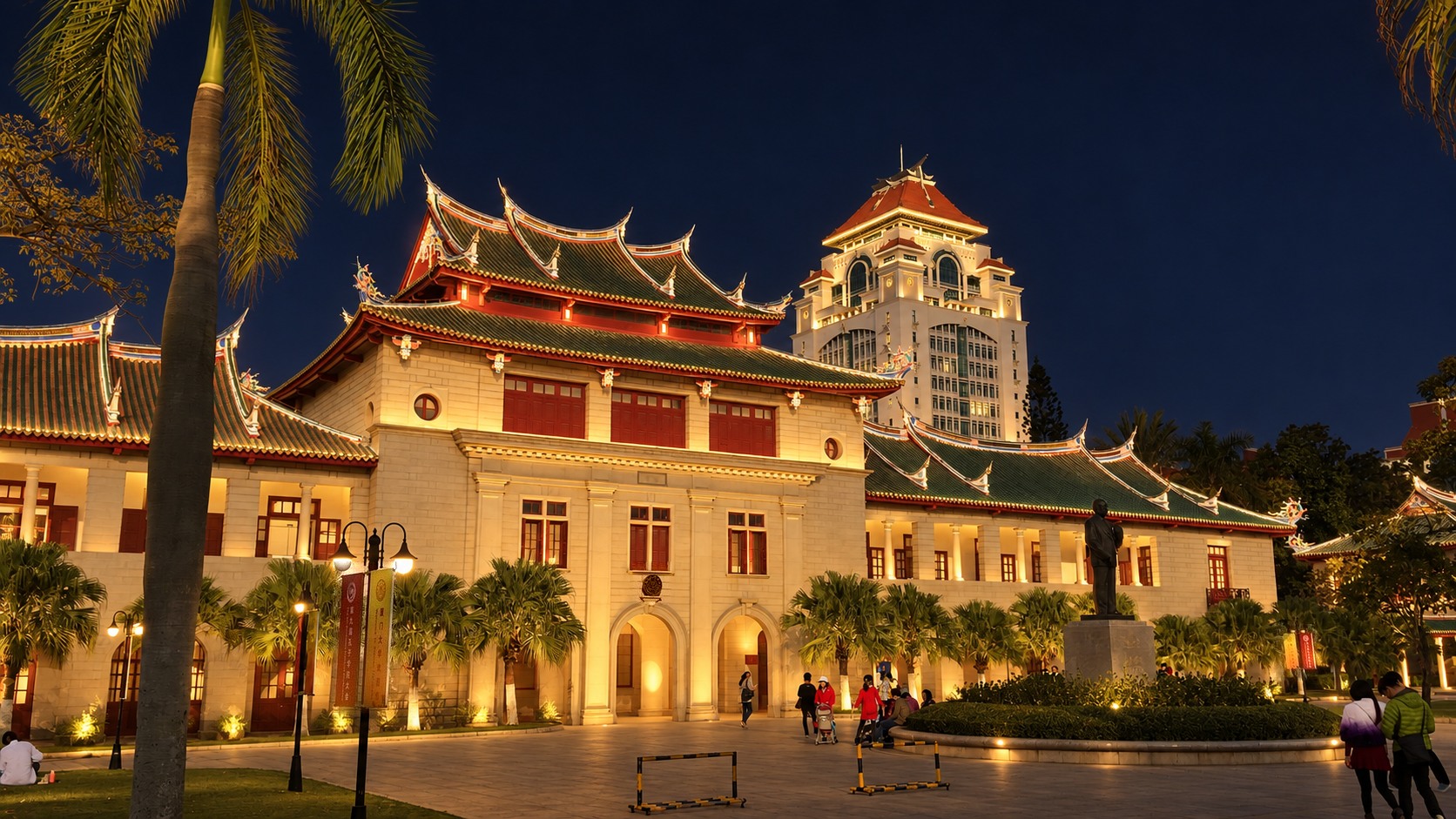

To understand studying in China, it helps to begin with the differences between cities rather than the country's size alone. An engineering-oriented university in Shanghai offers a different setting from a medical institution in Xuzhou, a university specialising in atmospheric sciences in Nanjing, or a coastal campus in Qingdao or Xiamen. The destination is a collection of academic environments, each with its own relationship to industry, research and the surrounding community.
A broad map calls for a precise choice
China lies in East Asia, and its capital is Beijing. The national currency is the renminbi, whose basic unit is the yuan, designated CNY. Standard Chinese, or Mandarin, is used nationally alongside substantial local linguistic diversity. An English-taught university programme does not remove the value of learning everyday Chinese, nor does it mean that every programme at the institution uses the same language. [1, 2]
Climate differs between north and south, coast and interior, so travel preparations should reflect the actual city and season. Harbin is not Xiamen, and clothing suitable for a northern campus may differ from what a southern location requires. These contrasts make the destination distinctive and encourage students to investigate the place they will actually live rather than rely on one image of China as a whole.
A university's specialism is part of its story
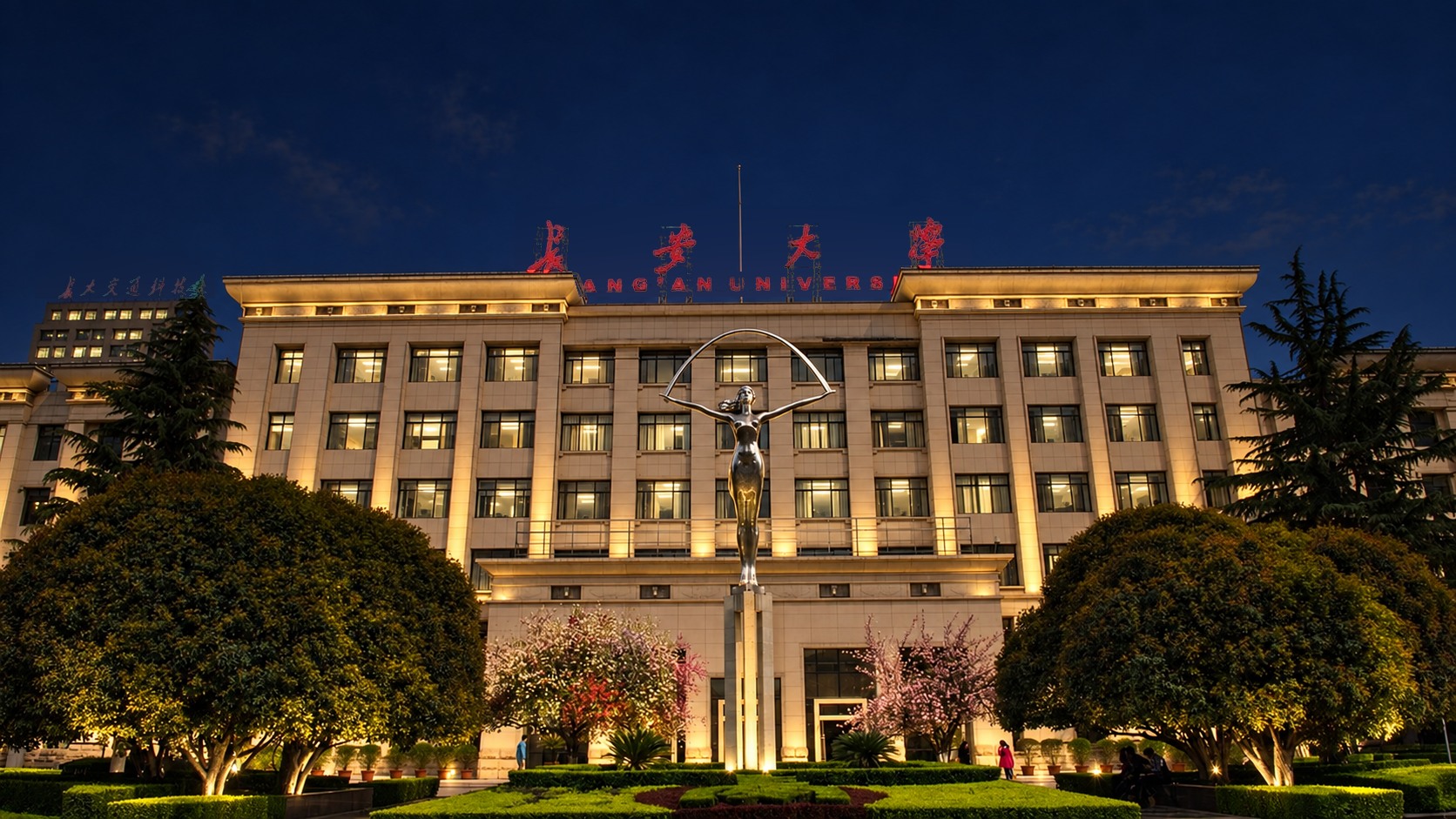
The UNIVEX catalogue includes China University of Petroleum (East China), Shanghai University of Engineering Science, Harbin Institute of Technology, Chang'an University and Nanjing University of Information Science and Technology, alongside comprehensive universities and specialist medical institutions. China University of Petroleum (East China) must be distinguished from similarly named institutions, and applications should identify the intended branch and campus precisely. [3]
This variety invites students to consider the kinds of problems they want to learn to solve. Those interested in energy might explore connections between materials, processes and the environment; students drawn to transport may examine infrastructure and intelligent systems; prospective doctors look for an integrated foundation in science and structured training. The subject title is only the beginning. Curricula, laboratories and projects reveal the depth of the experience.
Language opens another window
Language learning can run alongside the degree even when lectures are in English. Learning to write an accommodation address, read building names, order food and understand everyday expressions provides practical independence and richer interaction with the surroundings. Basic phrases can gradually develop into vocabulary connected with the student's discipline.
In medicine and other fields involving direct contact with the public, practical language requirements should be checked within the programme itself. Academic language, clinical communication and graduation or licensing requirements are not identical. Distinguishing them early helps students build a realistic learning plan aligned with their professional goals.
Campus as a system for daily life
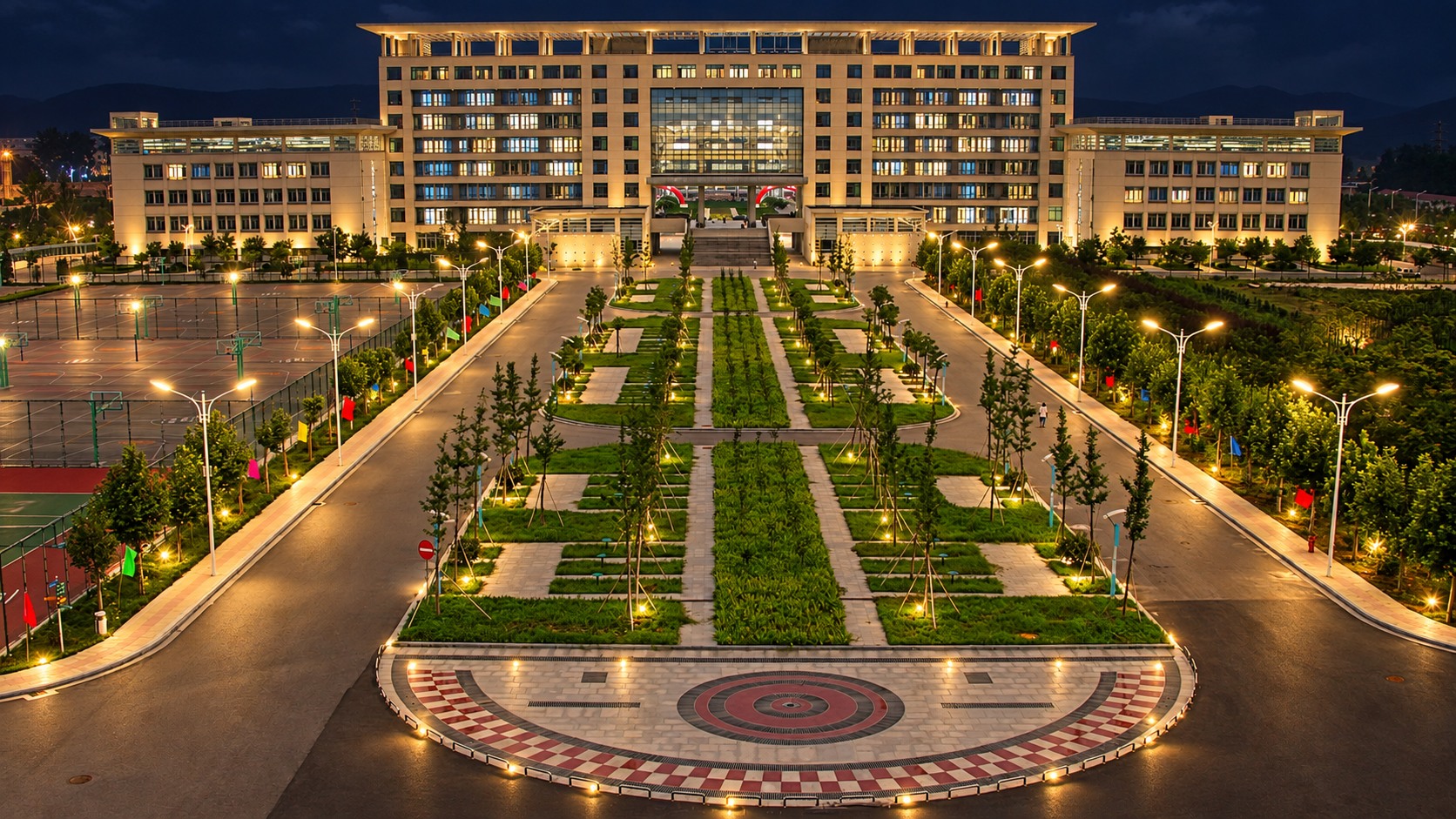
When comparing universities, examine libraries, shared study facilities, activity spaces, advertised housing options and communication with the international student office. An attractive building photograph cannot establish the quality of the experience. What matters is how students access resources, their opening hours and the conditions for using them.
A practical beginning is to organise a day that balances classes, independent study and physical activity. For scientific projects, a working notebook can record experiments, questions and references while respecting laboratory rules, privacy and intellectual property. These habits are not unique to one university, but they help students make better use of opportunities for applied learning and research.
Living costs depend on the city and housing choice
No single figure accurately represents the living costs of every student in China. Budgets vary by city, campus, accommodation, food and transport, while some expenses are annual or associated with the start of study. Keep university fees and everyday costs in two clear records before calculating the total.
Digital organisation also deserves early attention: a suitable local communication service, secure copies of documents, and a clear understanding of the university's official payment channels. Access to a banking service or payment application depends on its actual requirements and the student's documentation; it should not be assumed to be automatic. Clarity on these details reduces confusion and leaves more time for academic adjustment.
Culture beyond the familiar landmarks
China offers considerable variety in food, architecture, arts, gardens and historic cities. A local museum, an older street or a nearby garden can introduce part of that diversity without extensive travel between distant regions. The official tourism portal presents destinations reflecting these different environments. [1]
These experiences can prompt academic observations: how is visitor movement organised, how does a historic building relate to the modern city, or how do food customs influence service design? Such questions connect everyday life with critical thinking and provide a personal way to discover the country beyond superficial comparisons.
What makes a choice suitable?
The specific programme, teaching language, training location, awarded degree and international entry requirements form the foundation of a decision. In medical pathways especially, programme eligibility, recognition and licensing should be checked with the authorities relevant to the individual student. China is not a single ready-made promise. Its value as a study destination emerges when students choose their institution carefully, prepare for language and daily life, and use the breadth of the experience to build genuine skills.
Sources and references
- Source 1 · www.travelchina.org.cn
Original source title
Travel China: البوابة السياحية الرسمية - Source 2 · www.pbc.gov.cn
Original source title
بنك الشعب الصيني - Source 3 · en.moe.gov.cn
Original source title
وزارة التعليم الصينية