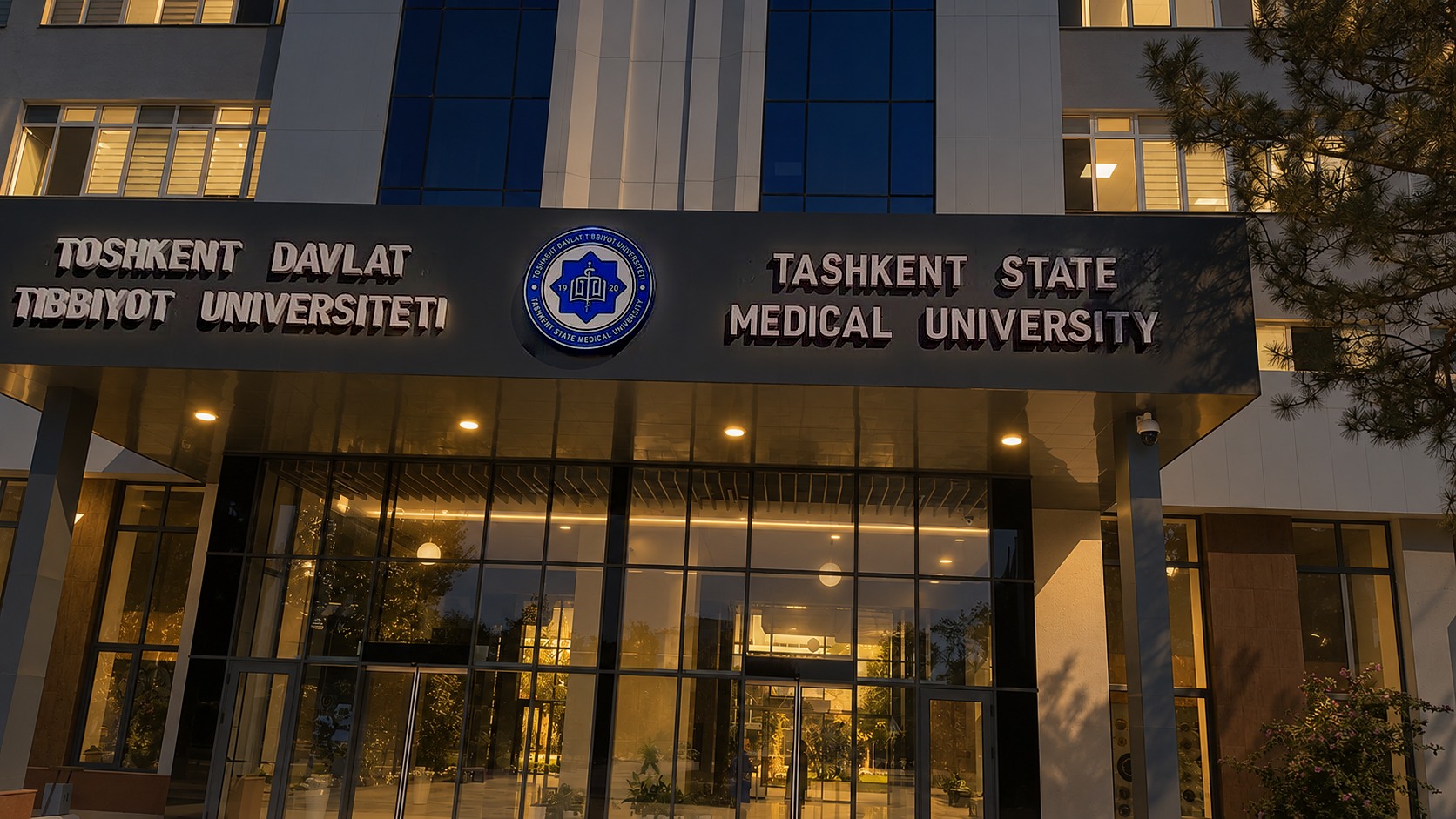

Behind every drug lie questions that go beyond its brand name: How was it formulated? How is its quality controlled? How does it interact with the body? And how does the correct information reach the user? Studying pharmacy places students at the intersection of chemistry, biology, and healthcare, opening a path to understanding medicine as both a scientific product and a professional responsibility.
More Than Just Memorizing Drug Names
Pharmacy programs typically include foundations in chemistry and life sciences, followed by subjects such as pharmacology, pharmaceutics, pharmacoanalysis, therapeutics, and pharmacy practice. The terminology and distribution vary among institutions, and the focus may be closer to pharmaceutical science, professional practice, or a combination of both. Therefore, the choice begins with the curriculum and the degree awarded, not just the word "pharmacy" alone. [1]
Students can connect the courses through a single question: What makes a pharmaceutical product suitable for its intended purpose from a scientific standpoint? The answer lies in understanding the substance, pharmaceutical form, quality, information, and use within a professional framework. This connection gives the subjects meaning and transforms the study from separate lists into an interconnected system.
The Lab Teaches How to Think
In laboratory education, students learn to follow procedures, record results, understand the sources of error, and distinguish between observation and inference. These skills are beneficial even for those who later transition to a field where they don't spend most of their day in the lab, as they build accuracy, respect for evidence, and the revisionability of work.
A helpful habit is to keep a clear record of the learning experience, explaining the objective, method, outcome, and limitations. A good report doesn't need complex language, but rather a description that allows for understanding what happened. When an unexpected result occurs, the learning opportunity lies in revising assumptions and procedures rather than altering the record to match expectations.
The Pharmacist as Part of the Care Team
The roles of pharmacists, depending on the country and scope of practice, include reviewing medications, providing information, and collaborating with the rest of the healthcare team. The extent of these roles and regulatory authorities varies between countries; therefore, the details of a single professional system are not applicable to all countries. The American Professional Reference Inventory (API) provides an example of the diversity of roles, not a universal standard for licensing. [1]
Students have the opportunity to develop scientific communication by explaining a general pharmaceutical concept in understandable language, summarizing a reference, or discussing a supervised learning case. The most important thing is to understand that clarity does not mean simplistic oversimplification, and that professional confidence stems from knowing the source and the limits of authority, not just from the speed of the answer.
Industry, Quality, and Research
Pharmaceutical career paths may also involve product development, quality control, regulatory affairs, drug information, pharmacovigilance, and research, depending on the curriculum, experience, and local requirements. These areas demonstrate that the relationship with medicine extends from the laboratory to the user system and is not confined to a single workplace. [2]
Students can explore their interest in a small project: a structured literature review, an analysis of product information presentation, or an educational study of the concept of quality. The goal is not to engage in structured work without proper training, but rather to discover the types of questions they enjoy and to develop their reading, writing, and analytical skills.
How to Differentiate Between Programs?
Read the degree title as awarded by the university, its duration, admission requirements, nature of training, and accreditation body. Not every program with a PharmD, BPharm, or similar title should be assumed to offer identical outcomes or validity across different countries. It is also important to distinguish between a program that qualifies students for practice and a scientific research program that does not, on its own, lead to licensure.
Inquire about laboratories, libraries, advertised training opportunities, and relevant partnerships associated with the program, and understand the conditions under which students can benefit from them. Institutional collaboration does not guarantee training or employment for every graduate. A good comparison looks for a clear mechanism for learning and assessment, and then considers budget, services, and academic support.
Skills that Enhance the Degree
Critical reading, scientific language, basic statistics, systematic data handling, and professional writing are all valuable investments during studies. Students can build an academic portfolio that includes their projects and reports, clearly outlining their role and what they learned, and removing any confidential or proprietary data.
In teamwork, the value of delegating responsibilities, reviewing results, and documenting decisions is paramount. These habits enable students to collaborate across different disciplines and provide them with a foundation that can grow as science and technology evolve.
A choice based on the kind of impact you want to make
You might be drawn to discovering a drug, ensuring its quality, providing information about it, or contributing to its responsible use. Studying pharmacy helps you explore these relationships, while the university, program, and licensure define the path that is actually available. When scientific curiosity is combined with rigor and commitment, the years of study become the foundation for a profession that treats knowledge as a trust, not just material for an exam.
Sources and references
- Source 1 · www.bls.gov
Original source title
BLS: طبيعة عمل الصيادلة في الولايات المتحدة - Source 2 · www.rcpharm.org
Original source title
الكلية الملكية للصيدلة: العلوم والممارسة المهنية